[ad_1]
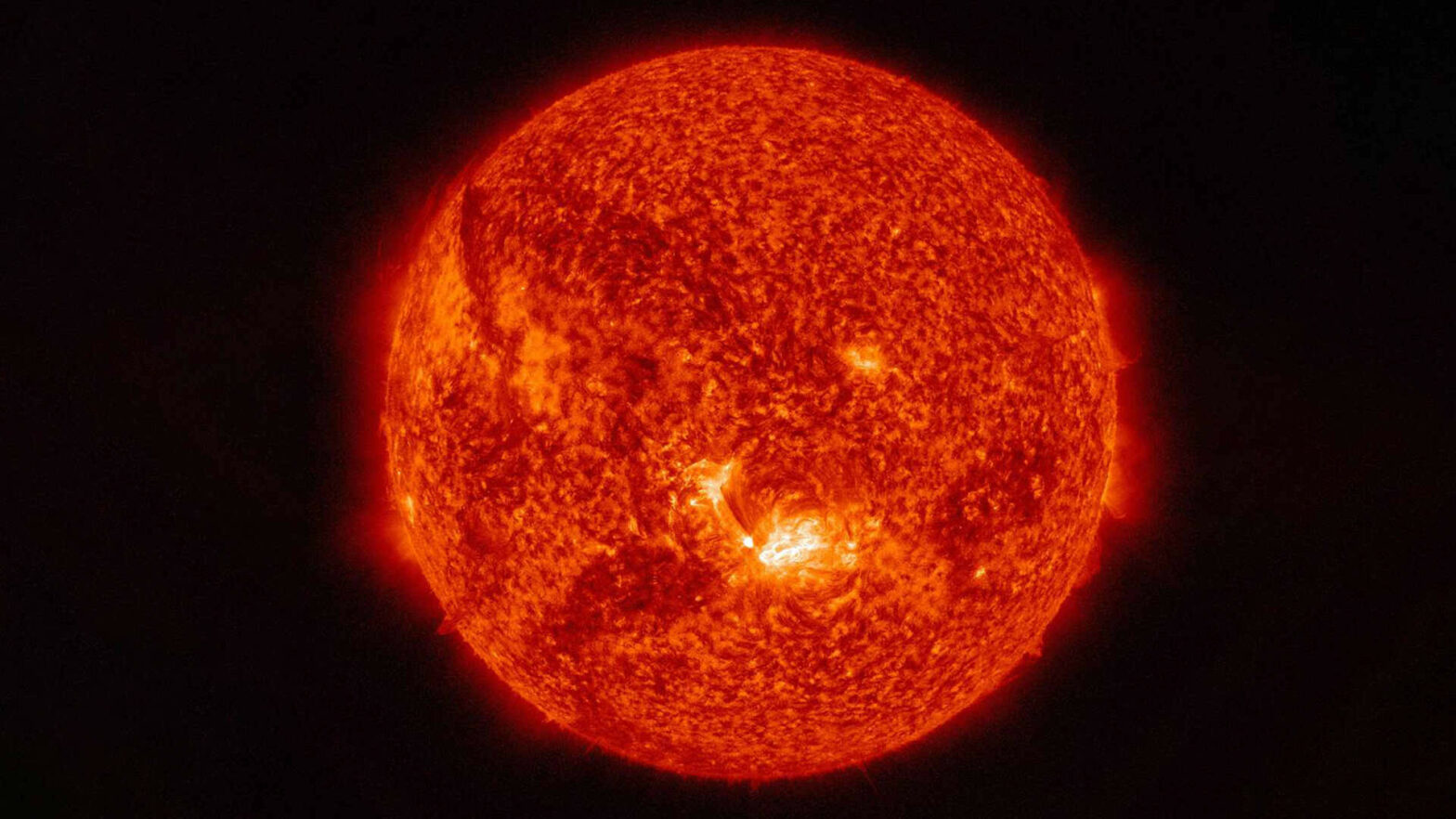
An amateur astrophotographer, Şenol Şanlı, based in Bursa, Turkey, created this captivating new image of the Sun using data from NASA’s Solar Dynamics Observatory. The photo, which was shared on his Instagram account on January 3, is a combination of photographs taken between December 2 and December 27, 2022.
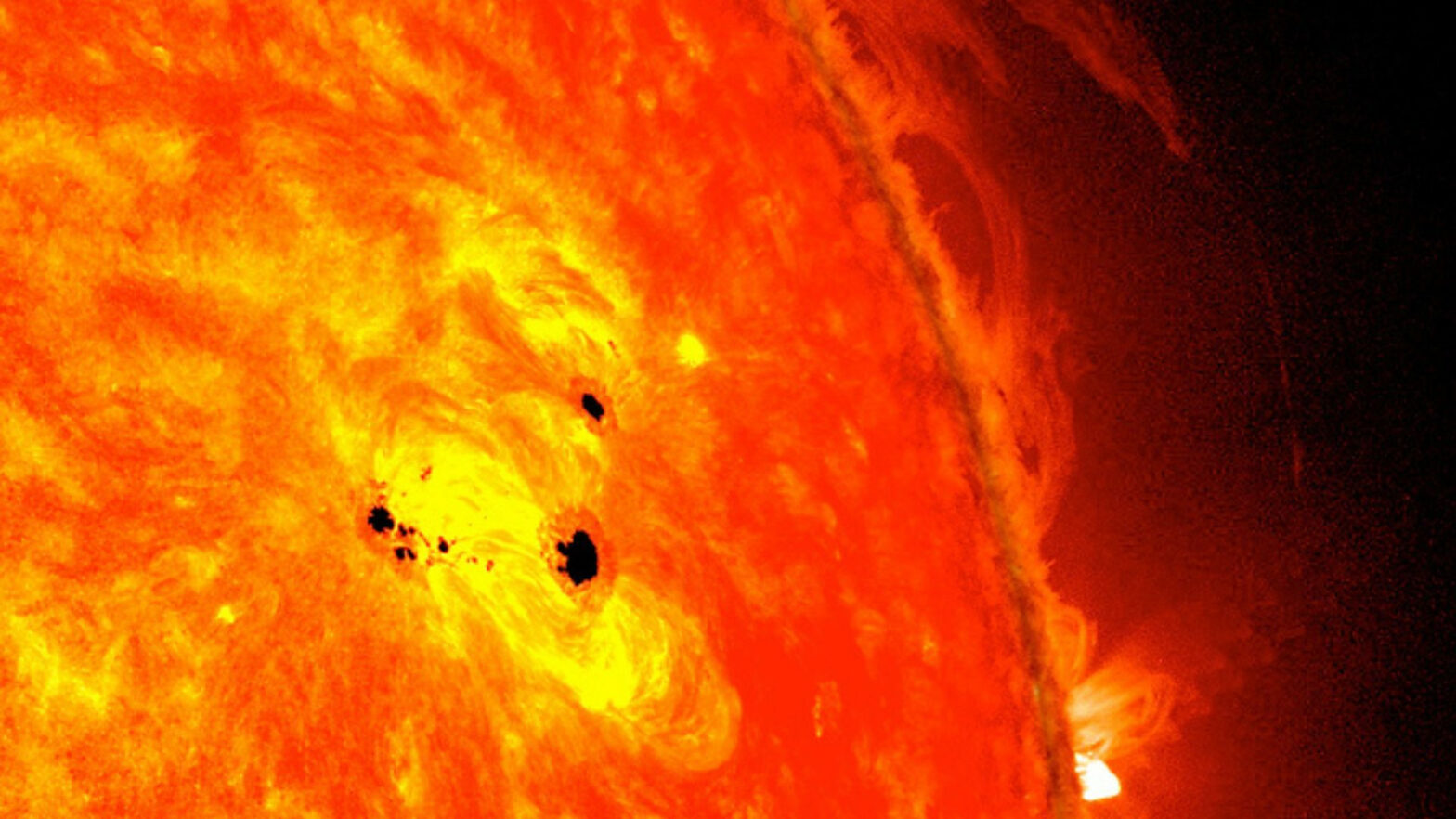
It features two bands of shape-shifting sunspot clusters, belonging to two particularly large sunspot groups – A3176 and A3153 – situated in the northern and southern hemispheres of the Sun, respectively. Both groups are seen moving from east to west in the image. Şanlı has digitally removed other visible sunspots on the Sun’s surface during this period, allowing the observer to closely track the subtle changes in these sunspot groups over time.
What are sunspots?
Sunspots are dark, cold, planet-size regions on the surface of the Sun. They arise due to disturbances in the Sun’s magnetic field, which can generate energetic solar events like solar flares and coronal mass ejections.
During December 2022, more than 113 sunspots were detected- the highest number recorded since December 2014. This total represents a significant increase compared to the average monthly count of 73.3 sunspots observed throughout the rest of the year before December.
The increase in sunspot activity results from the Sun entering a more active phase of its 11-year solar cycle, which is expected to reach its peak in 2025. Scientists have already recorded an increase in the frequency and strength of solar storms in 2022. If the number of sunspots remains high or increases further, 2023 will be even more active in terms of solar activity.
[ad_2]