A look at the development of Besthorpe Nature Reserve under the ownership of Nottinghamshire Wilidlife Trust

[ad_1]

For many people, the only Nottinghamshire Wildlife Trust site that they are aware of is Attenborough Nature Reserve. Attenborough is one of the best known reserves in the UK and receives hundreds of thousands of visitors a year, but the trust also cares for a number of other wetland gems, writes Erin McDaid, of Nottinghamshire Wildlife Trust.

Back in 1999, Nottinghamshire Wildlife Trust took over the long-term lease of the Besthorpe Nature Reserve from Lafarge Aggregates, now part of the LafargeHolcim group.

Situated in the very heart of the Trent Vale nestled between the Trentside villages of Collingham and Besthorpe, the site, like many of our wetland nature reserves, was previously a commercial sand and gravel quarry. The worked out lagoons and old processing plant have long-since been reclaimed by nature (with a significant helping hand) and are now a haven for wildlife.

Besthorpe Nature Reserve. Photo: Graham Roberts Betnor Photography Ltd

Thanks to the sterling efforts of local volunteers the reserve continues to develop and during the pandemic, it provided something of a lifeline for local communities desperate for a regular nature fix.

Like the lagoons on many old gravel pit complexes that Nottinghamshire Wildlife Trust has acquired down the years, the main water body on the reserve, known as Mons Pool, was very deep and steep sided. As a result it was particularly rich, with little scope for marginal vegetation to establish and few shallows for wading birds, but the overall range of habitats across the reserve, its Trentside location and the fact it borders another large reserve being developed by the RSPB, Langford Lowfields, meant it had tremendous potential.

Fast forward a decade and the Wildlife Trust, and thanks to our involvement in the ambitious Trent Vale Landscape Partnership funded by the National Lottery Heritage Fund were able to carry out a huge habitat restoration project – which remains the largest of its type we’ve ever undertaken.

This involved a huge amount of earth moving re-establish a once-thriving reedbed in the northern section of the reserve and the material dug out of the reedbed was used to carefully re-profile Mons Pool, creating a complex mix of shallows and shelving margins. These provided the diversity required for a myriad of species to thrive including the plants and invertebrates that provide the building blocks for success of species higher up the food chain, including wading birds.

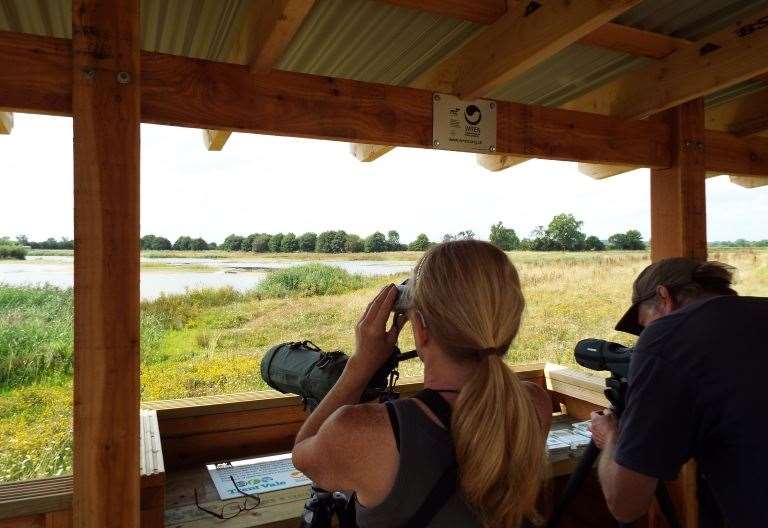
More recent investment has included wheelchair accessible paths and wildlife watching facilities.

Besthorpe Nature Reserve is the perfect place for birdwatching.

These access improvement have made possible thanks, in no small part, to the efforts of our stalwart local volunteer warden Andrew Hindmarsh and other volunteers and supporters including local councillors and businesses.

The island in Mons Pool was, for many years, home to one of the county’s largest colonies of heron, a sizeable cormorant roost and a rookery.

The nesting spots are now shared with a relative newcomer – little egrets.

A decade ago, the reserve became the first location in the county confirmed for breeding little egrets a species that, not so many years ago, would only been seen in southern Europe.

Once a rare visitor to our shores, these elegant birds are now a regular sight on our coasts and increasingly common inland. They have expanded their range, likely due to increasing temperatures caused by climate change and first bred in the UK in 1996 – moving northwards ever since

Alongside the entrance track to the reserve there are some attractive wet meadows which are often home to sheep from our conservation grazing ‘flying flock’.

In summer the reserve is alive with visitors including terns, swifts and swallows as well as colourful dragonflies.

In winter the reserve is a good place to spot a range of over wintering ducks such as wigeon, tufted duck, gadwall, pochard, mallard and teal.

Fields to the north of the reserve are often a good place to spot Whooper swans. The mix of habitats and its proximity to the Langford Lowfields make it an ideal destination for a day’s wildlife watching.

Little Egret in flight. Photo: Mike Vickers

Depending how much time you’ve got to spare you could also take in Spalford Warren, a fascinating inland sand dune system, just a little further up the A1133 Newark to Gainsborough Road.


[ad_2]
Changes to dog policy for nature reserves

[ad_1]

The UK is without doubt a nation of both dog lovers and nature lovers, but these two passions are not always completely in sync, writes Erin McDaid of the Nottinghamshire Wildlife Trust.

Dogs are more popular than ever before, with an estimated 34% of UK households now sharing their home with man’s best friend.

Just as appreciation of nature and local wild spaces grew during lockdown restrictions, it seems that dog ownership grew too ­— increasing the chances of issues when walking dogs on nature reserves.

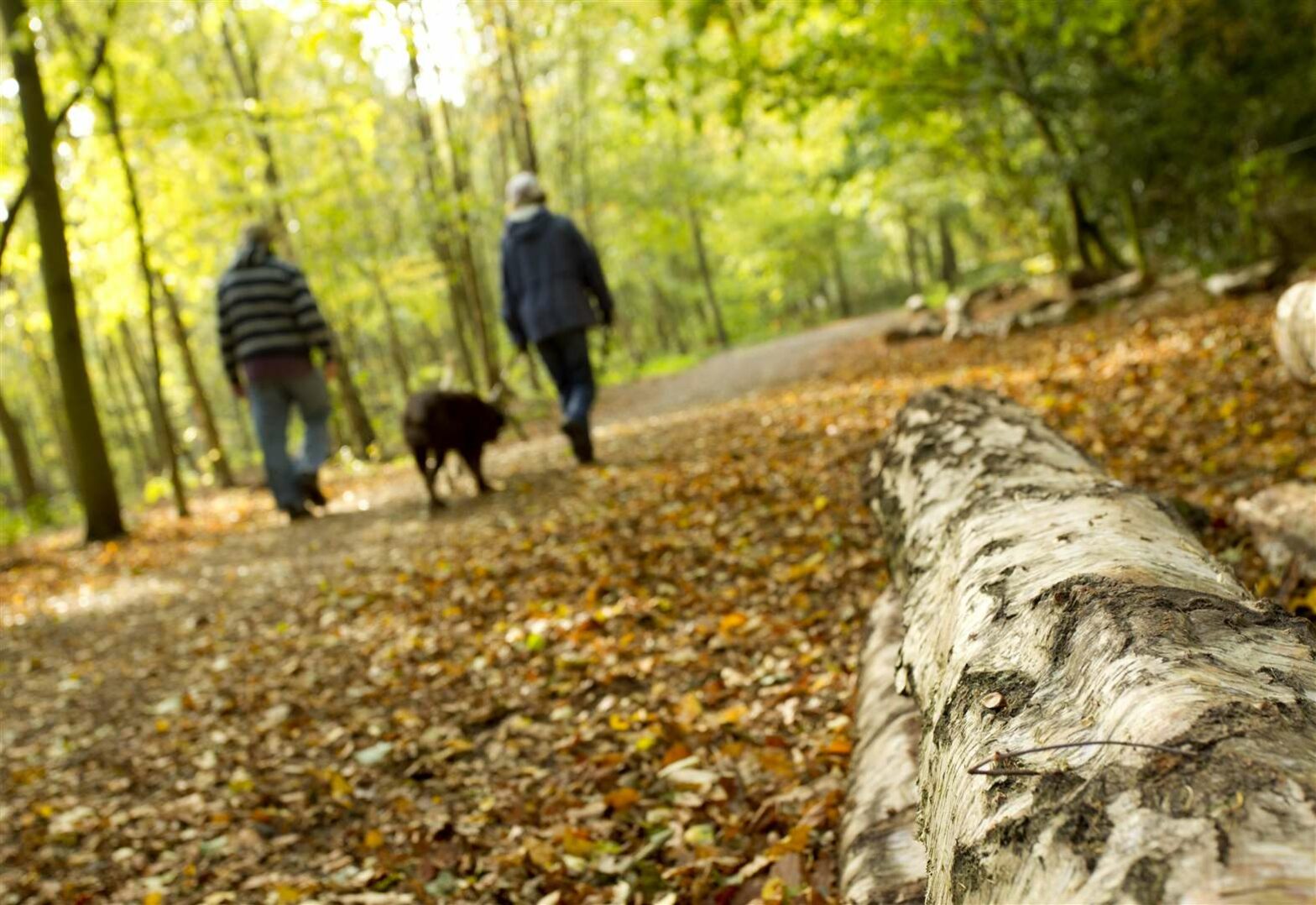
Dogs must now be kept on short leads at Nottinghamshire Wildlife Trust’s nature reserves. Photo: 2020Vision.

Just like most of us, to keep healthy and happy, dogs need fresh air and exercise, but depending where people choose to exercise their dogs, this can bring them into conflict with wildlife. Even the friendliest, most gentle dog still looks like the predator they evolved from ­— and that’s just how wildlife such as birds and small mammals see them.

An encounter with a dog, even a very brief one, can be hugely stressful for birds, mammals, reptiles, and other animals. Sometimes it can even prove fatal either through an rare attack or because disturbance leads to nests or young being abandoned.

Our dogs can also have less direct impacts on the natural world around them. It might seem harmless to leave dog poo in the undergrowth, but the extra nutrients this adds to the soil, especially on sites popular with dog walkers, can disrupt nature’s balance, leading to the loss of wildflowers as delicate plants are replaced with nutrient-hungry species such as nettles. Cleaning up after your dog and keeping them on a short lead whilst on nature reserves and in other vital wildlife habitats will go a long way towards keeping wildlife safe.

Birds, reptiles and other wildlife view even the friendliest of dogs as predators. Photo: Mike Vickers.

While many nature reserves across the UK don’t allow dogs at all, Nottinghamshire Wildlife Trust has a long standing policy of welcoming well-behaved dogs ­— and well-behaved owners.

Until recently, we asked people to keep their dog under close control but sadly this advice can be misinterpreted and is difficult to enforce. With the advent of extendable leads and the significant increase in dog numbers, we’ve changed our policy and now ask people to keep dogs on a short lead when visiting our sites unless there is explicit signage saying otherwise.

A few weeks ago, we issued a news release outlining our change of policy – timed to coincide with the start of the bird nesting season and lambing season – a period when dogs, wildlife and livestock often clash. But the issue of dogs disturbing wildlife and livestock is year-round.

The ground-nesting nightjar is particularly at risk. Photo: John Smith.

The sad fact is that dogs off leads is one of the biggest causes of wildlife disturbance and this issue is particularly problematic for the many species that breed on or close to the ground.

Ground-nesting birds, such as corn bunting and skylark, are particularly at risk. Research shows that 66% of ground-nesting birds are in decline in the UK, compared to 31% of other species. When you consider that some ground nesting species, including the mysterious nightjars that breed on heathlands in Sherwood Forest, have come all the way from Africa for the short breeding season, it is incumbent on us all to ensure they have every chance of success.

Dogs can also be a threat to livestock, especially sheep, with regular problems reported on our reserves where we use conservation grazing to manage habitats.

Many of us at Nottinghamshire Wildlife Trust are dog lovers too and the last thing we want to do is spoil anyone’s fun or that of their dog’s, but our sites are primarily havens for wildlife and we need all visitors’ help to ensure that wildlife can thrive and that everyone can enjoy them. Many people are unaware that birds can be nesting on the ground just a short distance from footpaths and familiar birds such as dunnock and blackbird can also nest very close to the ground in bushes and brambles. An inquisitive dog wandering just short distance off the path could impact on birds’ chances of breeding success.

Nottinghamshire Wildlife Trust. (2682719)

So, next time you visit a nature reserve remember to keep dogs on a short lead and don’t forget to clear up after them ­— taking the dog waste home with you if there’s no bin or the bin is full. By following these two simple guidelines it’s possibly to enjoy taking your pooch for a mooch around your local nature spot without harming or disturbing wildlife.

Further details of our Dogs on Nature Reserves policy can be found at nottinghamshirewildlife.org.


[ad_2]

Helping nature rewards us as well as wildlife

[ad_1]

Last week was National Nest Box Week, but as a dear colleague once said to me, the best time to put a nest box up is whenever you think of installing one. A nest box languishing in a shed waiting to be installed or sat on a shelf in a shop is of no help to birds, writes Erin McDaid of the Nottinghamshire Wildlife Trust.

Despite growing awareness of environmental issues and millions of people caring about nature, natural nesting sites have been in decline for decades. As a result, installing a nest box in a garden or shared community space is a no-brainer and a real boost for our feathered friends.

In addition to helping a surprising number of species, from the ubiquitous robin to much larger visitors such as tawny owls, installing a nest box also gives a great opportunity to get up close to nature, to really connect.

Making a bird nest box from scratch or from a kit can be very rewarding and provide a safe place for birds to rear their young, like these blue tit chicks. Photo: Lucy Wallington (62590509)

A well-placed box will give you front row seats to observe birds through the fascinating nesting season.

With many species nesting earlier than they used to, its still worth putting up boxes now.

Even if it is not used straight away, a new box will provide birds with options and may well be used later in the season for a pair raising a second brood or even get used next winter by birds such as wrens seeking shelter from the cold.

Making a bird box from scratch or from a kit can be very rewarding. Photo: Evie & Tom Photography (62590551)

Considering that the area of gardens in the UK is larger than the total area covered by the 2000-plus nature reserves cared for by wildlife trusts, and as development destroys trees, hedges and old buildings, natural nesting sites continue to disappear.

Nest boxes in gardens can, therefore, make a real difference.

While there are a myriad of nest box designs available to buy, you can add to your sense of connection with nature by making your own.

Blackbird in a nest box. Photo: Amy_Lewis (62590504)
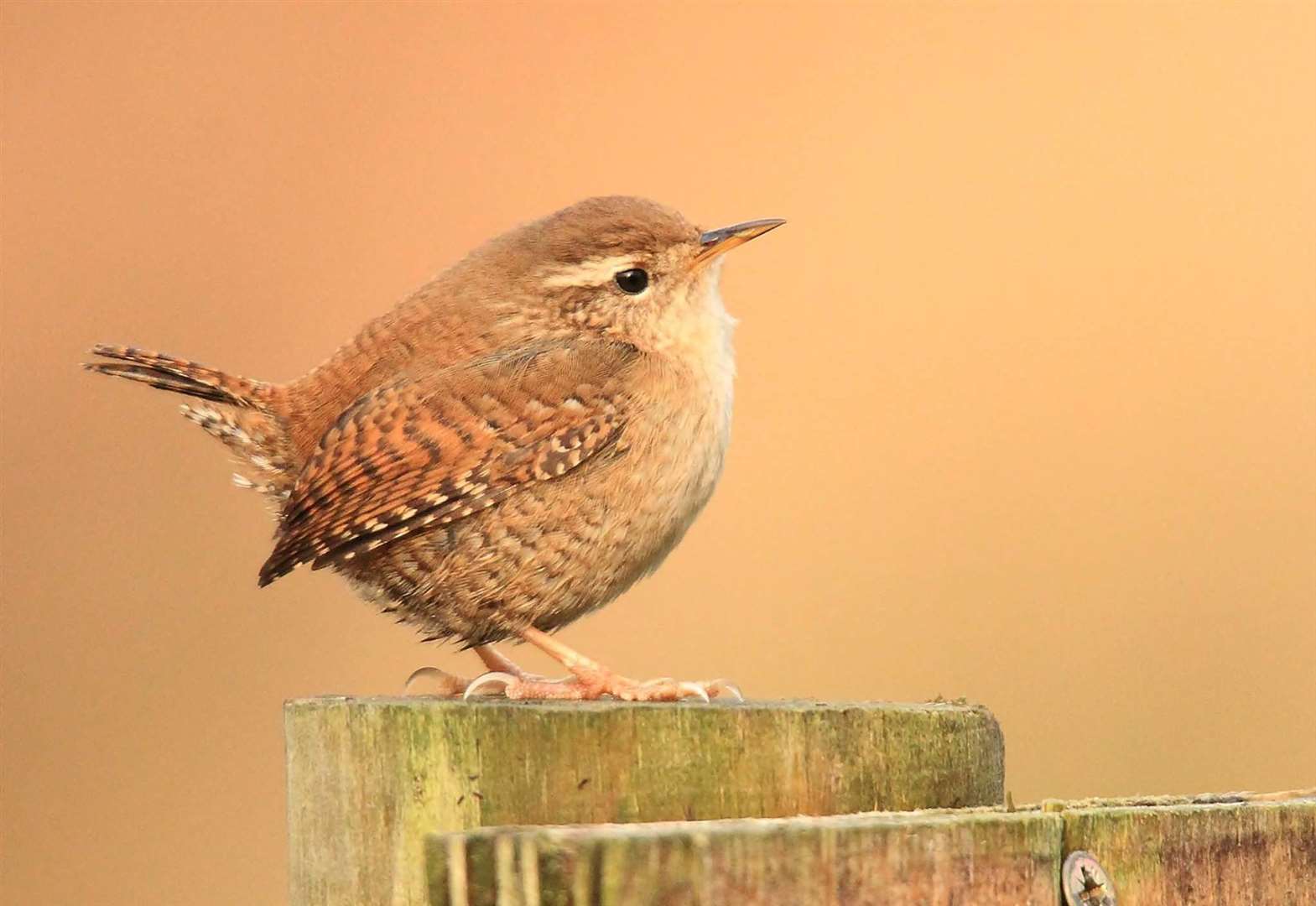
Jenny Wren. Photo: Jane Bowen (62590513)

As long as you follow a few simple guidelines, you don’t have to be an expert joiner or to have expensive tools and materials to build a perfectly serviceable box.

Birds don’t require precise dimensions and the key factors are that a box is weatherproof and as safe as possible from predators.

There are plenty of good designs available online, from our website as well as sites such as the British Trust for Ornithology ­— the bastions of nest box know-how.

They also published a great book called simply The BTO nest Box Guide written by Chris Du Feu, a long-term member and volunteer with Nottinghamshire Wildlife Trust.

You will need to scale your creation to suit the type of birds you would most like to attract and to decide whether to have a box with a hole ­— to suite birds such as tits and sparrows ­—or an open fronted design favoured by robins and wrens.

Tawny Owl chick. Photo: Sandy Aitken (62590553)

You also do not have to use new timber. Perfectly sturdy and serviceable boxes can be made from off cuts or even old pallets ­— but do make sure that there are no preservatives on the wood, especially on the inside surfaces.

Whether attached to a wall or a tree, the height above ground is not critical for most species as long as it’s away from disturbance of humans and predators, including cats.

If the location has no natural shelter, it is best to mount a box facing between south-east and north to prevent strong direct sunlight heating the box and to limit the impact of wind and driving rain.

Do not be tempted to install your nest box close to a bird table or feeding area. The frequent toing and froing of other birds will most likely prevent birds from choosing to breed in the box.

But do site it somewhere you will be able to watch it from a distance. That way, once a family does take up residence; you will be able to enjoy their antics for weeks to come.


[ad_2]

Positive news on farm environment funding but sights must be set higher to secure nature’s recovery say Nottinghamshire Wildlife Trust

[ad_1]

Readers will be well aware that I have not been shy in highlighting that the development of the UK Government’s ‘flagship’ Environmental Land Management schemes ­— designed to replace payments to farmers previously linked to our membership of the EU ­— have lacked ambition, transparency and urgency. ­— Writes Erin McDaid, Nottinghamshire Wildlife Trust

Last week, Defra finally set out much-needed details about what activities farmers will get paid for in 2023.

New support encouraging farmers to improve hedgerow management are a step in the right direction cpt 2020VISION (62192461)

This included bringing forward new payments to incentivise farmers to reduce the use of damaging pesticides and be more efficient with fertiliser use.

Farmers improving the management of hedgerows and providing habitat for birds and pollinators will also be rewarded.

The latest announcement represents a more rounded programme of rewards for farmers who choose to take action for nature.

This is hugely welcome, and we very much hope it will encourage increased numbers of farmers to take up ELM schemes this year.

New payments will encourage farmers to provide habitat for pollinators. Photo: Al Greer

News of a further round of investment in the Landscape Recovery scheme, which was heavily oversubscribed in its first round, is also pleasing.

This has real potential to unlock enormous benefits for nature as well as for rural communities.

Getting the approach to these schemes right will be critical to tackling the climate and ecological crises, which must be addressed to ensure long-term food security.

While we are always happy to give credit where credit is due, the announcement was not all good news. As the saying goes, the proof of the pudding will be in the eating, but the fundamental ‘nuts and bolts’ of a positive delivery mechanism do now seem to be in place.

For farm payments to make a real contribution to restoring nature we need a step change on the level of ambition and investment in the years to come. Photo: Andy Jamieson

However, several of Defra’s decisions could undermine the schemes’ effectiveness when it comes to restoring nature and improving our environment.

The introduction of the management payment for the Sustainable Farming Incentive (SFI), for example, could see more than £60m paid out in administration payments.

Defra has also failed to put in place any safeguards to ensure management payments of up to £1,000 a year are only paid where substantive environmental actions will be delivered.

As things stand, the payment will apply to applications where one or two simple actions are included.This could considerably reduce the budget available for rewarding those farmers who commit to much more ambitious actions.

How Defra will build on the new offer is also unclear.

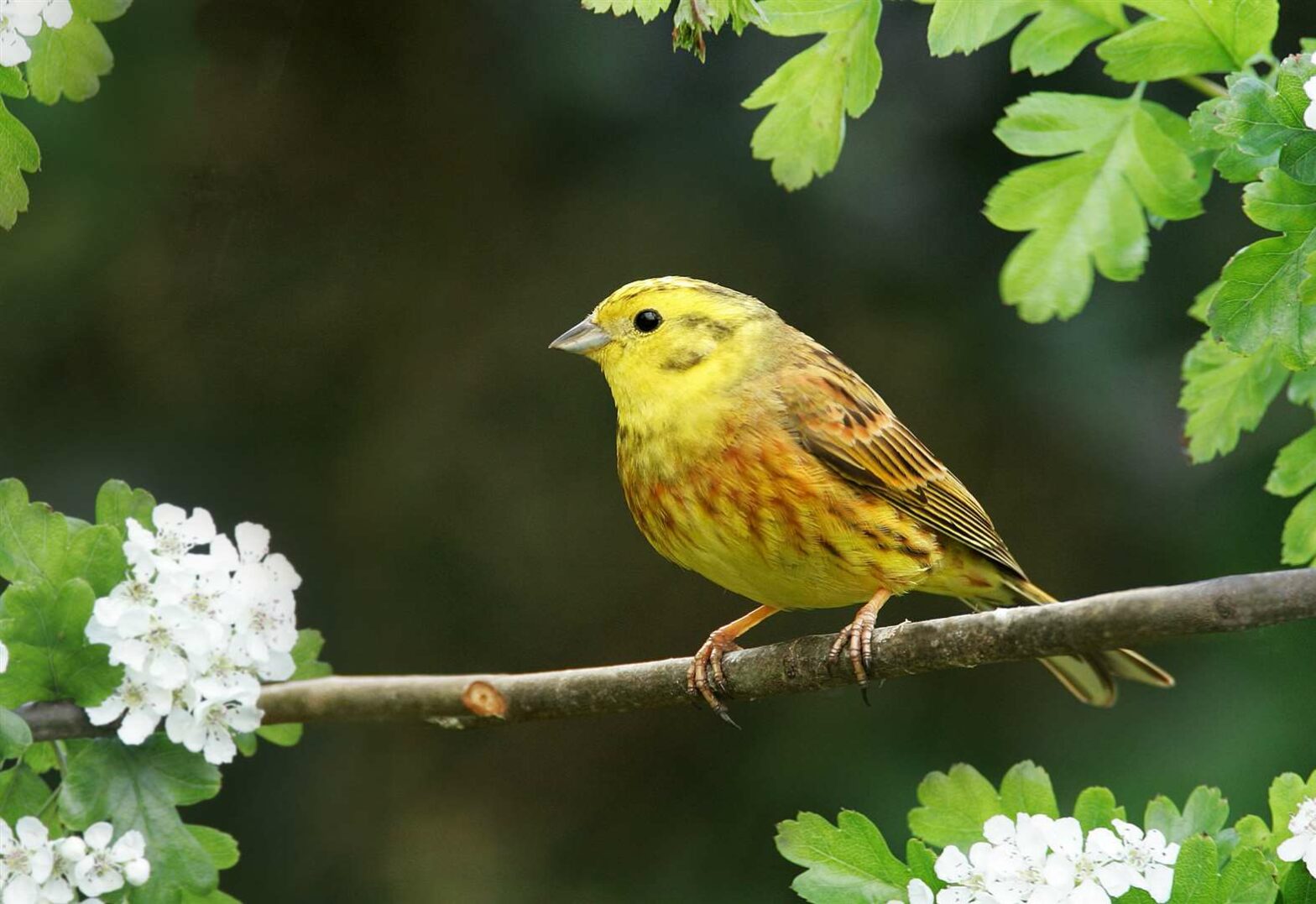
A yellow hammer. Photo John Smith (62192465)

While the SFI supports farmers choosing to take action for nature, we have reservations about the ‘free-choice’ approach planned.

Experience suggests that this approach comes with an inherent risk of poor outcomes.

We are therefore urging Defra to layout a clear route for encouraging and rewarding farmers to go further ­— delivering win-wins for both farming and nature.

Time and time again farmers tell us that confusion about the support on offer is a real barrier, so by setting out clear standards and offering a simple, standardised options, Defra can help ensure greater outcomes from uptake of the scheme.

We still need much more detail about how Defra plans to develop the Countryside Stewardship scheme and it will be essential that the right positive actions are targeted in the right place.

Land managers must also be supported to deliver actions suited to their local area. They also need access to trusted advice.

For farm payments to make a real contribution to restoring nature we need a step change on the level of ambition and investment in the years to come. Photo: Andy Jamieson

For Countryside Stewardship to deliver the ambition set by the Local Nature Recovery scheme, and make a significant contribution to nature’s recovery, there must be a step change in ambition for the scheme in the years ahead.

In addition to understanding how the proactive funding schemes will protect the environment and enhance biodiversity, we also need clarity on the future regulatory framework for farming. The current scheme, Cross Compliance, is designed to provide basic protections from the worst farming practices but only runs to 2024. Whilst far from perfect, it at least has clear baselines. Defra has so far provided no detail on how it will be replaced.

Defra is unquestionably at a crossroads in terms of the development of ELM, but the latest announcement represents a welcome, positive step in the right direction.

Together with partners such as the National Trust and RSPB, we look forward to working with Government to ensure that the future of ELM helps deliver the legally binding long-term targets for nature and climate and a sustainable, resilient future for farming.


[ad_2]