🖹 HASH-SUM: 8c2c4a3fc817e6774478436371950789 | 📅 Updated on: 2026-10-10
Processor: 1 GHz chip recommended
RAM: Needed: 4 GB
Disk space: 64 GB for install
Unlock the Full Potential of Your Blu-ray Collection
iFunia Blu-ray Ripper is a powerful tool that enables users to extract valuable content from their Blu-ray discs, allowing them to enjoy their favorite movies and TV shows on various devices. With its user-friendly interface and fast conversion speeds, this software has become a go-to solution for home users and professionals alike who want to back up or digitize their Blu-ray collections. Whether you’re a movie buff, a gamer, or a music enthusiast, this software provides the perfect solution for preserving your Blu-ray disc content.
Benefits of Using iFunia Blu-ray Ripper
* Fast conversion speeds, ensuring that you can enjoy your content quickly* Supports high-quality video preservation, ensuring that your content looks and sounds great* Batch conversion capabilities, allowing you to rip multiple discs at once* Customizable output settings, giving you control over the final product
Format
Supported File Types
MP4
mp4, m4v, mp4v
MKV
mkv, mkgv, mkmv
AVI
avi, divx, dvi
What Can You Do with iFunia Blu-ray Ripper?
• Transfer your favorite Blu-ray movies to your smartphone, tablet, or PC• Convert your Blu-ray discs to digital formats for playback on various devices• Enjoy high-quality video and audio playback on your preferred device• Create a digital library of your Blu-ray disc content for easy access
Common Questions About iFunia Blu-ray Ripper
* Q: Is iFunia Blu-ray Ripper safe to use?A: Yes, iFunia Blu-ray Ripper is a reputable software that has been tested for safety and security.* Q: Does iFunia Blu-ray Ripper support 4K Blu-ray discs?A: Yes, iFunia Blu-ray Ripper supports 4K Blu-ray discs, ensuring that you can enjoy the highest quality video and audio playback.* Q: Can iFunia Blu-ray Ripper rip multiple discs at once?A: Yes, iFunia Blu-ray Ripper offers batch conversion capabilities, allowing you to rip multiple discs at once.
Conclusion
iFunia Blu-ray Ripper is a powerful tool that has revolutionized the way we enjoy our Blu-ray disc content. With its user-friendly interface, fast conversion speeds, and customizable output settings, this software has become an essential tool for home users and professionals alike who want to back up or digitize their Blu-ray collections.
Patch enabling unlimited software usage without renewal
iFunia Blu-ray Ripper Portable + Activator [Stable] [Latest] Ultimate
Download license key generator with multi-format export
iFunia Blu-ray Ripper Crack exe Instant
Free key file replacement for broken installations
iFunia Blu-ray Ripper Crack + Activator [Lifetime] [x64] [Full] FREE
Keygen script includes randomized serial number creation
iFunia Blu-ray Ripper Portable + Crack Windows 11 [x32-x64] Latest
Download working activation method for legacy software
• Get the key bits of kit — a camera that performs well in low light, a suitable lens and a sturdy tripod • Get to know the best time (of year/night) to shoot your desired subject • Find a suitably dark location with an interesting foreground • Monitor stargazing, aurora, light pollution and weather apps for the best shooting conditions • Familiarize yourself with the best camera settings before you head out on a shoot • Experiment and break the rules • Don’t be disheartened if you don’t get the perfect shot first time — it takes practice
Taking photographs of the night sky can be such a rewarding yet emotional experience, and due to the challenging dark, usually cold and unpredictable conditions, it takes practice and patience to get the shots you want. In this guide, we will look at the key tips to compose the best astrophotographs possible and what you need to know before taking your camera out under a canopy of stars.
The night sky is ever-changing. Over the period of our lifetimes, light pollution has risen dramatically, and more of us are losing close connections to the heavens above. With the stark rise of satellite technology, it is estimated that by the year 2025, there will be more satellites visible than stars in our view of the night sky. Now more than ever, it is so important to look up to the stars and recognize our sense of place within the universe and capture these moments the best we can. From shooting the Milky Way to the dream-like Northern Lights, this guide has you covered.
Gear choice and framing
Windmills are the perfect foreground for capturing star trail rotations — this is Ashton Windmill, Somerset, UK. (Image credit: Josh Dury)
You don’t need ‘all the gear’ to create stunning astro shots; you can get stunning results from your camera phone with practice. However, if you want to use a ‘proper camera’ you will need one that performs well in low light, or even better, one of the best cameras for astrophotography. Currently, we’d recommend the Nikon Z8 as the best camera overall and best camera for astrophotography because of its phenomenal features, highly detailed sensor and fantastic ability to manage high ISO noise that comes with shooting the dim starlight at night.
Best tripod for astro
(Image credit: Benro)
We’ve named the Benro Mach3 TMA37C as the best tripod for astrophotography overall because of its intuitive operation and sturdy leg locks for stability and steadiness.
When heading out on location, it is always advised to have a dual LED flashlight or headlamp (one with a white LED and a red LED). A red light is crucial for preserving your night vision. Two of our favorite models are the BioLite Headlamp 425 and the Nitecore NU31.
A strong, robust tripod is a must for most astrophotography, especially when taking long exposures; you simply won’t get the results you want without one. Take a look at our best tripods for astrophotography guide to see which best meets your requirements. Aluminum tripods are very robust and generally cheaper than carbon fiber models, but the latter are much lighter and easier to carry around. You want a tripod that can withstand wind interference, which can occur with a change of wind direction or speed when shooting long exposures.
For landscape shots, we prefer to use a wider lens — somewhere in the region of 14-24mm focal length — to gather more light when capturing fainter details and nebulosity. We really rate the Sigma 14mm f1.8 DG HSM ART. That said, taking a variety of lenses can be desirable so you can experiment during your shoot. Sometimes a mid-focal-length lens (50mm) can be useful to stitch together a panorama of images to create a higher-resolution image. This process takes more time but the results deliver.
A telephoto lens (ranging from 70-600mm) may be considered for lunar photography to provide a narrower field of view and to ‘zoom in’ on your subject. Foreground subjects can illustrate narrative so it is the photographer’s decision whether to shoot horizontally or vertically. Read more about the best lenses for astrophotography and how to choose one in our handy guide.
You need to be physically prepared for the elements when taking images outdoors at night. Wear gloves (ideally well-fitting and grippy), a hat and take warm drink. Most importantly, layer up — the more layers, the better, as the temperature is likely to drop the later you photograph into the night. It’s better to make extra provisions than make too few.
Related: Best cameras for astrophotography
Location and timing
The lighthouse at the forefront of the image makes for an interesting composition alongside the Milky Way — Dorset, UK. (Image credit: Josh Dury)
When capturing images of the night sky, the light we see from distant stars has, in many instances, traveled thousands, millions and even billions of light-years through space and our home galaxy, the Milky Way. When photographing such fragile starlight, the location we determine to capture images from is very important. Primarily, we need to steer clear of the unwanted impacts of light pollution from nearby towns and cities and find something interesting, be it a rock, building, tree, windmill or so on, to sit in the foreground of our shots.
Discover the best stargazing apps
We’ve done all the hard work for you, our team of experts have rigorously tested and reviewed the Best stargazing apps to help you navigate and photograph the night sky. Our top pick overall is SkySafari 7 Pro scoring full marks in our review.
Light pollution is the result of lights shining into the atmosphere — especially prevalent in urban areas — which reduces the contrast of the night sky and inevitably, reduces the amount of visible stars we can observe and capture. If you can’t get completely away from light-polluted areas without traveling huge distances, using one of the best light pollution filters will give you a helping hand. They block specific wavelengths in the visible spectrum of light associated with skyglow.
If you are lucky enough to be able to travel to a protected Dark Sky Reserve, the view of the universe is outstanding. Being designated protected areas, regulations are enforced to minimize artificial light. We can see so many more stars and details within the spiral arms of the Milky Way — so much so it is even difficult to distinguish the major constellations within them.
These are sought-after locations for astrophotographers, but even so, a short drive away from the city lights is urged to get the most out of your astro shots and in turn provide everyone who sees our photos with an appreciation for the dark sky sites we have left — where we can still view our window to the universe in stunning clarity.
The Geminids Meteor Shower photographed above Stonehenge, though the image would be fantastic without, these ancient stones add a new dimension to the image. (Image credit: Josh Dury)
We have put some of the best locations for astrophotography into a handy guide and also compiled a list of the best stargazing apps that will help you find the ideal spot in the best conditions. Plenty of Light Pollution Maps can be accessed online or by using smartphone apps listed in the aforementioned guide. Such tools show us what is known as ‘The Bortle Scale’ for a certain area. On a scale of one to nine, one is the darkest skies with zero to no light pollution, compared to nine — intense levels of light pollution, typically associated with major cities.
Moon phases
Alternatively, if the Moon is your desired subject, make sure to look out for lunar phase calendars to know the exact timings of fuller lunar phases as well as rising and set times. Take a look at Space.com’s moon phase reference page.
When capturing images of the night sky, you need to consider the different factors that will be at play for different astronomical subjects. For example, if capturing landscape images of the Milky Way, we need to discover where it will be most visible without unwanted distractions in the frame and we’ll need a clear night. Ideally, we want to head out around the time of the New Moon. This is a time when no (or very little) sunlight is reflected off the lunar surface and thus when the darkest skies can be seen during a given month, making the Milky Way look its most impressive.
Space.com has a continually updated Space calendar detailing events of pertinent skywatching events such as lunar eclipses and meteor showers, with links on where best to see them (and how to find them), how long they will last, and so on.
The Milky Way captured above the ruins of Corfe Castle, the composition shows the vastness of the Galaxy — Dorset, UK. (Image credit: Josh Dury)
As our planet revolves around the Sun, we observe different areas of Space throughout the year — exhibiting the winter constellations (Orion, Taurus, Auriga, Canis Major etc) from winter through to spring where nights are at their longest, and the Milky Way season throughout the summer months when nights are at their shortest.
It is good practice to plan ahead and have a basic awareness of targets to view in the night sky and when they appear; from the planets to constellations, the names of brighter stars, and the amount of time you have to photograph the heavens; also known as ‘astronomical darkness’.
Good astronomy apps like Stellarium and PhotoPills are the go-to apps to determine what is visible to you in the night sky on a given night, the moon phase of that time and for how long you can capture images at certain times of the year. They will also help you to orientate your camera setup, i.e. which way to point the camera if your subject isn’t obvious using your naked eye.
The Northern Lights, alongside other extra-terrestrial phenomena, are unpredictable, so it is useful to have the latest aurora apps downloaded on your smartphone to determine the likelihood strength of the aurora on a given night if capturing this is your aim. We must also consider the ‘normal’ weather forecast — it is good to reference a number of forecasts as each will differ slightly — we’ve found Ventusky to be a reliable site for providing accurate up-to-date weather information. The last thing you want to happen is to prep for a night under the stars only to find yourself under thick cloud cover or worse, in heavy rain.
Compositional Basics
Northern Lights imaged from Tromso, Norway. Choose to shoot portrait to ‘show off’ more of the sky, especially when the Northern Lights are putting on such a beautiful display. (Image credit: Josh Dury)
A general rule of thumb for creating compositionally strong astro-images is to use the rule of thirds. The rule of thirds is a composition guideline that divides an image into nine equal parts by two equally spaced horizontal and vertical lines (if you don’t have a grid on your camera, you can imagine one). The important compositional elements (i.e. your subjects) should be placed along these lines or their intersections. This creates a more balanced and visually appealing composition than simply centering the subject. The person viewing the image will be drawn to the points of interest in your image, both astronomical and foreground subjects.
Centering the subject is typically not attractive, and what’s more, you could miss out on other interesting objects that sit just outside your field of view by doing so.
Always be mindful of ’empty space.’ If using the rule of thirds, this should inherently not be a problem — what it means is having all of the ‘interesting’ elements of your photo in one area, leaving large uninteresting spaces in the rest of the image. In other words, don’t stack all of the interesting subjects on one edge of your image and forget about the other side.
As with all photography, the composition of your shot has to be revised each time you take out your camera. Your composition can be determined by the location you are shooting, any interesting foreground objects, the weather, where other photographers might be standing, or the appearance of an astronomical event (such as seeing the Northern Lights). Your goal is to create a close relationship with your subject, to understand the dynamics of what you are shooting and ultimately, create your own sense of identity within your images and your perception of the universe.
Experiment with different angles and distances from the foreground subject, and try the same shot with portrait and landscape orientations to see which works best. Ultimately keep experimenting until you have an interesting image that you are happy with that will draw other viewers in.
Perfecting the shot
(Image credit: Getty Images)
Getting great astrophotographs is a result of a lot of practice and a lot of trial and error. Sometimes, some images and the environment work; other times they do not. For example, an unexpected bright object in the form of car headlights appearing over the horizon or an astrophotography honeypot during an exciting celestial event that makes it difficult to find your own ‘other photographer-free’ spot, potentially causing frame distraction within your images. A sudden temperature drop may result in your equipment being ‘fogged’.
As a result, astrophotographers have to be both prepared and to make compromises. If there are unexpected changes, you may have to reconsider how you shoot your composition or otherwise make a fine adjustment to your tripod head so that any defects are out of the field of view. Does it follow the same narrative if, say, photographing the Milky Way above your subject? Do you have the equipment to prevent fogging lenses, such as a lens heater? All of this comes with experience and the closer you become to your subjects, the more you get to know them and what you need to adjust. Before you know it, your workflow becomes second nature.
Tips on camera settings
How to focus
Most cameras can’t automatically focus on objects in the night sky because it is so dark. We have to do this manually. There is a tried and tested technique for doing so, as follows:
Find the brightest star/planet in your field of view (on the screen), zoom in and navigate to it. Make sure your camera is set to manual focus and not autofocus.
Turn the focus ring until the star/planet appears as a sharp pinpoint of light (rather than a circle). On the screen, zoom out again and don’t adjust the focus for the remainder of the shoot unless it is obviously out of focus or has been knocked accidentally, or if you want the focus to be on something else, i.e. a rock, person or structure in the foreground.
Exposure (aperture, shutter speed and ISO)
Here, test shots are crucial — take some test shots and check your exposure using the histogram. The histogram gives us a visual representation of the brightness values of all the pixels in our photo; it’s best to use this method, as relying on the screen alone isn’t always reliable.
If all of the ‘mountain peaks’ in the graph are on the left, the image is too dark; on the right, it’s too bright. We’re aiming for most of the peaks to be on the left but with some data nearer the middle of the histogram (meaning the image is dark but with points of light).
Make adjustments as necessary — a wider aperture (lower f-stop number) will gather more light and, when dealing with something as dark as the night sky, we need that as wide as possible — if the lens you’re using opens to f/2.8, set aperture to f/2.8.
The shutter speed determines how long the image sensor is exposed to light. To see stars as pinpoints of light, a shutter speed of 1/2 sec or faster is required, which means the image sensor’s sensitivity to light must be increased dramatically. The slower the shutter speed, the more light is gathered, but if you leave the shutter open for too long, you will start to see some movement — of course, this is a desired effect for things like star rotations.
You can use the 500 rule to determine the rough exposure length before you start to see star trails in your images. Take 500 and divide it by the focal length (in millimeters) of your lens. I.e. 500 / 24mm = 20.83 seconds of exposure before star trails are noticeable in your photos.
It is a good idea to use the camera’s inbuilt exposure delay (self-timer) or use a remote release to minimize the risk of camera shake.
If it’s too dark and you can’t open the aperture wider, slow the shutter speed down further. If that still doesn’t work, raise the ISO, but be mindful not to bump it up too much, as too much image noise can be tricky to edit out in post-processing.
Post-processing
Sometimes there are defects within your astro images that you will simply not notice when shooting in low-light environments so it may be necessary to edit your images post-shoot using one of the best editing apps for astrophotography. You can adjust colors (often to pull out detail from the darker shadows), crop your images and even revise your composition. The main thing to remember is to have fun when taking your astrophotos and experiment with them — always be prepared to expect the unexpected and don’t be too hard on yourself if you don’t get the shots you want on the first outing.
In a world where chaos seems to reign and uncertainty looms at every corner, finding moments of tranquility becomes precious. At times like these, we yearn for a sense of order, no matter how fleeting it may be. Fortunately, amidst the vast expanse of the internet, there exists a sanctuary for order-seekers – the r/PerfectFit/ subreddit.
This online haven is dedicated to showcasing a plethora of perfectly fitting things, providing a delightful respite for those craving harmony and precision. It’s a place where the meticulous alignment of objects can bring a smile to your face and calm to your soul. Each post not only restores a bit of order to our lives but also resonates deeply with the perfectionist in all of us.
Amidst the whirlwind of global events, take a moment to indulge in the sheer satisfaction of these ‘perfect fits’ featured in the gallery below. Let the symmetrical beauty of these harmonious unions bring a sense of peace to your day.
Scroll down and enjoy yourself. All photos are linked and lead to the sources from which they were taken. Please feel free to explore further works of these photographers on their collections or their personal sites.
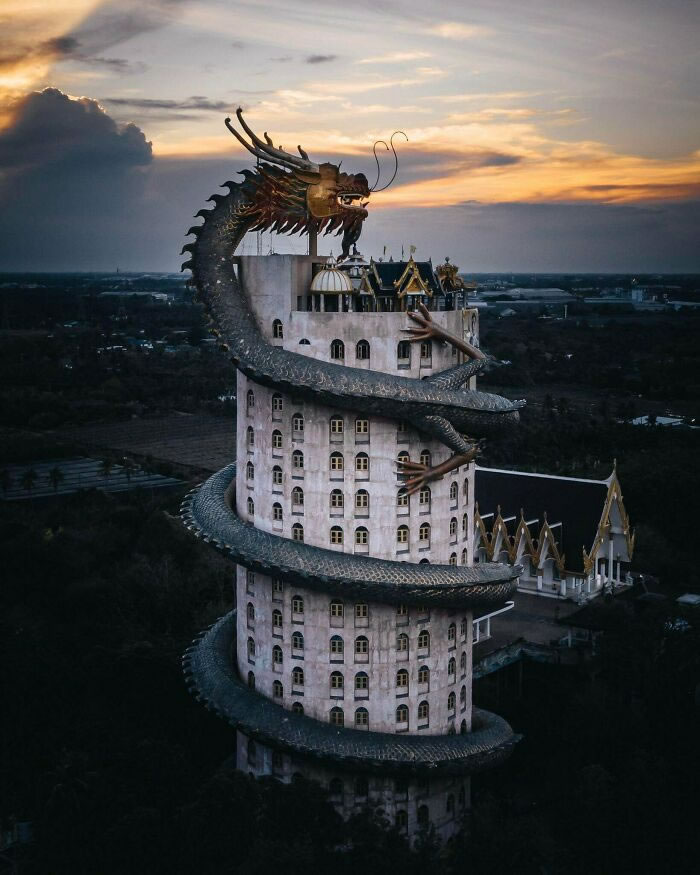
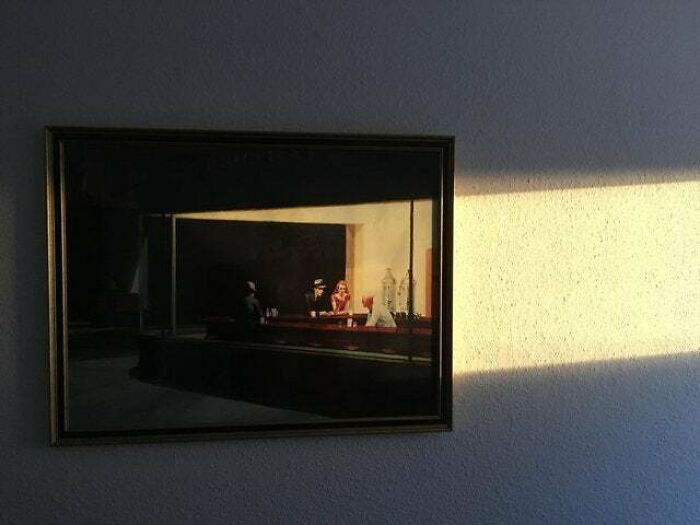
#1 The Sunset’s Light
Image source: reddit.com
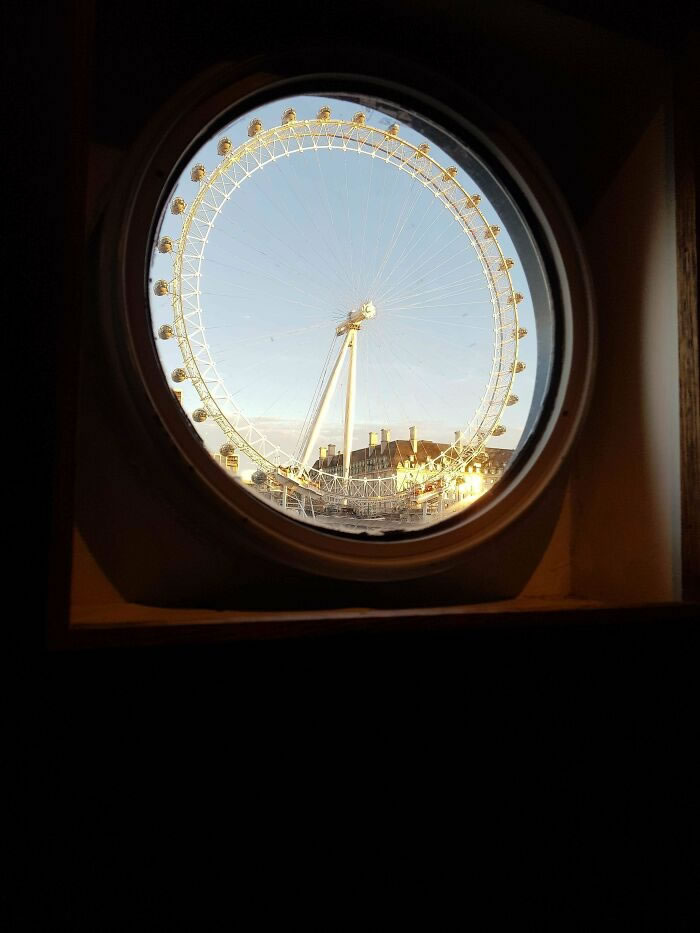
#2 I Picture I Took Of The London Eye Through The Window On A Boat On The Thames
Image source: reddit.com
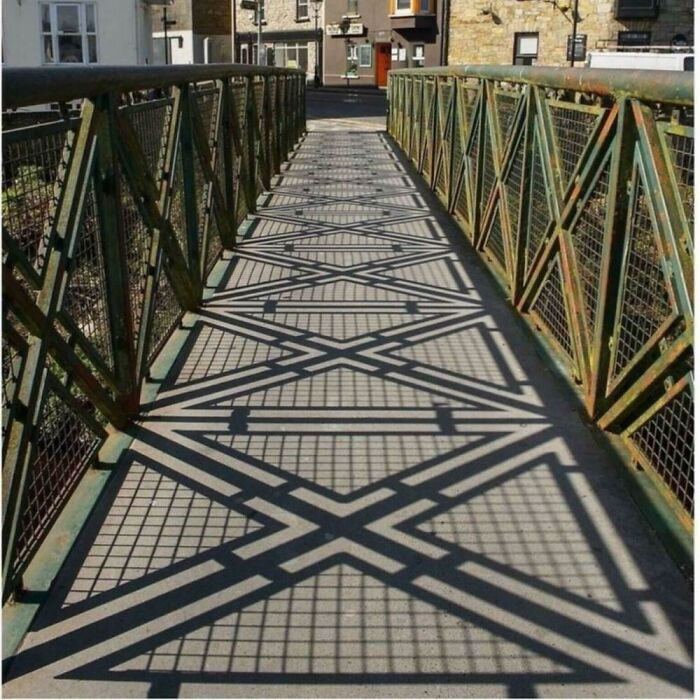
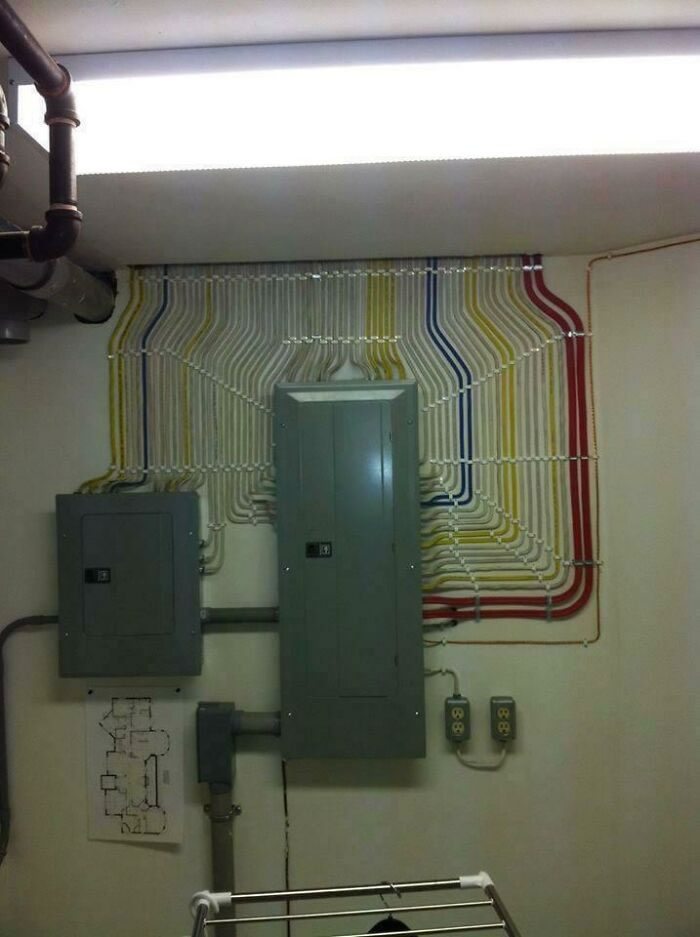
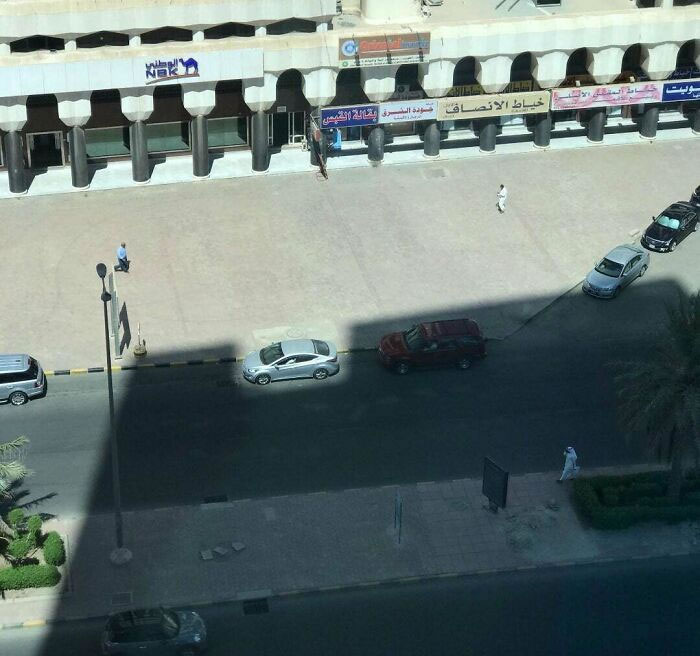
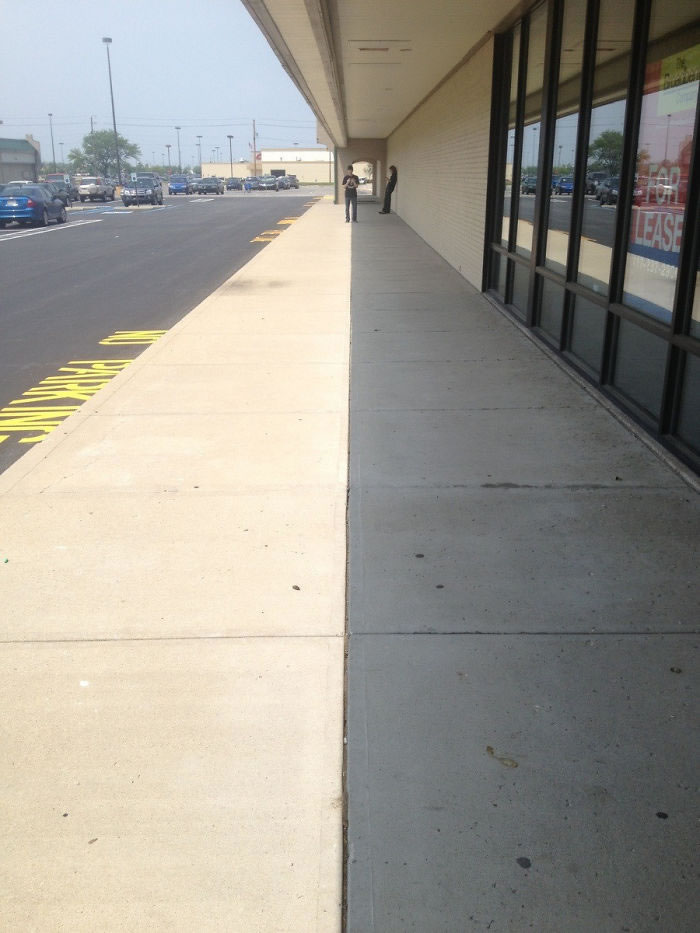
#3 The Shadow On The Walkway…
Image source: reddit.com
#4 Just Some Dam Sexy Work
Image source: reddit.com
#5 Belongs Here I Thought
Image source: reddit.com
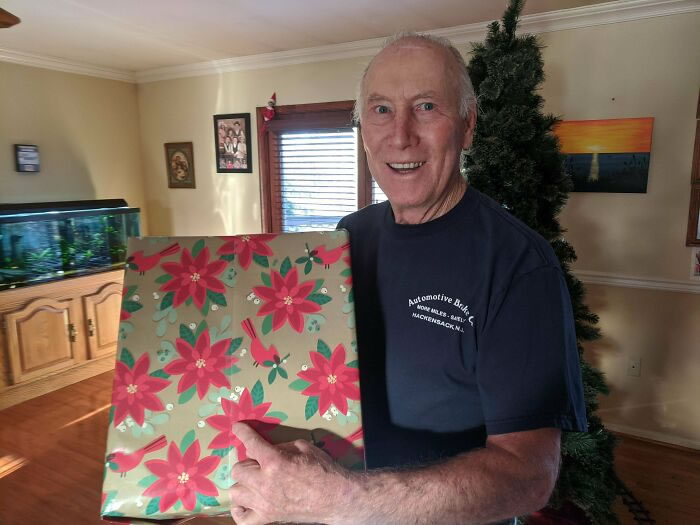
#6 Poppop Is Super Excited To Share His Box Wrapping Seam
Image source: reddit.com
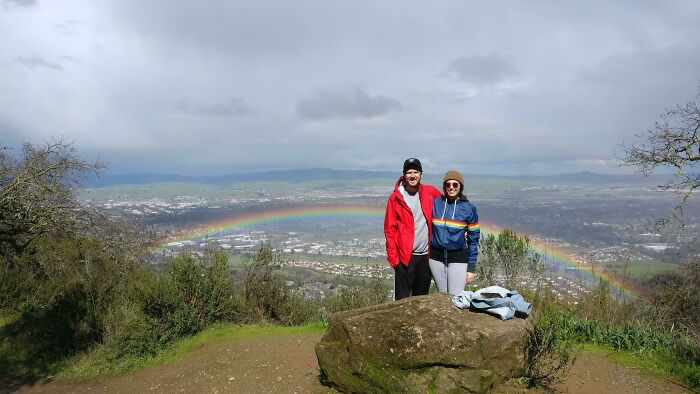
#7 My Wife Was Wearing The Right Jacket At The Right Time. Pleasanton Ridge, Ca
Image source: reddit.com
#8 This Image
Image source: reddit.com
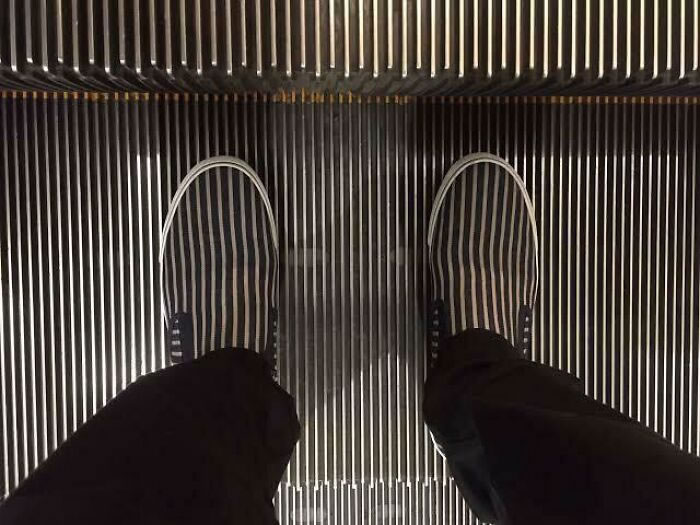
#9 These Shoes
Image source: reddit.com
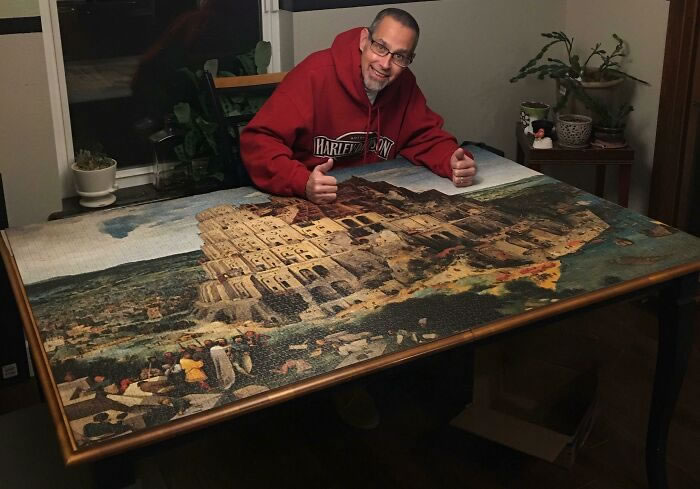
#10 5000 Piece Jigsaw Puzzle On My Dining Table. Corner To Corner And Edge To Edge
Image source: reddit.com
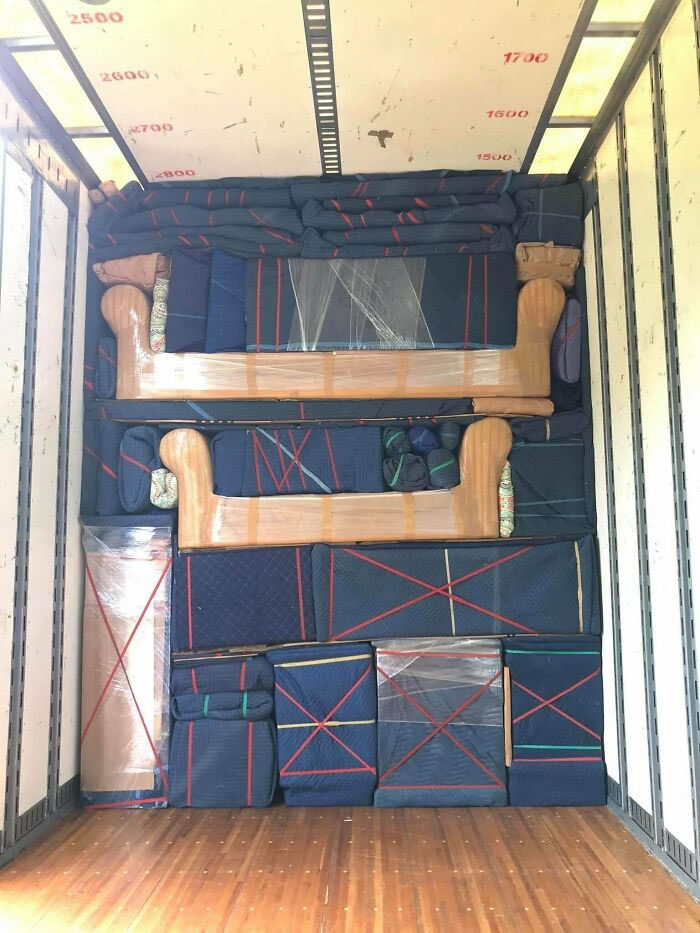
#11 Loading Like This Takes Skill, Vision, And Teamwork In The Moving World. Mad Respect To Those That Take Pride In Their Work
Image source: reddit.com
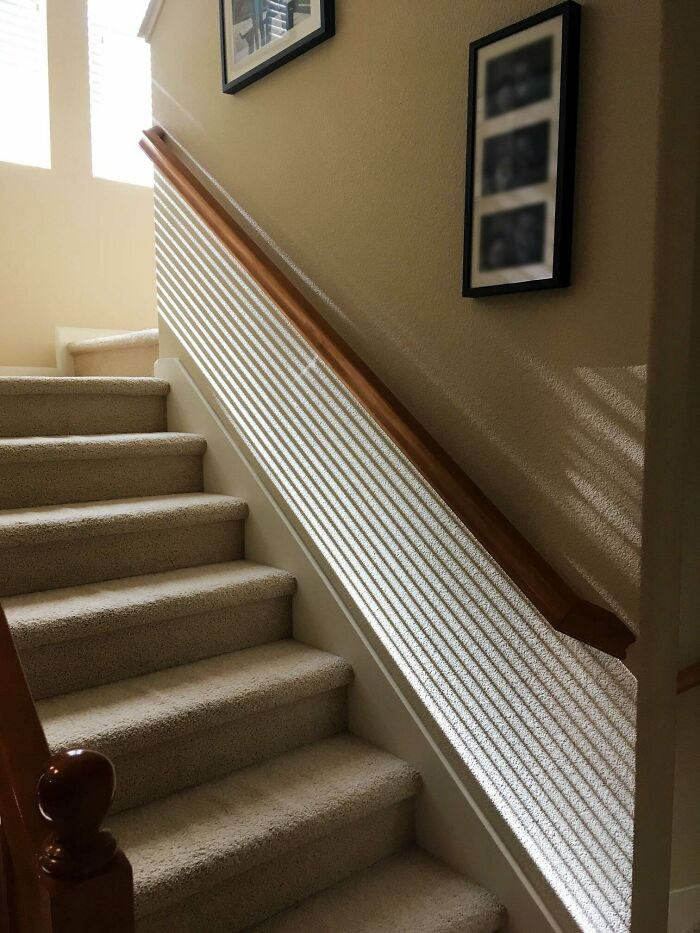
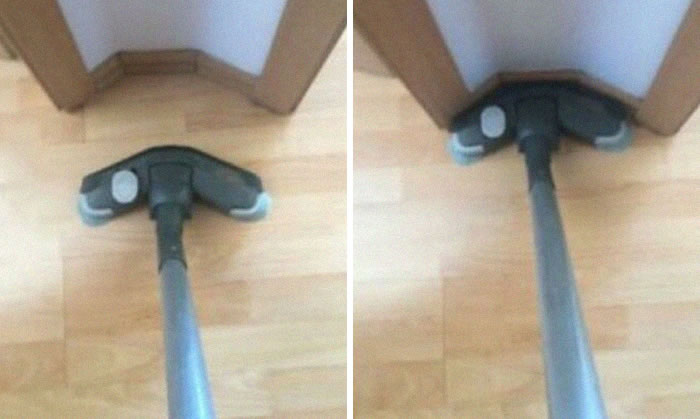
#12 My Window Blinds Cast Lines At The Same Degree As My Handrail
Image source: reddit.com
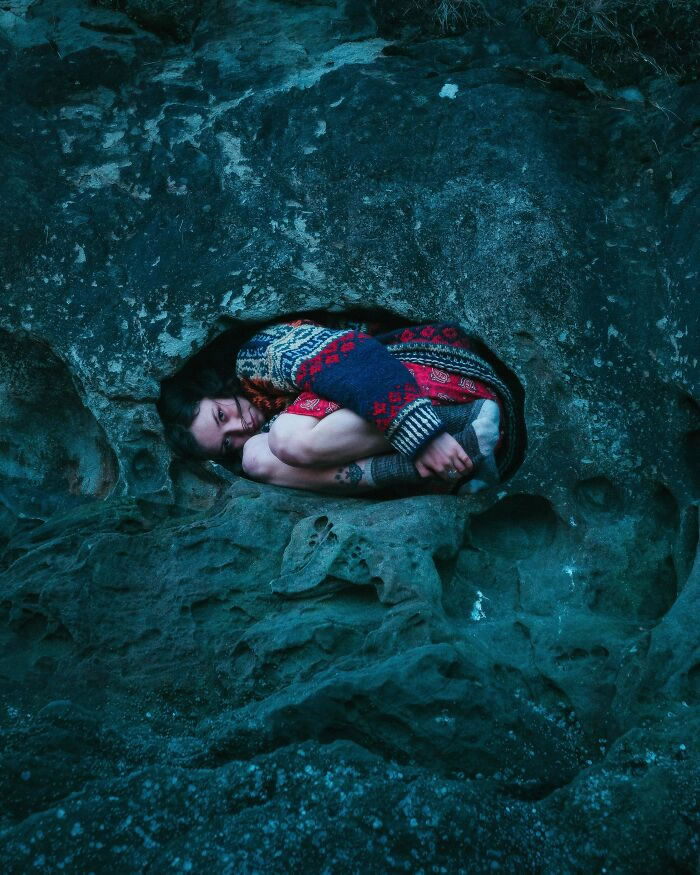
#13 My Friend In This Rock Wall Nook
Image source: reddit.com
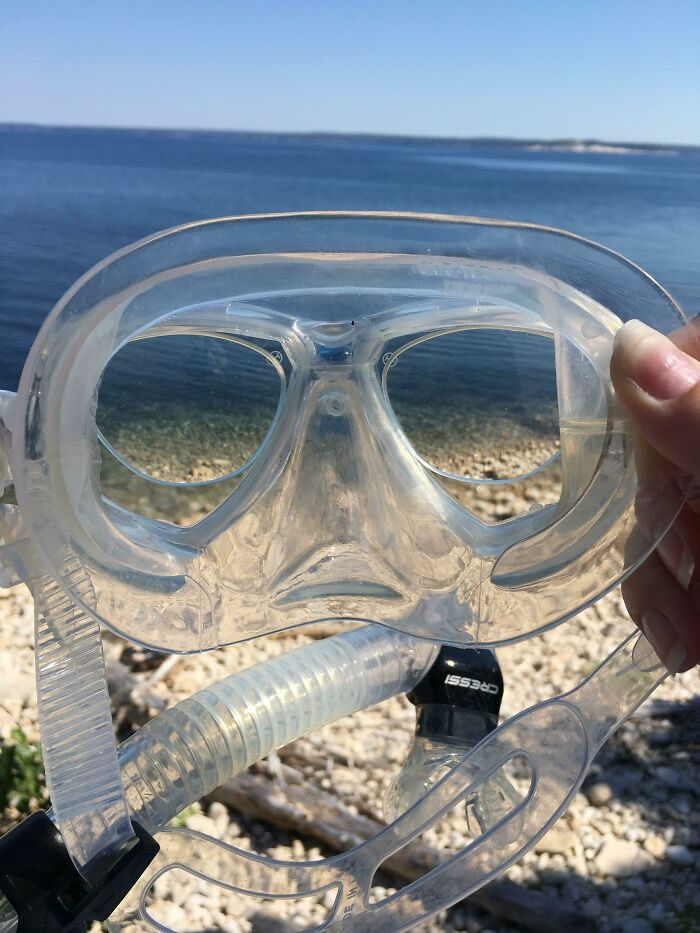
#14 Had A Pair Of Prescription Lenses Which Fit Perfectly In My Mask. I Could See All The Fishies Clearly!
Image source: reddit.com
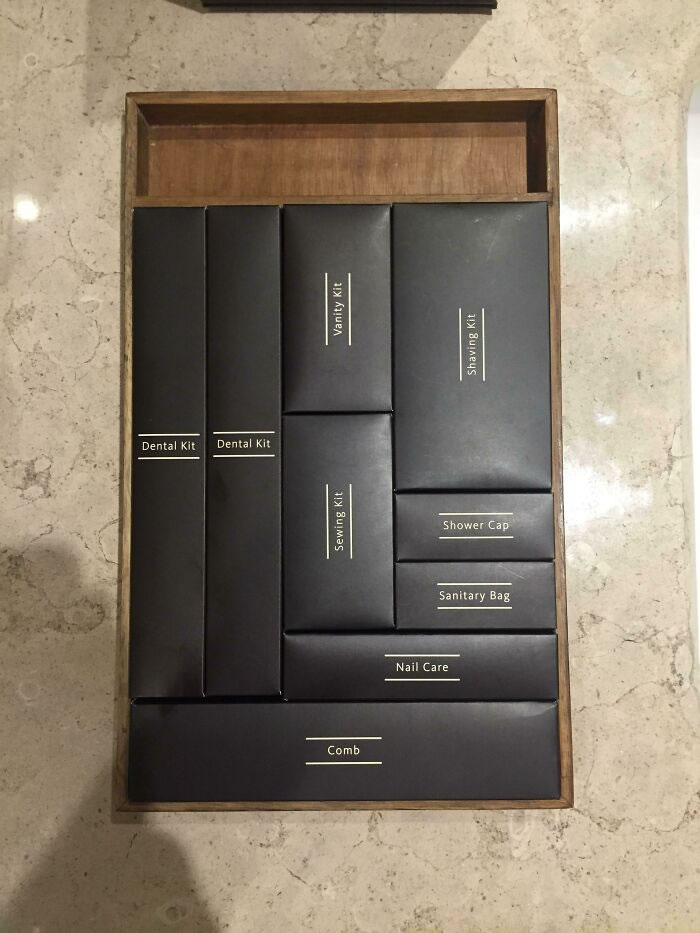
#15 Finally, A Hotel That Understands
Image source: reddit.com
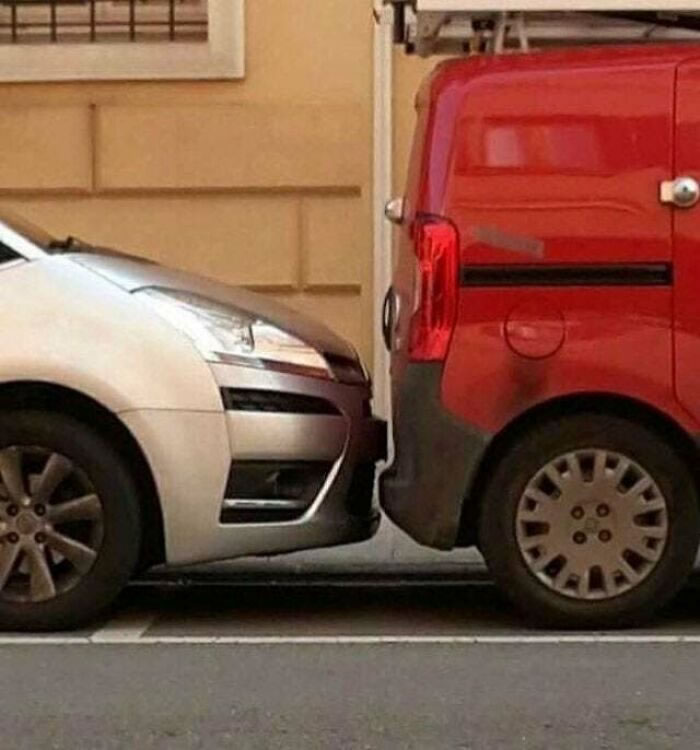
#16 God Has Chosen This Vehicle
Image source: reddit.com
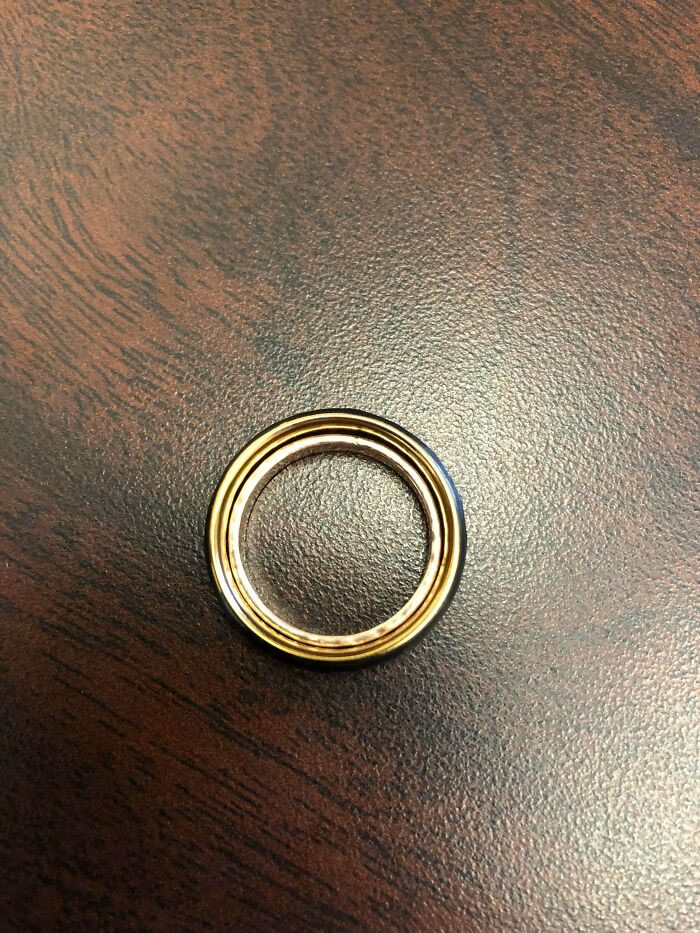
#17 My Wife’s Wedding Ring Inside Of Mine
Image source: reddit.com
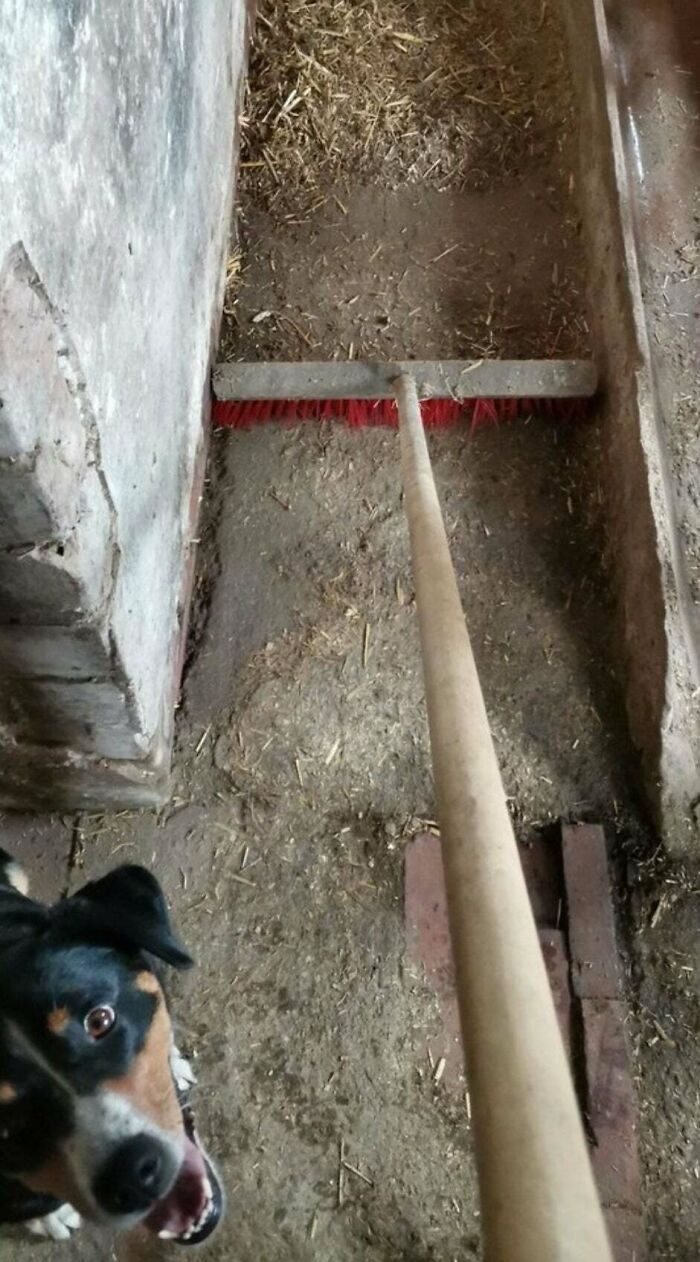
#18 He Is Equally As Excited As I Am
Image source: reddit.com
#19 Someone On My Yard Sale Group Bought This Sarcophagus Without Measuring And Found Themselves With A Perfect Fit
Image source: reddit.com
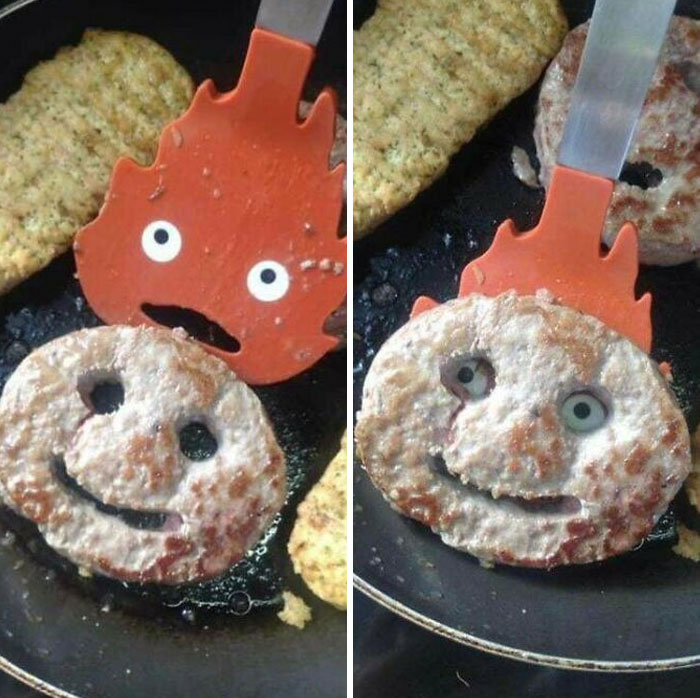
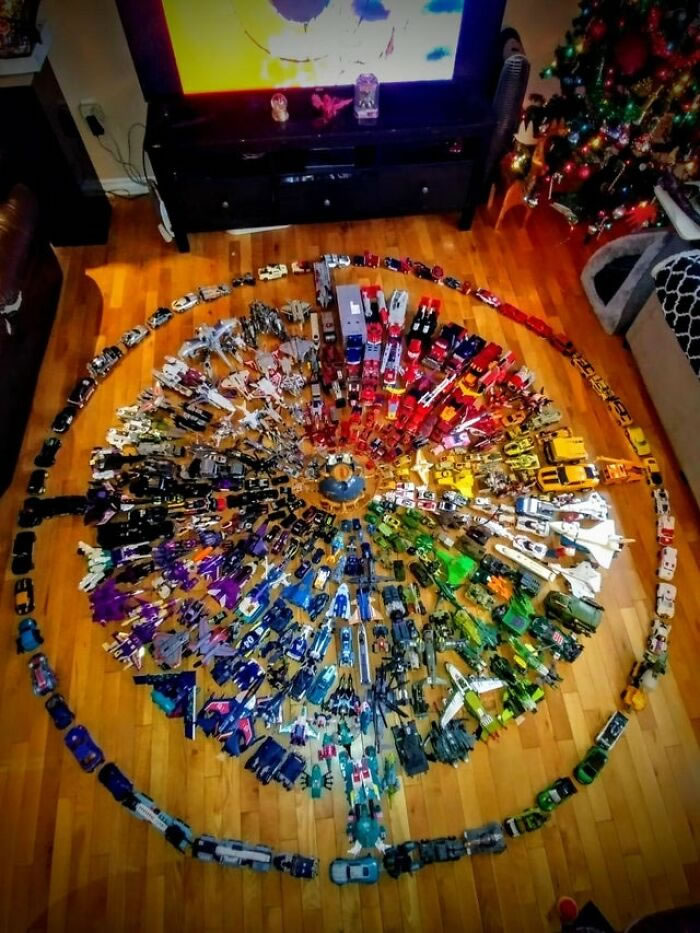
#20 Calcifers Mask
Image source: reddit.com
#21 What Do You Say About This
Image source: reddit.com
#22 Some Covid Art I Did
Image source: chachisco
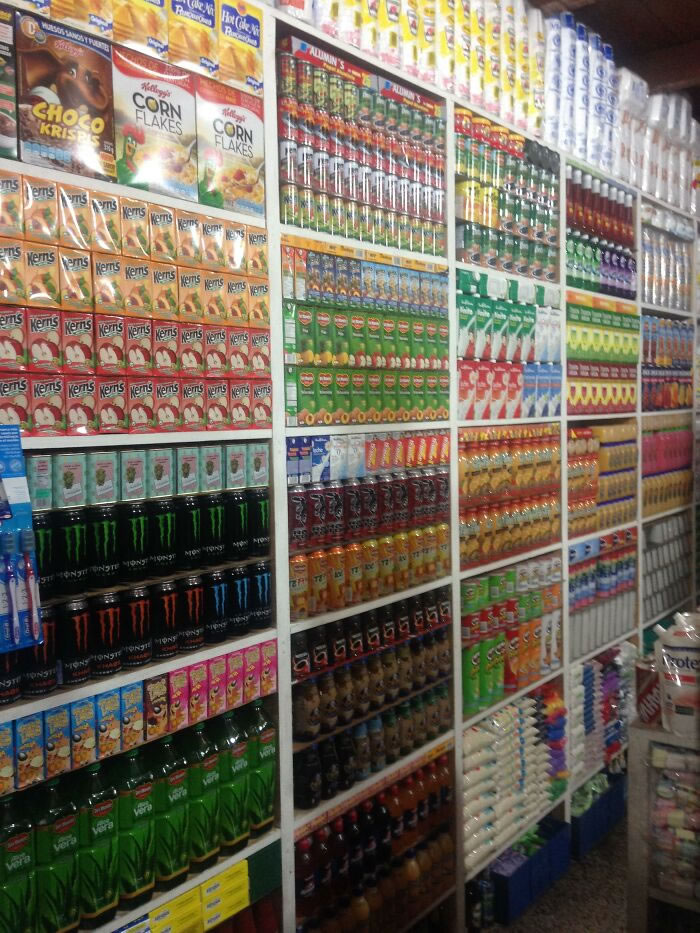
#23 The Shelves In This Store
Image source: reddit.com
#24 I Don’t Know Does It Fit Here
Image source: reddit.com
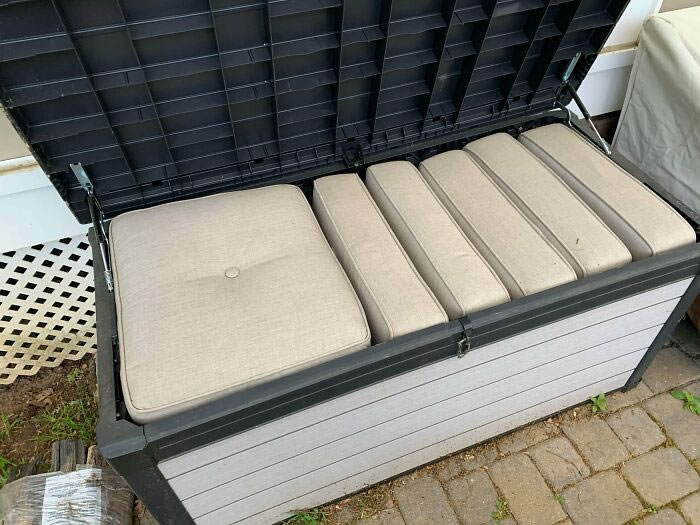
#25 Bought This Storage Box For Our Seat Cushions Thinking It Was More Than Big Enough, This Is Every Cushion
Image source: reddit.com
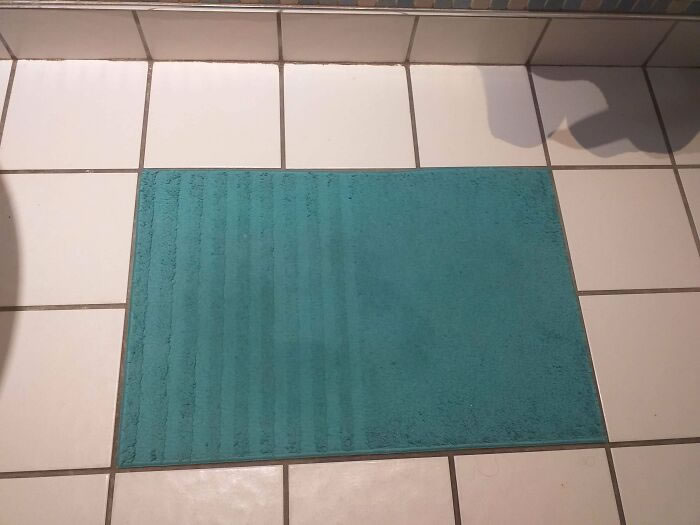
#26 I Washed My Linens And Rugs, It Took Me A While To Find My Missing Bath Rug
PHOTO PROVIDED
Shown is a spider on a web. Spider silk is extremely thin, yet is also incredibly strong.
Have you been decorating for Halloween? Well, Mother Nature has been busy.
One morning when the dew was on the ground our daughter Holly looked out the window to see one of nature’s Halloween decorations, their lawn was covered with spider webs. Although the webs had been there all along, they were not visible until the morning dew highlighted them.
Later, the sun comes out and dries up the dew, and the spider webs appear to magically disappear.
No spooky Halloween decorations would be complete without cobwebs. Cobwebs often conjure up images of creaky old houses and dark attics where scary things might lurk. However, if you look around your own clean and well-lit house, chances are you will find a few cobwebs.
The mysterious tangles of sticky thread seem to appear out of nowhere, no matter how many times you use the duster on those upper corners. There’s not a spider in sight, so where do cobwebs come from? Could there be some supernatural involvement after all?
Our home, which was built in the early 1900s, seems to attract spiders. Mary Alice does not like spiders and if she sees one high on a wall or on the ceiling, I will hear her yell, “Bill, come get this spider.”
Through the years, Mary Alice had even offered a nickel to our children and grandchildren to find spiderwebs in our home. She very seldom goes into our basement due to the cobwebs that seem to develop overnight. Recently, she asked me what the difference is between a cobweb and a spiderweb.
Many people have a fear of spiders. This fear is often blamed on the Little Miss Muffet nursery rhyme.
“Little Miss Muffet sat on a tuffet eating her curds and why. There came a big spider. Who sat down beside her. And frightened Miss Muffet away.”
The fear of spiders, which is known as arachnophobia, is one of the most common phobias in the world and one of the oldest recorded. It is estimated that roughly one third of the entire world population has arachnophobia. More women than men seem to suffer from arachnophobia.
The origin of the word arachnophobia is Greek and is derived from the word arachne, which translates to spiders and phobos, meaning to dread or to fear.
Cobwebs are simply abandoned spider webs. There are two types of spiders. Web-building spiders that spin webs for catching prey, and wandering spiders that chase after their prey, rather than building webs. Over time this dust accumulation weakens the web and forces the spider to abandon the web and build a new one. This is why you never see a spider on a cobweb, even though the spider is responsible for its creation.
Our word cobweb comes from Old English coppeweave and originated sometime in the 14th century. Coppe comes from attercoppe, which means spider or literally venomous head. The word web also has its origins in Old English and means tapestry or something intricately woven.
The word spider goes back to the Old English word spinthron, which means spin. The word spin is a general Germanic word that goes back to the Indo-European base word spen or pen, meaning stretch.
Spiders have long been celebrated for spinning silk from their bodies. They belong to the class of animals known as Arachnid, from the Greek word arachne, meaning spider. It commemorates the name of Arachne, a Lydian Princess, who became so expert in the art of weaving that she dared to challenge Athena to a test of skill. Arachne’s work was flawless but that of Athena was perfect beyond attainment of mere mortals.
Arachne was so humiliated that she attempted to hang herself, but the noose was loosened to become a cobweb, and the maiden was changed into a spider and condemned to perpetual spinning.
Spider silk is one-hundredth the size of a human hair and one hundred times stronger than steel of the same size. Some of the threads will stretch one-half their length before breaking. While the thinnest lines are only one-millionth of an inch wide and invisible to the human eye, other lines are much heavier.
Glands in the abdomen of the spider produce fluids that harden in the air and form silk. The outlets from these glands are at the end of the abdomen and are called spinnerets. The spinning organs of the spider are fingerlike appendages that are tipped with many tiny spinning tubes and a few large ones called spigots. There are at least seven distinct kinds of spider glands known; thus, spiders have the capability of producing various types of silk. Compare the way spiders produce silk to the way silk is produced by insects, such as caterpillars, and you will find that insect silk comes from the mouth.
There are 240 species in the 21 groups of spiders in North America. This number changes constantly because new spiders are still being discovered.
I recently walked into a large spider web, and immediately began to jump about as if a swarm of hornets were after me. At the same time, I was wiping my head in an effort to remove the sticky spider web.
If Mary Alice had seen this, she would surely have said, “I thought you were not afraid of spiders.”
Bill Bower is a retired Pennsylvania Game Commission Wildlife Officer. Read his blog and listen to his podcasts on the outdoors at www.onemaningreen.com.
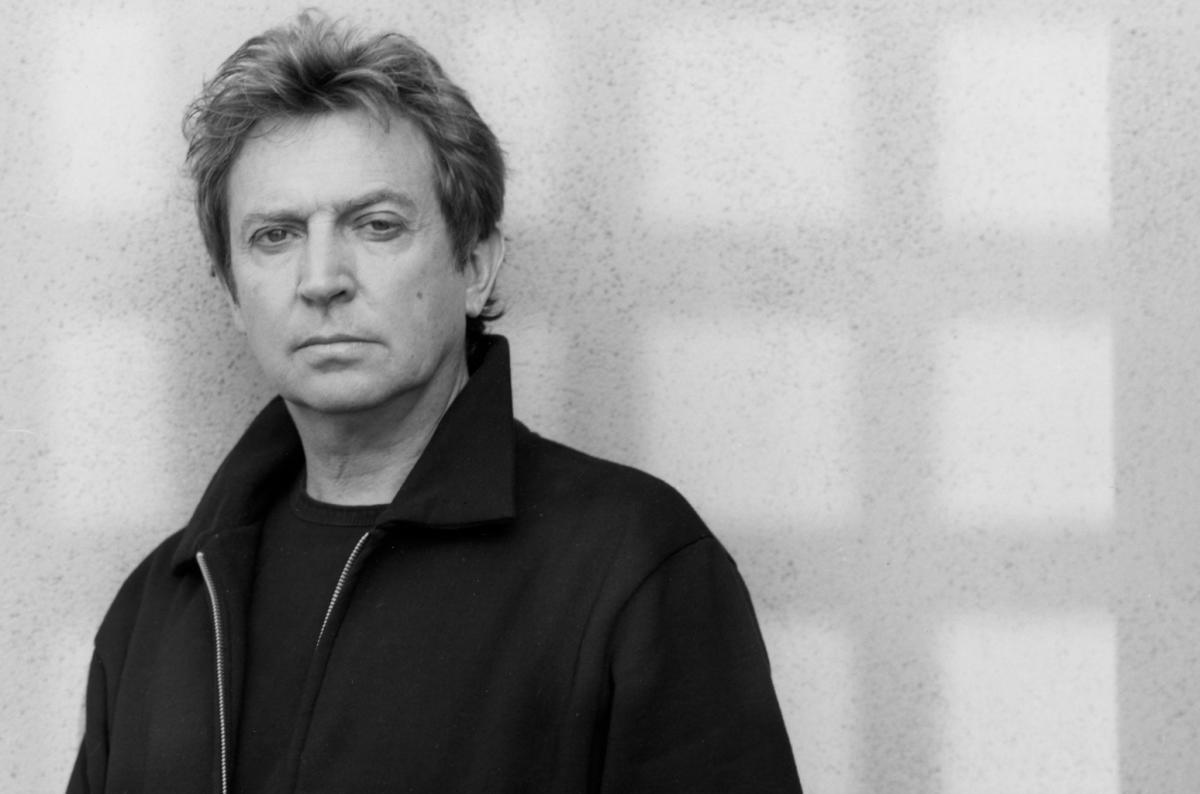
’ love for photography started in New York in 1979. He was three years into his career as the guitarist for The Police, the British trio that quickly became a sensation with its 1978 debut album, Outlandos d’Amour (“Roxanne,” “Can’t Stand Losing You”) and 1979’s Regatta de Blanc (“Message in a Bottle,” “Walking on the Moon”). The band was constantly surrounded by photographers, and Summers began to get interested in their equipment.
“Suddenly it occurred to me: I should get a really good camera,” he tells Billboard’s Behind the Setlist podcast. “I’m on the road. I’ve got all this time. I mean, the only real commitment I have is getting to the gig and playing a couple of hours however many nights a week. Then there’s all this downtime, particularly in the U.S.” Summers bought a Nikon camera at a B&H Photo Video store in New York City and quickly began studying photography books and talking to people about the craft. “Immediately it became a complete obsession,” he says.
More from Billboard
It turned out that playing the guitar wasn’t the only thing Summers was good at. “I seemed to have a natural aptitude [for photography],” he says, ”a knack for it.” Summers released his first book of photography, Throb, in 1983 and documented his time in The Police with 2007’s I’ll Be Watching You: Inside the Police. 1980-83. His latest book of photography, A Series of Glances, was released in May by German publisher teNeues Verlag.
Now Summers is combining his two passions on his North American tour, A Cracked Lens + A Missing String, that runs through the East Coast, West Coast and Canada before culminating in four dates in Florida in December. The show — Summers performing solo while his photography is displayed behind him — spans The Police (“Roxanne,” “Tea in the Sahara” and “Spirits in the Material World” are regularly played), original solo works (such as “Triboluminescence” and “The Bones of Twang Zu”), covers of Brazilian influences (“A Felicidade” by Antônio Carlos Jobim and Vinícius de Moraes, and “Manhã de carnaval” by Luis Bonfá) and a jazz classic (Thelonious Monk’s “Round Midnight”).
The mixed-media shows are an outgrowth of his photography exhibitions and performances at museums. “I think we’ve actually developed it into quite a sophisticated place from that early start,” says Summers. “And the way you learn you, the way you do it is by actually doing it in front of an audience. Of course, I practice in my studio, and we project onto a big white wall and I play and then you know, so that’s your normal practice — sequencing playing, getting used to it — then you do it once in front of your audience and realize you’ve got everything wrong. And so you revise it. It’s always a work in progress.”
Listen to the entire interview with Andy Summers at Spotify, Apple Podcasts, iHeart, Amazon Music or Audible.
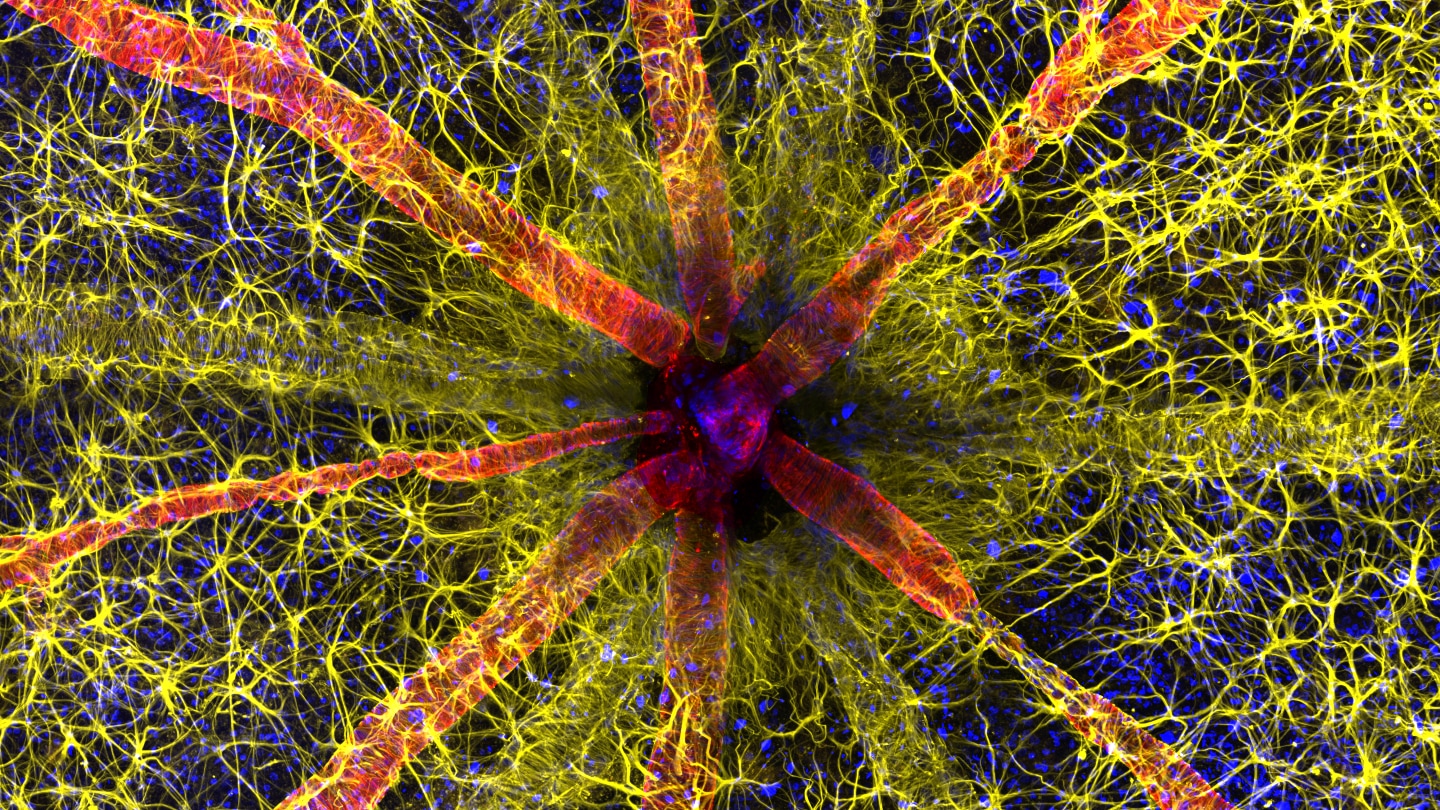
An eye full of cellular stars is a stunning example of the beauty that exists in nature’s smallest sizes.
A glimpse of the back of a rat’s eye, and the immune cells that keep it healthy, won first place in the 2023 Nikon Small World photomicrography competition. The image, composed of multiple snapshots captured with a confocal microscope, was taken by neuroscientist Hassanain Qambari of the Lions Eye Institute’s Centre for Ophthalmology and Visual Science in Perth, Australia.
Tap this image and those below to enlarge
The photo is artificially colored to showcase the eye’s optic nerve — the black spot in the center — and surrounding structures in the retina, a layer of cells within the eye that captures light. A protein that helps blood vessels contract is shown in red and cell nuclei are blue. In yellow are astrocytes, a kind of immune cell that helps control inflammation in the retina.
The image is part of research that aims to uncover how diabetic retinopathy — a disease where high blood sugar damages retinal blood vessels — can alter the function and structure of the retina, Qambari says. When people are diagnosed, the disease is typically already in a late stage and the retina has sustained irreversible damage. Some people can go blind.
By pinpointing any changes that happen early on, researchers may be able to develop a drug to reverse those changes before the disease advances and causes damage.
The inner workings of the rat eye is one of 86 photos recognized in this year’s competition, the winners of which were announced October 17. Here are a few of our other favorites.
Fixing muscle
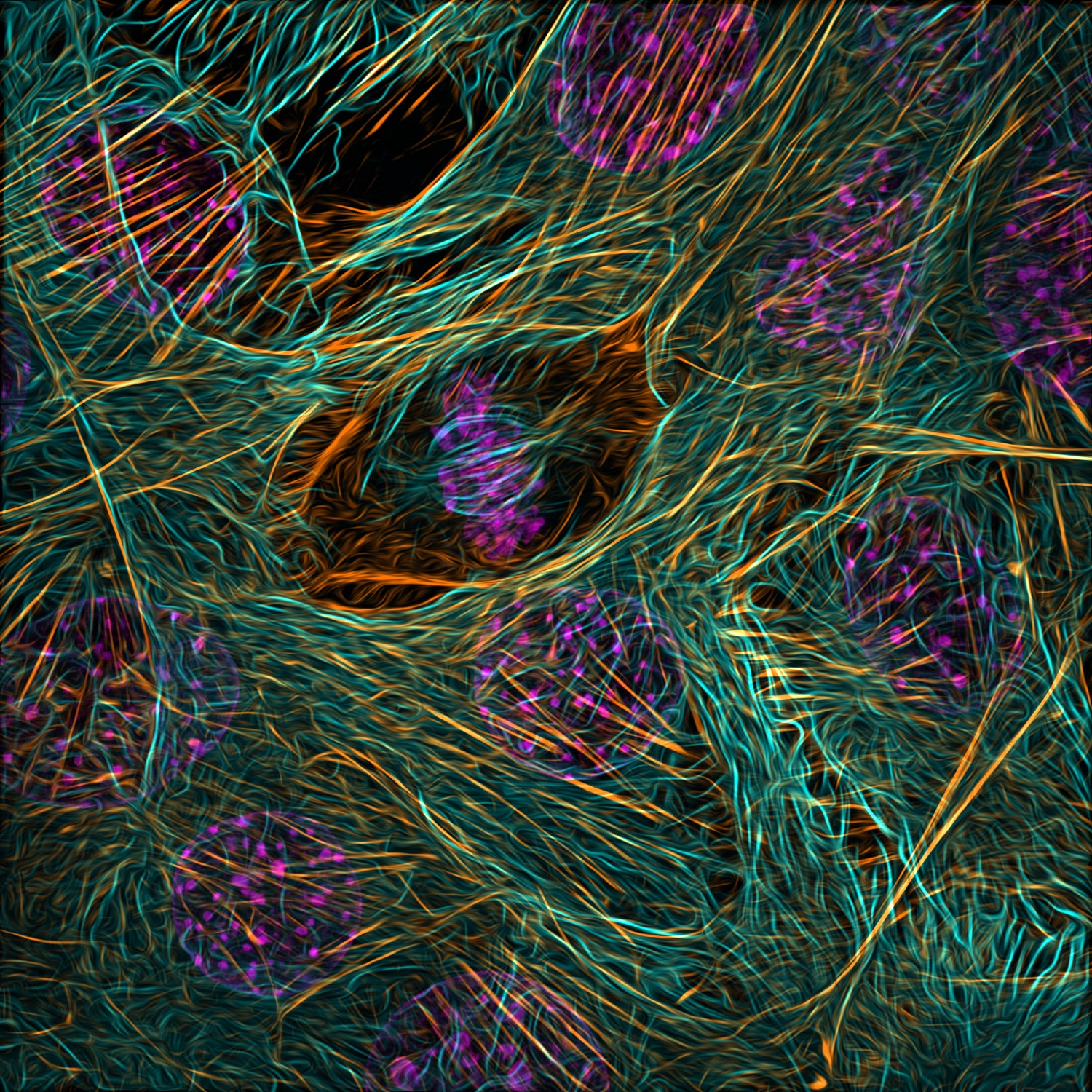
Cells called myoblasts help build muscle. The myoblast in the center of this photo, shown at 63 times magnification, is dividing in two. A protein that provides structural support for cells and pulls genetic material apart during division is colored cyan. Another protein important for muscle contraction is orange. Cell nuclei are magenta.Vaibhav Deshmukh
Some of these cells are in fix-it mode.
The photo, snapped by molecular physiologist Vaibhav Deshmukh, showcases cells called myoblasts that build muscle. These myoblasts are from mice and can be grown indefinitely in lab dishes. With dyes and antibodies, Deshmukh, then studying heart myoblasts as a graduate student at Baylor College of Medicine in Houston, marked different parts of the cells in blue, orange and magenta.
One cell, in the image’s center, is in metaphase, a stage of the cycle that divides a single cell into two. During metaphase, the nucleus dissolves, and DNA-carrying chromosomes line up in the center of the cell. In the next step of the cycle, the chromosomes will be pulled apart. The image shows “how a dividing cell changes its shape and navigates through a crowded space to complete the cell cycle,” Deshmukh says.
In the body, myoblasts kick into high gear when muscle is damaged. Muscle fibers can’t repair themselves after injuries like sprains and cuts. Instead, myoblasts fuse to the fibers to help muscle regenerate.
Plenty of pollen
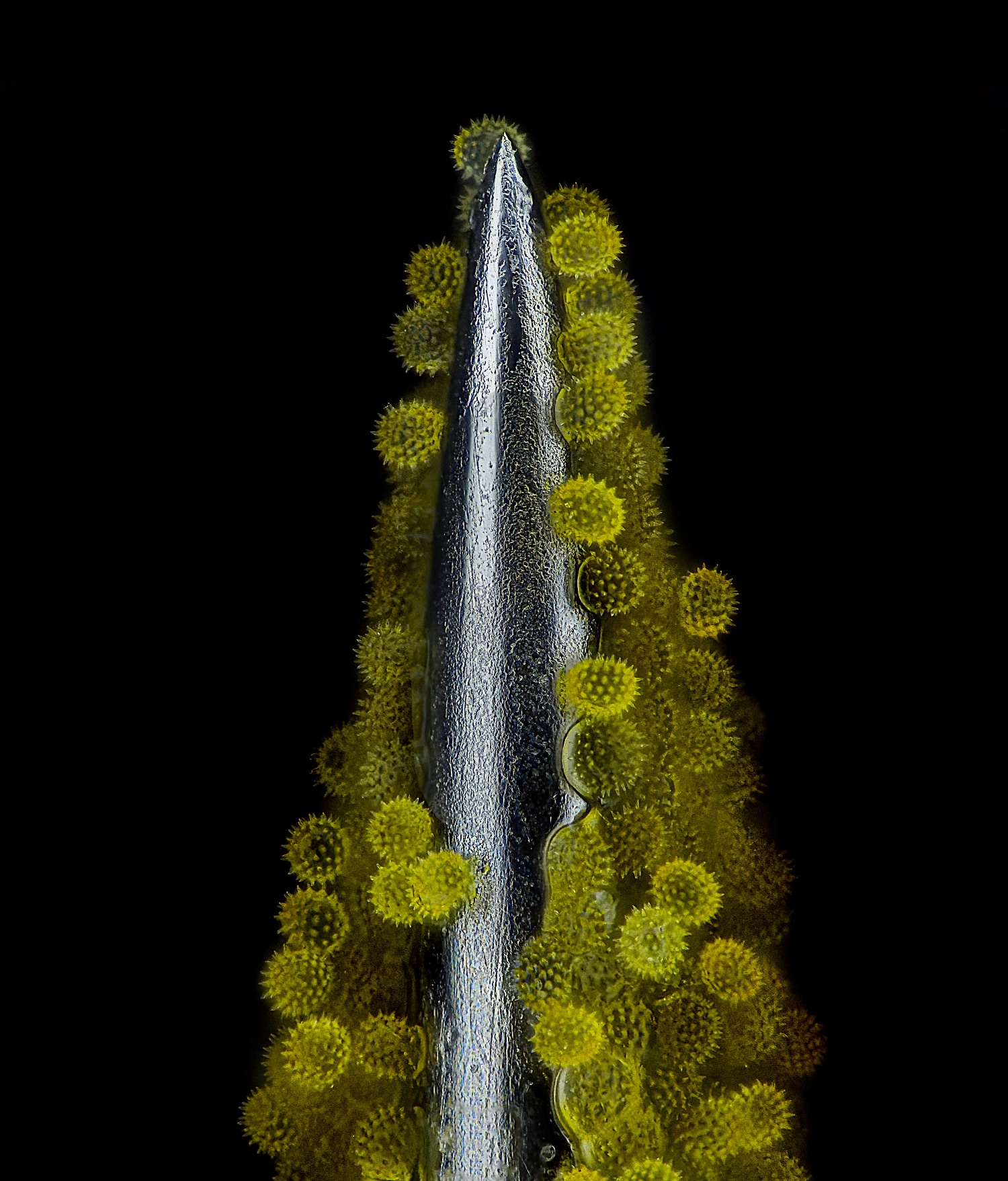
Sunflower pollen clings to the point of an acupuncture needle, shown at 40 times its normal size.John-Oliver Dum
Allergy sufferers, beware — this photo may cause phantom itchiness or sneezing.
Educator John-Oliver Dunn of Bendorf, Germany, took more than 600 images to piece together a view of sunflower pollen on an acupuncture needle. Dunn wanted to showcase how small pollen is relative to a needle, first attempting to take photos with an insulin needle. But as acupuncture needles have a finer point, they hold the pollen better, Dunn says.
A sunflower is not actually a single flower. The brown center of just one is filled with hundreds of tiny flowers. The male flowers of this bunch are responsible for the pollen, sprouting long filaments covered in pollen for insects to pick up and take to other plants.
Mothy scales
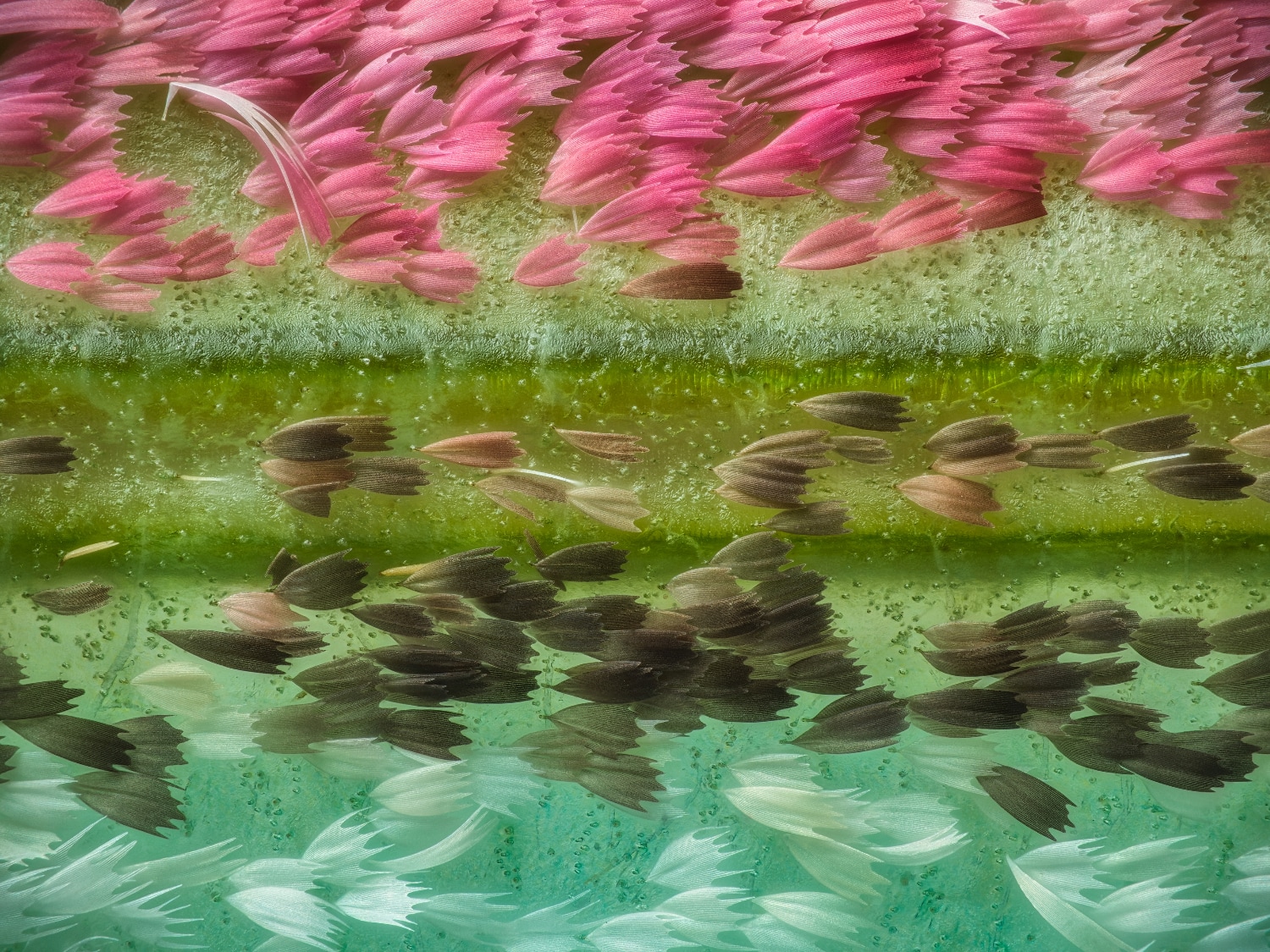
These Chinese moon moth (Actias ningpoana) wing scales, magnified 20 times, line the top of the insect’s left wing. Chinese moon moth wings are lined with magenta and black stripes. Most of the wing is white to pale green.Yuan Ji
Bright butterflies often steal the spotlight from duller-colored moths. But the scales on this Chinese moon moth (Actias ningpoana) are snatching it back.
Photographer Yuan Ji snapped this photo of a dead moth in his studio at the World Expo Museum in Shanghai. Many photographs focus on moon moths’ flashiest features: spots that adorn their wings or long tentacle-like extensions. But Ji zoomed in on a different spot at the top border of the insect’s left wing.
Microscopic butterfly and moth scales give the insects their wing decor, which can sometimes help the organisms blend into their surroundings to hide from predators. For Ji, the scales resemble cars on a road.
A little axolotl
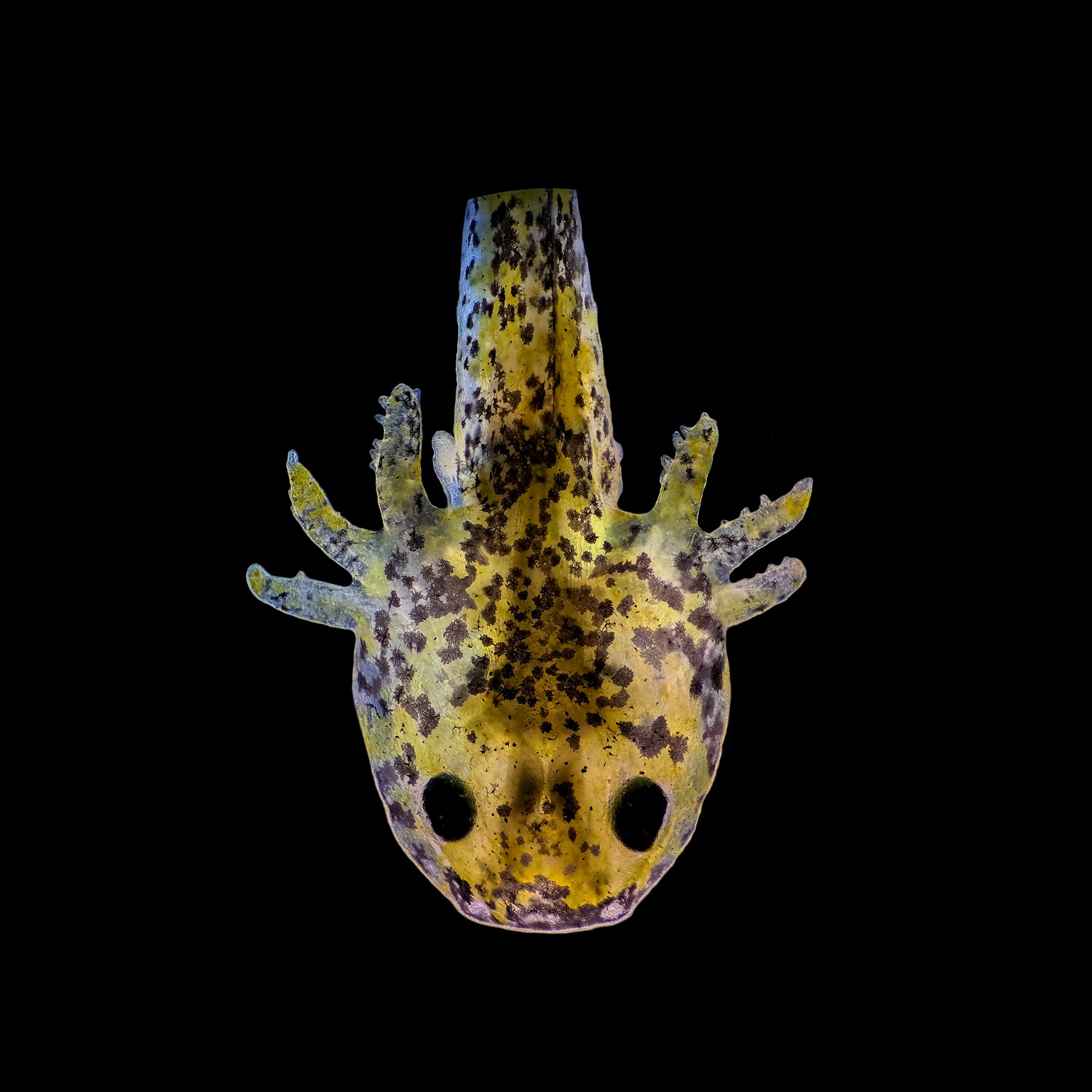
This 1-week-old axolotl is adorably young. And that youthful look will stick around into adulthood, what’s known as neoteny. The axolotl has been magnified 25 times its normal size.Priscilla Vieto Bonilla and Brandon Antonio Segura Torres
Biologists Priscilla Vieto Bonilla and Brandon Antonio Segura Torres spent days shadowing one amphibian egg from zygote to hatch day.
What emerged was this small axolotl (Ambystoma mexicanum), shown at 1 week of age. Axolotls are salamanders native to just two lakes in Mexico, one of which no longer exists and another that has been reduced to mainly canals. The young creature will retain its youthful features throughout its life, a phenomenon called neoteny, Vieto Bonilla says.
It’s unclear why the animals look forever young, but it may be because their native lakes never dried up, at least not before Spanish colonizers started draining lakes near present-day Mexico City to control flooding in the 1600s. Other amphibians that live in areas with transient streams or lakes mature from water-living young into adults capable of thriving on land or in water. But year-round access to lakes may have helped axolotls hold onto larvae-esque features, such as gills, that allow them to stay in water full time.
The pair of photographers, both undergraduates at the Universidad Nacional del Comahue in San Carlos de Bariloche, Argentina, were delighted to watch a new life develop. “While studying the theory in the classroom is one thing,” Vieto Bonilla says, “observing the zygote dividing in real time was an entirely different experience.”
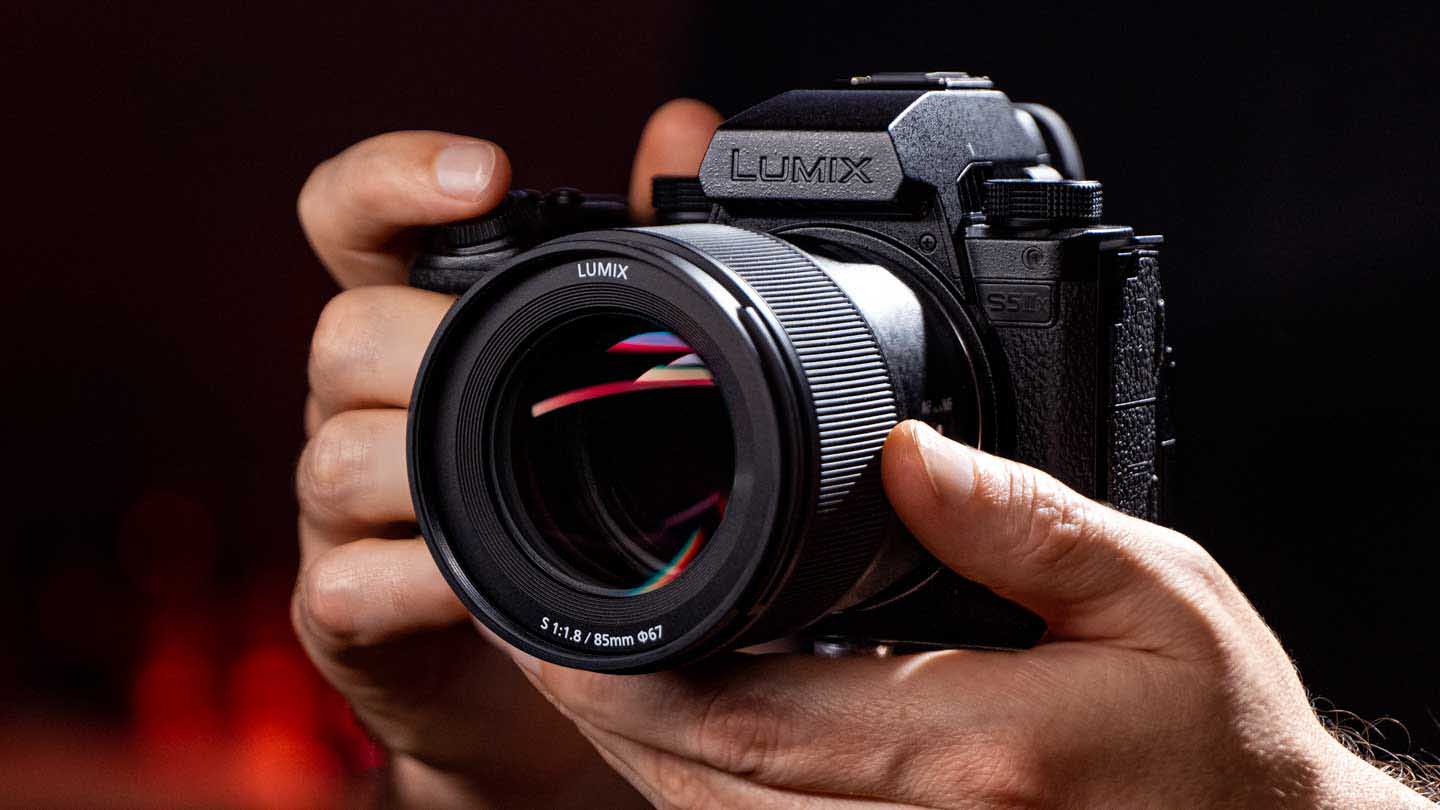
Panasonic will release new firmware for the Lumix S5II and Lumix S5IIX mirrorless cameras, aimed at enhancing both performance and usability.
The upcoming firmware updates for the S5II and S5IIX will bring a range of enhancements to the cameras’ existing features. S5II Firmware Version 2.2 and S5IIX Firmware Version 1.3 will add:
AF-Point Scope Function The update introduces an AF-Point Scope function that magnifies the focus position during autofocus. This addition aims to assist photographers in achieving more accurate focus, particularly in complex shooting scenarios.
High-Resolution Mode The firmware update extends the shutter speed settings in high-resolution mode to a maximum of 8 seconds. Additionally, long-exposure noise reduction is now applied in this mode. A new feature called [Handheld High-Res] mode has been added, allowing for higher resolution photos to be captured without the need for a tripod, courtesy of the built-in image stabiliser.
Improved MF Assist Manual focus users will appreciate the improved MF Assist feature, which now allows for up to approximately 20x magnification in full-screen mode. This allows for more precise manual focusing, making it easier for photographers to fine-tune their shots.
The update is in line with Panasonic’s approach to offer continuous improvements through firmware solutions. These updates not only extend the capabilities of existing hardware but also offer additional features to enhance customer experience.
The update will be made available free of charge and can be downloaded from the LUMIX Global Customer Support website starting 24 October 2023.
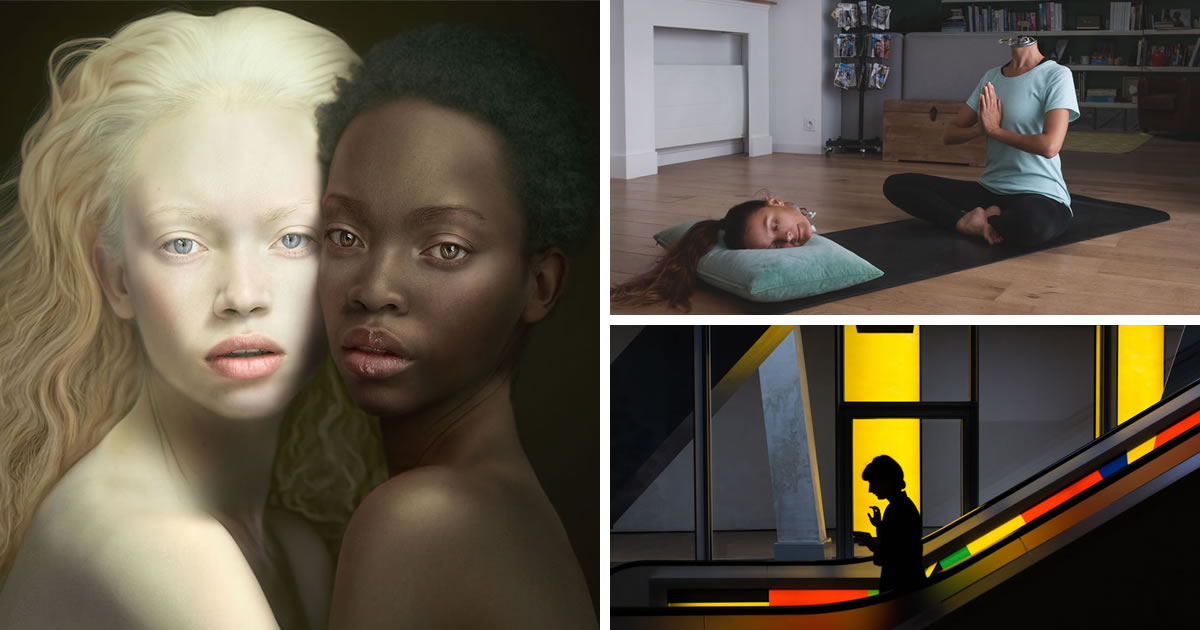
Here are the fanstastic winning photos of the Fine Art Photography Awards 2023. Fine Art Photography Awards is one of the largest award giving bodies for a community of artists ushering an era of new trends in the world of photography. Created in 2014, this competition is a melting pot for people where passion, interest, sense of beauty and openness to diversity in photography collide in intergalactic proportions.
The champions revealed across 20 categories for both Professional and Amateur divisions. This year’s grand prize winner in the Professional category goes to Cheraine Collette for her remarkable series, Exquisite Beauty. In the Amateur category, the grand prize is awarded to Nicolas Bigot for his captivating series, Digital Spirituality. Our heartfelt congratulations to all the winners and honorable mentions!
You can submit your entries for 2024 Fine Art Photography Awards, the deadline is February 11th, 2024.
Scroll down and inspire yourself. You can check their website for more information.
You can find more info about Fine Art Photography Awards:
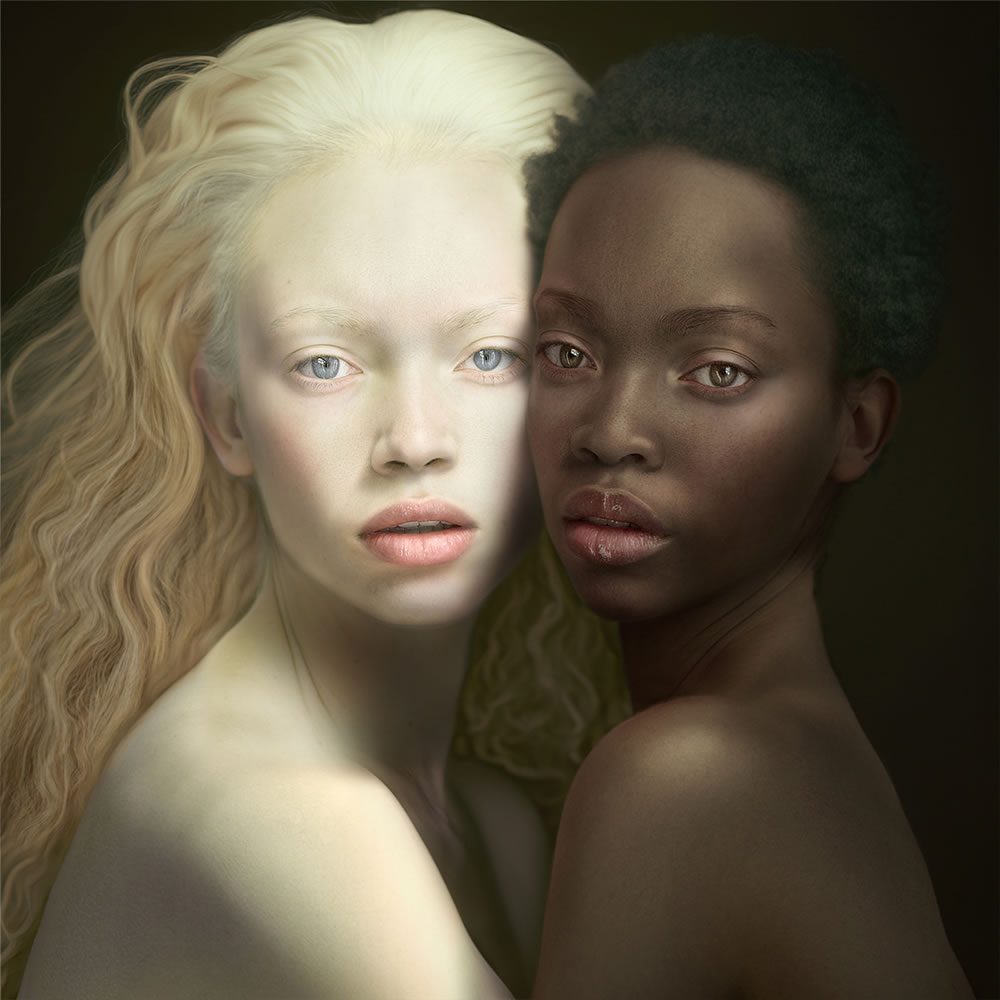
#1 Professional Photographer Of The Year: Exquisite Beauty By Cheraine Collette
Worldwide only one in approximately 20.000 is born with albinism. In some African communities, people with albinism are seen as special and are even believed to have supernatural powers. However, not all attitudes toward people with albinism are positive. In many African countries, people with albinism face widespread discrimination and prejudice. In most cases, they are even the targets of violent attacks.
Many African people with albinism are working to raise awareness about their condition and combat the discrimination they face and try to change negative attitudes to create a more accepting society for all. The exquisite beauty and strength of these individuals are truly inspiring, and their stories deserve to be told and celebrated.
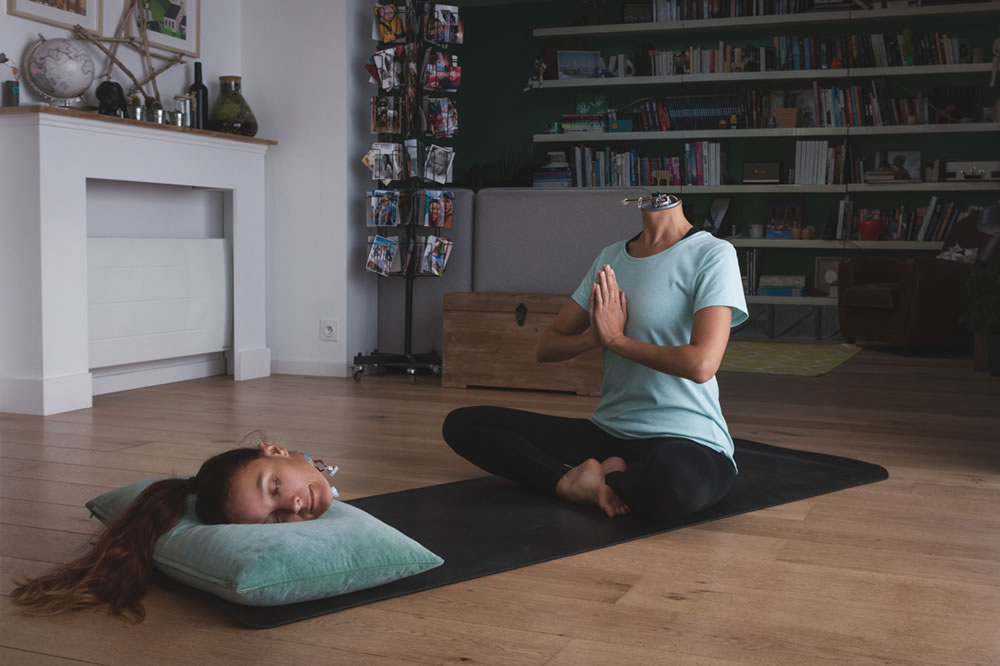
#2 Amateur Fine Art Photographer Of The Year: Digital Spirituality By Nicolas Bigot
The practice of yoga on the one hand, robotics and artificial intelligence on the other hand, two very contemporary fields that everything opposes or at least that nothing binds.
In the continuity of my personal project The Robot Next Door and my reflections on the hypothetical place that synthetic beings could take in our everyday world, I push my questions on the interpretation that these machines could have on the notions of body physical, mind and consciousness.
How could the ideas of spirituality and meditations be interpreted and translated for a thinking machine? Can taking care of your own body and finding a mental balance be understood by a simulation of autonomous human intelligence? Questions that I illustrate through a small series of images showing mechanical characters trying to ape humans during experimental sessions in a kind of algorithmic introspection.
Professional Category Winners
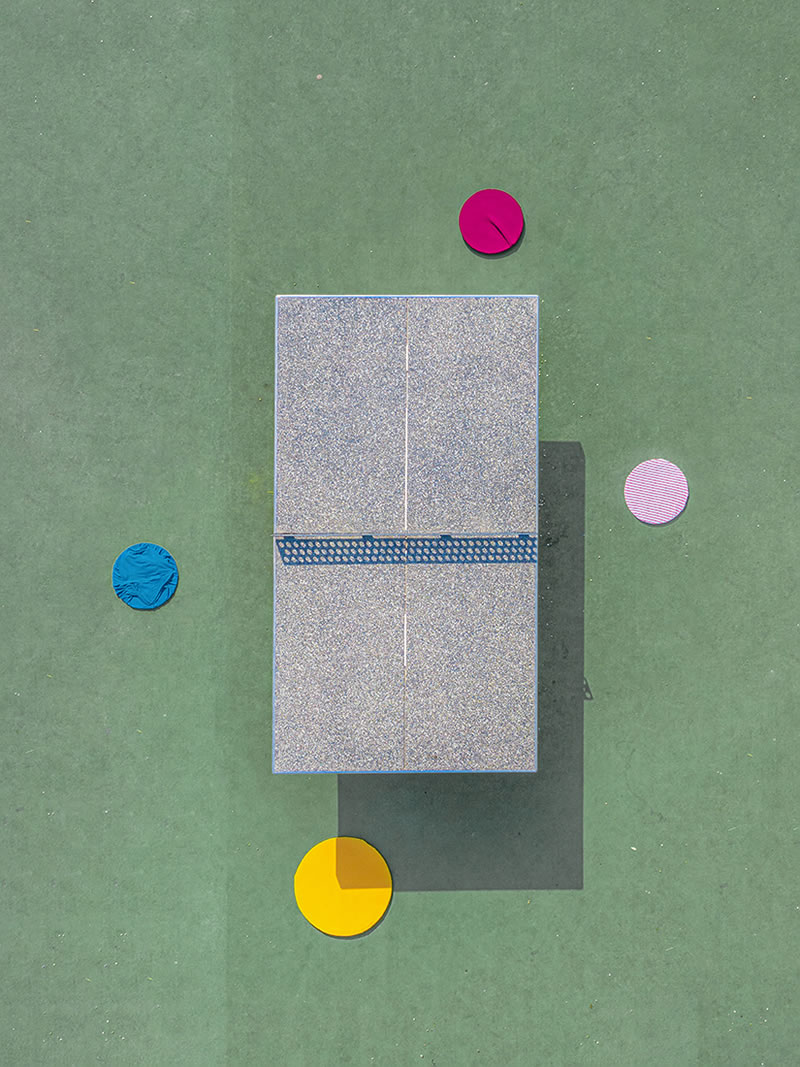
#3 Abstract: 1st Place Winner – Dots by Michal Zahornacky
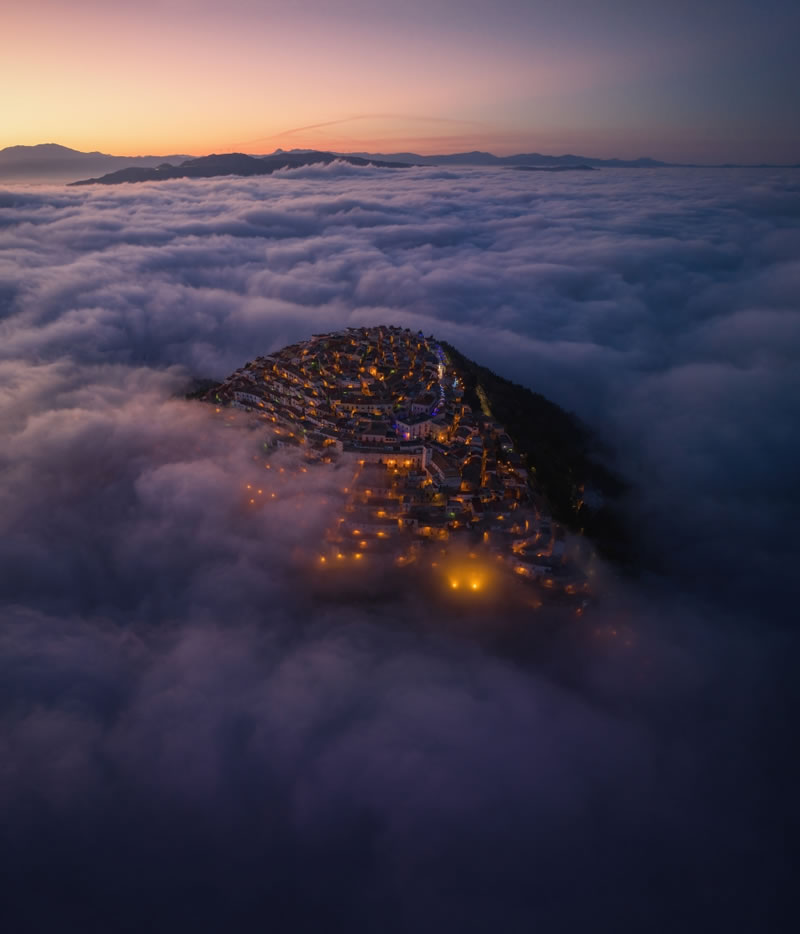
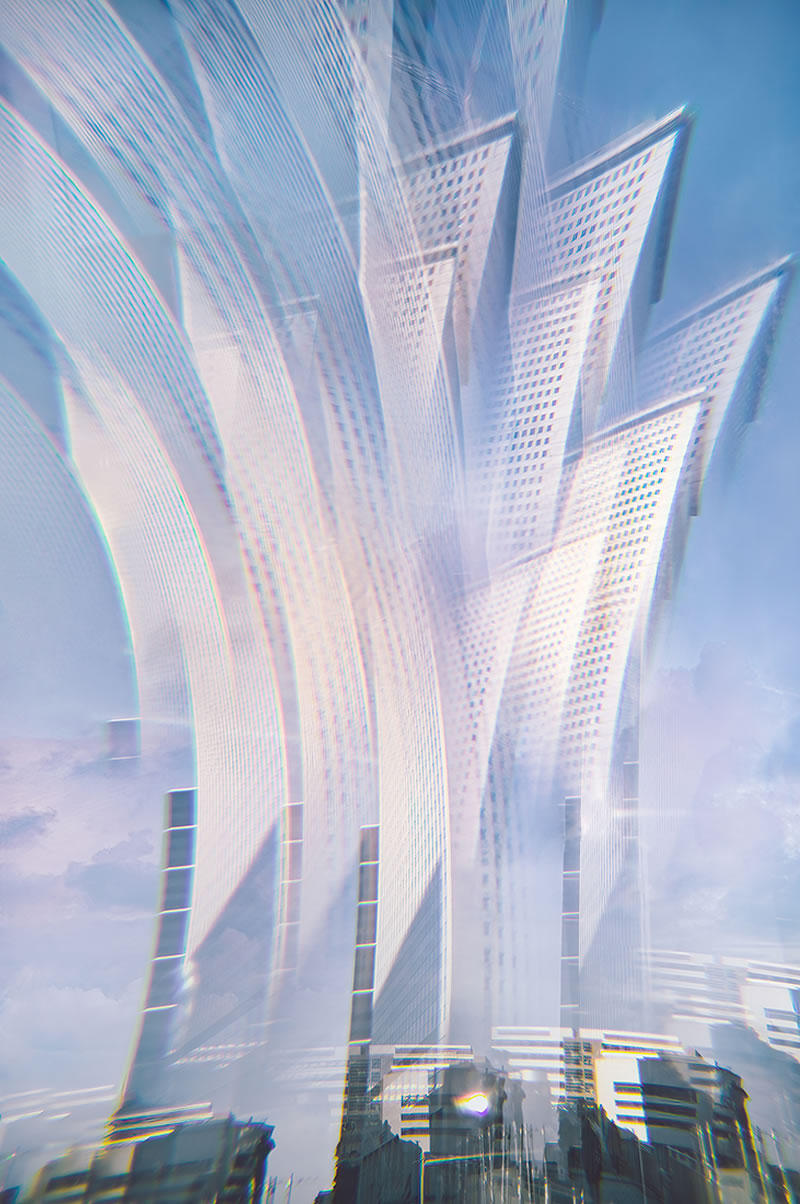
#4 Architecture: 1st Place Winner – Cloud City by Daniele Ceravolo
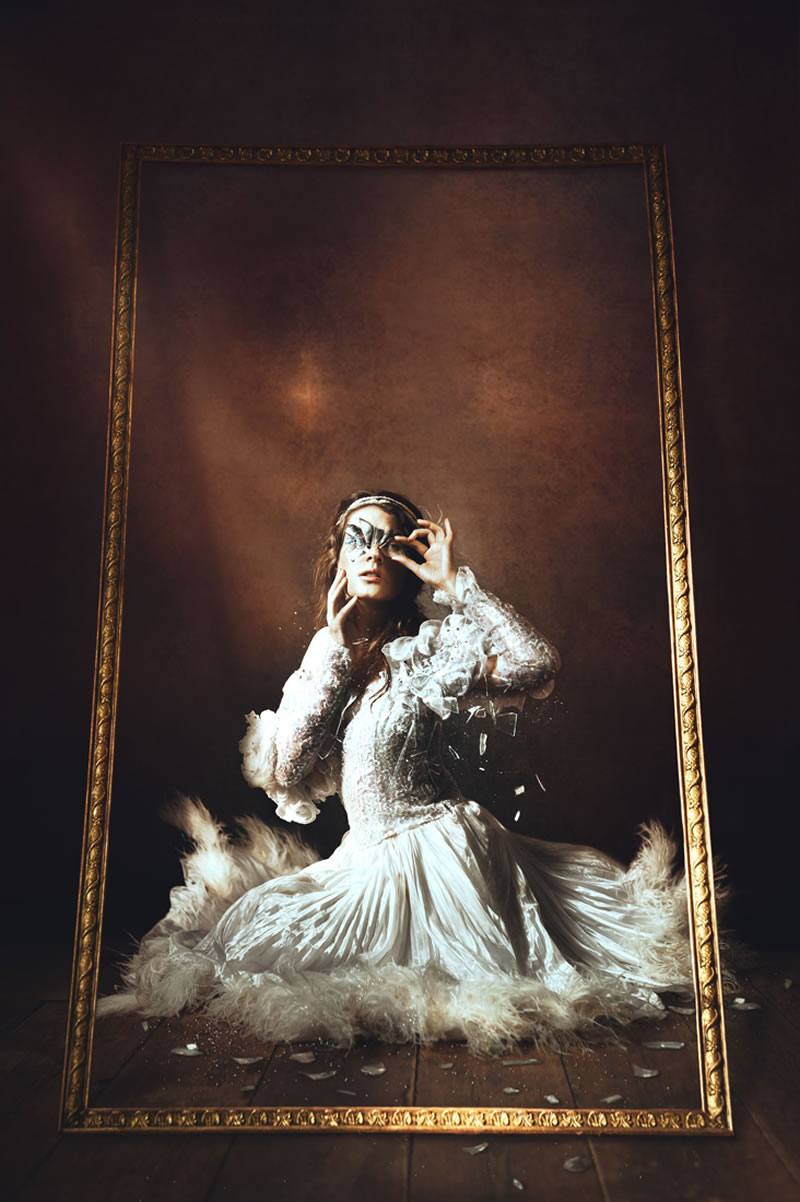
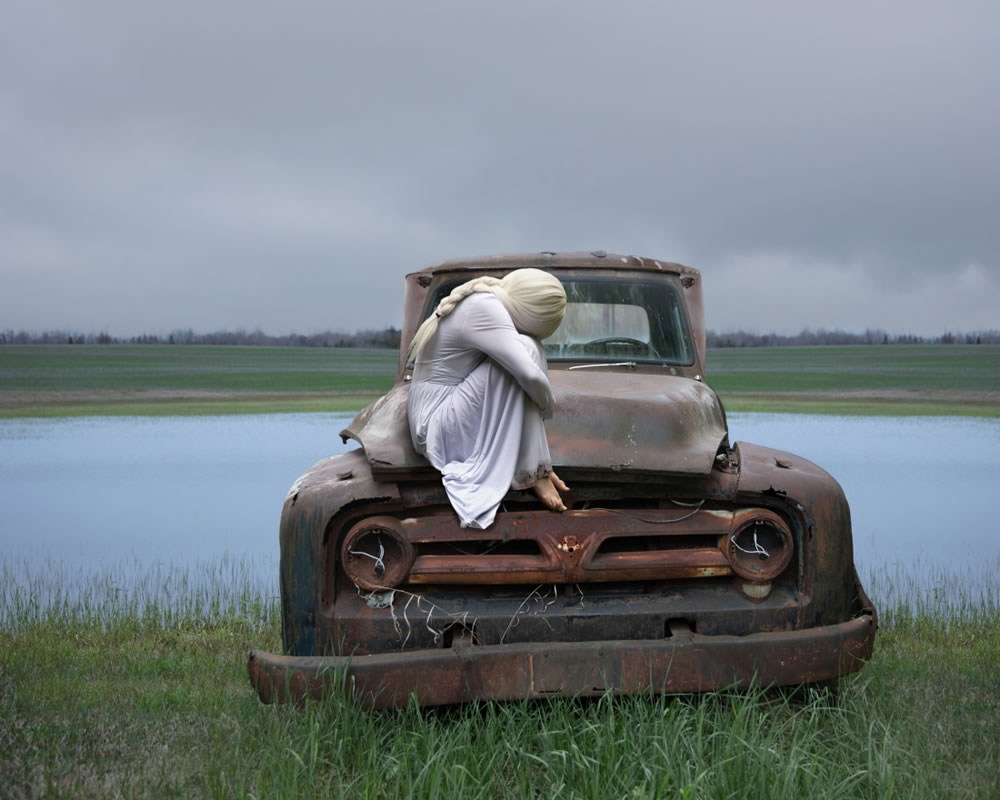
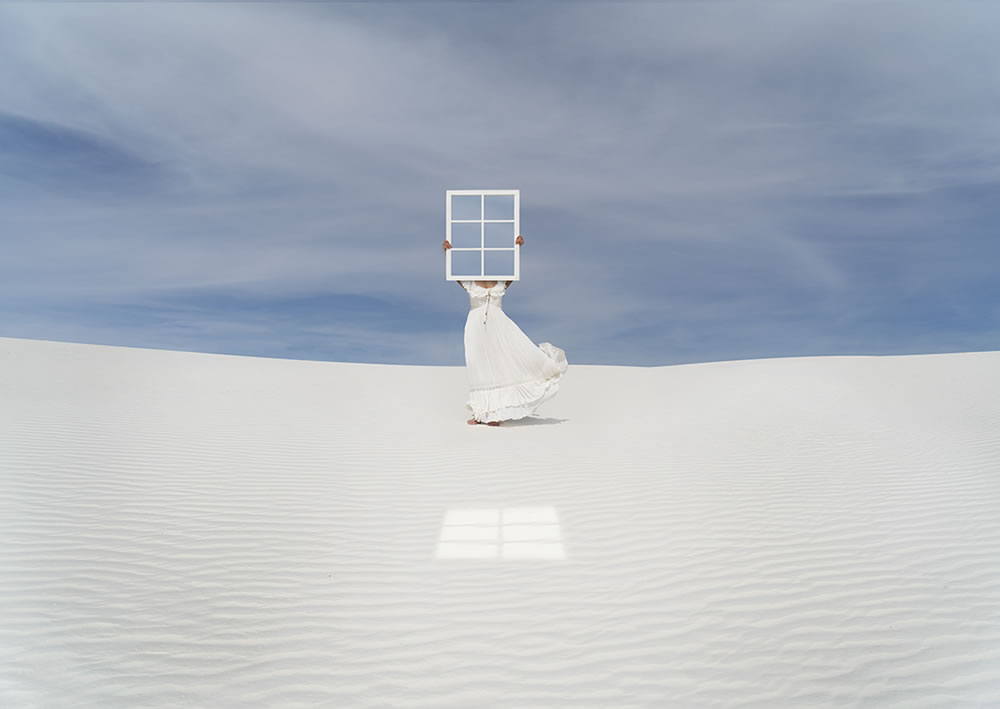
#5 Conceptual: 1st Place Winner – A Journey to the Self by Marlena Wels
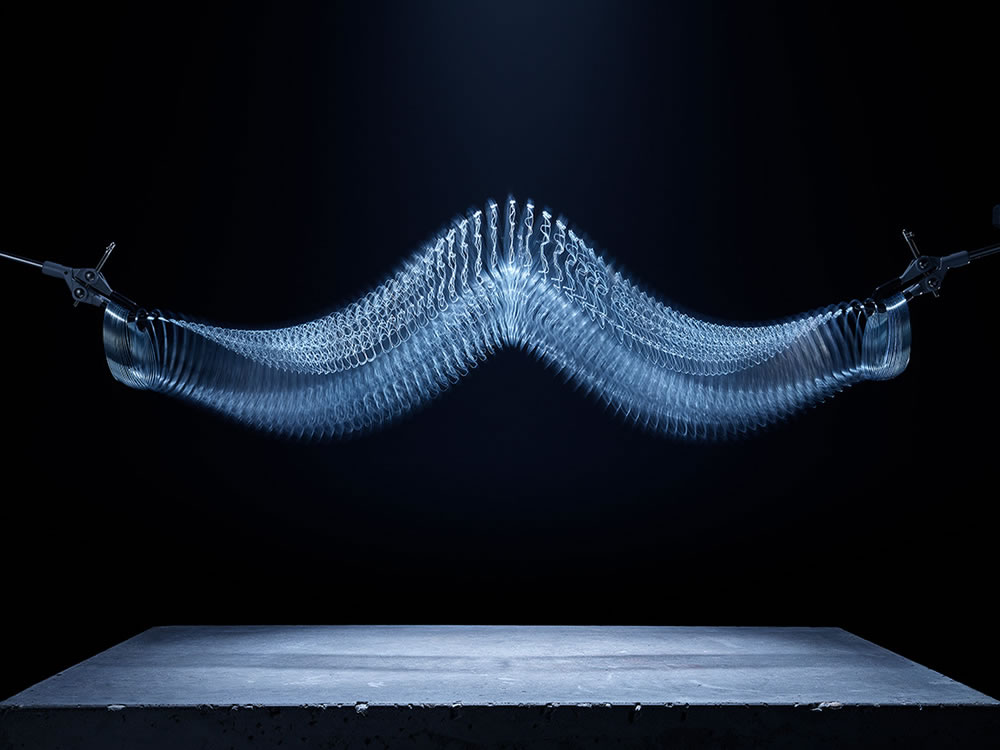
#6 Experimental: 1st Place Winner – Base Quantities by Greg White
#7 Fashion: 1st Place Winner – Knowledge Destroys Fear by Carlos Gamez de Francisco
#8 Fine Art: 1st Place Winner – The Salvage Mission by Patty Maher
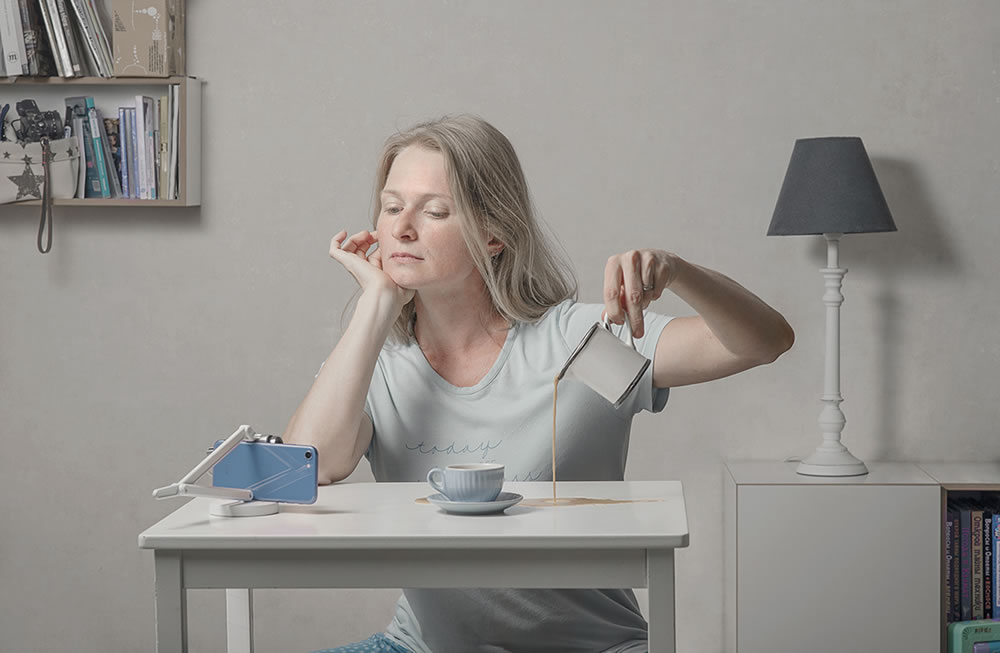
#9 Landscape: 1st Place Winner – Chipoko by Micha Serraf
#10 Mobile: 1st Place Winner – Holy Streams by Shinya Itahana
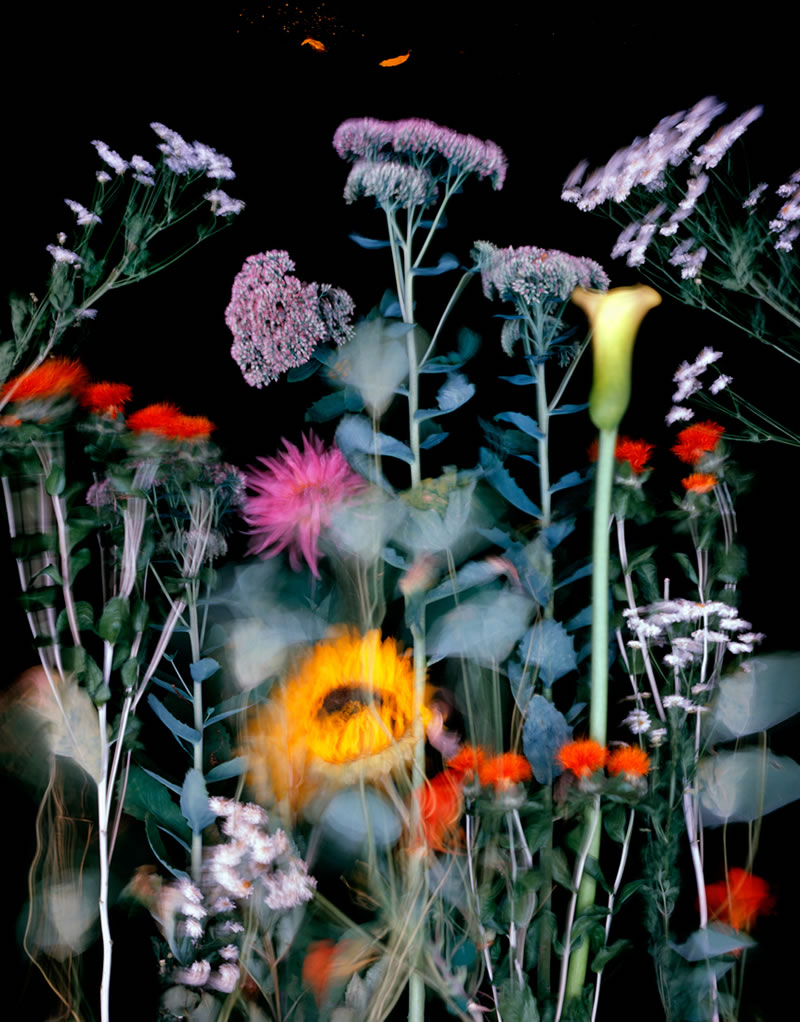
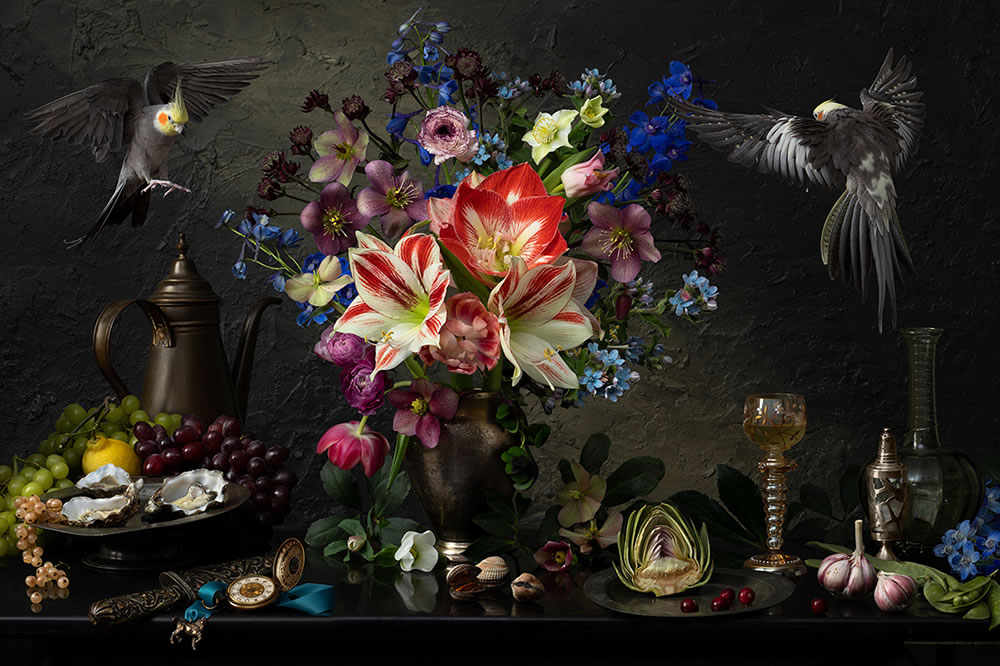
#11 Nature: 1st Place Winner – Flowers From My Garden by Matthias Langer
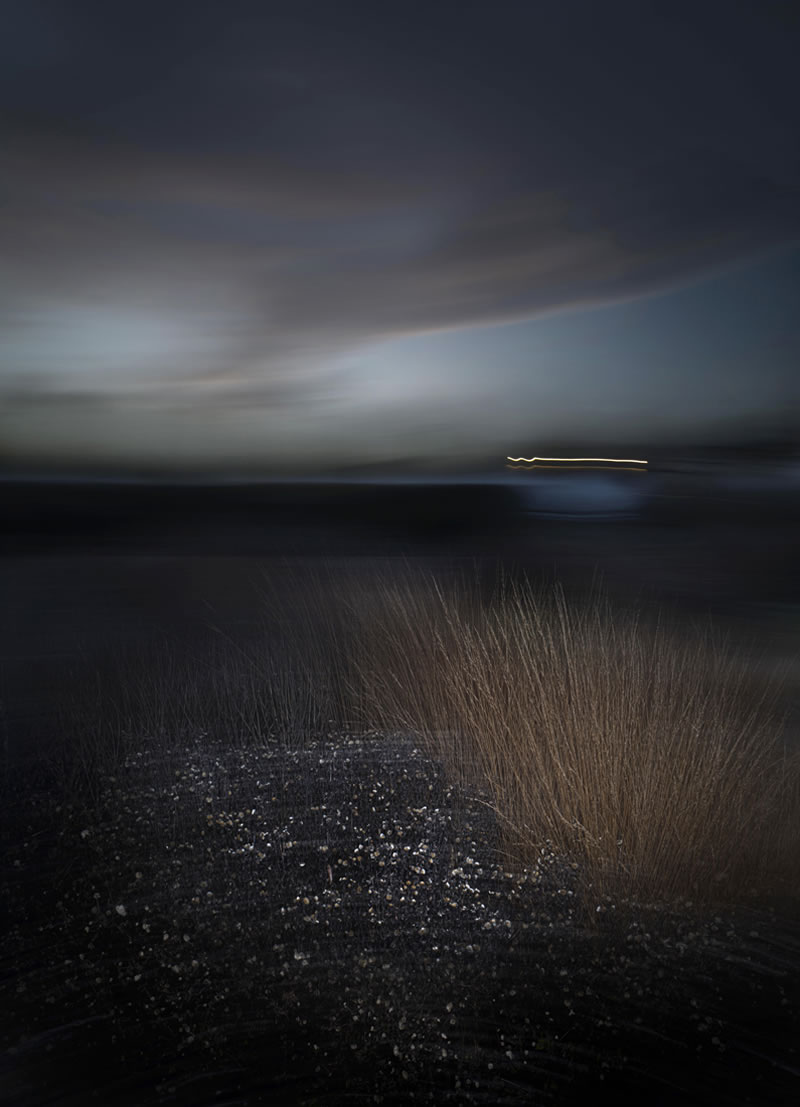
#12 Night: 1st Place Winner – Night Train by Justin Pumfrey
#13 Open Theme: 1st Place Winner – For The Birds by Hester Blankestijn
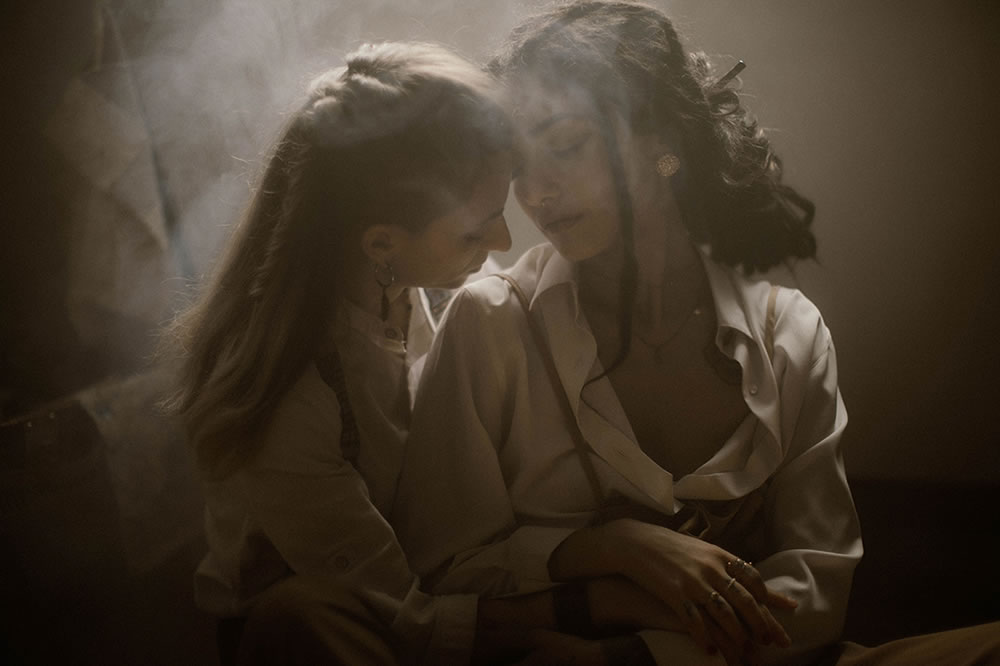
#14 People: 1st Place Winner – Gloria & Alessandra by Francesca Floris
#15 Photojournalism: 1st Place Winner – From The Wrong Side by Gabriele Micalizzi
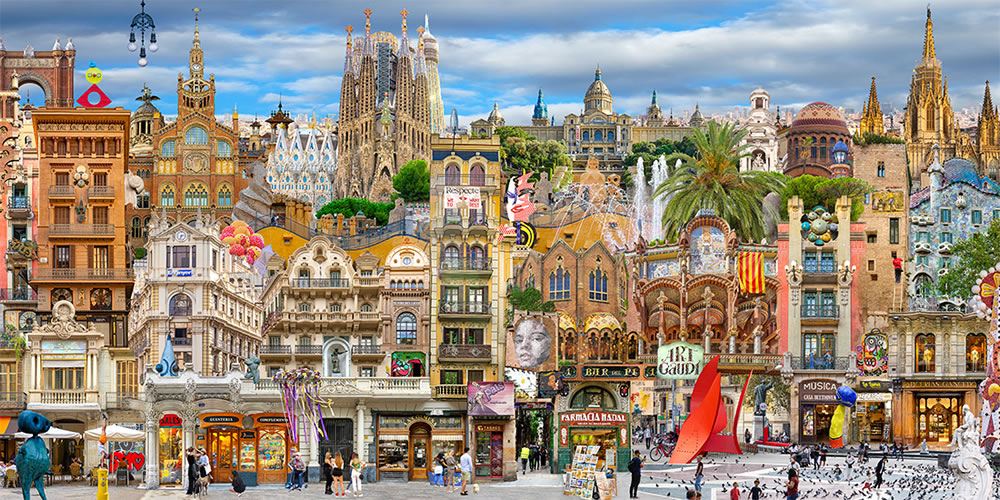
#16 Photomanipulation: 1st Place Winner – City Walks by René Cassio Scholz
#17 Portrait: 3rd Place Winner – Plain As Simple by Amirhossein Loloei
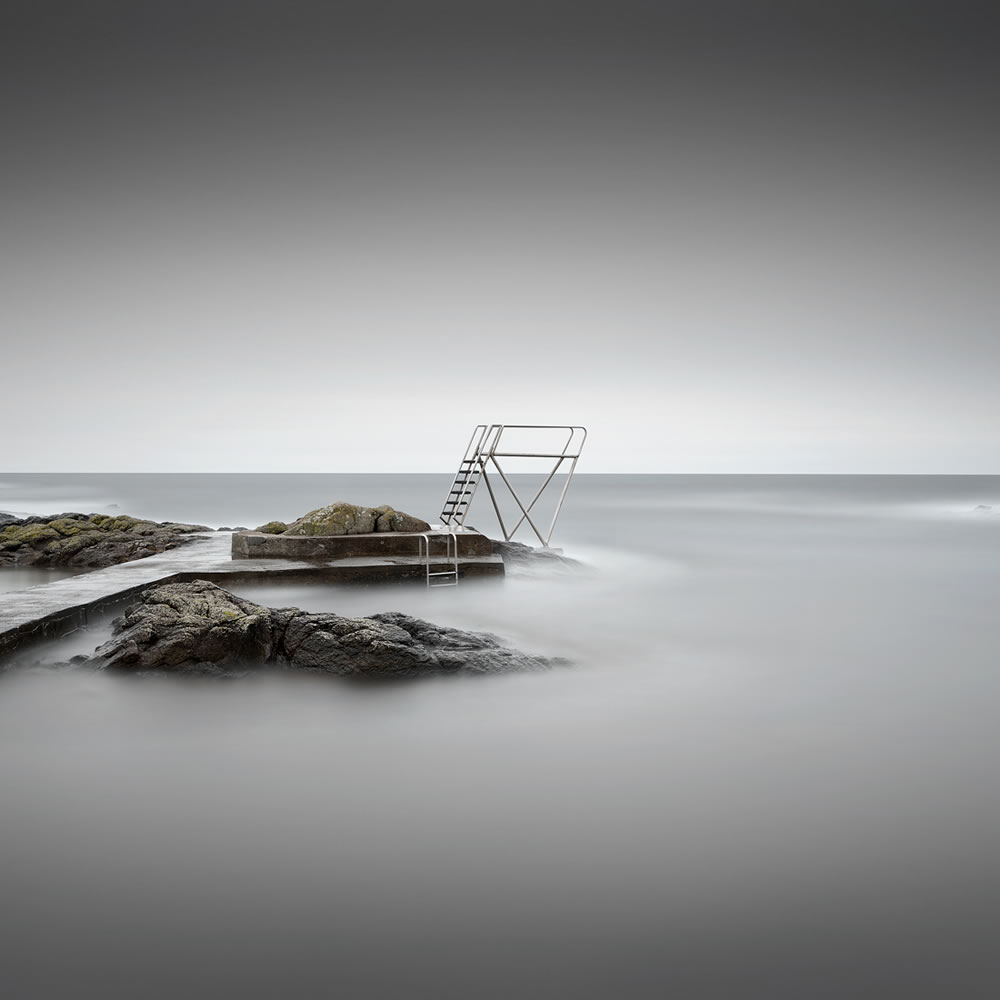
#18 Seascape: 1st Place Winner – Hidden In The Unknown by Frank Peters
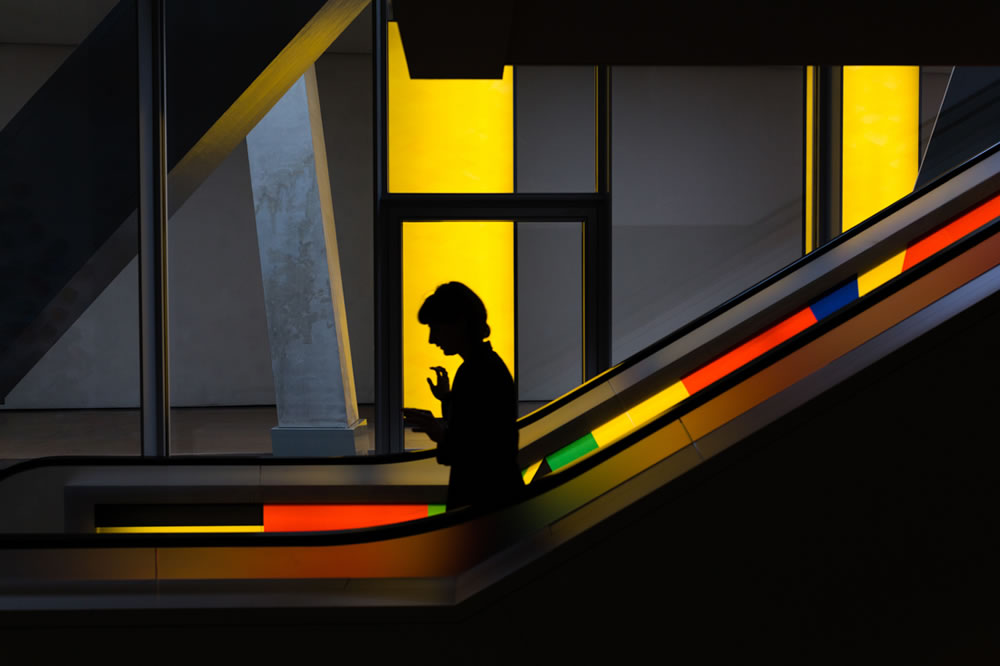
#19 Street: 1st Place Winner – Spectators by Nicola Fioravanti
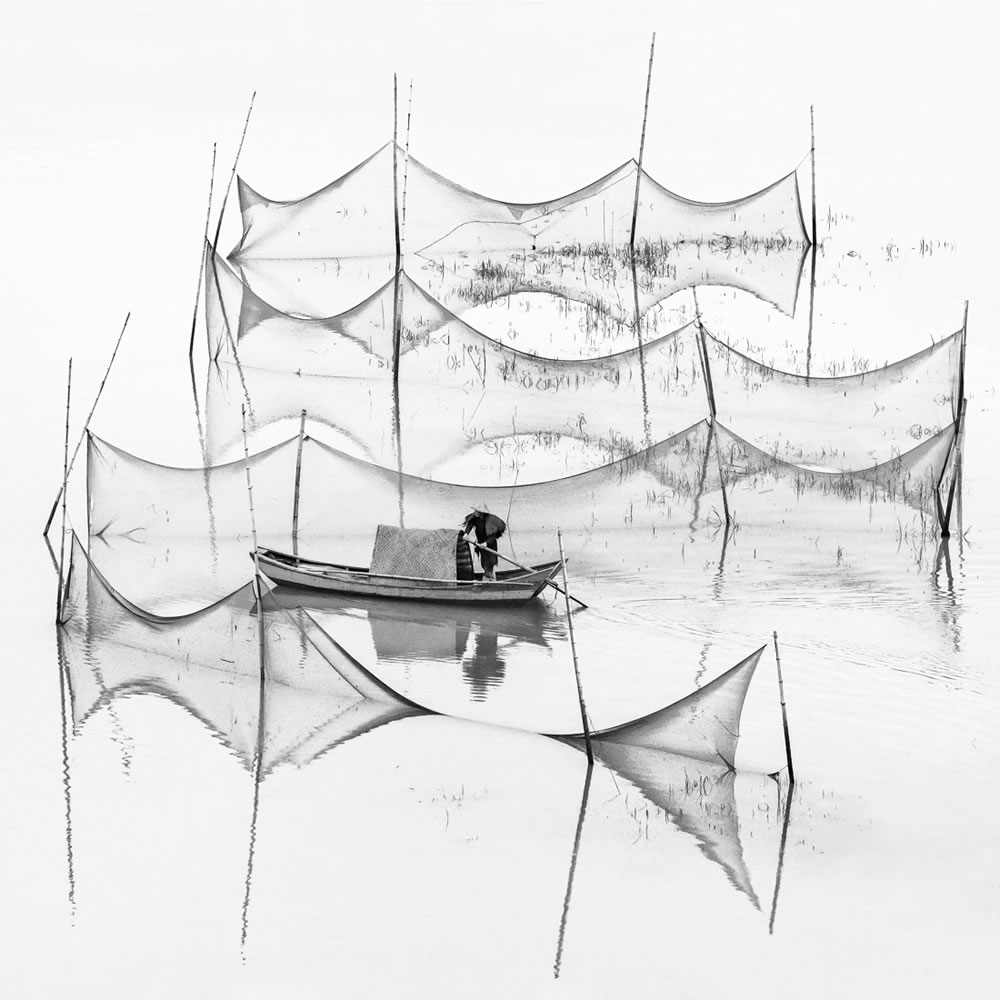
#20 Travel: 1st Place Winner – In The Fishing Maze by Hilda Champion
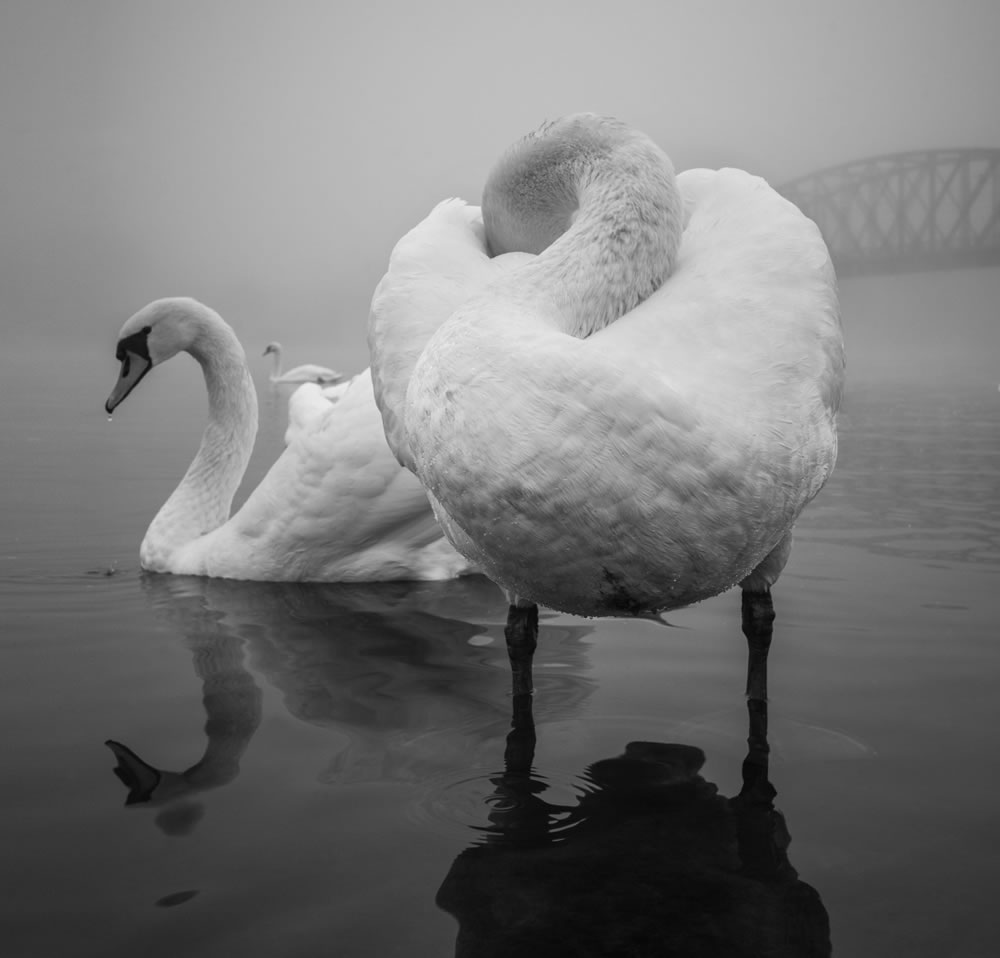
#21 Wildlife / Animals: 1st Place Winner – The Beauty of Swans by Peter Čech
Amateur Category Winners
#22 Abstract: 1st Place Winner – Early Earth by Ria Groot Zevert
#23 Architecture: 1st Place Winner – Welcome to Gigapolis by Yoa Bei
#24 Conceptual: 3rd Place Winner – Just A Pipe Dream by Haley Bell
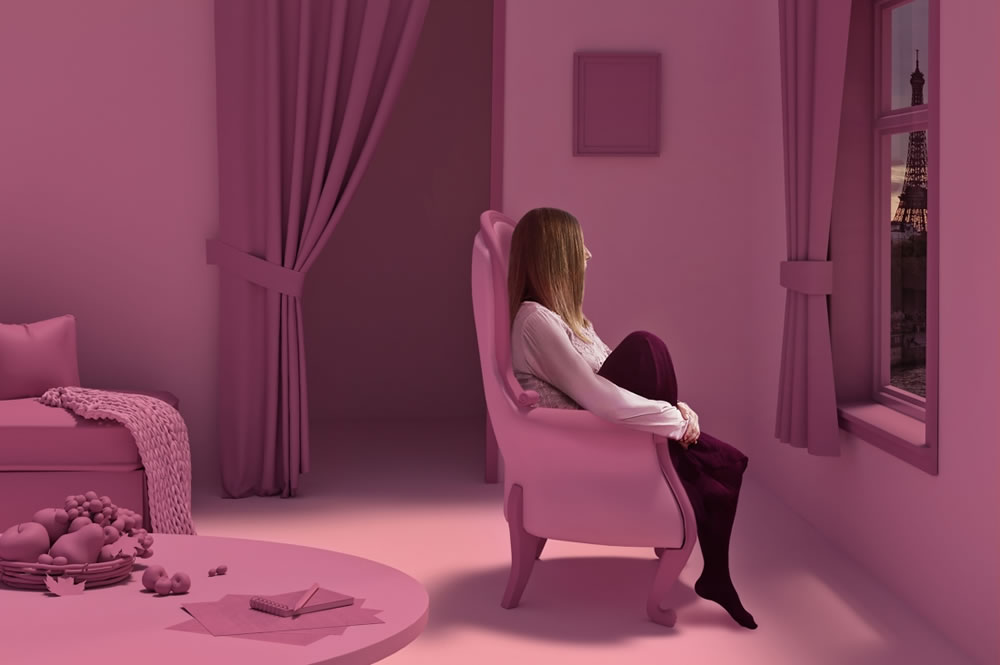
#25 Experimental: 1st Place Winner – Delimited Rooms by Antonella Zito
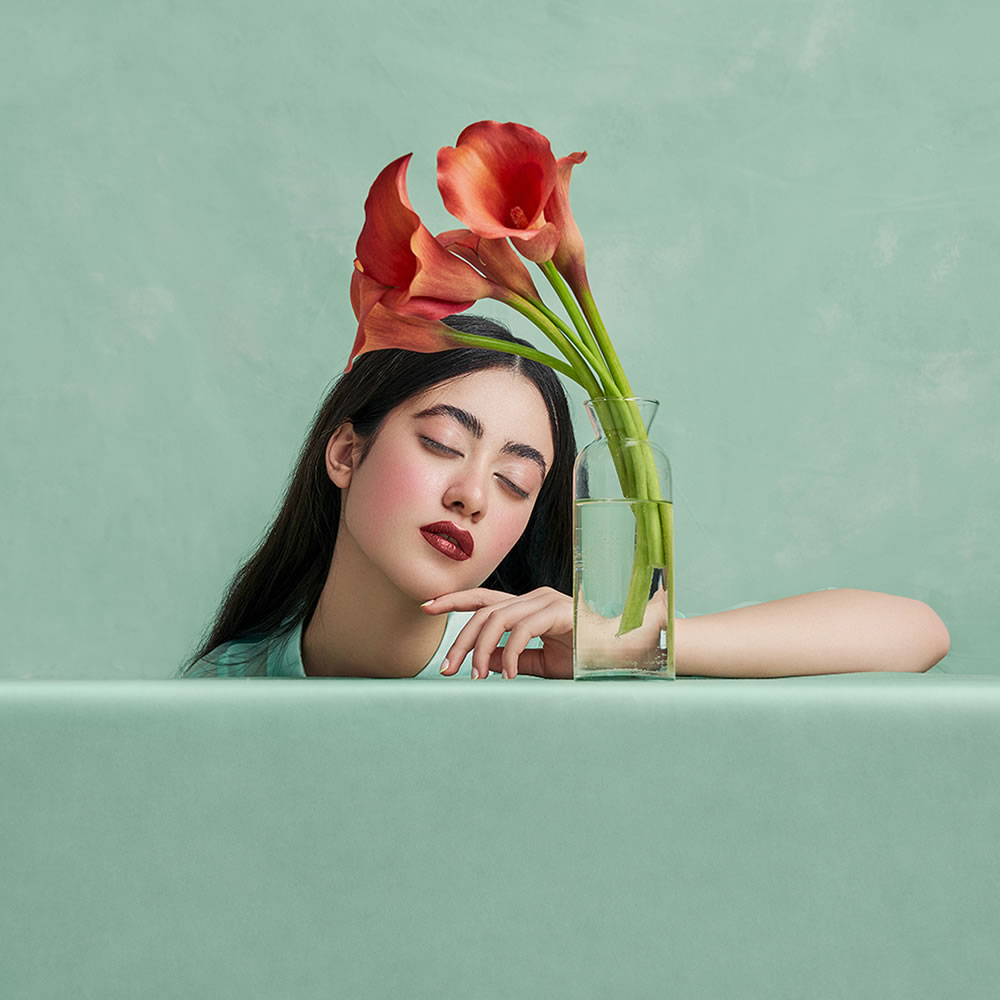
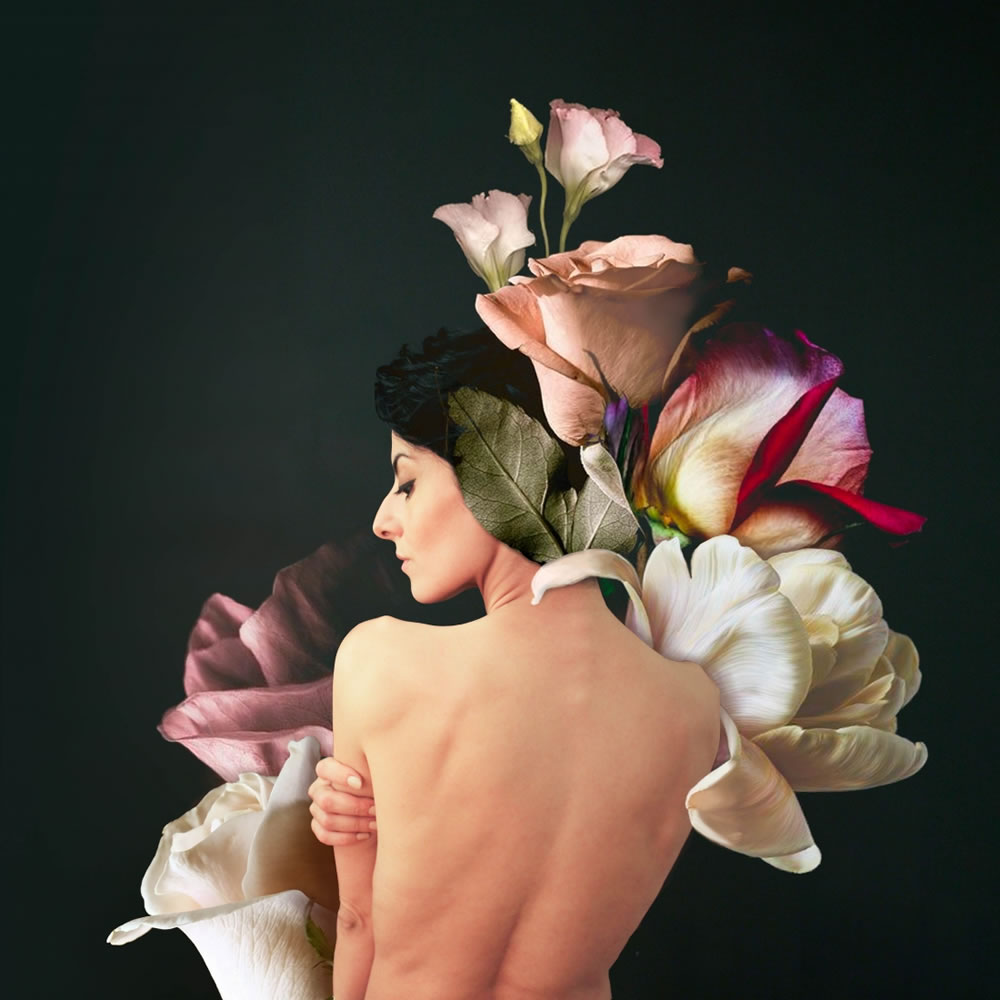
#26 Fashion: 1st Place Winner – Women With The Head Of Flowers by Mariia Kozhukhar
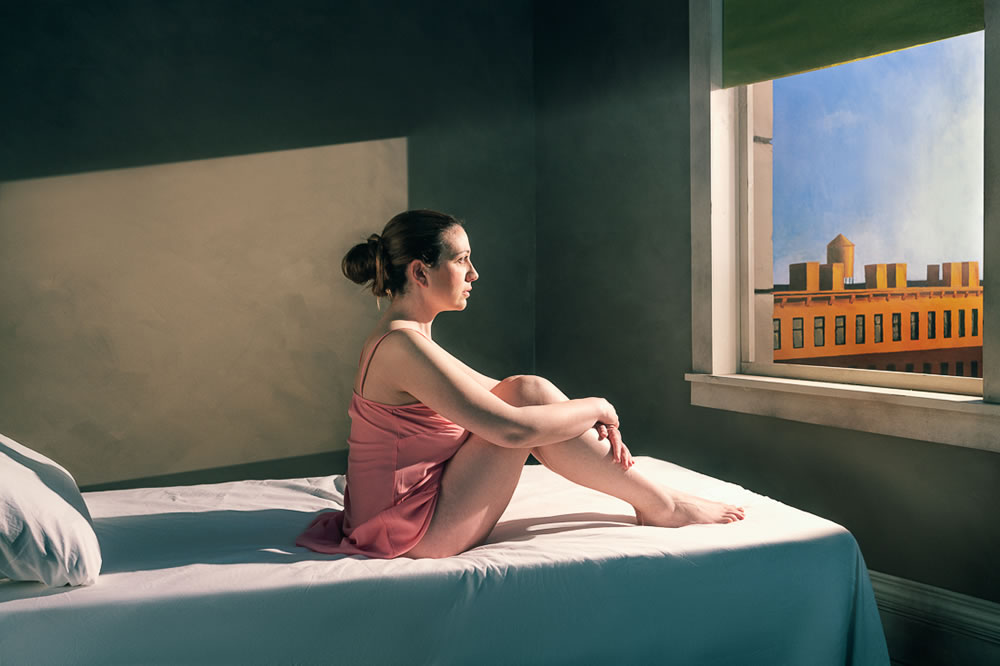
#27 Fine Art: 1st Place Winner – Hopper Essence by Andres Gallego
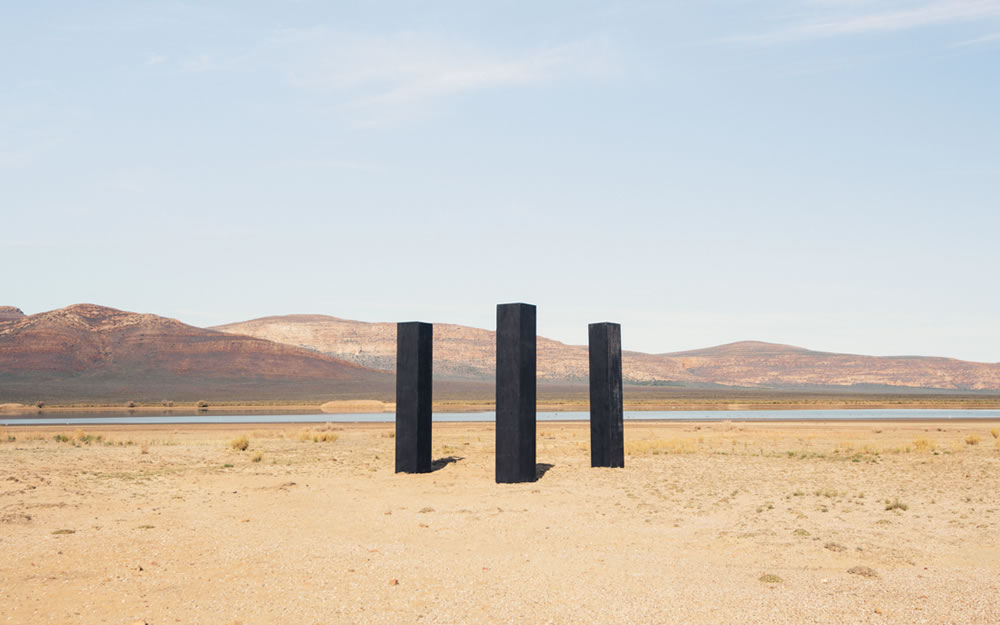
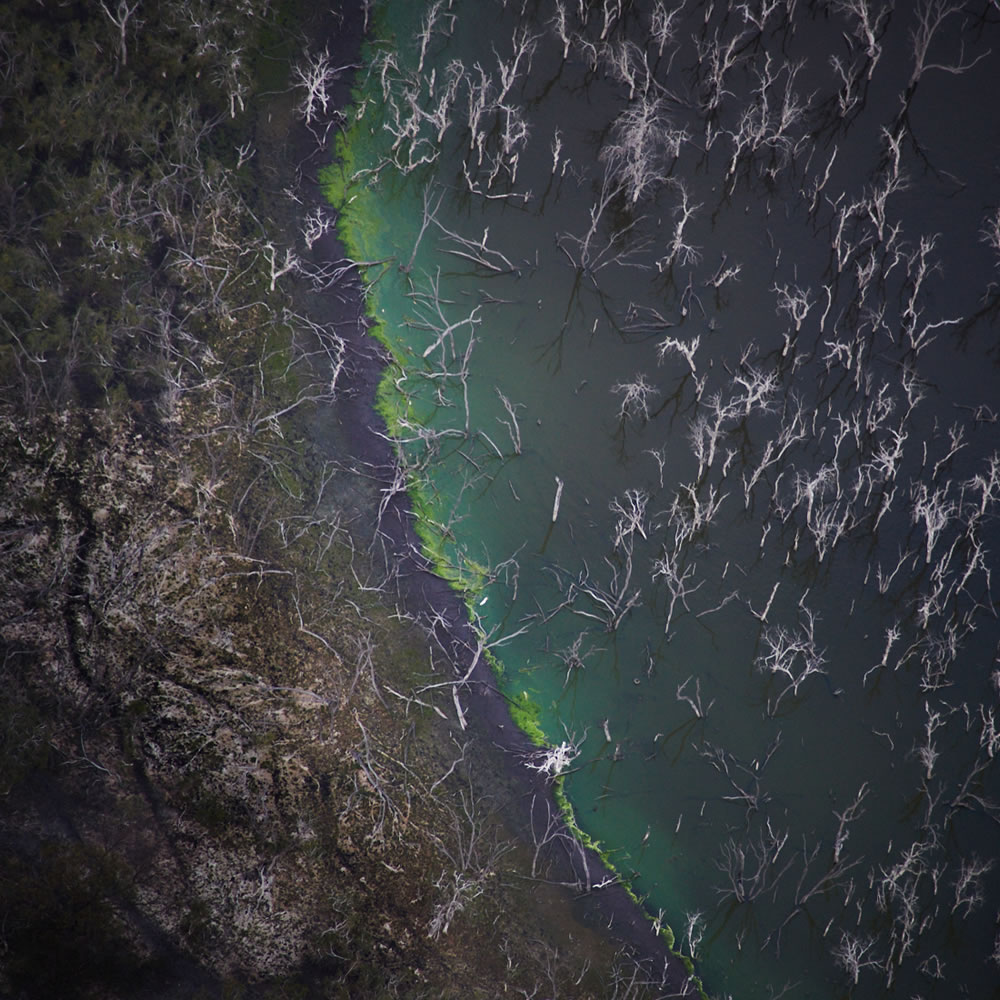
#28 Landscape: 1st Place Winner – Unmanned by Dawei Li
#29 Mobile: 1st Place Winner – Smart Phone Art by Ruben van Gogh
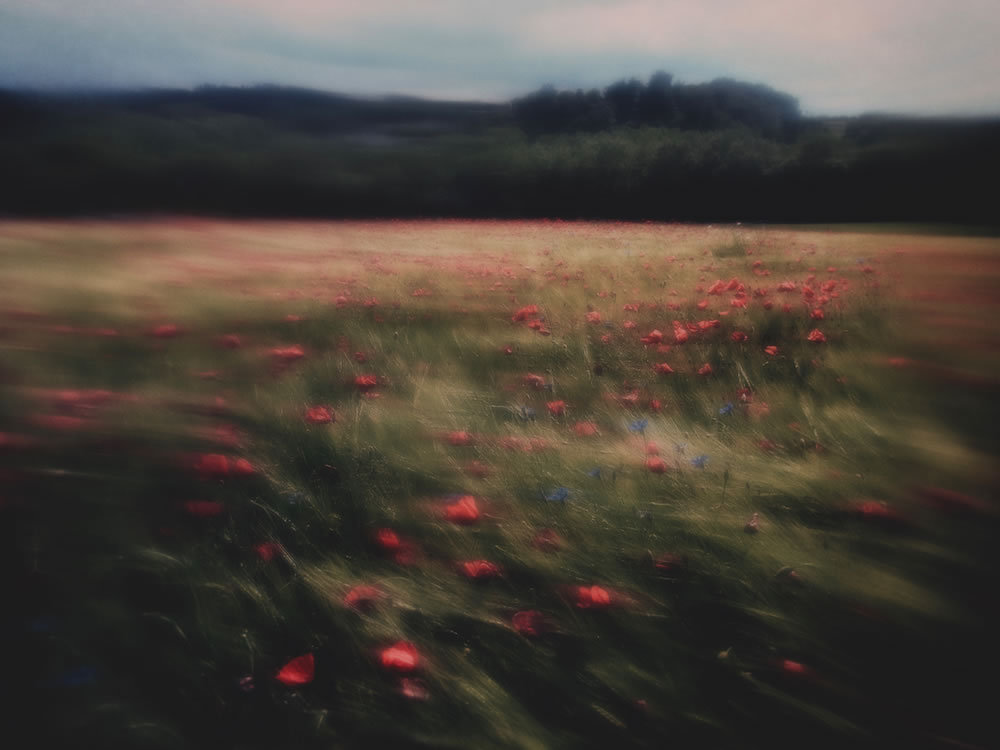
#30 Nature: 1st Place Winner – Dancing Poppies by Thaddäus Biberauer
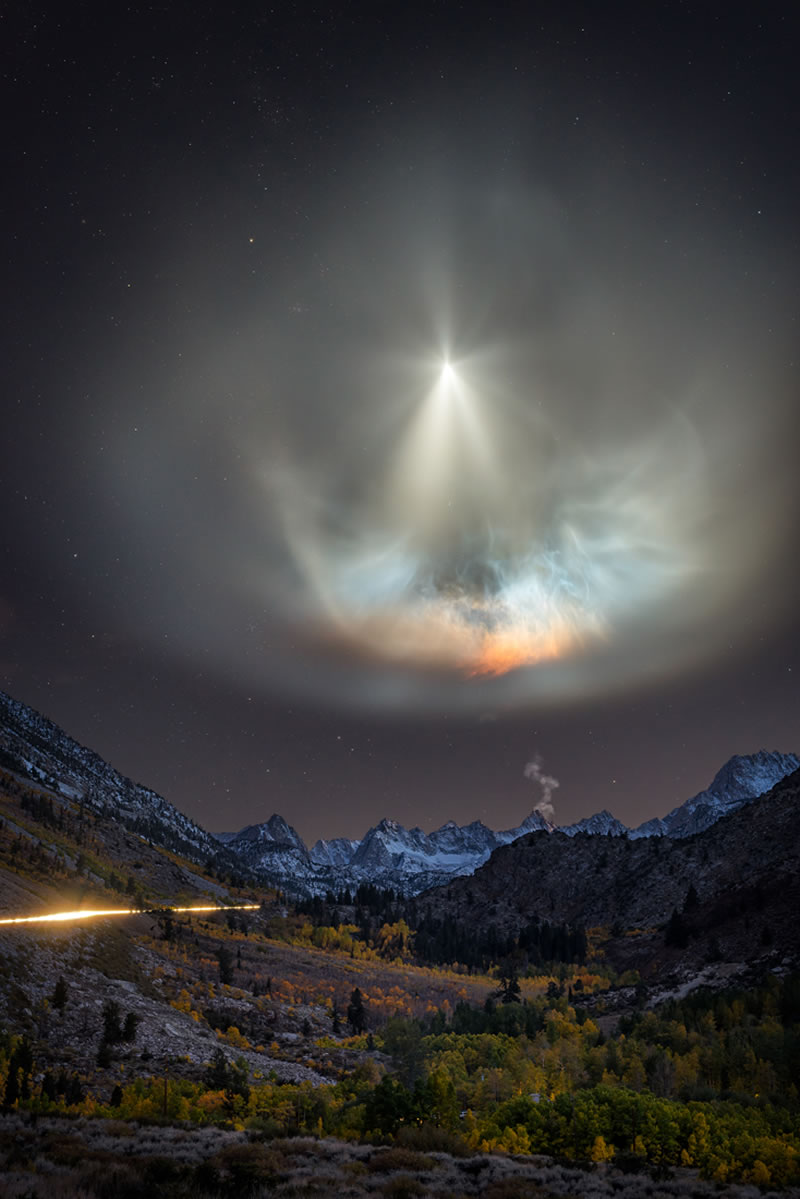
#31 Night: 1st Place Winner – Nebula by Brandon Yoshizawa
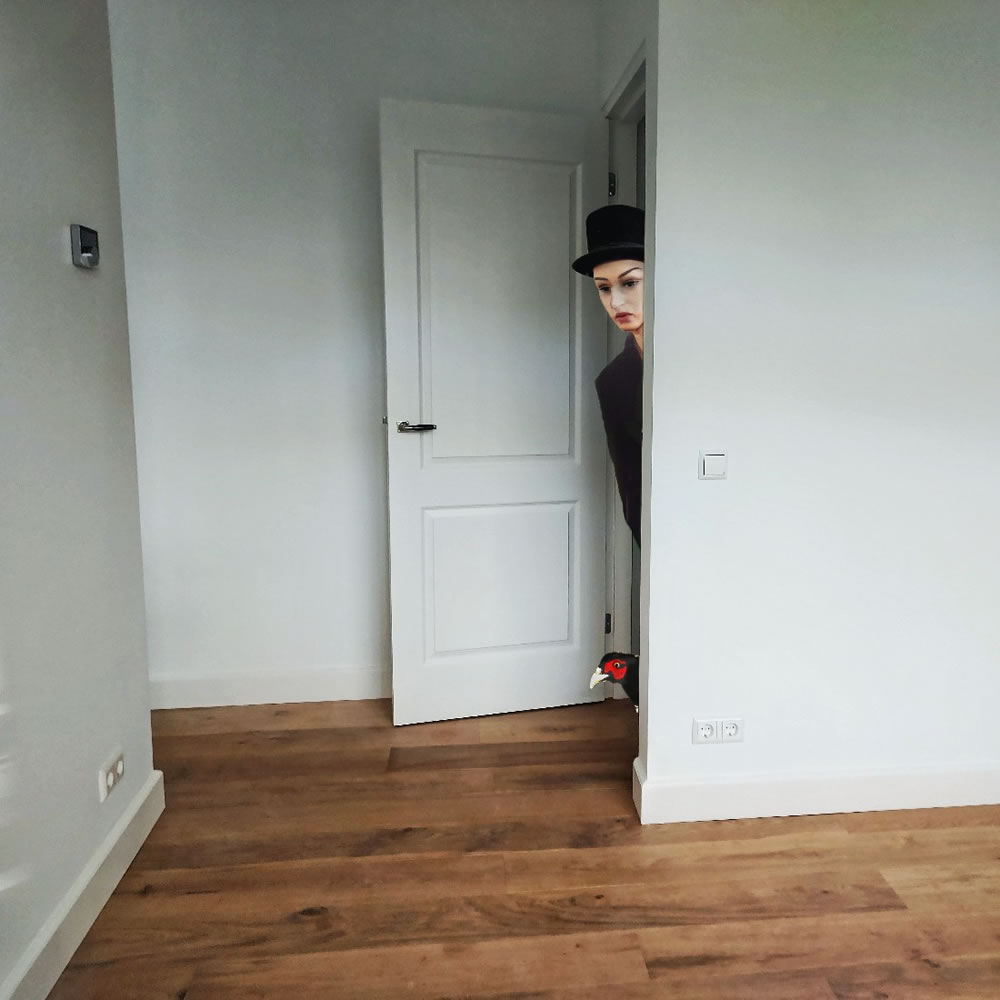
#32 Open Theme: 1st Place Winner – Morning News by Olga Steinepreis
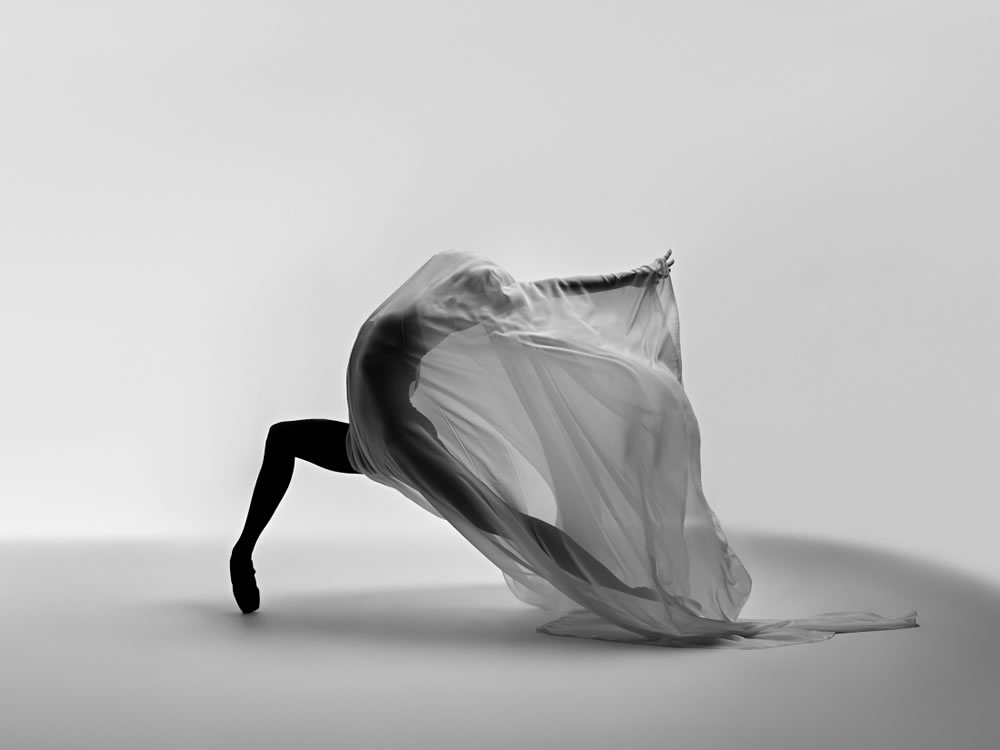
#33 People: 1st Place Winner – Body Lines by Robert Nowotny
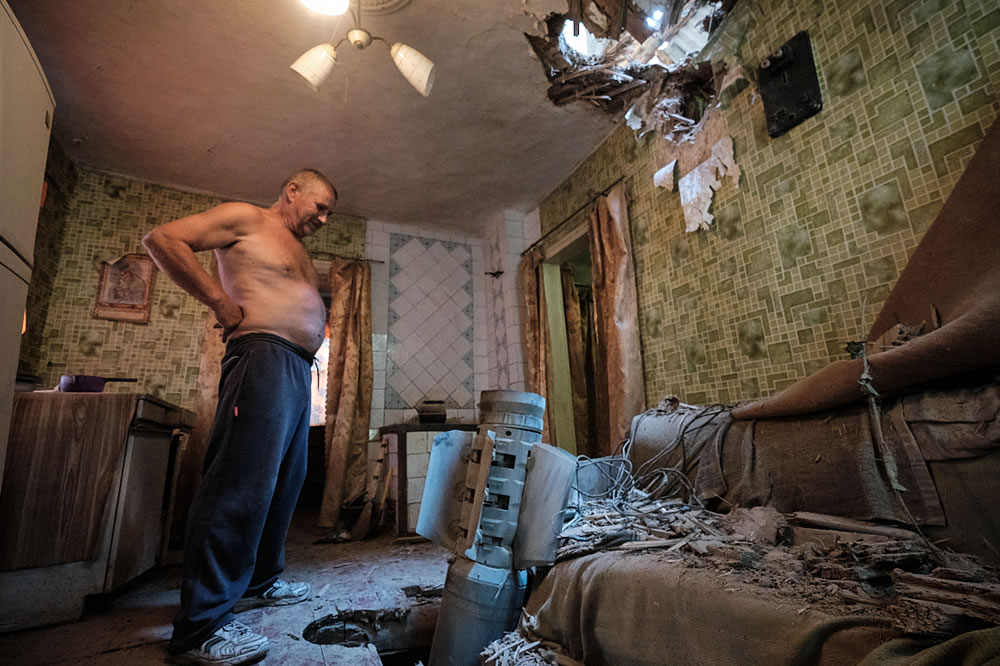
#34 Photojournalism: 1st Place Winner – Ukraine War by Yevhen Honcharenko
#35 Photomanipulation: 1st Place Winner – Grow by Caroline Dejeneffe
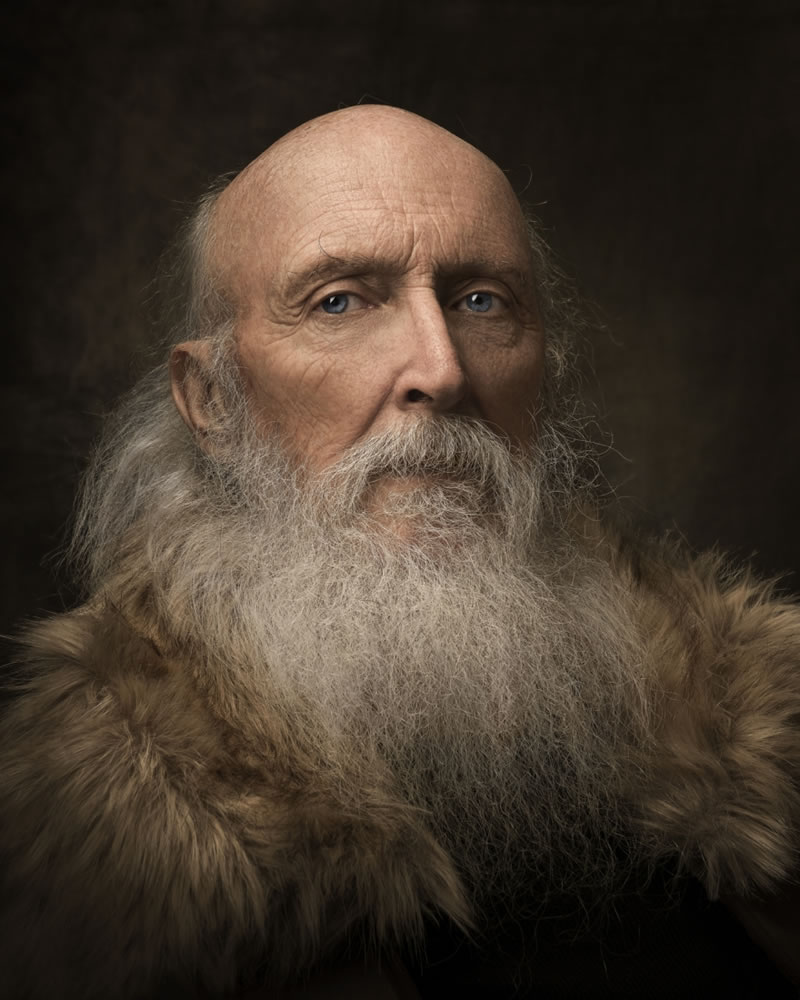
#36 Portrait: 1st Place Winner – The Duke by Ting Ting Chen
#37 Seascape: 1st Place Winner – Aerial Expressions by Fudz Qazi
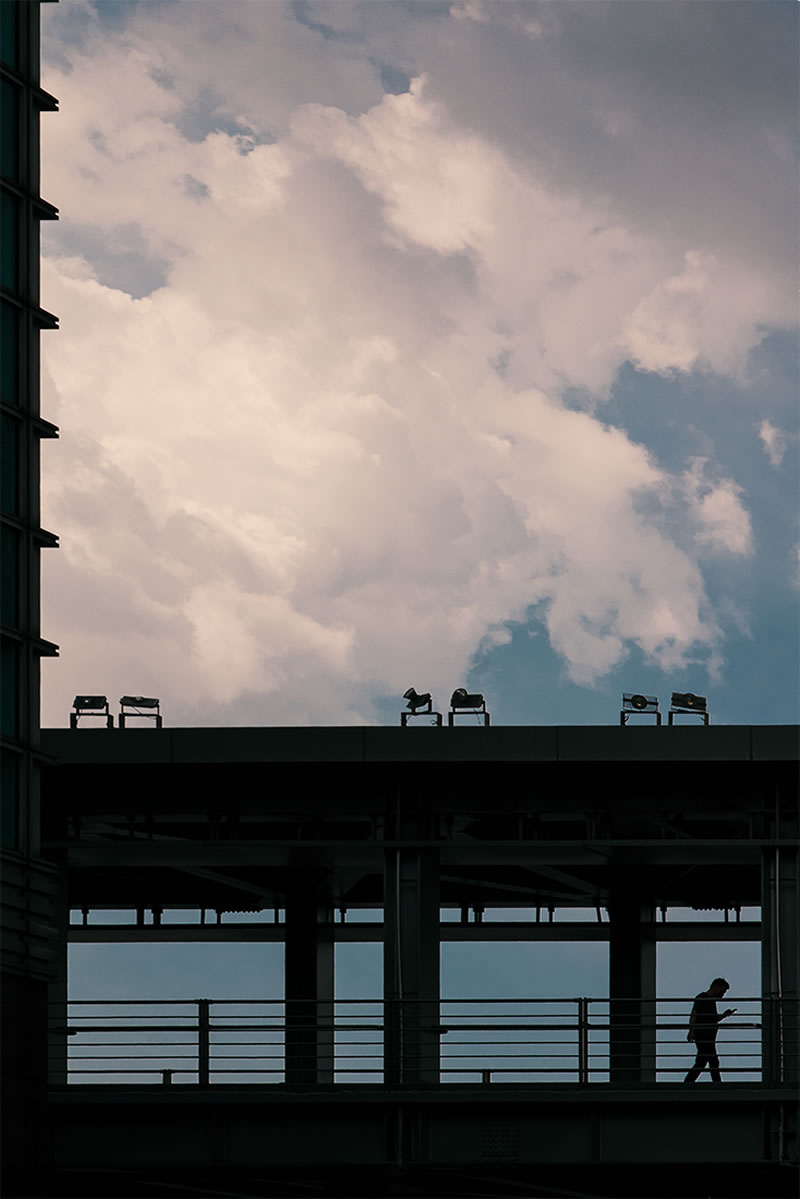
#38 Street: 1st Place Winner – Existence by Chuan-Chun Hao
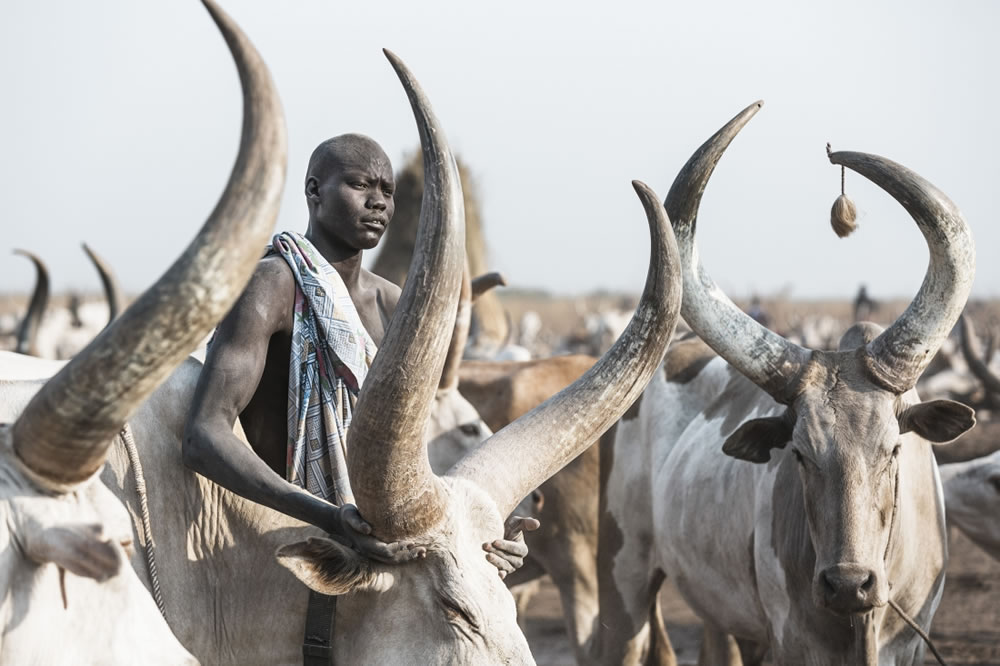
#39 Travel: 1st Place Winner – Cattle Herders of South Sudan by Joe Buergi
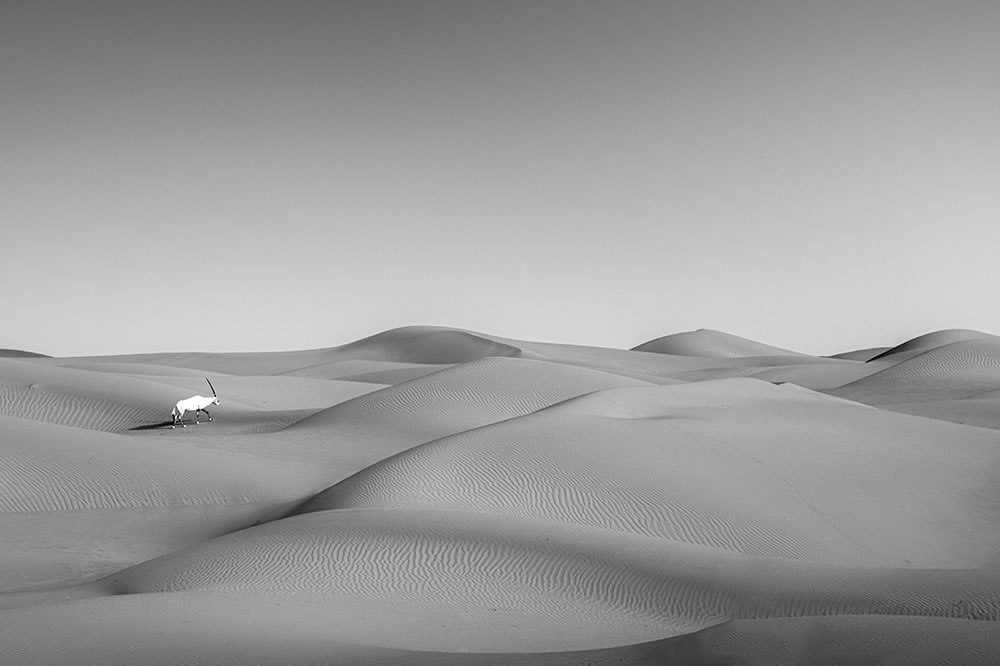
#40 Wildlife / Animals: 1st Place Winner – Arabian Orynx by Antonio Coelho
For those who don’t like the whimsical Pay animation that appears after using Google Wallet, a new setting can disable it.
“Success animations” is a new on/off toggle at the bottom of Google Wallet settings: “See fun animations after you complete a payment or use a pass.” Seasonal in nature, they appear above your card, but can now be disabled so that just the checkmark and “G Pay” logo appears.
First previewed in June and announced again last month, Google Wallet’s new ability to add a “Photo” pass by snapping the barcode or QR code is starting to appear for some users. Once available on your device, the “Add to Wallet” FAB will show a sixth option:
Payment card
Transit pass
Loyalty
Gift card
ID Card
Photo: Create a pass using a photo with a barcode or QR code
Our Max Weinbach encountered this on a Pixel 8 Pro, but it’s otherwise still not yet widely rolled out.
Meanwhile, the “Google Wallet” app that appears in the Play Store switched to a versioning system that takes after Google Play services last month. It’s now 23.38.x instead of 2.203.x. This application provides a homescreen icon, but the underlying payment and card list functionality works without it and can be accessed from the “Wallet” Quick Settings Tile.
In other miscellaneous updates, the redesign that makes the Wallet UI more compact looks to only be widely rolled out on the Pixel 8, 8 Pro, and Fold, with the latter device recently adding support for the ID Card option.
More on Google Wallet:
FTC: We use income earning auto affiliate links. More.