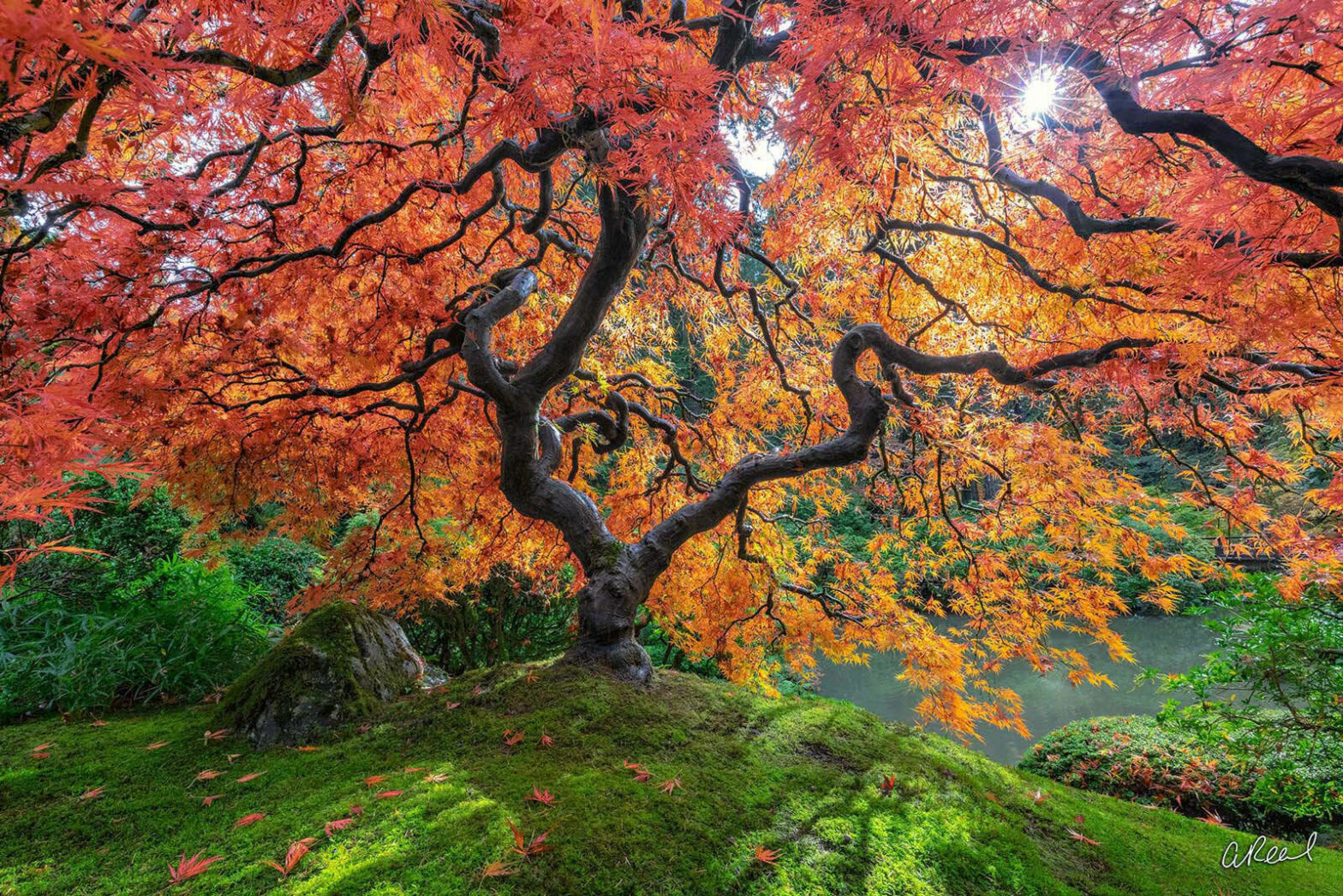
Japanese Garden Photography Wall Art

[ad_1]

The Art of Japanese Gardens

Humans have always struggled to find ways of keeping in touch with nature as farming, industry, and modern cities have pushed away and fenced off the natural world around us.

Solutions to this problem have ranged from National Parks to municipal landscaping, but none have rivaled the harmony and perfect synthesis of the traditional Japanese garden. For a millennium and a half, these sculpted enclaves of nature have provided inspiration and relaxation, and today they are widely viewed by photographers, artists, architects, and more as one of the most beautiful and important expressions of art and design.
Heaven's Gate | Japanese Maple Tree Photograph for Sale by Aaron Reed

A legendary Japanese maple at the height of its autumn spendor sits on a hillside inside the Japanese garden in Portland, Oregon. Fine Art Limited Edition of 100.

The History of Japanese Gardens

Japanese gardens were first imported from China in the 6th century Asuka period, when Chinese gardening methods and design elements were fused with aspects of the local landscape. The high mountains, great forests, running streams, and deep valleys were all reproduced in miniature around the palaces of nobles, the only ones who could afford such stylistic expression at the time.

Chinese influence increased during the Heian Period (794-1185), when much of the Tang Dynasty governmental apparatus, writing system, and culture were imported to the Japanese islands. Zen Buddhism began to flourish during this period, and more complex ideas about organization, flow, and aesthetic were combined with philosophical doctrines to produce the first set of stylistic principles for garden design.

These ideas were further developed and cemented during the Kamakura Period (1192-1333), rendering these gardens more recognizable and popular. By the time of the Muromachi Period (1338-1573), they were seeing wider adoption by the public in shared and private spaces. This resulted in a profusion of new styles and philosophies, and by the Edo Period (1603-1867), garden design had become a nationwide artform, engaged in by every level of society.

Since the 1800s, many Japanese households have transformed their traditional interior courtyards into smaller gardens. Because of the spatial constraints, miniaturization is often taken to the extreme, and looking out from the rooms of the house, one has the sense of gazing out over a vast wild landscape. This importation into the home has also allowed each individual or family to design their gardens according to their own aesthetic sensibilities. Today, new creative ideas and elements are emerging all the time alongside a continued respect for and preservation of the antique gardens still standing.

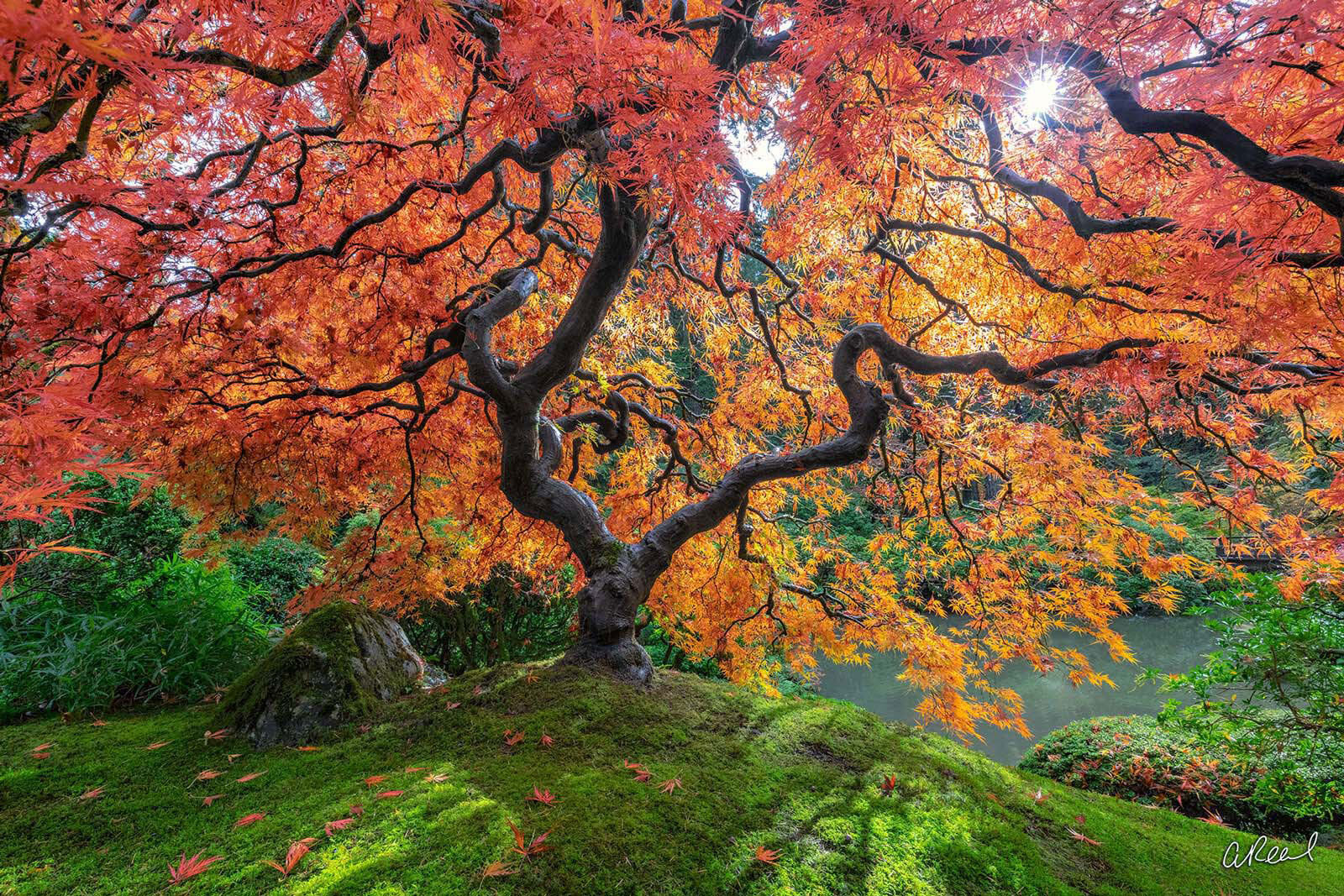
A Twisted Japanese Maple Tree During Fall Inside Portland's Japanese Garden | Tree Photography for Sale by Aaron Reed

A small twisted Japanese maple tree shows off its autumn color inside the Japanese garden in Portland, Oregon. Fine Art Limited Edition of 50.

Beauty By Design | Essential Elements

The many different styles of Japanese garden each have their own sets of elements and features, but there is much overlap, and some parts which are shared by all.

Water

Water is a core aspect of Japanese gardens. Water can either be represented literally, by small streams, miniature waterfalls, small ponds, or placid lakes. Dry riverbeds are also relatively common, invoking the essence of a flowing river or paying homage to the islands’ dry season. In Zen rock gardens, sand and gravel represent water while not impinging on the spatial balance. Japanese gardens always have water, either a pond or stream, or, in the dry rock garden, represented by white sand. In Buddhist symbolism, water and stone are the yin and yang, two opposites that complement and complete each other. A traditional garden will usually have an irregular-shaped pond or, in larger gardens, two or more ponds connected by a channel or stream, and a cascade, a miniature version of Japan’s famous mountain waterfalls.
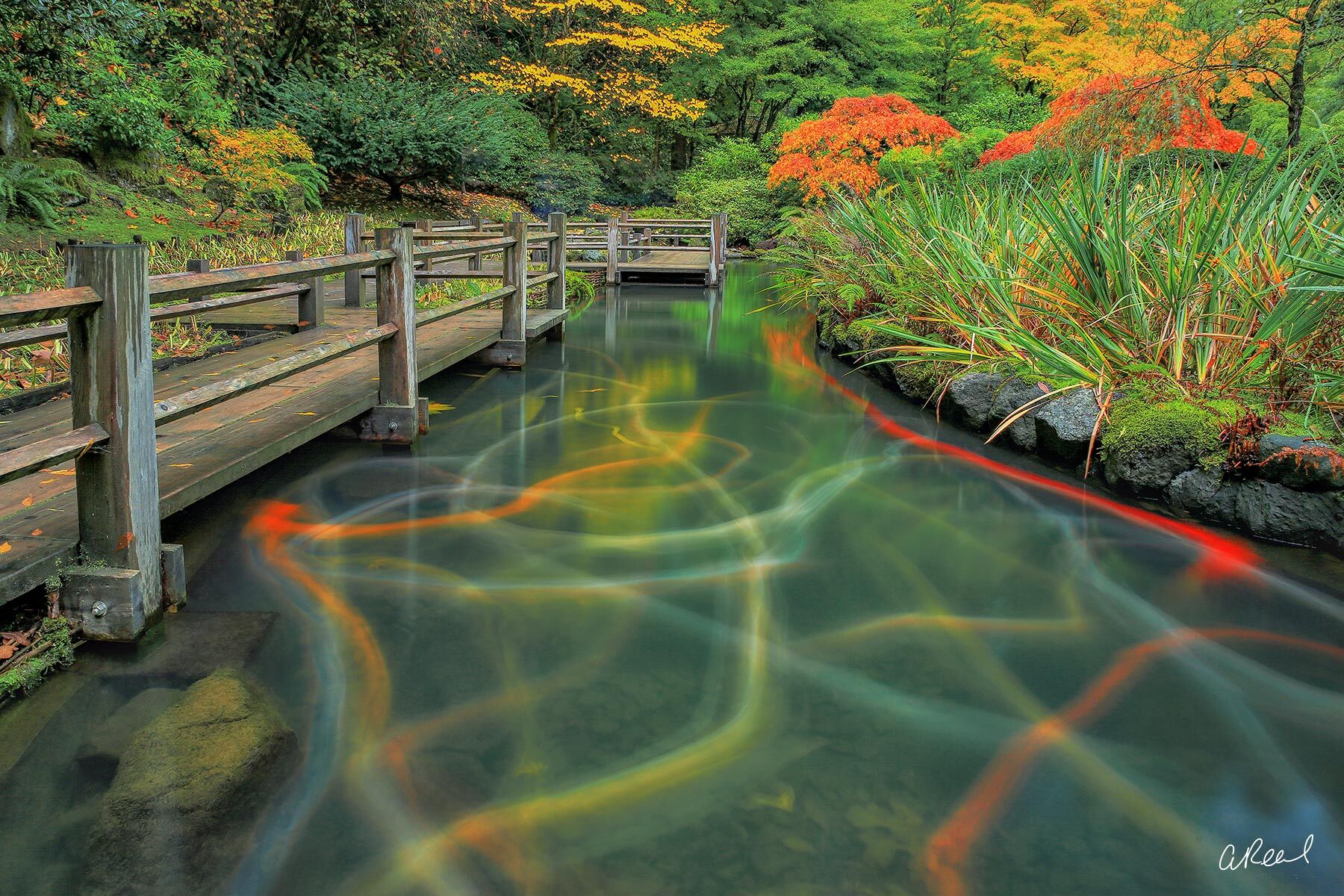
Electric Slide
Fine Art Limited Edition of 50 – Japanese gardens first appeared on the island of Honshu, the large central island of Japan. Their aesthetic was influenced by the distinct characteristics of the Honshu landscape: rugged volcanic peaks, narrow valleys, mountain streams with waterfalls and cascades, lakes, and beaches of small stones. They were also influenced by the rich variety of flowers and different species of trees, particularly evergreen trees, on the islands, and by the four distinct seasons in Japan, including hot, wet summers and snowy winters.

Trees/Shrubs

One of the most stunning aspects of Japanese gardens is their botanical variety. Twisted and moss covered trees are one of my personal favorite photographic subjects. Most gardens are populated by carefully manicured evergreens, their twisting forms calling to mind windswept coastlines or high mountain passes. Cherry trees spread their rosy blossoms over rolling meadows bounded by expertly carved shrubbery. Japanese maple trees have become synonymous with the natural harmony of these gardens, and their star-shaped leaves exchange their vibrant colors with the passing of each Autumn before falling silently to rest on the soil below. Emerald mosses are encouraged to mottle the grey stones of walkways and paths.

Rocks & Sand

Rock, sand and gravel are an essential feature of the Japanese garden. A vertical rock may represent Mount Horai, the legendary home of the Eight Immortals, or Mount Sumeru of Buddhist teaching, or a carp jumping from the water. A flat rock might represent the earth. Sand or gravel can represent a beach, or a flowing river. Rocks and water also symbolize yin and yang (in and yō in Japanese) in Buddhist philosophy; the hard rock and soft water complement each other, and water, though soft, can wear away rock.

In ancient Japan, sand (suna) and gravel (jari) were used around Shinto shrines and Buddhist temples. Later it was used in the Japanese rock garden or Zen Buddhist gardens to represent water or clouds. White sand represented purity, but sand could also be gray, brown or bluish-black.
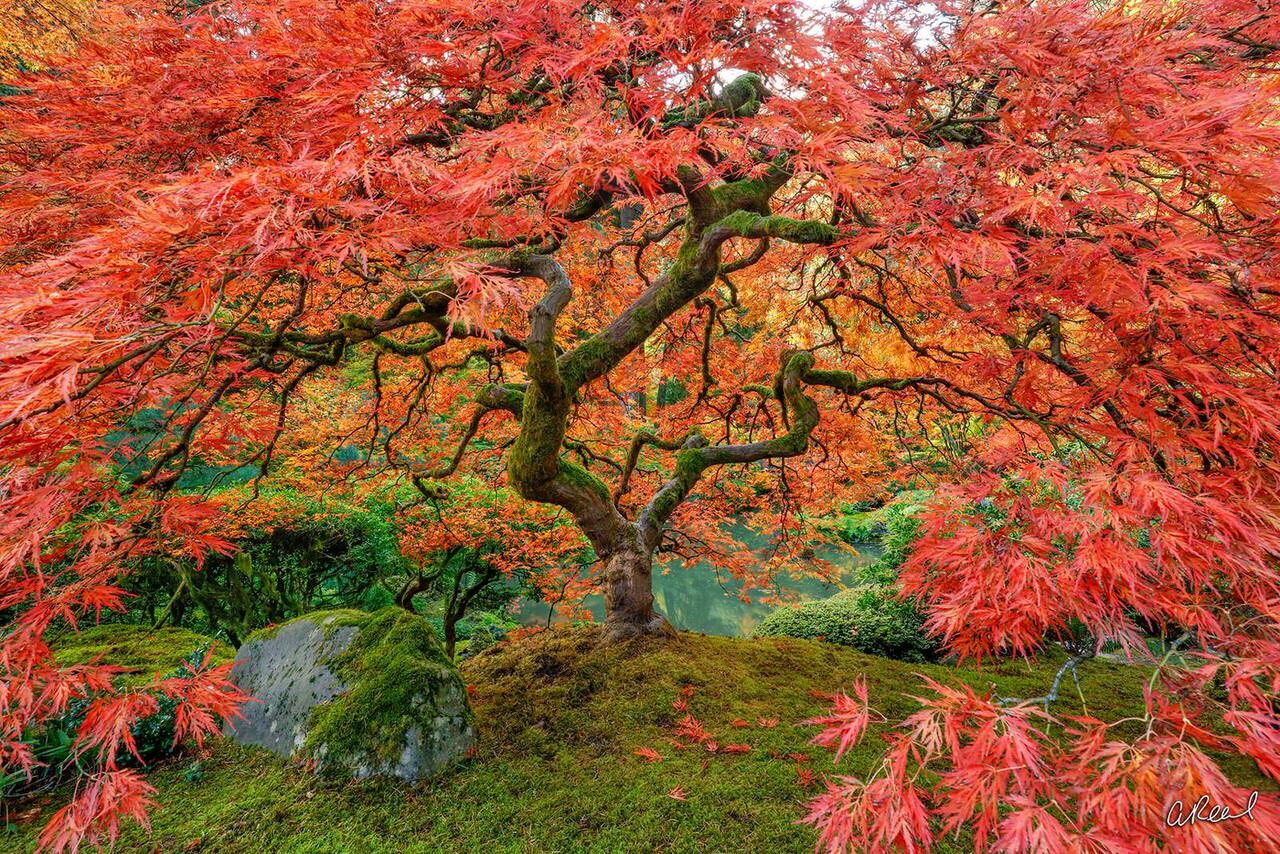
A Photograph of a Japanese Maple Tree With Expansive Branches and Red Leaves During Fall | Tree Photography for Sale by Aaron Reed

The Portland Japanese garden boasts multiple maple trees, but none more famous than this lace leaf maple photographed at the height of autumn. Fine Art Limited Edition of 200.

Islands

To replicate the foggy mountainscape of Japan’s high places, artificial islands are constructed in many gardens. Their tops offer stunning vistas of the miniature landscape below and their bases are often bordered by lakes and ponds, representing the ocean. These features, along with the trees, create a much more interesting and diverse topography, with many different levels and angles serving to alternatively hide and reveal various aspects of the space.
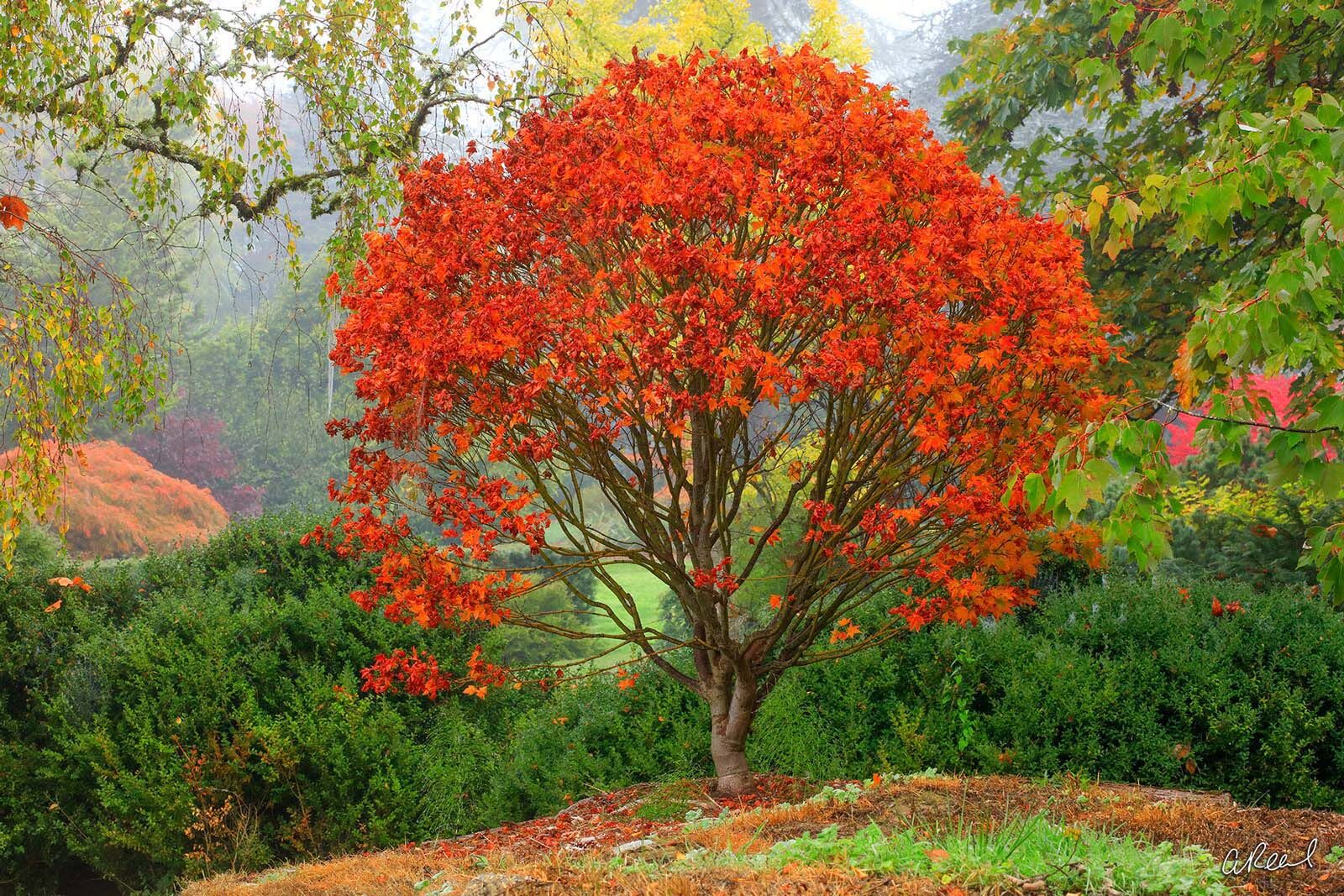
The Burning Bush | Short Tree With Bright Red Leaves on a Hill During a Foggy Morning | Fine Art Photography for Sale by Aaron Reed

Elevate your home with Aaron Reed’s limited edition photography print, The Burning Bush, from his Amazing Tree Photography collection. Order yours today! Fine Art Limited Edition of 50.

Statues

Beneath the shady boughs and in many a hidden glen, visitors to Japanese gardens will find collections of statuary. These sculptures may depict monks, philosophers, ordinary folk, or even the Buddha himself. Like the many stones in these gardens, they too are encouraged to affect a mosaic of colored lichens and moss.

Bridges and Walkways

Not only the appearance of Japanese gardens is important, but also their presentation. Paths and promenades wind through the landscape, revealing new scenes and vistas with every turn. Allowing visitors to experience each little spot of beauty one at a time creates a much more immersive and interesting experience than laying everything out all at once. To cross the many ponds and streams, various ornamented bridges are included. The eye-catching moon bridges can be difficult to cross at times because of their profound arc, but add to the mystic ambience of the gardens.
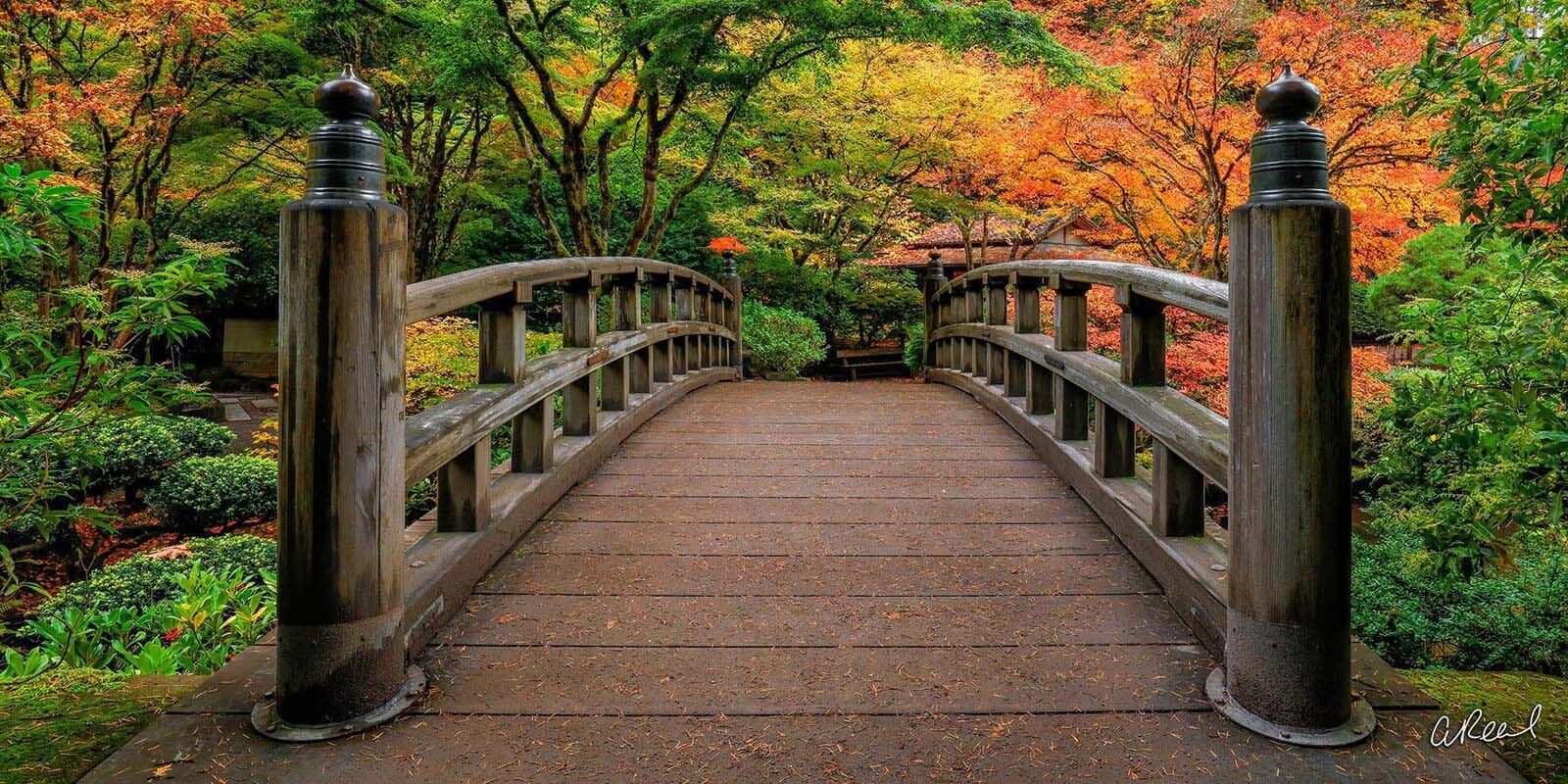
Silent Lucidity Pano

Transform your space with Aaron Reed’s luxury fine art photography print, Silent Lucidity, from his Panoramic Wall Art collection. Order yours today! Fine Art Limited Edition of 100.

Shrines

Some gardens, especially those constructed in the Zen tradition, may feature small shrines and temples to various deities and religious figures. Not all of these are accessible to the visiting public, but their towering pagodas or secluded refuges are a nice human touch which blend with the nature around them.

Lanterns

Another kind of sculpture which deserves its own section are the Japanese stone lanterns or tōrō. These can be hidden away among the shady trees and shrubbery or gathered in rows or collections along the garden paths. Traditionally, lanterns are composed of five parts representing the five elements of nature—earth, water, fire, air, and spirit. Much improvisation and creative innovation has taken place in lantern design, and not all elements may be present, but most still retain their carved base, taloned cap, and void-like central chamber.
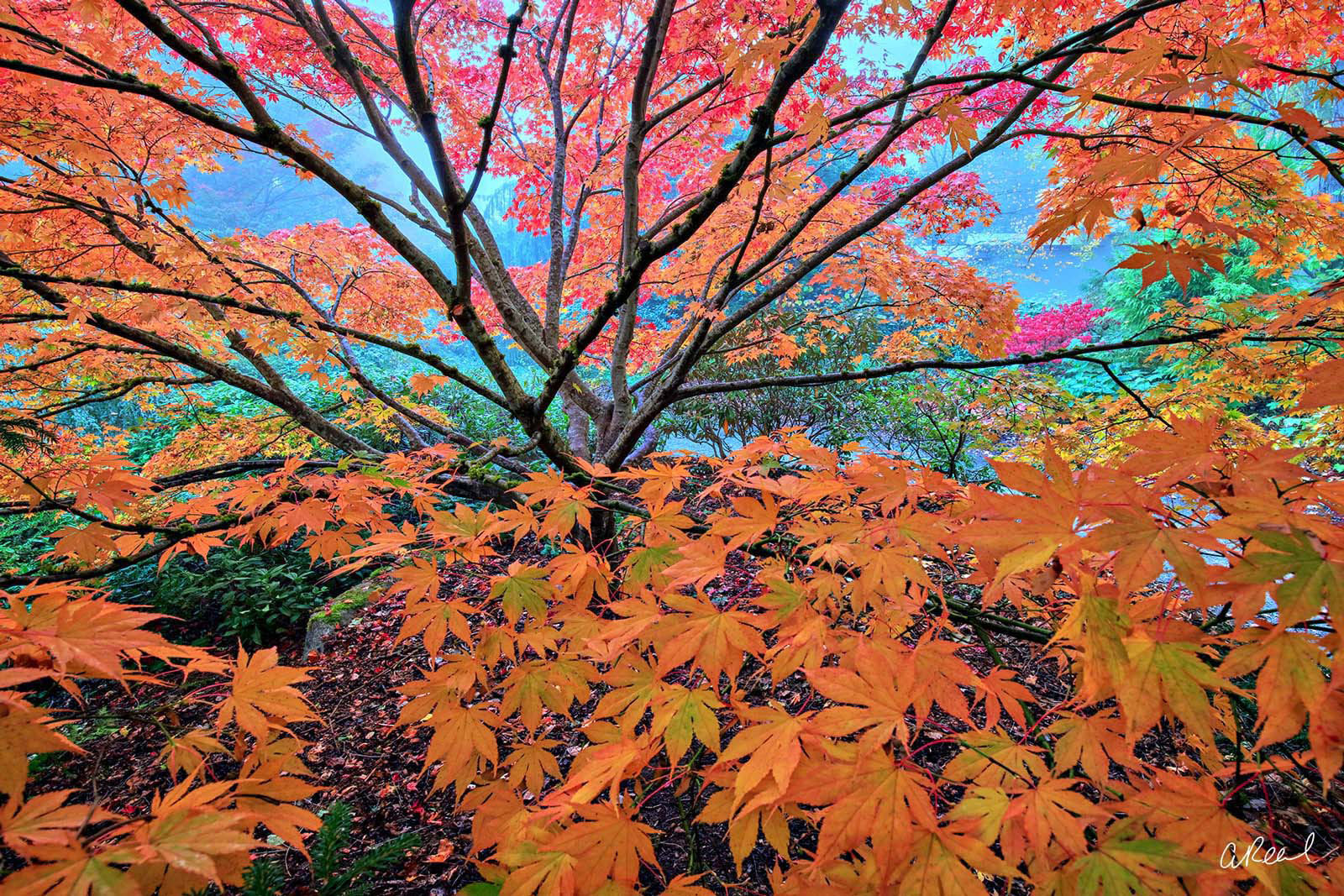
A maple tree photograph with large leaves in a garden on a foggy autumn morning.

A beautiful autumn morning blanketed by fog inside the Kubota garden in Seattle, Washington. Fine Art Limited Edition of 50.

Fish

The use of fish, particularly nishiki-goi (colored carp), medaka or goldfish as a decorative element in gardens was borrowed from the Chinese garden. Goldfish were developed in China more than a thousand years ago by selectively breeding Prussian carp for color mutations. By the Song dynasty (960–1279), yellow, orange, white and red-and-white colorations had been developed. Goldfish were introduced to Japan in the 16th century. Koi were developed from common carp (Cyprinus carpio) in Japan in the 1820s. Koi are domesticated common carp that are selected or culled for color; they are not a different species, and will revert to the original coloration within a few generations if allowed to breed freely. In addition to fish, turtles are kept in some gardens. Natural environments in the gardens offer habitats that attract wild animals; frogs and birds are notable as they contribute with a pleasant soundscape.
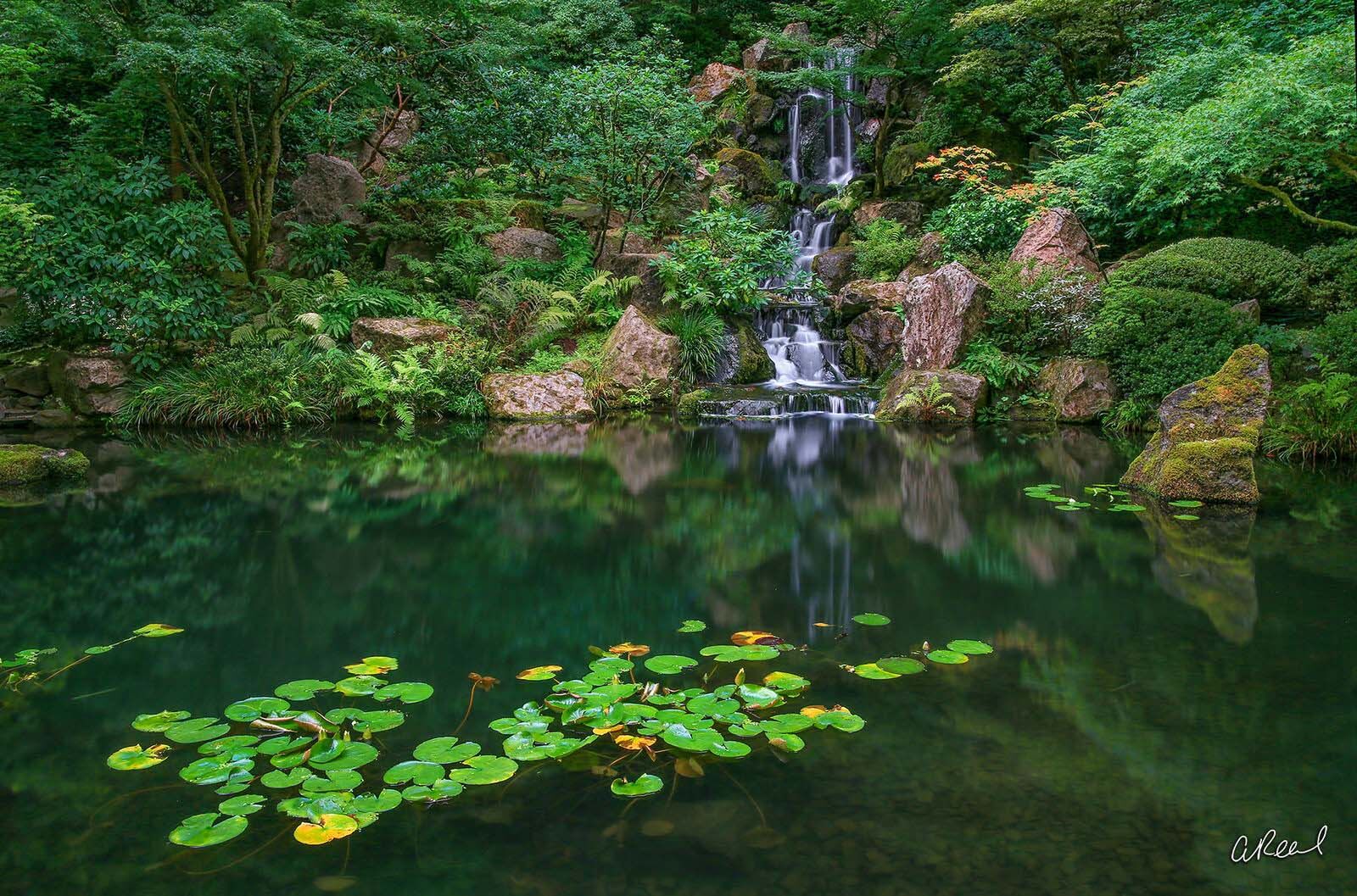
Feeling Green

Adorn your walls with Aaron Reed’s limited edition photography print, Feeling Green, from his Oceans & Rivers Luxury Art collection. Order yours today! Fine Art Limited Edition of 50.

The Art and Experience of the Japanese Garden

Together, these and many other design elements have been mixed and matched to derive a multitude of unique styles and aesthetics. Regardless of how they are arranged, though, a deep harmony is always achieved which has fascinated and inspired artists and the public for centuries.

Gardens have figured heavily in Japanese art since their creation. Paper prints, screens, and household items from many eras display nobles strolling alongside lakes beneath maples and cherry trees. Other works focus on the gardens themselves, reproducing quiet scenes from the interior courtyards and temple grounds that have always dotted cities Kyoto and Tokyo. Even today, gardens are often seen in manga and animated shows and movies, given meticulous detail to further publicize the beauty and history of their design.

Photographers have been especially taken with the artistic precision and attention to composition and view in these spaces. Photography is one of the best ways to capture the numerous unique perspectives and minute details of these gardens, and many professional photographers visit them throughout the year to document and capture the seasonal changes and variations in light and atmosphere. The fine artworks produced by professional photographers have also helped to drive greater appreciation for these sacred spaces across the globe.

Anyone who has visited a Japanese garden will be familiar with the sense of calm and peaceful tranquility which pervades them. Many come to see the wonders of their natural design, others to unwind, relax, and reflect. Throughout the world they are known as pinnacles of aesthetic excellence, and though much has changed since their inception, they still speak to the deeper need we all have to join our daily lives to the natural world.

Zenetics | Abstract Photography | Aaron Reed

Transform your space with Aaron Reed’s limited edition photography print, Zenetics, from his Abstract Nature Photography collection. Order yours today! Fine Art Limited Edition of 50.

The Portland Japanese Garden

As a Portland native, the Portland Japanese Garden will always be a special place to me and one that I visit almost every year to photograph during the autumn season when the garden springs to life with color.

The Portland Japanese Garden sits nestled in the hills of Portland, Oregon’s iconic Washington Park, overlooking the city and providing a tranquil, urban oasis for locals and travelers alike. Designed in 1963, it encompasses 12 acres with eight separate garden styles, and includes an authentic Japanese Tea House, meandering streams, intimate walkways, and a spectacular view of Mt. Hood. This is a place to discard worldly thoughts and concerns and see oneself as a small but integral part of the universe.

Born out of a hope that the experience of peace can contribute to a long lasting peace. Born out of a belief in the power of cultural exchange. Born out of a belief in the excellence of craft, evidence in the Garden itself and the activities that come from it. Born out of a realization that all of these things are made more real and possible if we honor our connection to nature.
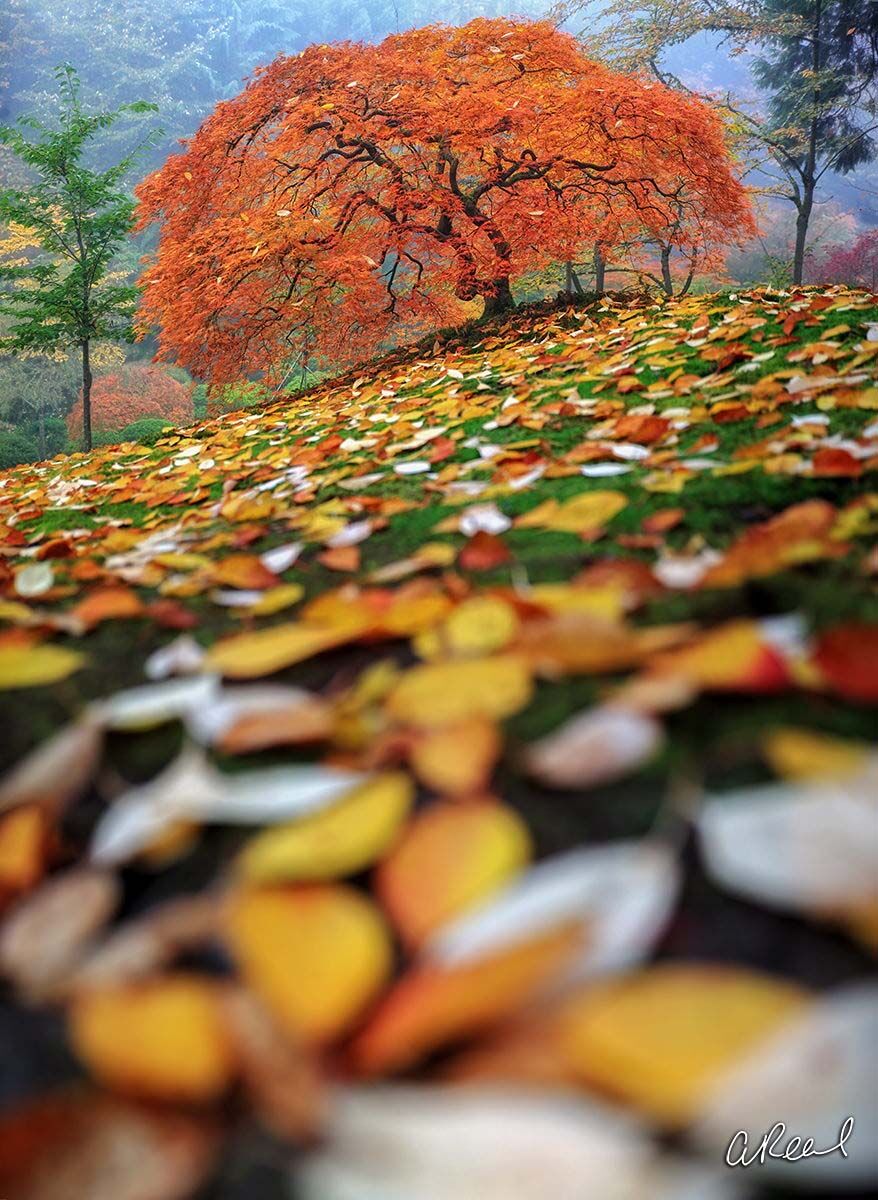
Colorfall

Transform your space with Aaron Reed’s limited edition photography print, Colorfall, from his Vertical Luxury Photography collection. Order yours today! Fine Art Limited Edition of 100.

Portland Japanese Garden Art

The Portland Japanese Garden is a natural vehicle through which to explore Japanese art and design. Art exhibitions explore ideas and aesthetics integral to the fabric of life in Japan. Introducing a wide array of artists and art forms, these exhibitions will reflect on ways we experience peace through connections to art, nature, and one another.

Of all the work I have produced over the years, images created inside the Portland Japanese Garden has been some of my most successful. The simplicity, serenity and peace found inside the garden can be brought inside your home through beautiful artwork created here. To see more and take a virtual stroll through the garden from your chair, please browse the rest of my Japanese Gardens Art Collection and find a piece to bring home to your collection today!
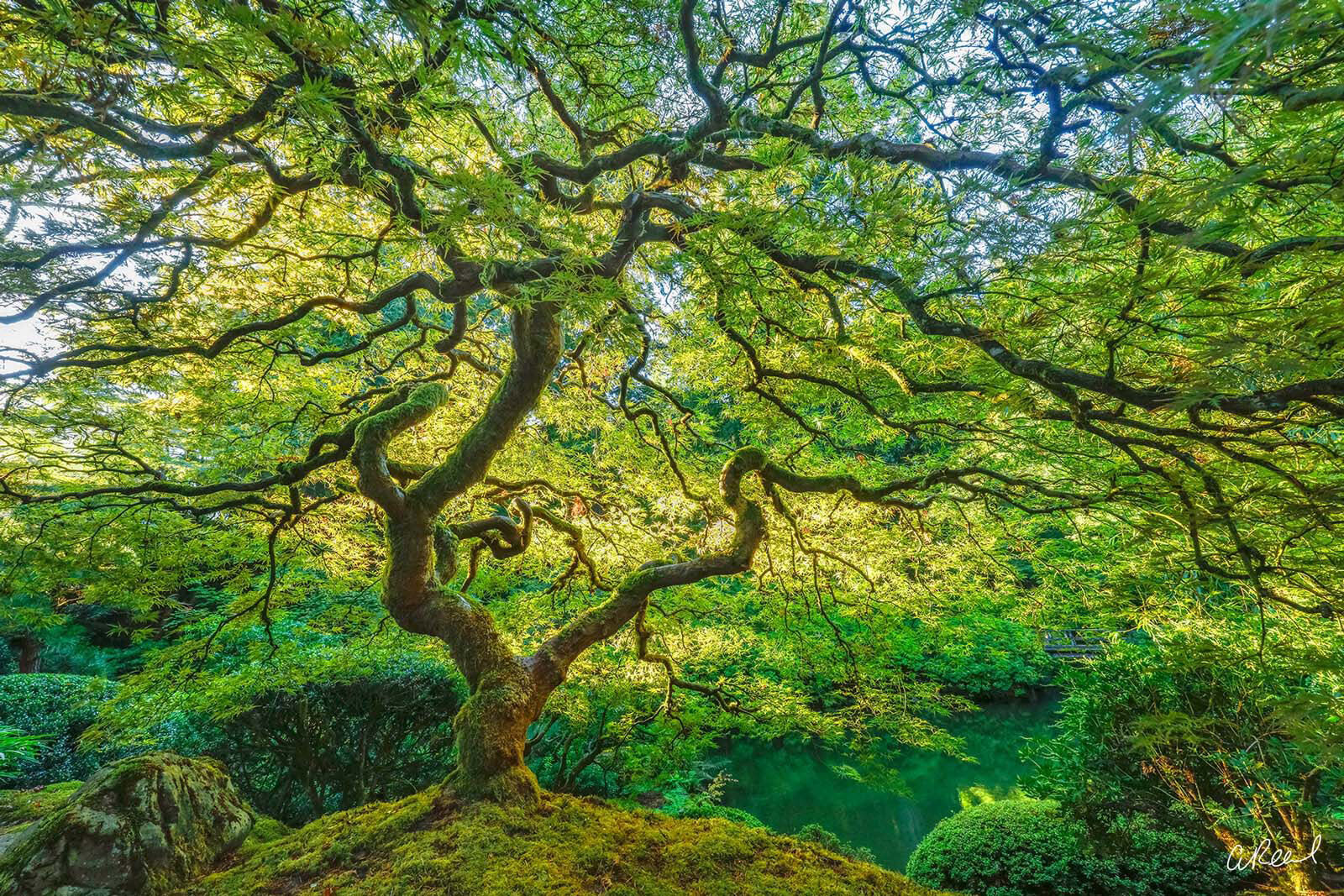
A photograph of a green Japanese maple tree backlit by the sun with golden light shining through.

While fall is the season of choice to photograph this popular Japanese Maple tree, the end of summer provides fresh green growth and a distinctly difference yet equally beautiful image inside the Portland Japanese Garden in Oregon State. Fine Art Limited Edition of 100.
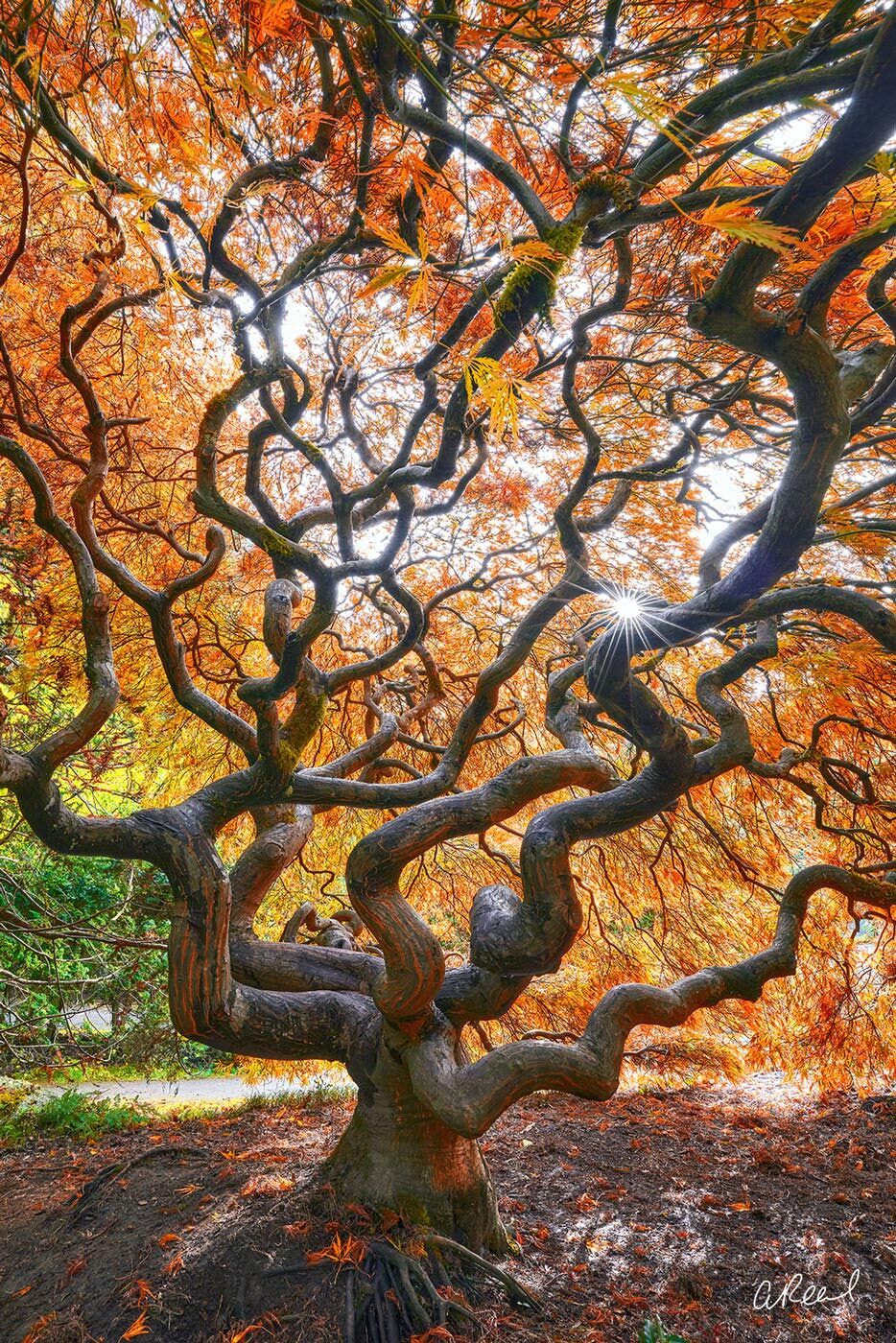
The Shining

Elevate your home with Aaron Reed’s limited edition photography print, The Shining, from his Newest Work Photography collection. Order yours today! Fine Art Limited Edition of 50.

[ad_2]
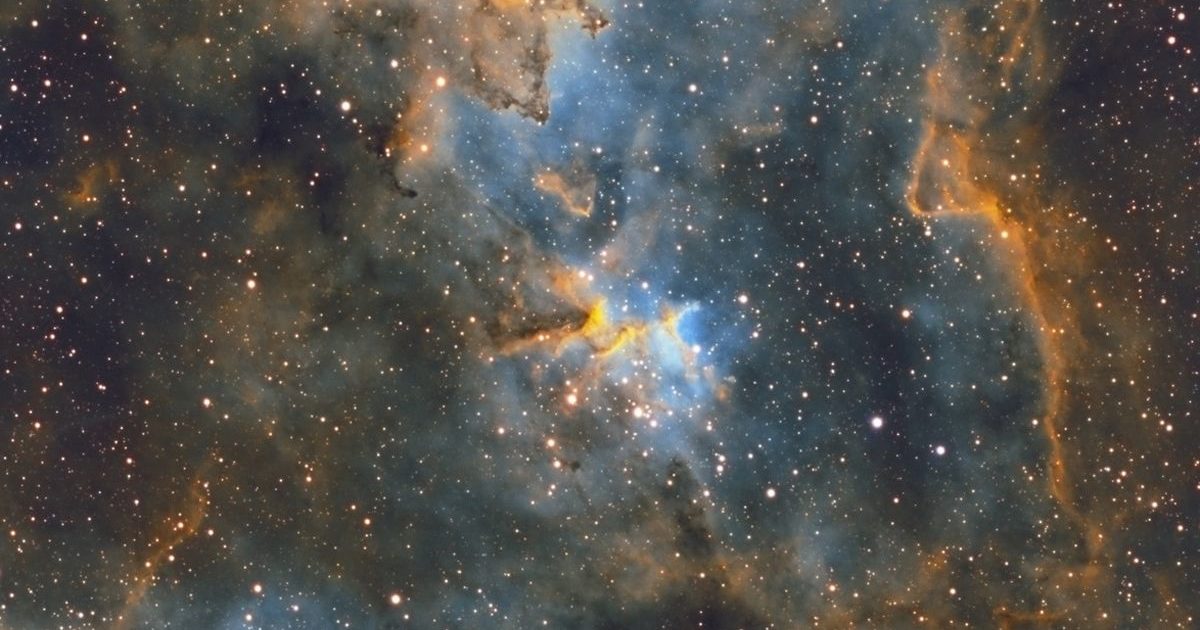
Astrophotographer to give tips on night sky pics

[ad_1]

The Andromeda Galaxy as captured by award winning astrophotographer James Cahill.
JEC ASTROPHOTOGRAPHY PHOTO

MOUNT DESERT — Astrophotography is no longer limited to NASA and other organizations with big telescopes. Recent improvements in technology have enabled more amateurs to take amazing photographs of the night sky, from near objects such as the moon and the planets, to galaxies, nebulae and other objects in outer space.  

On Tuesday, Nov. 8 at 6:30 p.m., the MDI Photo Club will be hosting a Zoom talk by award-winning amateur astrophotographer James Cahill. The public is welcome to join the presentation in which Cahill will share the equipment and techniques needed for night sky photography and show some of his stunning deep space photographs.   

Cahill is an IT specialist by day and amateur astronomer and astrophotographer at night. His work is shot primarily in Bucks County, Pa., but he also visits dark sky areas in Maine, Pennsylvania and other states on the East Coast. His work in astrophotography ranges from capturing nearby solar system objects to deep sky objects and wide field shots of the Milky Way.  

Cahill started with a webcam, imaging the moon and other planets. After that, he was hooked, adding equipment to start taking pictures of objects farther away like nebulae, galaxies and star clusters. Pairing a digital camera and using the telescope as a “lens” has enabled him to take pictures of what has always been his passion –the night sky.  

Cahill recently received the patron’s award for the 2020 Phillips Mill Photography Exhibition, in New Hope, Pa. His astrophotography can be viewed on Instagram @jec_astrophotography. 

Non-members of the MDI Photo Club who are interested in attending this presentation should send an email to [email protected] to receive the Zoom link. 

[ad_2]
UNCG photography students working to share view of the world through the eyes of the blind

[ad_1]

GREENSBORO, N.C. (WGHP) — Tens of thousands of people drive or walk by a large rick building on West Gate City Boulevard in Greensboro every day. Many, with no knowledge of what goes on inside. But under that roof, hundreds of people with a similar impairment found a new way of navigating the workforce.

“Some people have gone through some things, some people have experienced some great lifestyle changes,” said Sherrie Thompson, a receptionist at the operation.

The business is Industries Of The Blind, a non-profit that’s secured several large contracts since its first one-million-dollar contract in 1962. Presently, workers construct anything from pens to items for the U.S. Army. Its mission statement is “To provide opportunities for employment and personal development for people who are blind or visually impaired to achieve greater independence.

“I still have a very good memory of how things used to be,” Thompson said.

When she was 19, Thompson said she was a freshman in college, engaged, with a baby on the way. In a matter of three weeks, an overabundance of fluid on her brain and spine stole her sight.

“I’ve had to experience not-so-good things, but to be where I am now, I wouldn’t trade it for anything, honestly,” she said.

While Thompson and colleague Michelle Torain both lost their vision after being able to see for much of their lives, their stories are dramatically different.

“I woke up on February the 14, 2013, I woke up blind,” Torain said. “I cried for three days. I shut my door and I cried for three days. Just cried, cried, cried.”

Torain said she lost her vision due to hereditary Type 2 Diabetes. While also out of her control, her first major life challenge happened about 48 years earlier.

“When I was three months old my mother gave me away,” she detailed.

It was a cold October night, when she said her birth mother left her on her father’s sister’s doorstep. She said her aunt kept hearing a crying child, and after checking her house, opened the door to find Torain with her one bottle and a blanket. Her aunt’s dog had found her first and laid on top of her to protect her from the cold.

“How I got saved was by that dog. That dog laid on top of me and kept me warm,” she said.

Though Thompson and Torain’s life stories have few mutual details, both were about to share them with students who meet just across the train tracks running behind Industries Of The Blind.

“They’re talented students,” Thompson said. “I want to see how they’re going to put their minds to it.”

Industries of the Blind has teamed up with students at UNC Greensboro to create pieces of art demonstrating what the world looks like through the eyes of the visually impaired. This year, they’re doing so through photography.

“We start talking and it’s like how do I transform that into something physical,” said UNCG senior Jenna Futrell, who’s been paired with Thompson.

The students interview the employees, learning about their lives and perception of the world in an attempt to bring it to light, even though their view has long been dark.

“I still have a very good memory of how things used to be,” Thompson said, saying her every day is similar to waking up in your room at night, trying to make your way through the room with only shadows as guides.

“I can see shadows, I can see the light,” Torain said, glancing up at the light FOX8 used while interviewing her.

“You want to make sure it’s perfect because it is about someone else,” Futrell said.

The students will complete their projects in a few weeks. Once they’re completed, they’ll be put up on the side of the Industries Of The Blind building, just as previous students’ projects have been.

“It just brings tears to my eyes when I talk about this story, because it hurts me. It really hurts,” Torain said. “It hurts.”

For more information about Industries of the Blind, click here.

[ad_2]

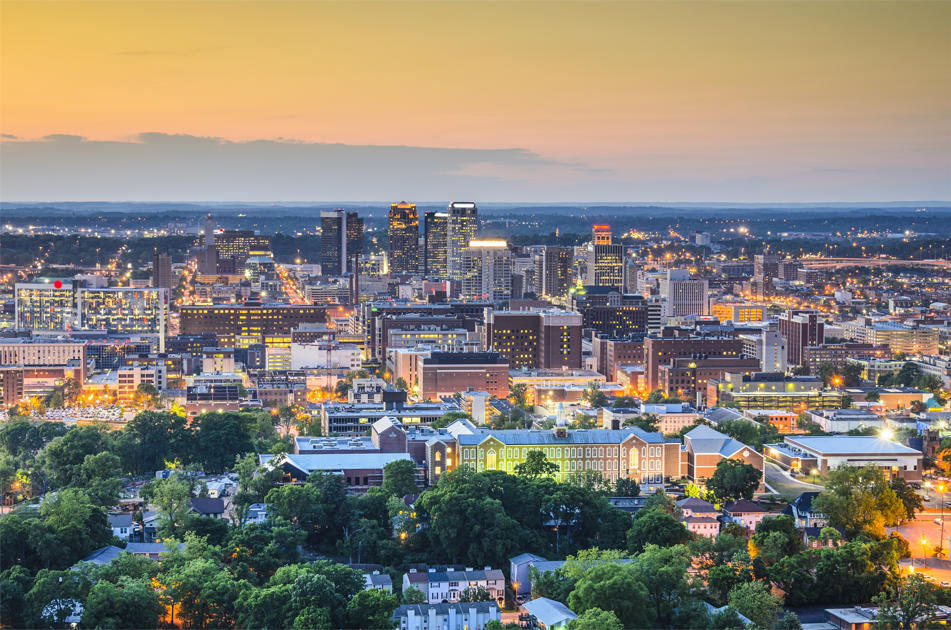
16 Most photo-worthy spots in Birmingham!

[ad_1]

Birmingham is a city in the north central region of the U.S. state of Alabama. Birmingham is the seat of Jefferson County, Alabama’s most populous county. As of 2020, Birmingham had a population of 200,733, making it Alabama’s second-most populous city after Huntsville. The broader Birmingham metropolitan area had a 2020 population of 1,115,289, and is the largest metropolitan area in Alabama as well as the 50th-most populous in the United States. Birmingham serves as an important regional hub and is associated with the Deep South, Piedmont, and Appalachian regions of the nation.

In Birmingham you will find some beautiful attractions that you just cannot miss! Places like Birmingham Museum Of Art, Bon Secour National Wildlife Refuge, and Ruffner Mountain Nature Center and many more. Continue reading to know more.


Birmingham


© Provided by Microsoft Travel (SeanPavonePhoto Getty Image)
Birmingham


The bright and beautiful, Birmingham Museum of Art.


© Provided by Microsoft Travel (Smartin69 Getty Image)
The bright and beautiful, Birmingham Museum of Art.

Founded in 1951, the Birmingham Museum of Art in Birmingham, Alabama, has undoubtedly one of the finest art collections in the Southeastern United States. The Museum features a large collection of paintings and sculptures from the Renaissance and Baroque periods. There are more than 25,000 objects that represent a rich panorama of cultures from Asian, European, American to African, Pre-Columbian periods.


Bon Secour National Wildlife Refuge is 7,157 acres filled with wildlife and greenery perfect for outdoor activities.


© Provided by Microsoft Travel (Richard_Pearlman Getty Image)
Bon Secour National Wildlife Refuge is 7,157 acres filled with wildlife and greenery perfect for outdoor activities.

Bon Secour National Wildlife Refuge, located in Alabama, is one of the best places to visit and do outdoor activities. It features a 40-acre lake where visitors could fish or just admire the sea turtles during summer. The place is also perfect for those who want to watch migratory birds as it features a migratory bird stopover.


Visit the Ruffner Mountain Nature Center where it offers various outdoor activities and beautiful views of nature.


© Provided by Microsoft Travel (Alabamarecreationtrails Image)
Visit the Ruffner Mountain Nature Center where it offers various outdoor activities and beautiful views of nature.

Ruffner Mountain Nature Center, located in Alabama, is perfect for those who love the great outdoors. The center is perfect for various outdoor activities and offers breathtaking scenery. The center features 14 miles of trails and a protected area for native flora and fauna.


Admire the wondrous views the DeSoto State Park offers as it is situated atop the Lookout Mountain.


© Provided by Microsoft Travel (Scgerding Getty Image)
Admire the wondrous views the DeSoto State Park offers as it is situated atop the Lookout Mountain.

Visitors would surely love to check out the DeSoto State Park as it is situated atop Lookout Mountain and offers magnificent views overlooking nature. The mountain also has waterfalls and wildflowers which visitors should not miss out on seeing. The place is also perfect for various outdoor activities such as hiking and camping.


A sandstone canyon located near Phil Campbell in Franklin County, Alabama.


© Provided by Microsoft Travel (Wikimedia Image)
A sandstone canyon located near Phil Campbell in Franklin County, Alabama.

Dismals Canyon is a natural gorge and is marked as National Natural Landmark because of its uncommon wild rugged character. Many native plants are grown in the canyon. There is a 1.5-mile hiking trail from the canyon floor following the waterfalls. You can also enjoy canoeing and camping here. However, camping is allowed at specific camping sites and cabins.


A mix of nature and history awaits visitors here.


© Provided by Microsoft Travel (Staticflickr Image)
A mix of nature and history awaits visitors here.

This nature preserve is not only composed of awesome natural settings filled with trails for running and hiking. There are historic mines that can be visited, albeit with certain rules or protocols. However, one of the main objectives of this preserve is to conserve plant and animal life like chestnut trees, bats, and frogs. Educating people about the value of preserving biodiversity is another goal of Ruffner Mountain Nature Preserve. The natural park does this partly through the Nature Center, which has informative exhibits.


Aldridge Botanical Gardens is a place filled with beautiful and vibrant flowers located in the heart of the busy city.


© Provided by Microsoft Travel (Jacqueline Nix Getty Image)
Aldridge Botanical Gardens is a place filled with beautiful and vibrant flowers located in the heart of the busy city.

Aldridge Botanical Gardens, located in Alabama, will surely delight those who love gardening and admiring the beauty of nature. It is a 30-acre garden that features different flora and fauna which visitors would surely love to see. Different varieties of flowers are always in bloom every season. Tourists should not miss out on this garden.


Arlington Antebellum Home & Gardens in Alabama was once a plantation and currently houses 6 acres of landscaped gardens.


© Provided by Microsoft Travel (Wikimedia Image)
Arlington Antebellum Home & Gardens in Alabama was once a plantation and currently houses 6 acres of landscaped gardens.

Arlington Antebellum Home & Gardens, located in Alabama, is a mansion that was a former plantation house. It features an Antebellum-era Greek Revival architecture that would surely leave guests in awe. The house also features a collection of 19th-century furniture and textiles that visitors could admire and learn more about.


Cahaba River is the longest free-flowing river in Alabama where it features beautiful scenery.


© Provided by Microsoft Travel (Bjray1 Getty Image)
Cahaba River is the longest free-flowing river in Alabama where it features beautiful scenery.

Cahaba River, located in Alabama, is famous not only due to its length where it is the longest free-flowing river in the city but also because of the beautiful views of nature it provides. The river and its surroundings are also a great place to do outdoor activities such as fishing or hiking.


Birmingham Civil Rights Institute houses an expensive archive of documents regarding civil rights.


© Provided by Microsoft Travel (Wikimedia Image)
Birmingham Civil Rights Institute houses an expensive archive of documents regarding civil rights.

Birmingham Civil Rights Institute, located in Alabama, is an interesting and educational attraction as it houses an expansive archive of documents about civil rights. It also includes nearly 500 recorded oral histories of these rights. Its collections date back to the events of post-World War I racial segregation to the present racial progress.


Sloss Furnaces is considered to be a historical landmark as it is one of the first industrial sites in the states.


© Provided by Microsoft Travel (Wikimedia Image)
Sloss Furnaces is considered to be a historical landmark as it is one of the first industrial sites in the states.

Visitors should try exploring the Sloss Furnaces in Alabama as it once operated as an iron-producing blast furnace from 1882 to 1971. It is considered a historical landmark since it is one of the first industrial sites in the country. Visitors will also learn more about the country during the industrial age through this attraction.


A place perfect for lovers of plants, art, exercise, and healing.


© Provided by Microsoft Travel (Wikimedia Image)
A place perfect for lovers of plants, art, exercise, and healing.

The foot of Red Mountain in the city of Birmingham holds a unique natural refuge that benefits different types of travelers. The Birmingham Botanical Gardens features around 10,000 plants spread across 25 different gardens. For art and photography enthusiasts, the gardens also feature original outdoor sculptures. In case gentle exercise (along with deep or casual conversations) is desired, this area has several miles of walking paths.


A fiery god dominates this tourist attraction.


© Provided by Microsoft Travel (Wikimedia Image)
A fiery god dominates this tourist attraction.

Only the Statue of Liberty is larger than the cast-iron statue of the Roman god Vulcan, which can be found at this site. The mythical god of fire and forge has an imposing presence here to symbolize Birmingham’s origins as an iron manufacturing powerhouse. The museum, on the other hand, is also noteworthy since it features exhibits on geology, metallurgy, mythology, map reading, and fine arts.


The 16th Street Baptist Church is both a Civil Rights historical landmark and an ongoing house of worship.


© Provided by Microsoft Travel (SeanPavonePhoto Getty Image)
The 16th Street Baptist Church is both a Civil Rights historical landmark and an ongoing house of worship.

The Sixteenth Street Baptist Church was established in 1873 as the First Colored Baptist Church in Birmingham. In the early twentieth century, the church relocated to 16th Street and 6th Avenue North. During the Civil Rights Movement, the church served as an organizational headquarters.


This park is perfect for those who love outdoor activities as well as learning about history.


© Provided by Microsoft Travel (Jacqueline Nix Getty Image)
This park is perfect for those who love outdoor activities as well as learning about history.

Tannehill Ironworks Historical State Park, located in Alabama, is the perfect place for those who love doing outdoor activities and history enthusiasts. Visitors could not only learn more about the history of the American iron history in New England but also do outdoor activities. Also, the park offers stunning views of nature. Visitors would surely love the park and visiting it.


Catch a heart-pumping football game at the outdoor stadium of Legion Field.


© Provided by Microsoft Travel (Toddmedia#458603765 Getty Image)
Catch a heart-pumping football game at the outdoor stadium of Legion Field.

Those who want to watch an exciting game of football should head on to the Legion Field, where it is usually used as a venue for American football. The stadium is located in Alabama and has been named after the organization of military veterans. It also prides itself as the “Football Capital of the South,” so football enthusiasts will surely have a pleasant time here.

Visit Birmingham to book a budget friendly trip!

BOOK NOW

[ad_2]

Ladybug Glass Celebrates Second Anniversary

[ad_1]

To celebrate its second anniversary in Algoma, Ladybug Glass Studio & Gallery is featuring new glass and photography pieces by Kimberly Lyon. An opening reception will be held during First Friday Art in Algoma on Nov. 4, 5-8 pm, and it will continue Nov. 5, 10 am – 4 pm. The gallery will also have some specials to kick off its third year. 

Work by Kimberly Lyon.

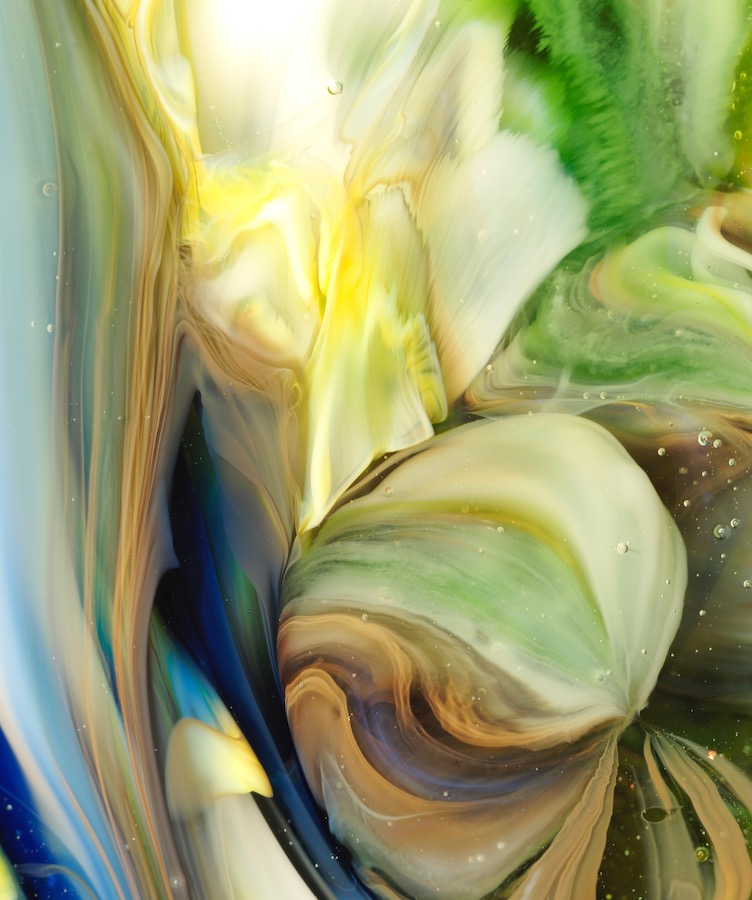
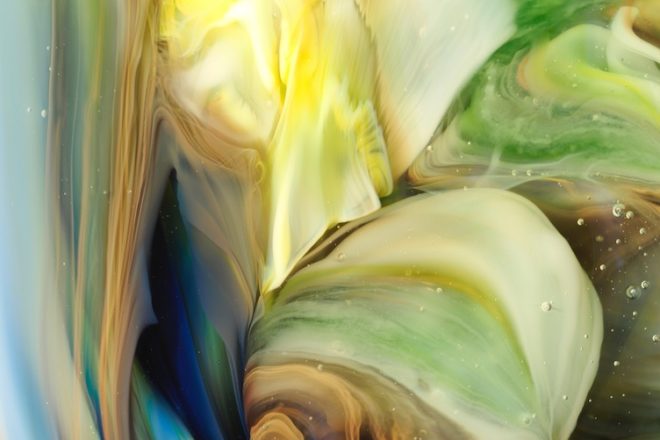
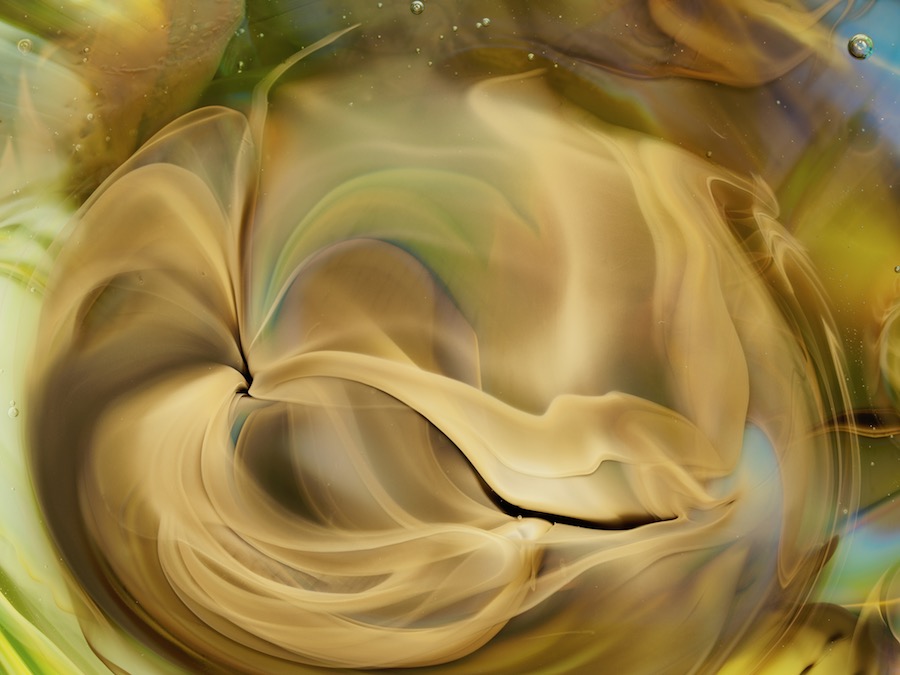
Lyon works in fused and stained glass and has developed a distinctive photographic style by using a macro lens to explore some of her glass creations. The resulting abstract photographs are mostly printed on metal to enrich the colors and brightness, and fabrics created from the photos are turned into table linens, scarves and bags. 

In addition to Lyon’s work, Ladybug Gallery sells astrophotography, jewelry, paintings and textile arts created by local artists, and it typically highlights the work of a guest artist.

[ad_2]

Spotlight: From Bowie to Beyoncé, Markus Klinko’s Celebrity Photography Defined the Aughts

[ad_1]

Every month, hundreds of galleries add newly available works by thousands of artists to the Artnet Gallery Network—and every week, we shine a spotlight on one artist or exhibition you should know. Check out what we have in store, and inquire for more with one simple click.

What You Need to Know: Founded in 1997 by Jeff Jaffe, Pop International Galleries has come to be recognized as invaluable to both the New York City gallery scene and contemporary art community for its laser focus on genres with mass appeal like Pop art, urban art, and photography. Recently, Pop International Galleries announced their representation of world-renowned celebrity photographer Markus Klinko. Originally from Switzerland, Klinko and his work were discovered early in his career by fashion editors Isabella Blow and Ingrid Sischy, both of whom commissioned him for magazine covers and other editorial shoots. Shortly after, Iman and David Bowie hired him to photograph them for projects. Since then, Klinko has photographed some of the world’s most famous people and created numerous iconic images that have become hallmarks of 21st-century pop culture—and his work has appeared in such legendary publications as Harper’s Bazaar, Vogue, GQ, and Interview. More recently, Klinko was the subject of the Cube Art Fair collaboration with Versace, which saw 30 of his images exhibited in Versace’s Miami flagship store.

Why We Like It: The 2000s had a distinctive, high-gloss aesthetic, and Klinko was a shaping force of visual culture in the early aughts. Many of the most iconic and recognizable photos of pop stars and celebrities have been captured by his camera lens, including as album covers for Beyoncé’s Crazy in Love and Mariah Carey’s The Emancipation of Mimi. His photographs of music stars like Britney Spears and Lady Gaga not only became famous in their own right, but also helped shape the stars’ respective celebrity brands. Printed by Weldon Color Lab on Fujicolor Crystal Archive Digital Pearl Paper, Klinko’s work comes to life and beckons viewers to look back at era-defining moments and celebrities. As one of the most admired photographers of the 2000s through today, Klinko’s representation by Pop International Galleries—dedicated to fostering a high-quality yet accessible collecting experience—is more than fitting.

Photographer Markus Klinko on set. Courtesy of Pop International Galleries, New York.

Photographer Markus Klinko on set. Courtesy of Pop International Galleries, New York.

According to the Artist: “Jeff at Pop International Galleries shows some of my all-time favorite artists ever: Warhol, Basquiat, Lichtenstein, Haring…it doesn’t get any better! To see my work on display at Pop International right next to these heroes of mine is just incredible. Andy Warhol’s creative director for Interview magazine, Marc Balet, gave me my start in the industry, and having that work now at Pop, it feels like things are coming full circle!”

See featured works by Markus Klinko below.

Markus Klinko, Beyonce, Dangerously in Love (2003). Courtesy of Pop International.

Markus Klinko, Beyoncé, Dangerously in Love (2003). Courtesy of Pop International, New York.

Markus Klinko, Britney, The Forest (2004). Courtesy of Pop International.

Markus Klinko, Britney, The Forest (2004). Courtesy of Pop International, New York.

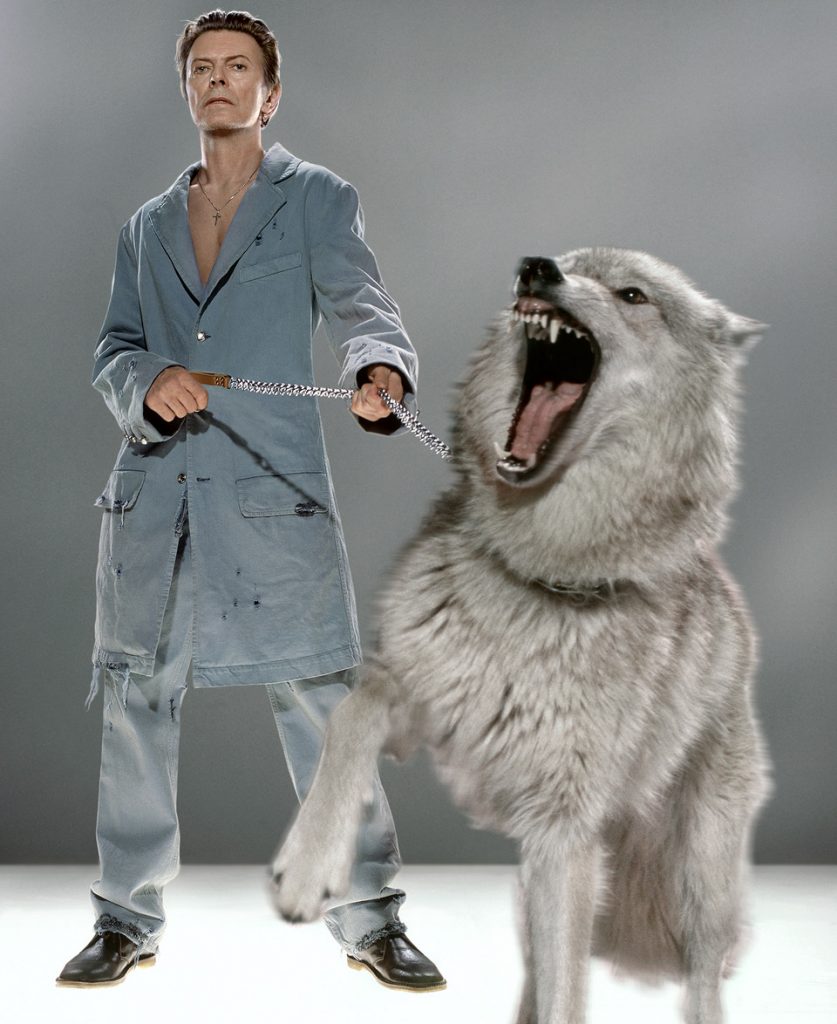
Markus Klinko, The Protector (2002). Courtesy of Pop International.

Markus Klinko, The Protector (2002). Courtesy of Pop International, New York.

Markus Klinko, The Savior (2001). Courtesy of Pop International.

Markus Klinko, The Savior (2001). Courtesy of Pop International, New York.

You can browse Pop International on Artnet or visit the gallery at 195 Bowery, New York.

Follow Artnet News on Facebook:


Want to stay ahead of the art world? Subscribe to our newsletter to get the breaking news, eye-opening interviews, and incisive critical takes that drive the conversation forward.

[ad_2]

Philippe Cousteau to speak at library | Community

[ad_1]

The Pioneer Library System is set to host filmmaker, explorer, advocate and Emmy-nominated TV host and producer Philippe Cousteau.

He will speak at 6:15 p.m. Nov. 11 during the “Spark a Change: Let’s Talk About the Environment” event at Norman Public Library Central, 103 W. Acres St. 

Attendees can learn more about the environment and conservation efforts through aconversation with Cousteau, moderated by Oklahoma State Director of the Nature Conservancy Mike Fuhr, whose nature photography will be revealed in an exhibition prior to the event.

Seating will be available for the first 300 attendees.

The event caps off Pioneer Library System’s PLS Reads initiative, a year-long look at the topic of the environment in which community members have learned how small changes can make a big impact on the world around them through reading, conversation and exploration.

“Philippe and his family have done so much to raise awareness for the environment and to foster regeneration and restoration efforts. We’re honored to have him in Oklahoma, to hear his story and to learn how we can work together in protecting our beautiful planet,” PLS Director of Community Engagement and Learning Ashley Welke said. 

The event will be featured as part of Norman’s Second Friday Art Walk in partnership with the Norman Arts Council.

Attendees can meet NAC Executive Director Erinn Gavaghan at MAINSITE before heading out on a guided walk to ​Norman Public Library Central.

The gathering will depart the gallery at 5:30 p.m., stroll through Andrews Park to see the “In Their Words” installation, then arrive at the library for the event. 

Inspired by the legacy of his grandfather, Jacques Cousteau, Philippe Cousteau is a multi-Emmy-nominated TV host and producer, author, speaker, and social entrepreneur.

He is the host and executive producer of the weekly syndicated series “Awesome Planet,” now in its sixth season.

His conservation efforts are focused on solving global social and environmental problems.

In 2005, he founded EarthEcho International, a leading environmental education organization. To date, EarthEcho has activated over two million youth in 146 countries through its programs.

Cousteau’s children’s book, “Follow the Moon Home,” has been chosen for the Texas Bluebonnet Award Master List. He has co-wrote “Going Blue” and “Make a Splash,” both of which have won multiple awards.

His new book series, “The Endangereds,” with Harper Collins, launched in September 2020. His latest book, “Oceans for Dummies,” which he co-authored with his wife, Ashlan, was released in February 2021.

For more information about the event at bit.ly/3NIdAFJ.


[ad_2]

The Goldfield Colorado Star Mine – David Lane Astrophotography

[ad_1]

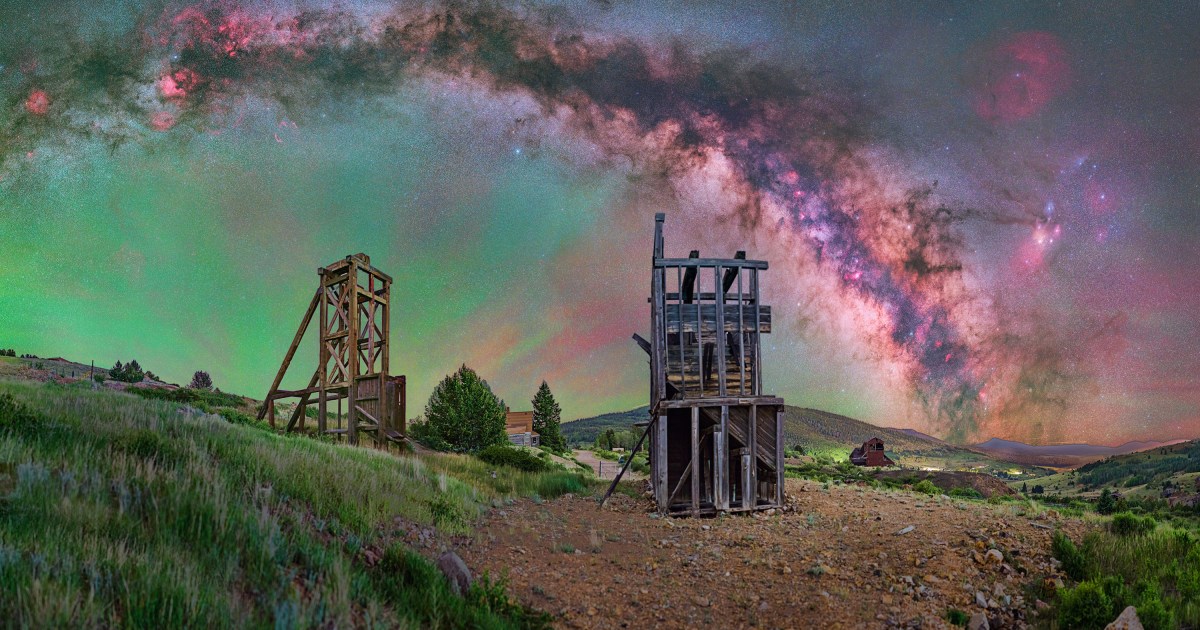
Victor Colorado Star Mine

Victor Colorado Star Mine

The Victor/Goldfield Colorado Star Mine

Jimmy and I were headed home from out west after 9 days of shooting images. In case you have missed it I really find mining and specifically the buildings and mechanisms to bore holes miles into the ground extremely interesting.

I managed to find this little area with a really cool walking trail through half collapsed building remnants, and just a bit away from the scattered lights of Goldfield a very small town of maybe 20 houses. This area was also behind the hill on the right from Victor Colorado (far right glow.) This was the second to last shot of the night. The first two had happened with a very tiny sliver of a moon still visible on the horizon. By now the moon had slipped behind the hill to the west and a dark night calm night awaited introspection.

If you look really carefully in the center you can see a peek-a-boo shot of Jimmy (my loyal GMC Jimmy) just showing. If you had x-ray eyes you could see not only the fence in front of Jimmy but the KEEP OUT sign as well. Sometimes you just have to do what you have to do to please your Astro-friends!

I was really pleased with how the Milky Way turned out considering that Colorado Springs just to the left edge of the image and distant Pueblo was to the right. Recovering the highlights in this image not only required an excellent Light Pollution Filter but also a lot of astro manipulation to deal with it.

For those that find such things interesting, the two headframes are the Grace Greenwood headframe (left) and the Deadwood headframe (center.) Both were moved here in 2012-2013 by the Cripple Creek & Victor Gold mining company in an effort to preserve the mining heritage of the area.

The Grace Greenwood mine was owned by the Anaconda Mining Company. The development of the mine was begun in1902-03. The company owned 100 acres of land with several mines operated by lessees. Some of the mines included the Half Moon and Kittie M. The Greenwood mine lasted over half a century closing for good in 1959.

The Grace Greenwood gallows frame and hoist house were placed here on the reclaimed Altman Backfill above the Vindicator Valley near the town of Goldfield.

The Deadwood Mine was a quite minor mine but its beautiful headframe remains as a testament to the intense effort to blast through solid rock.

If you ever get the chance to visit Victor Colorado “The City of Mines” it is way worth it. It is amazing how much mining took place here. You can also stop by Cripple Creek as well but in my mind, Victor is the place to wander about and see a virtually untouched original 1900s mining town.

Wandering around these ruined buildings at night was so interesting. The connection to miners and times lost was real and visceral. The hulking buildings forming black silhouettes against the sky whispering their souls to the winds, atop an 11,000-foot mountain for decade after decade alone, awaiting their ultimate fate.

Please Like Comment and Enjoy! This one was tough but I hope you enjoy it.

EXIF: 35 images clipped left for light pollution and a pile of rocks. 55mm f1.6 ISO 8,000 


[ad_2]

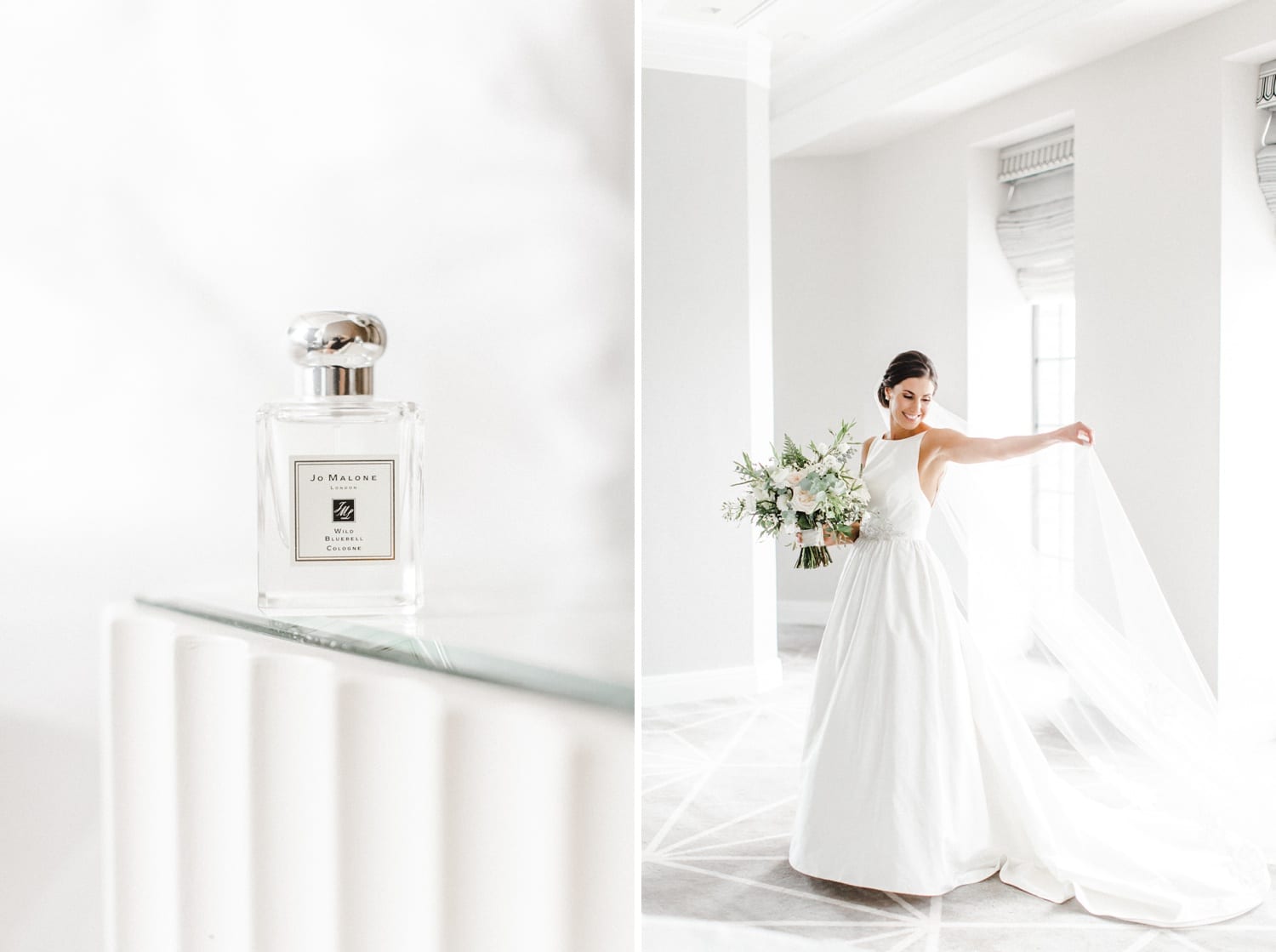
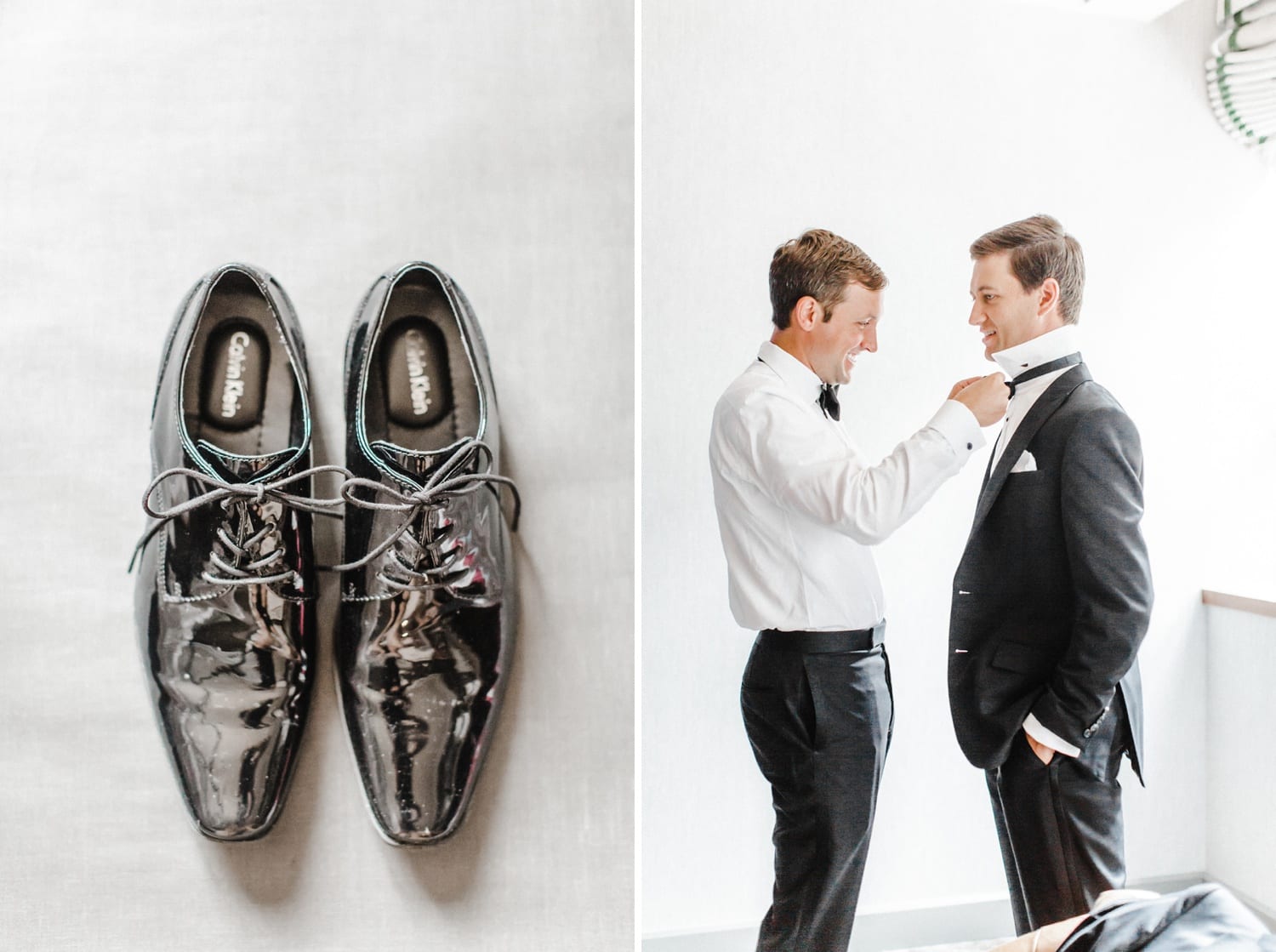
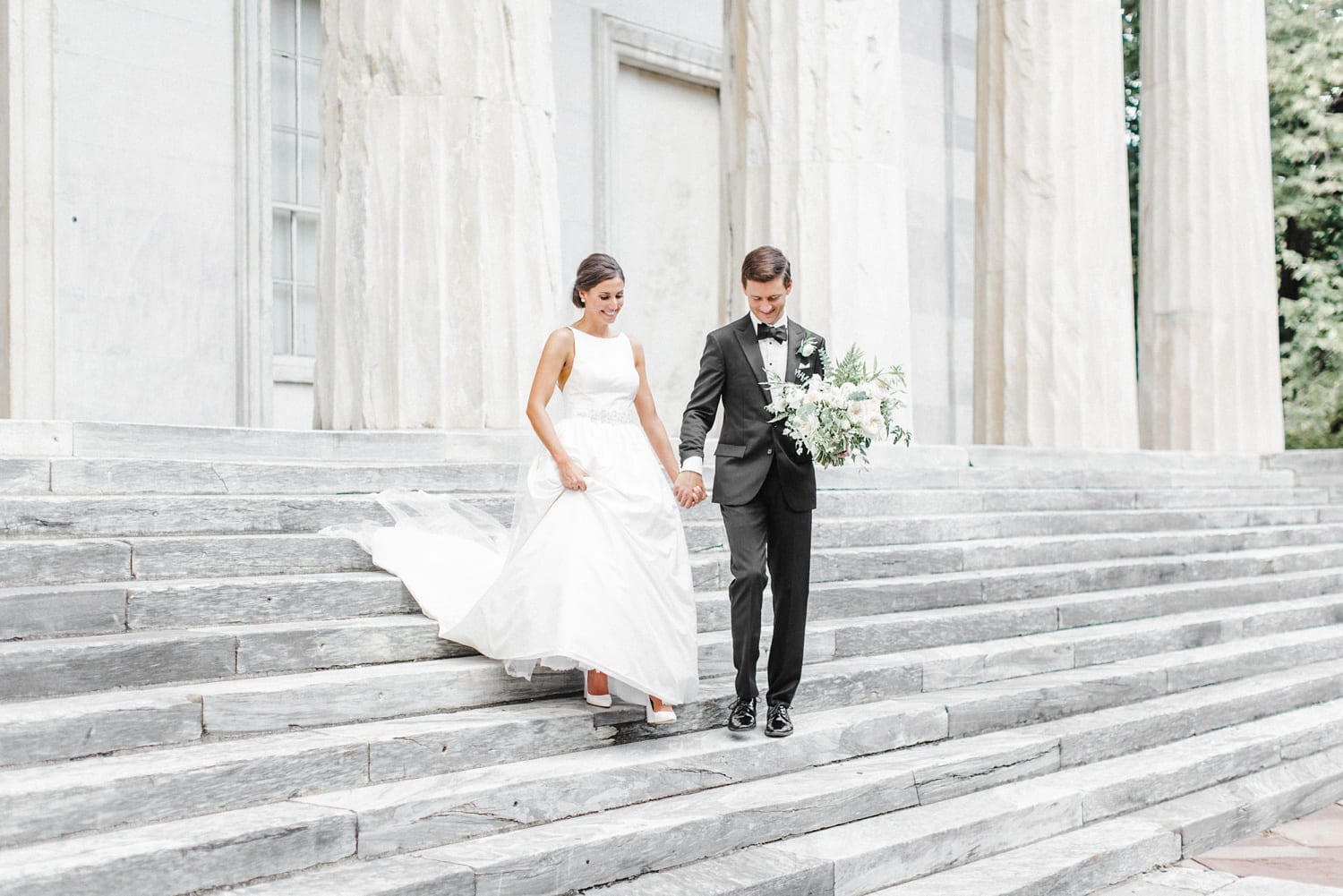
A Waterworks Philadelphia Wedding | Andy & Lindsay

[ad_1]
Fb-Button

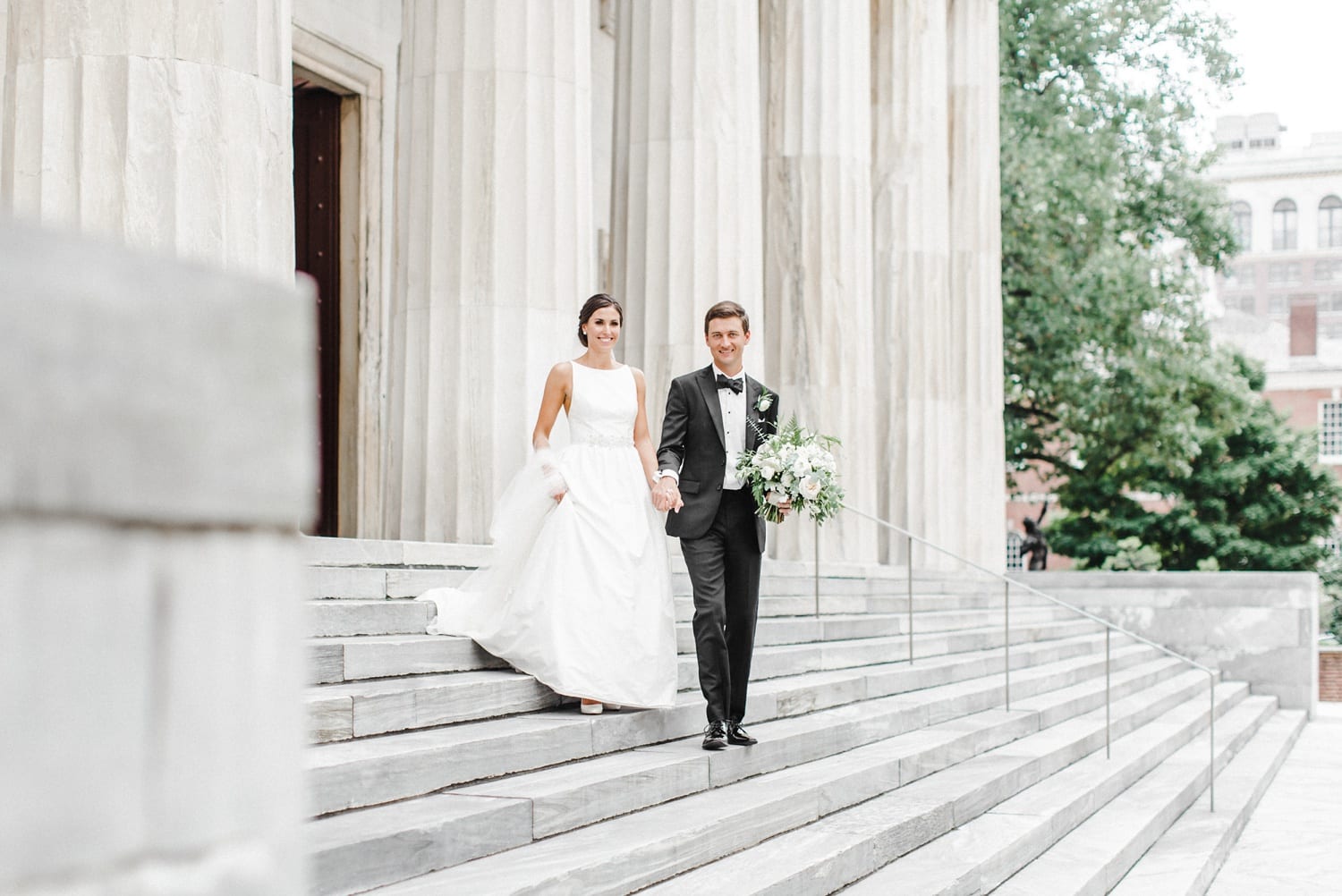
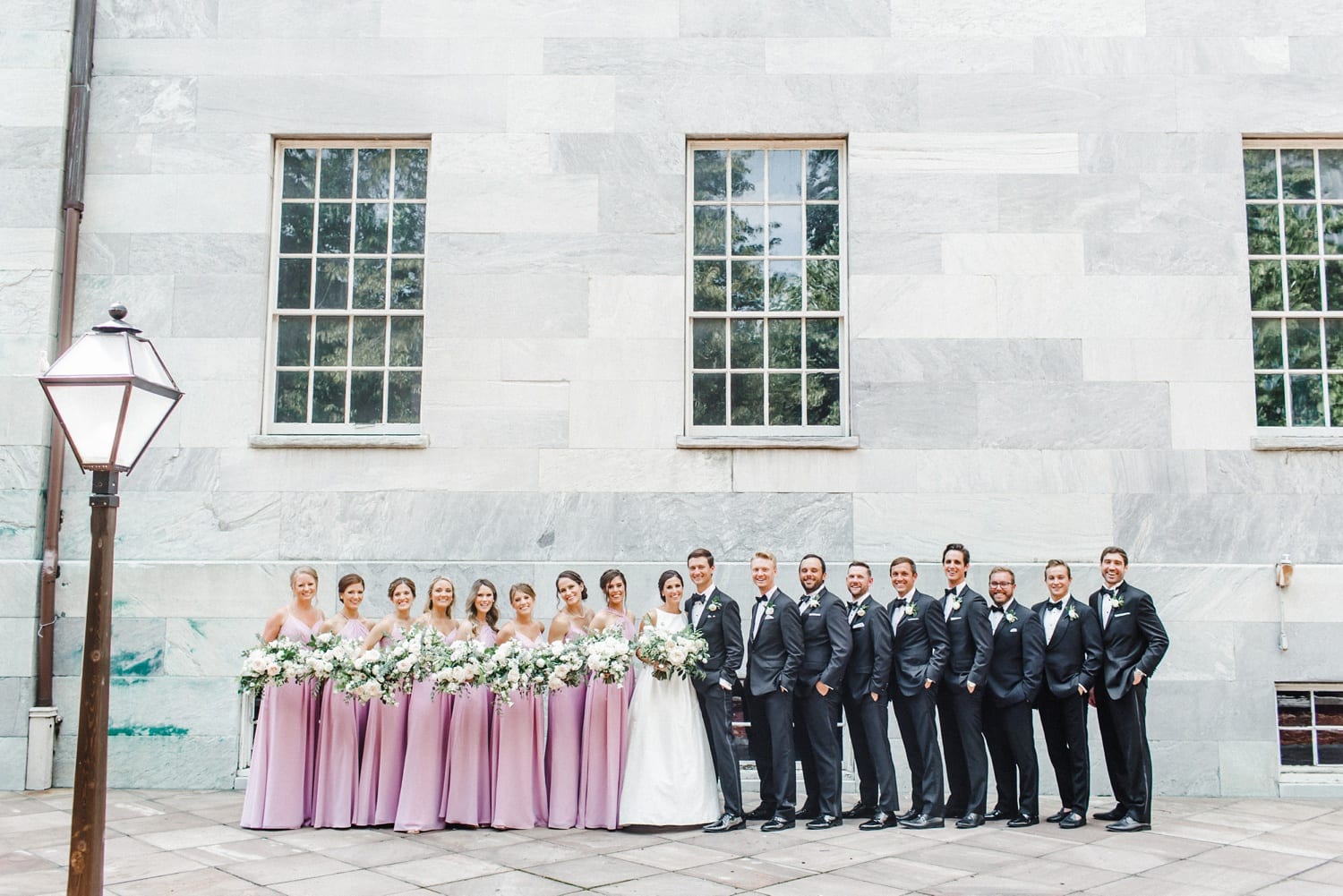
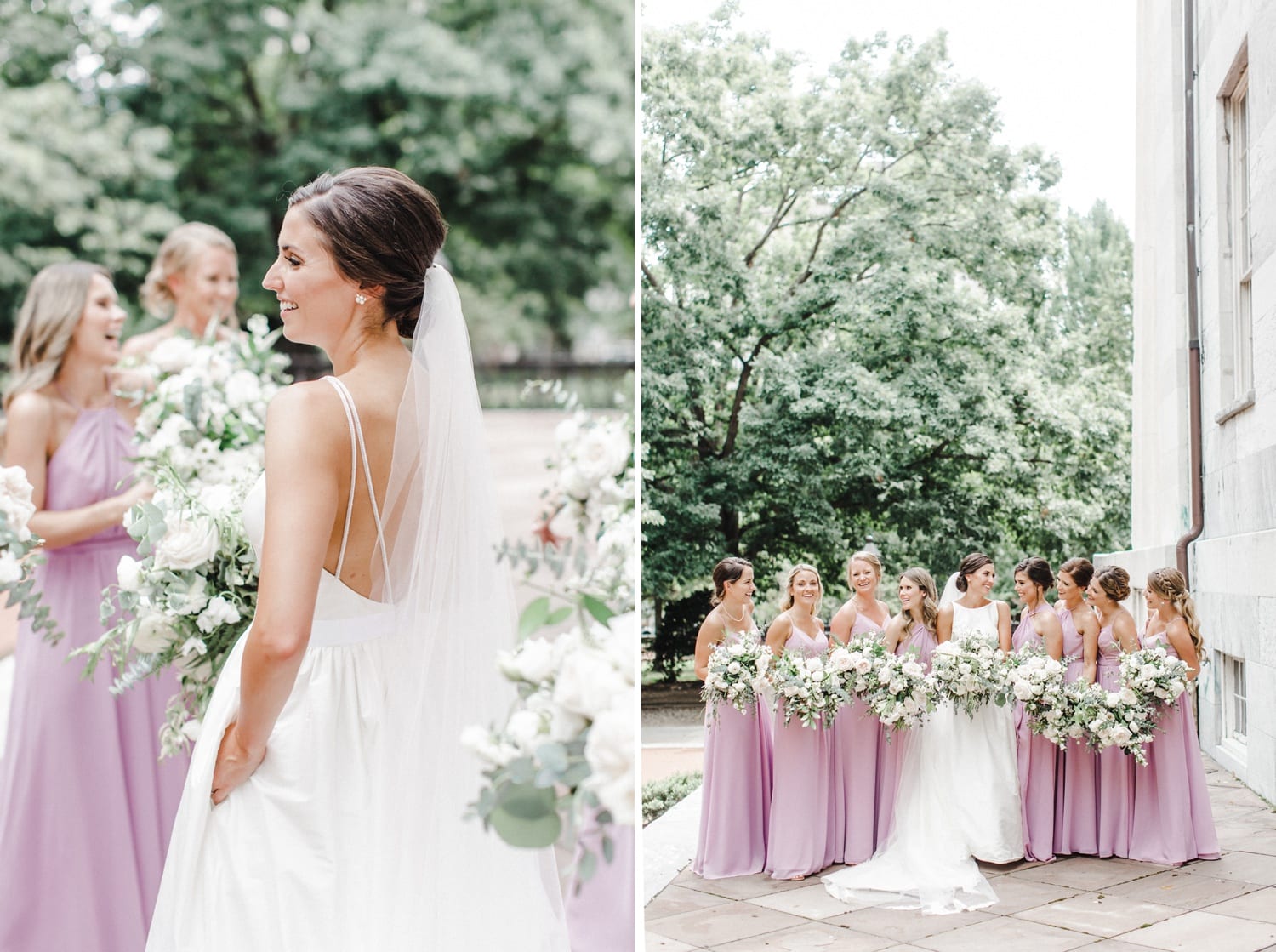
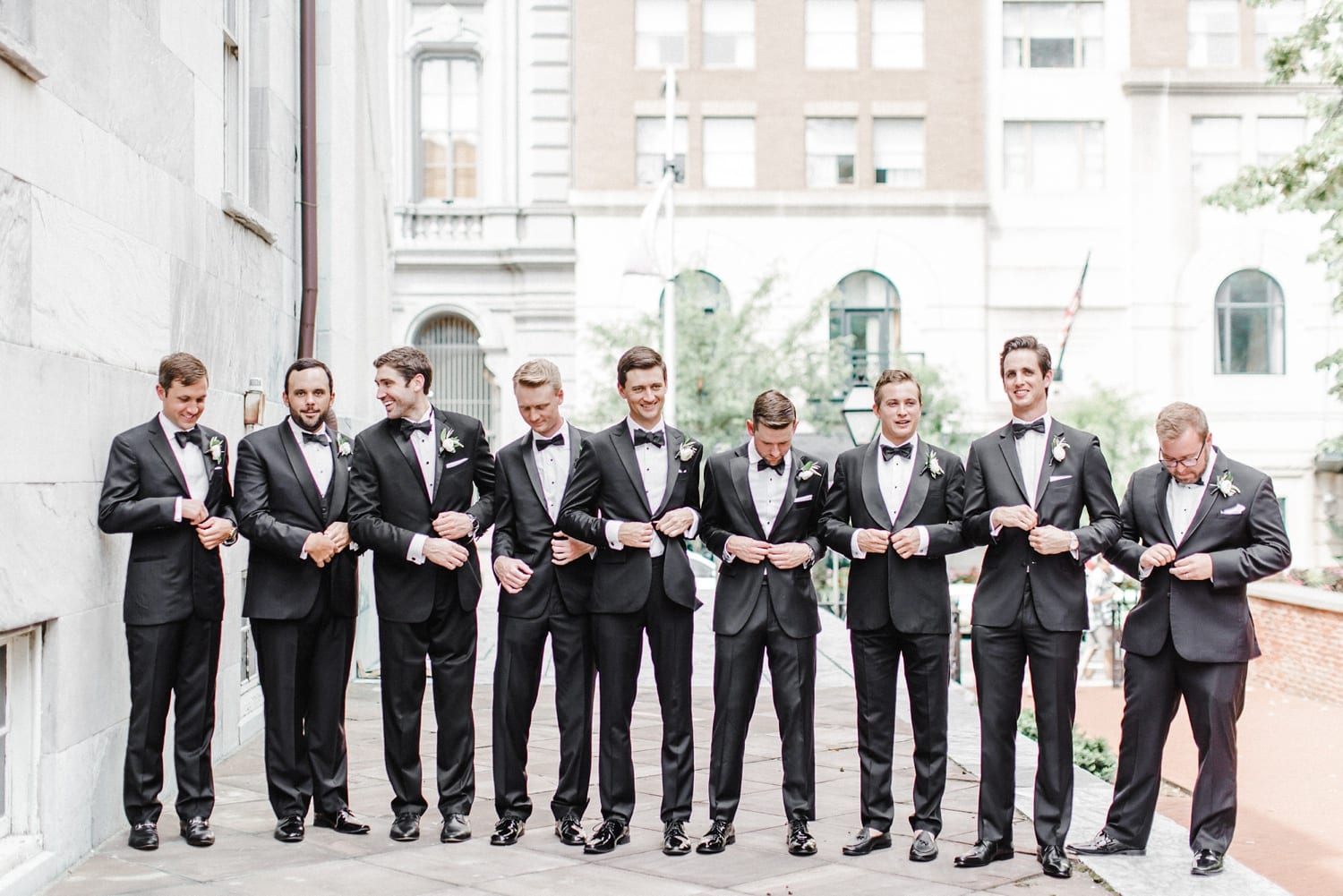
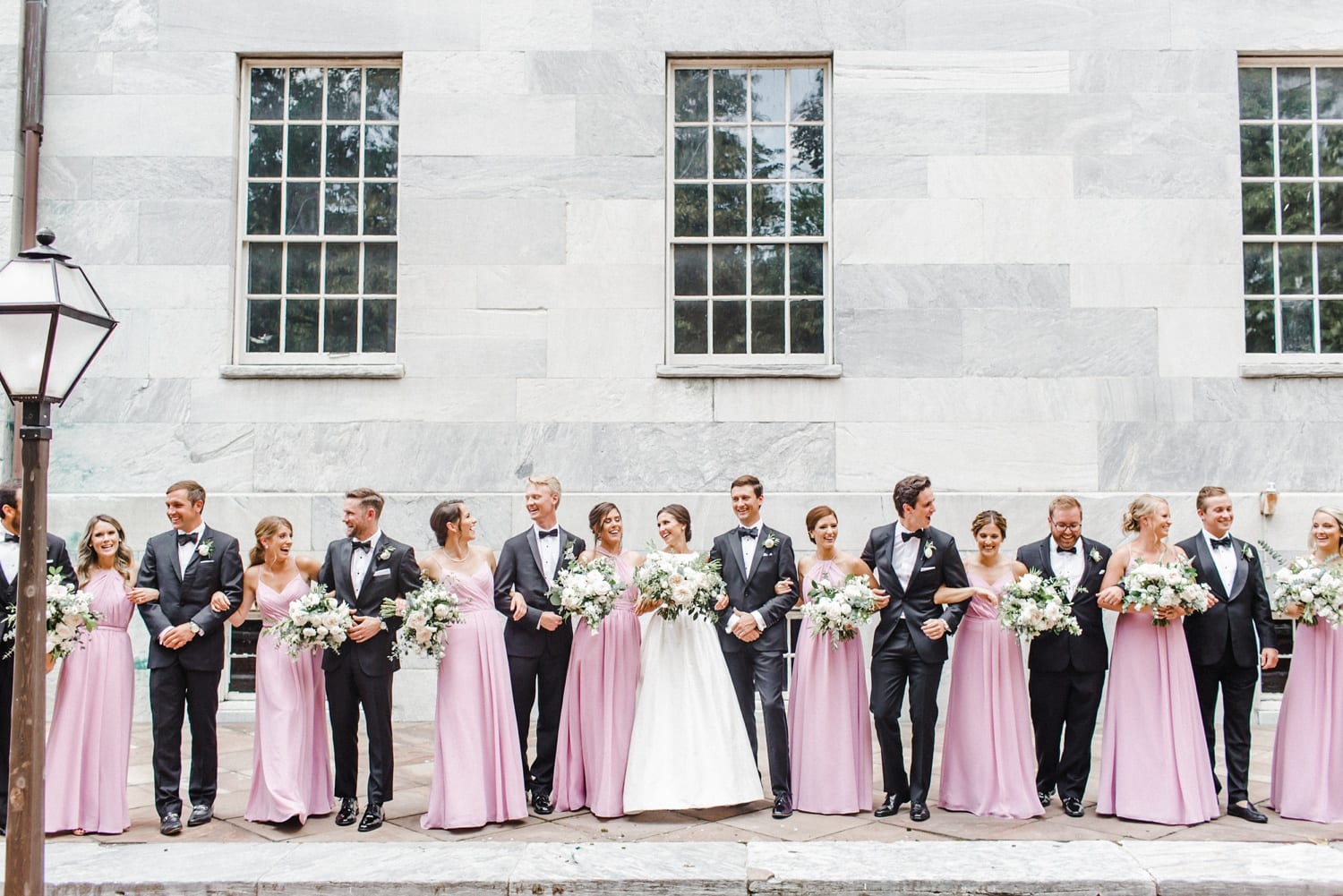
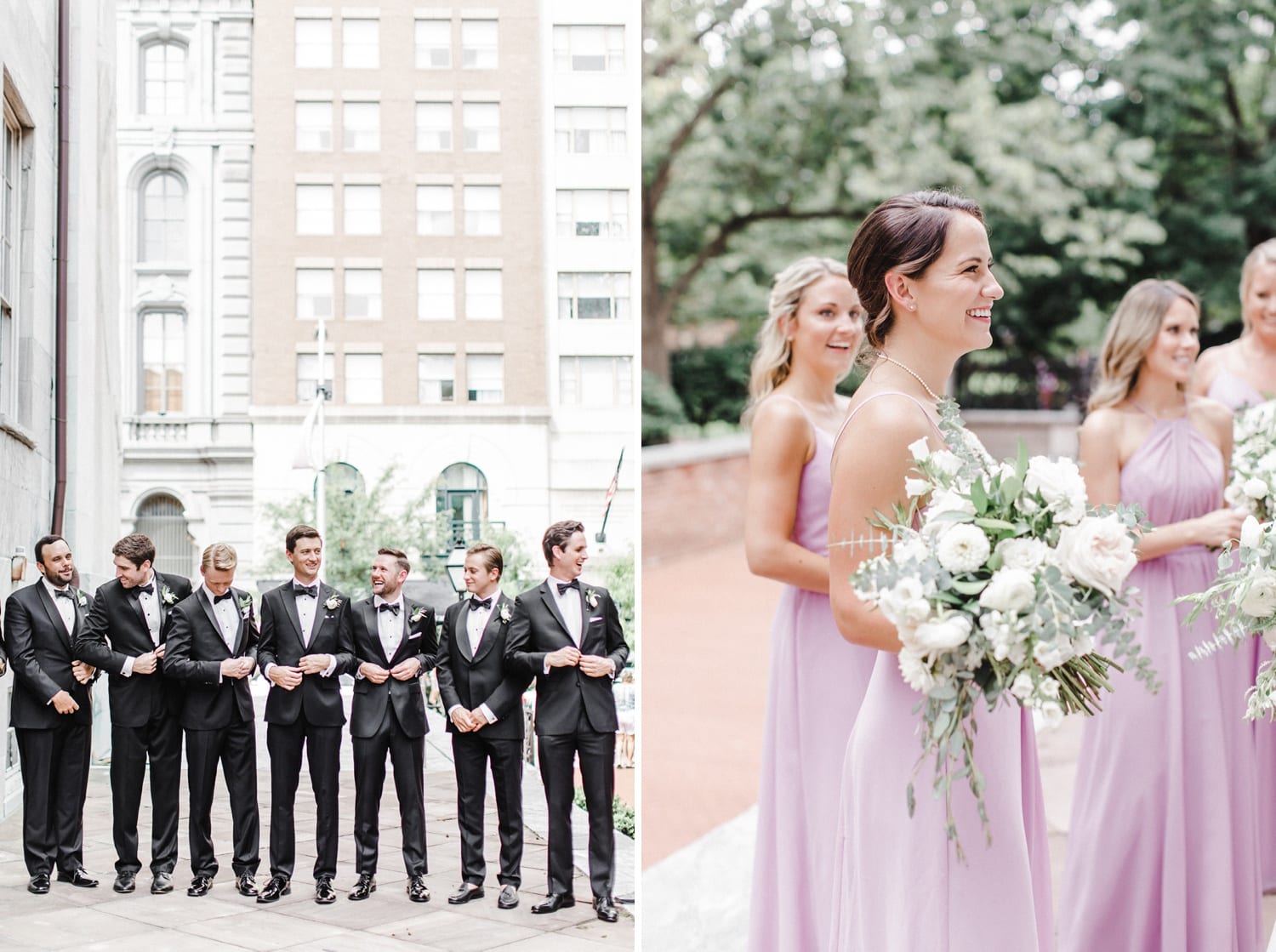
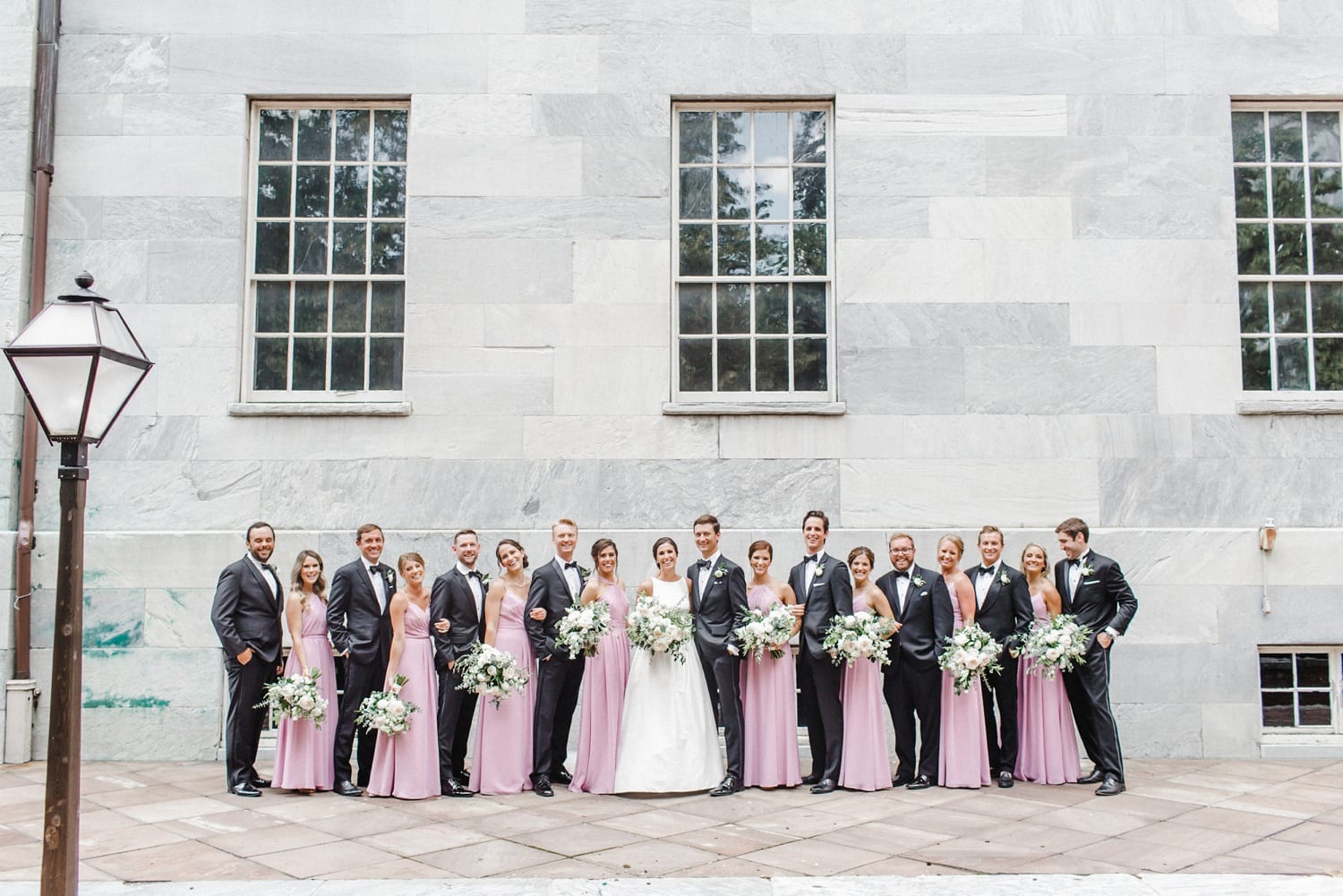
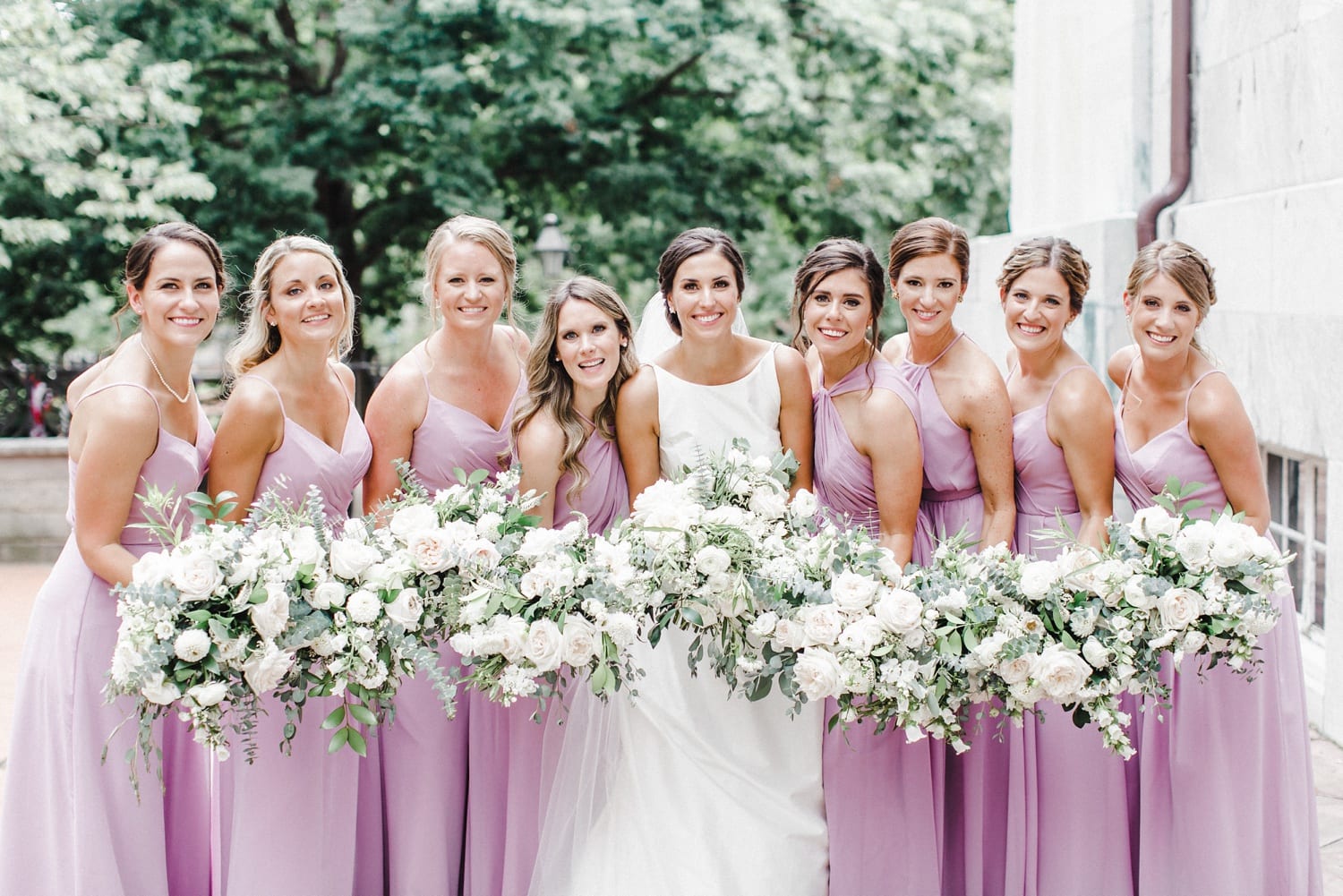
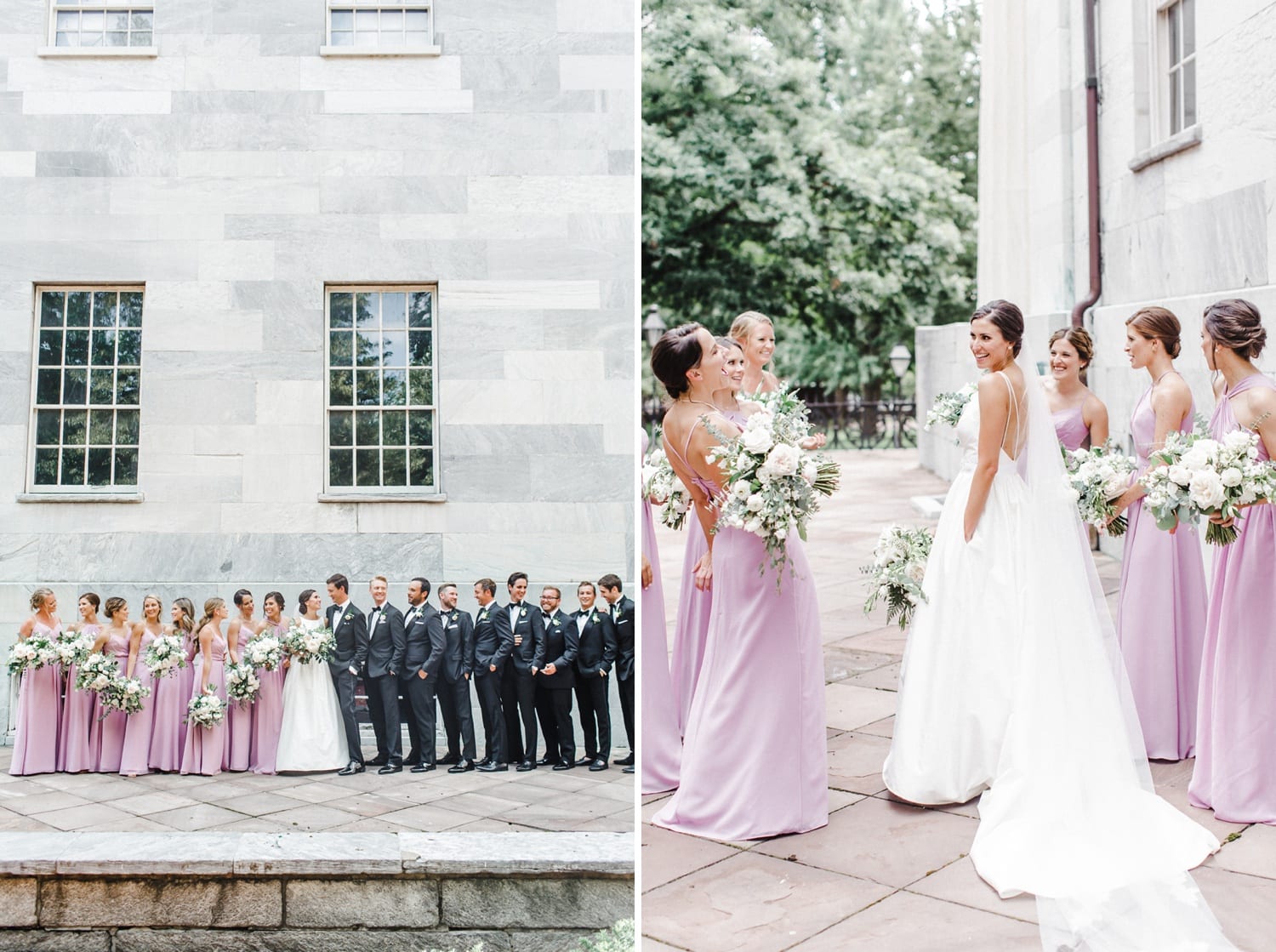
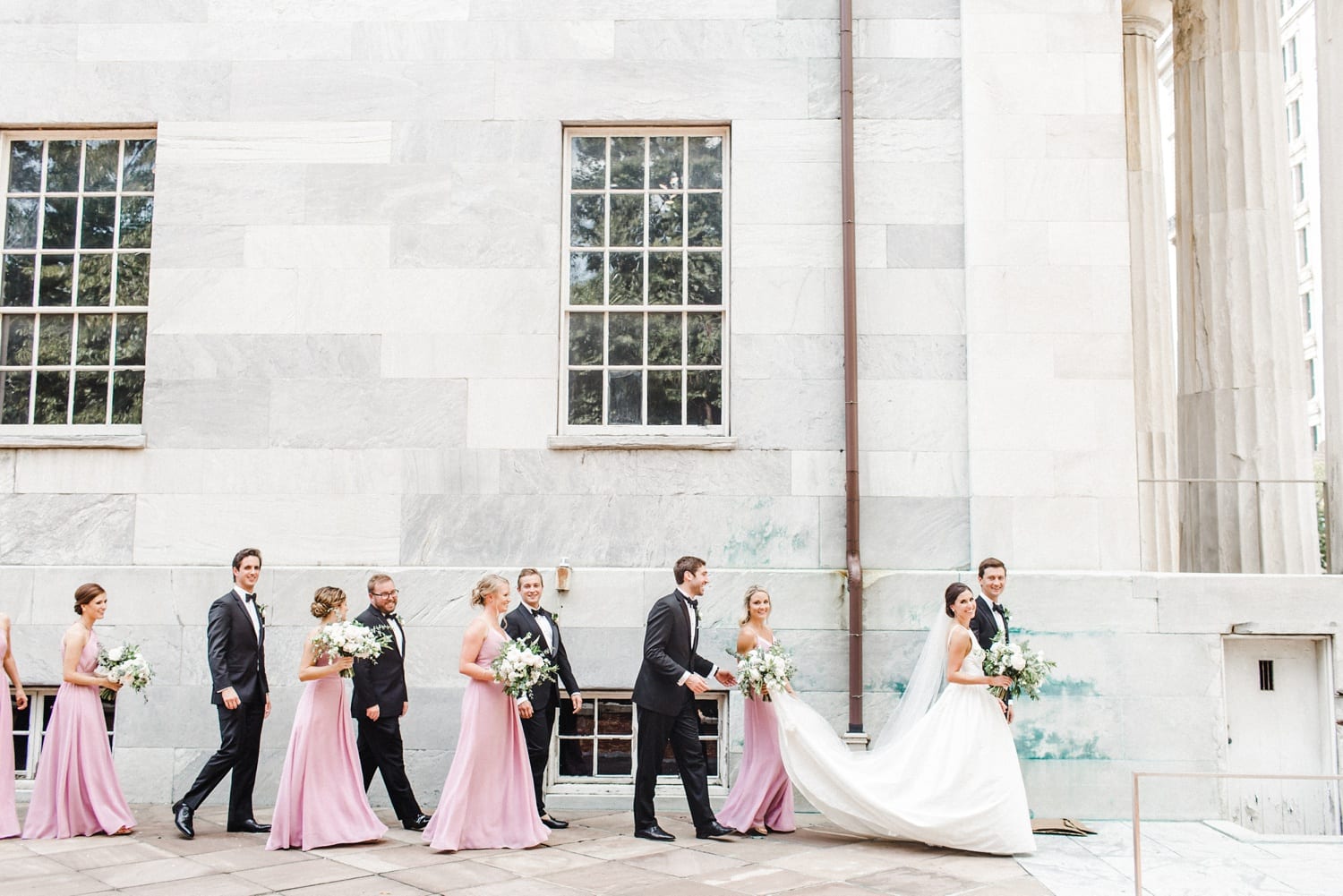
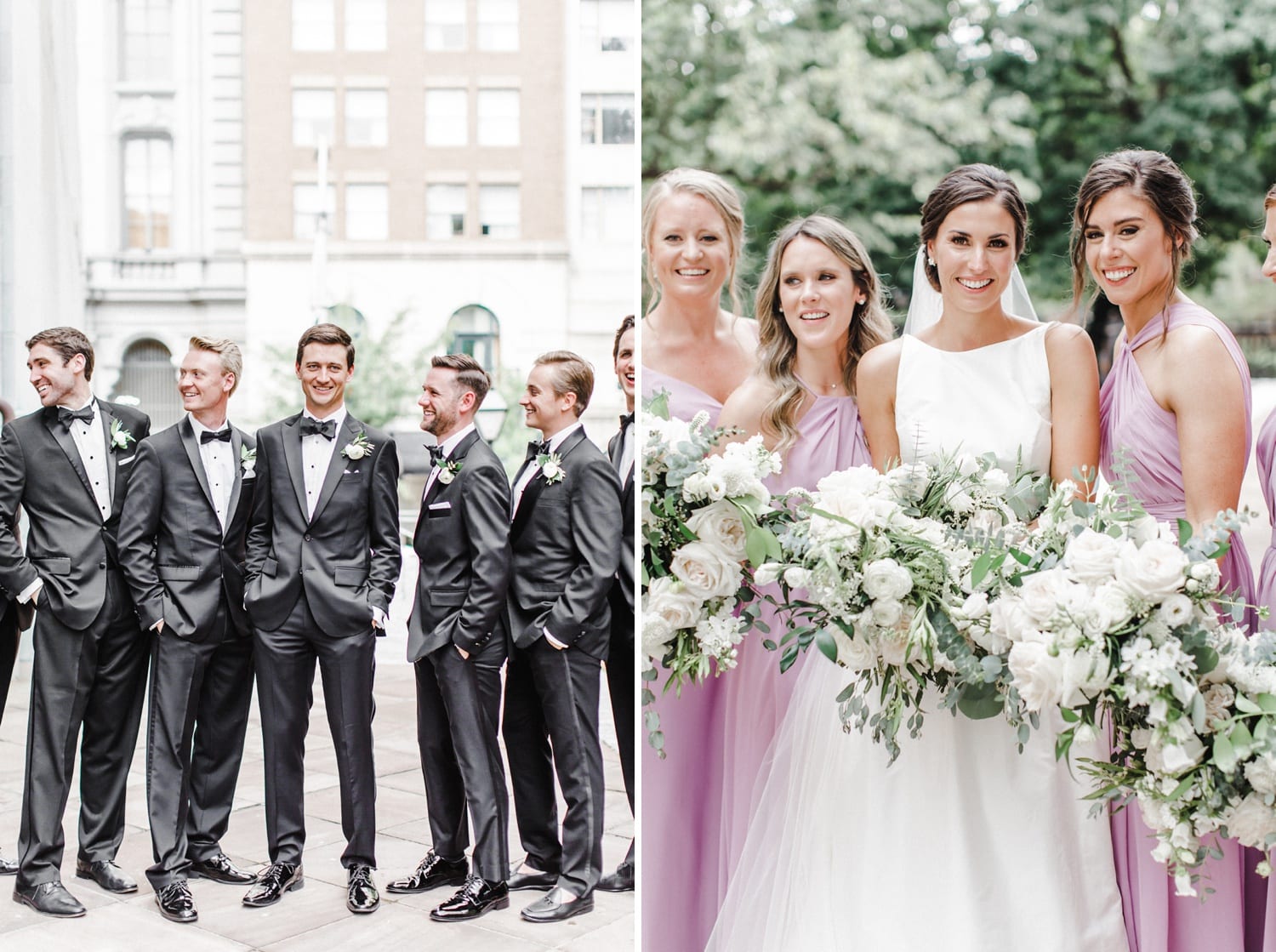
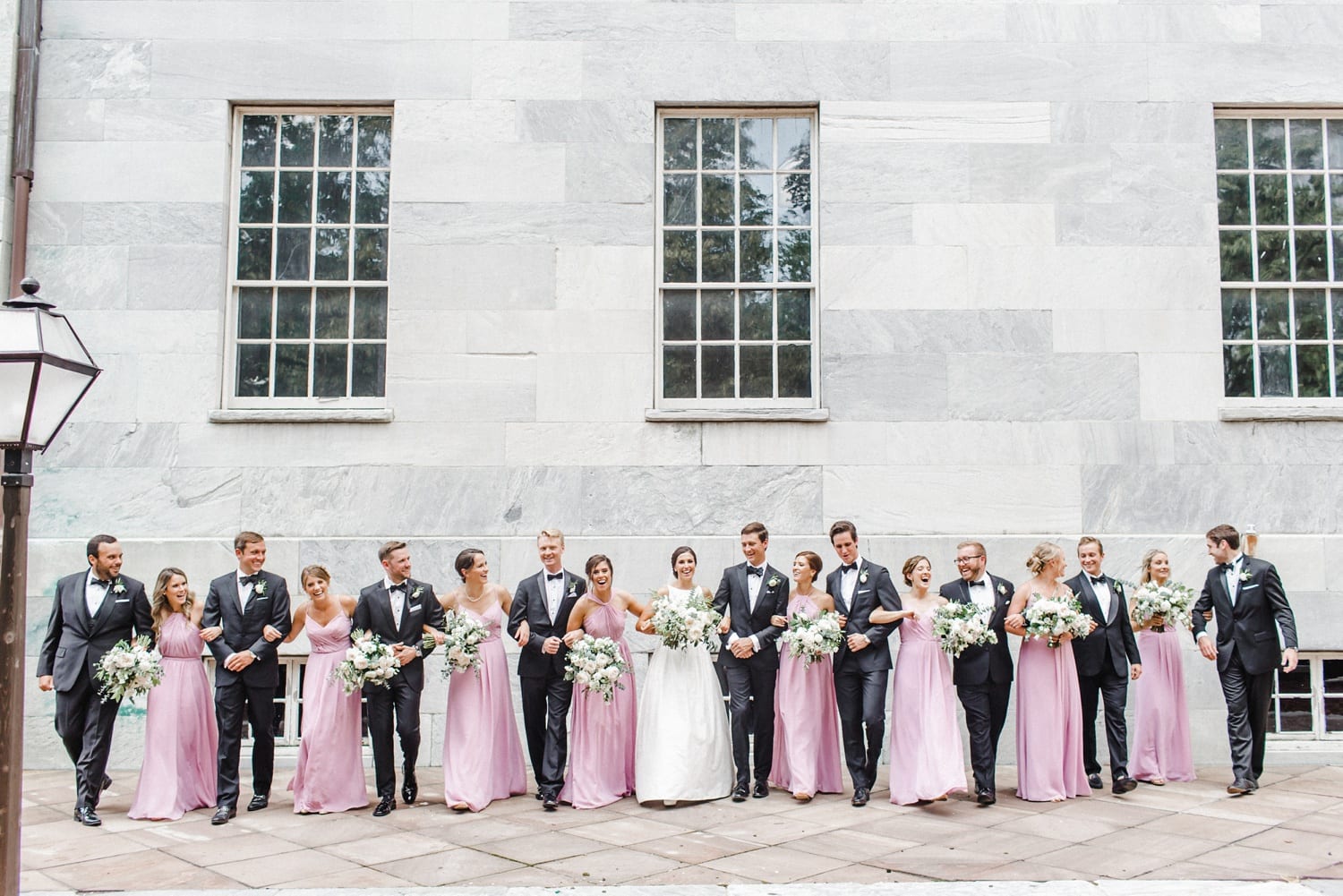
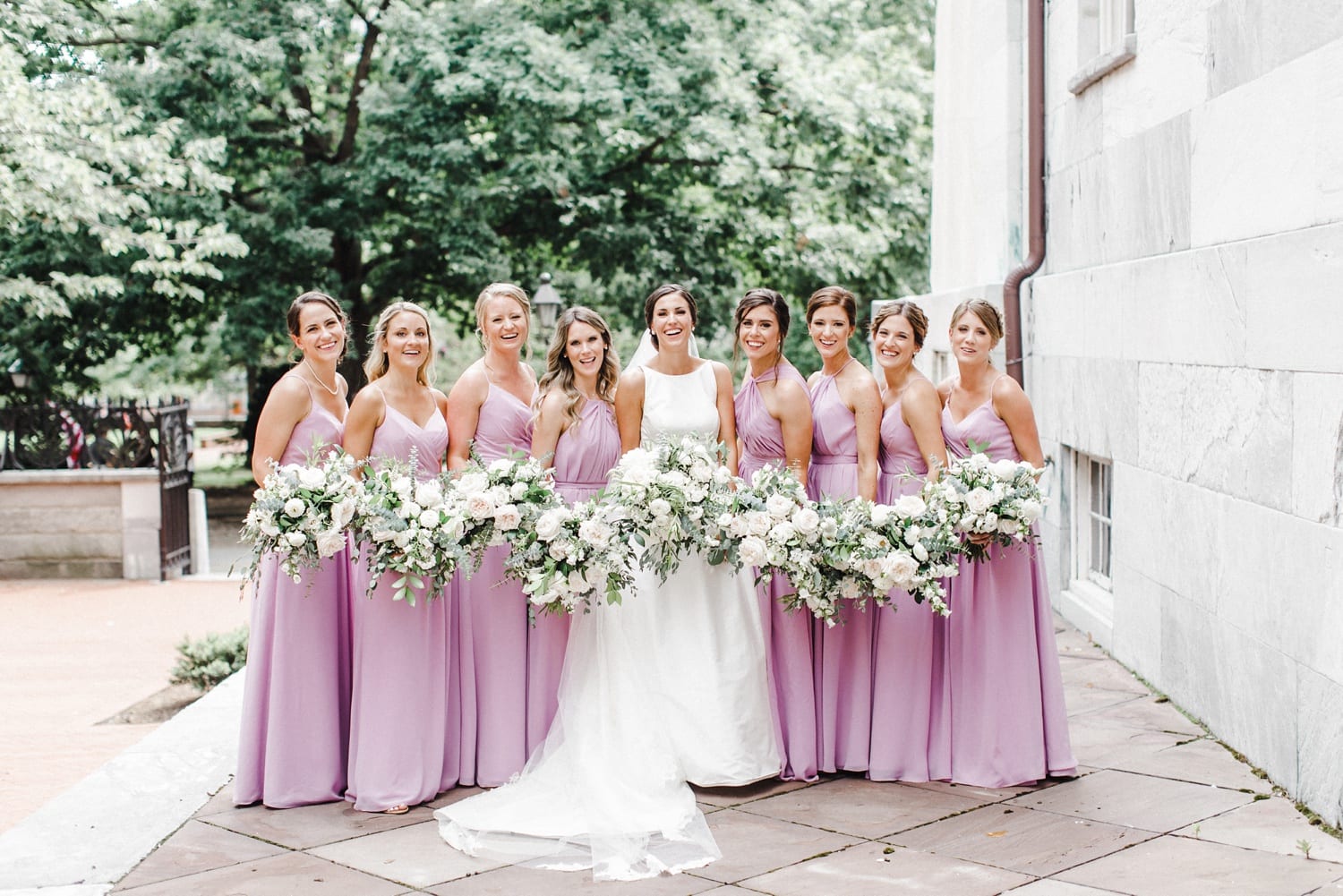
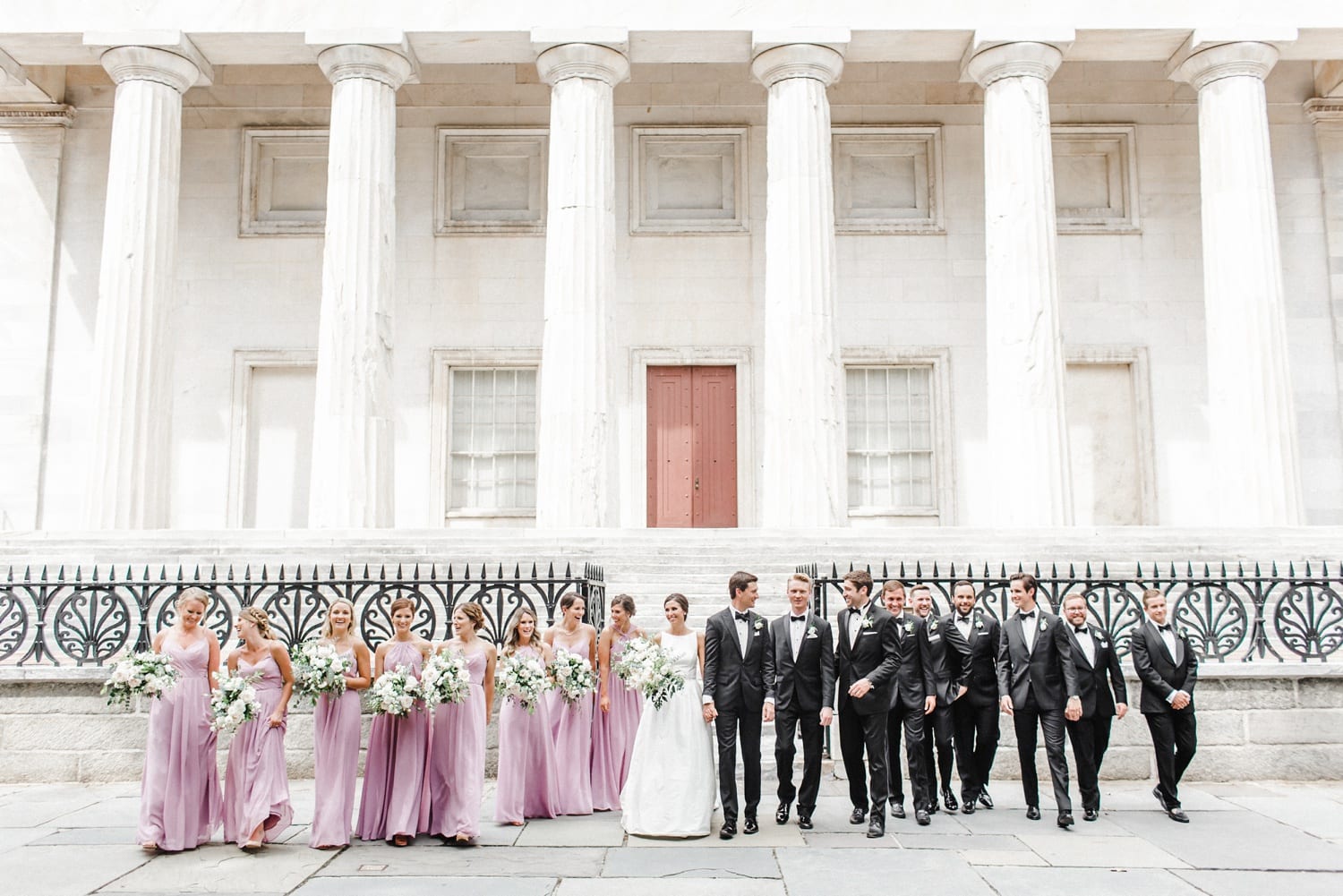
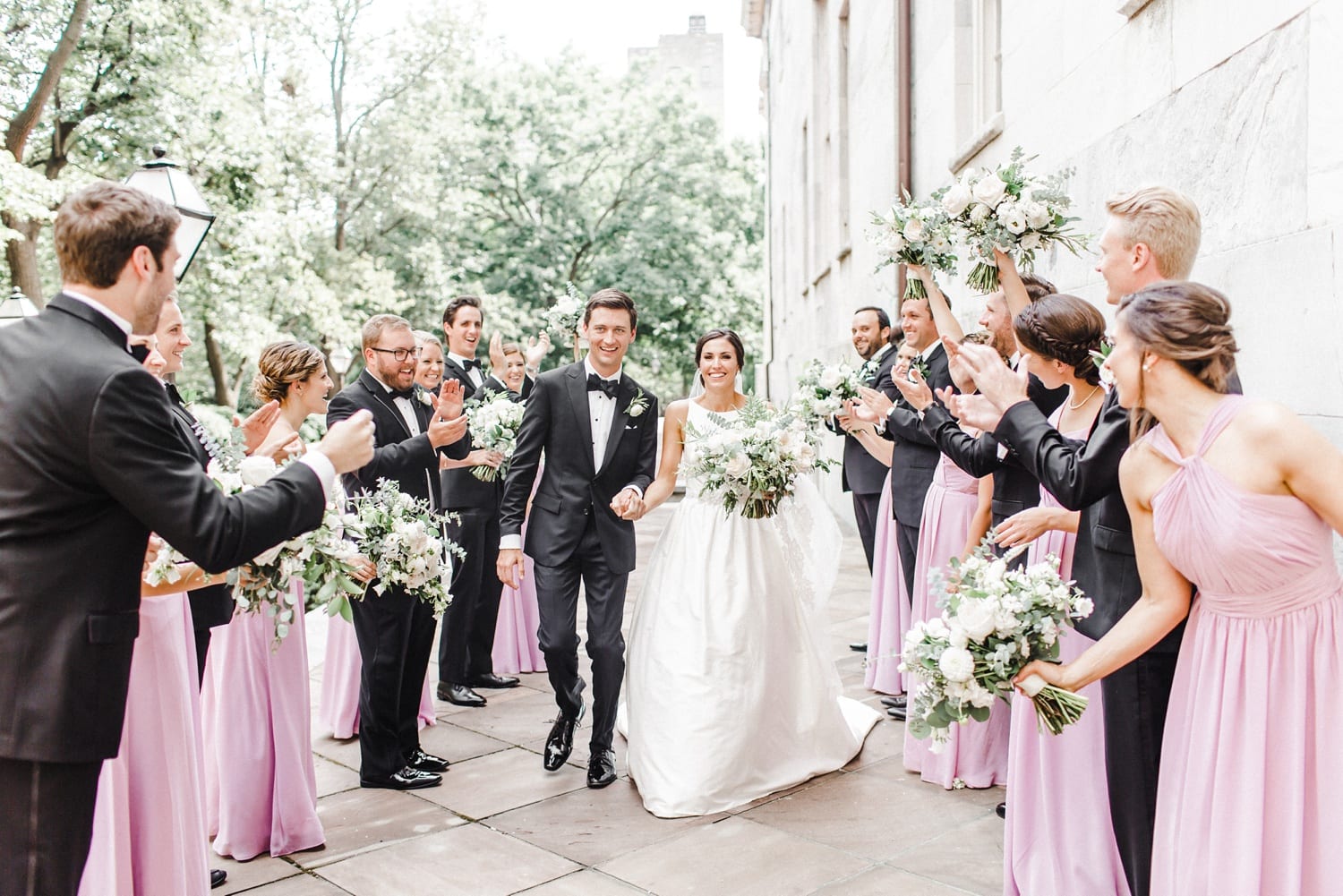
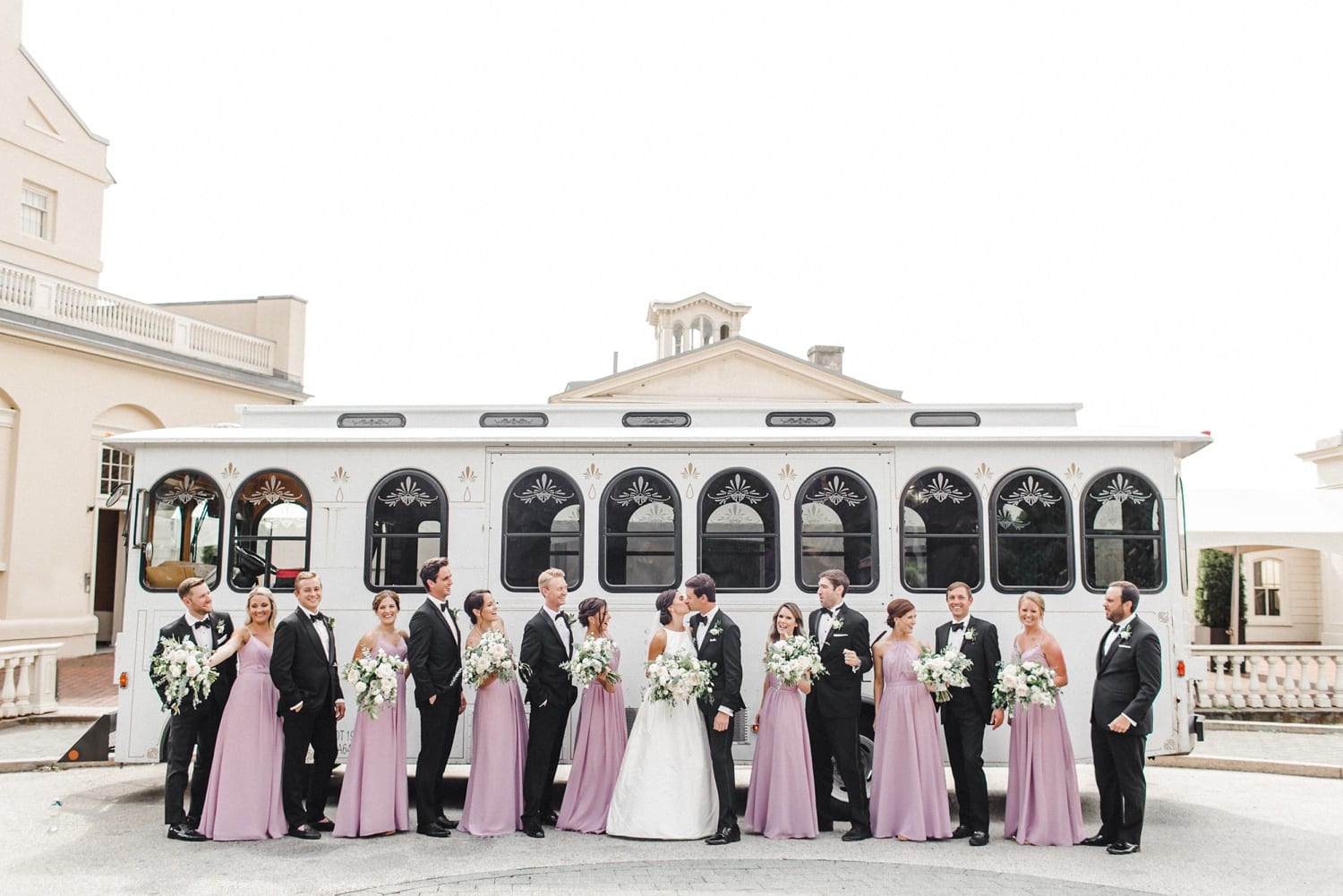
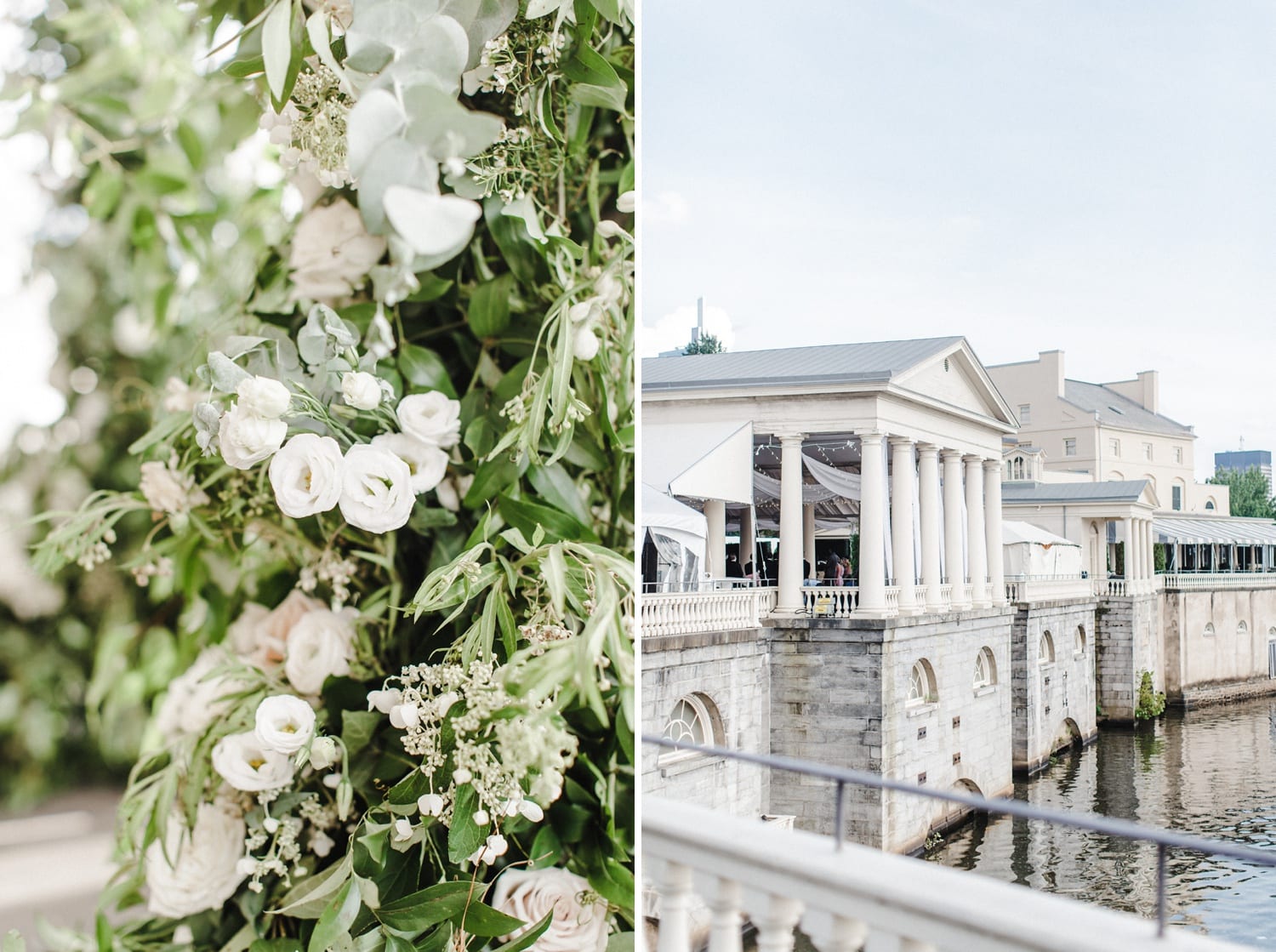
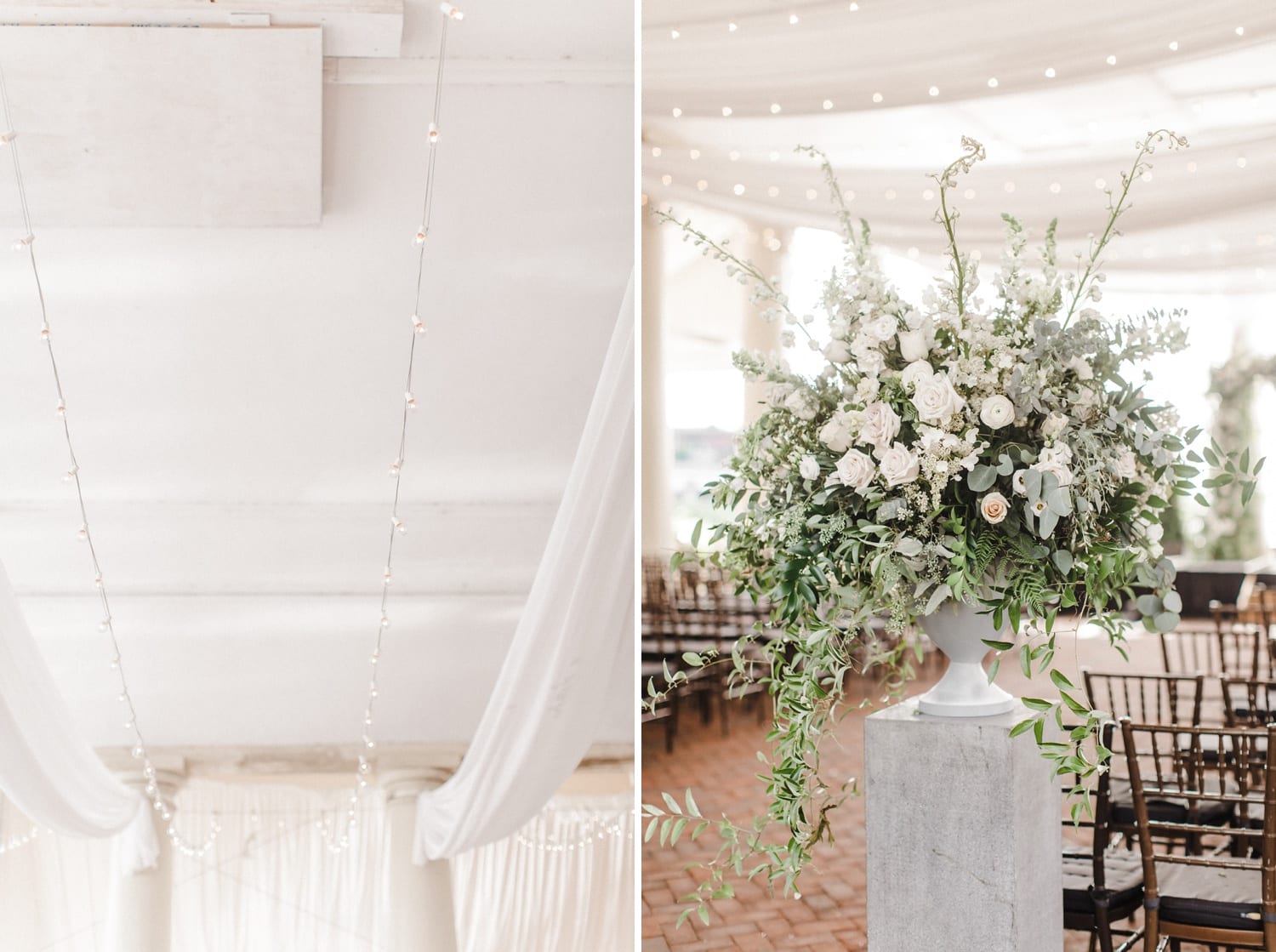
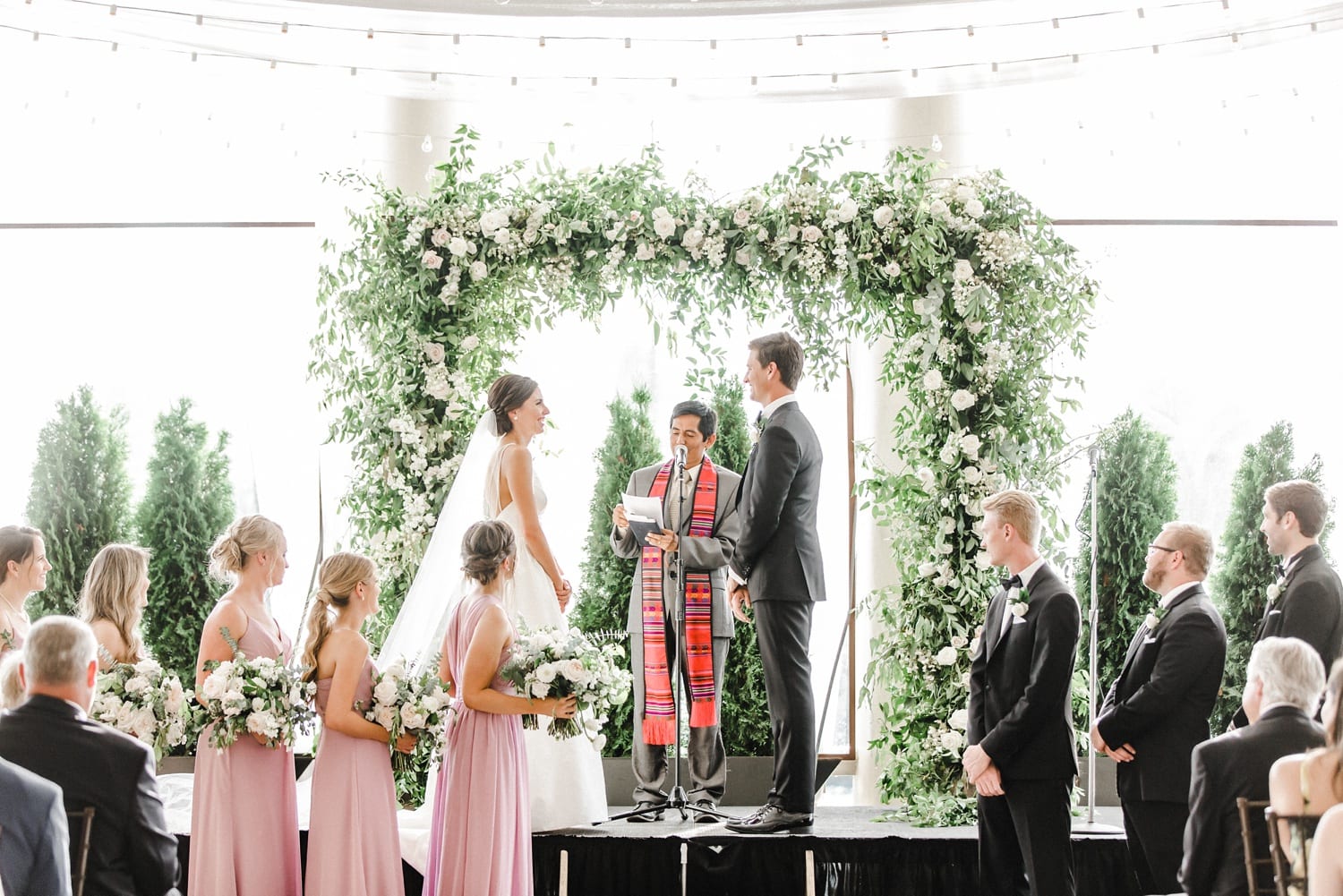
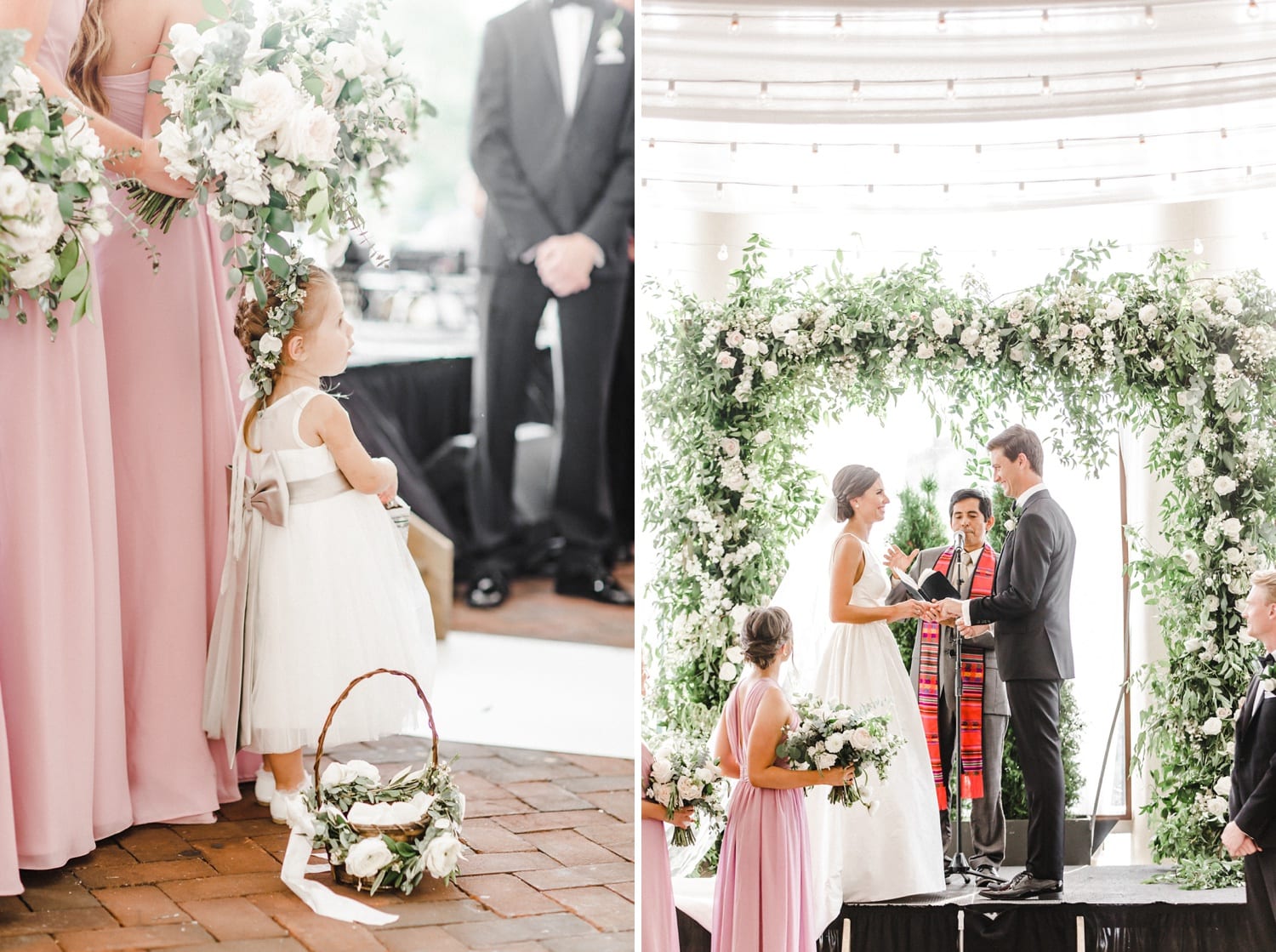
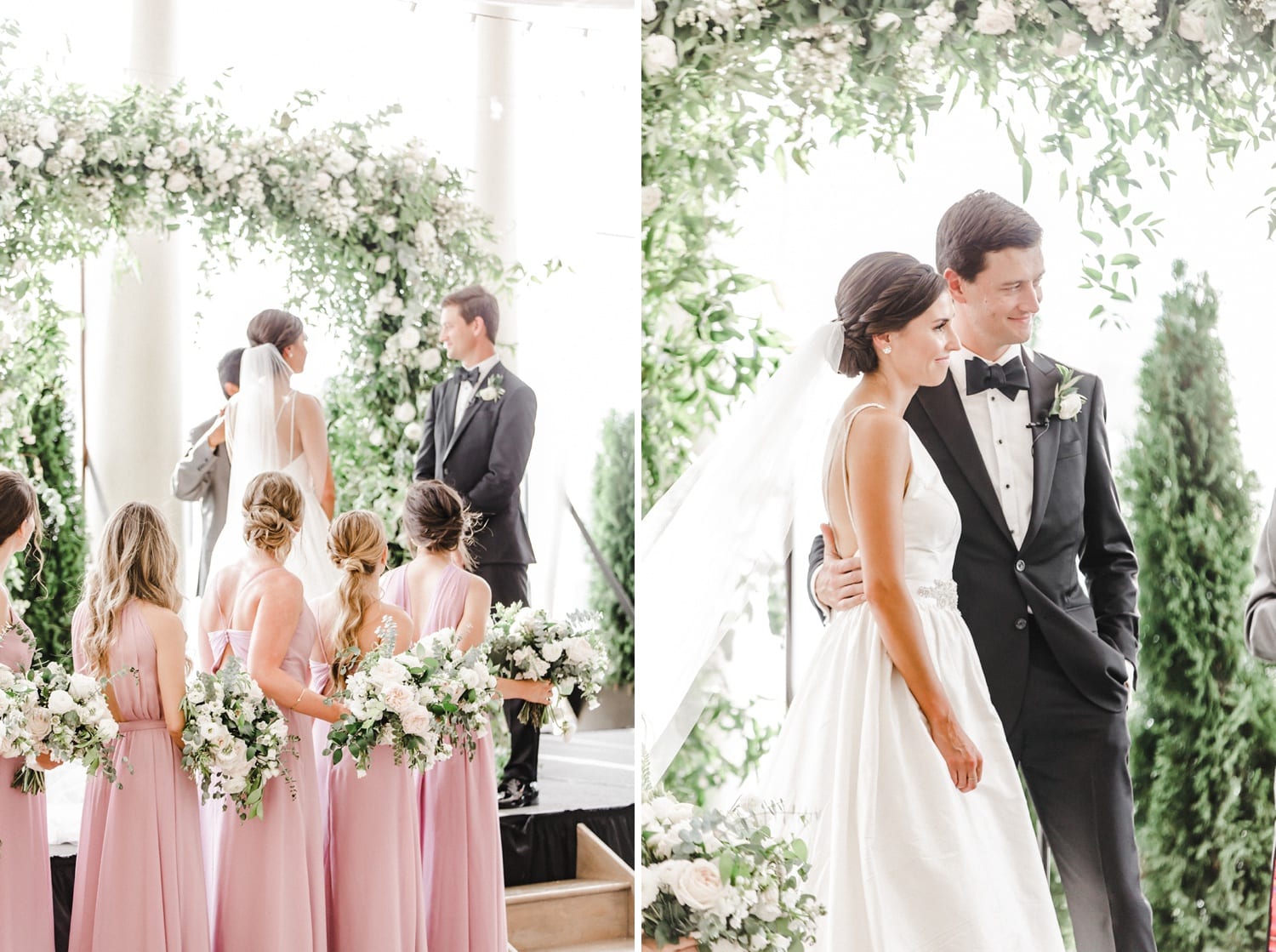
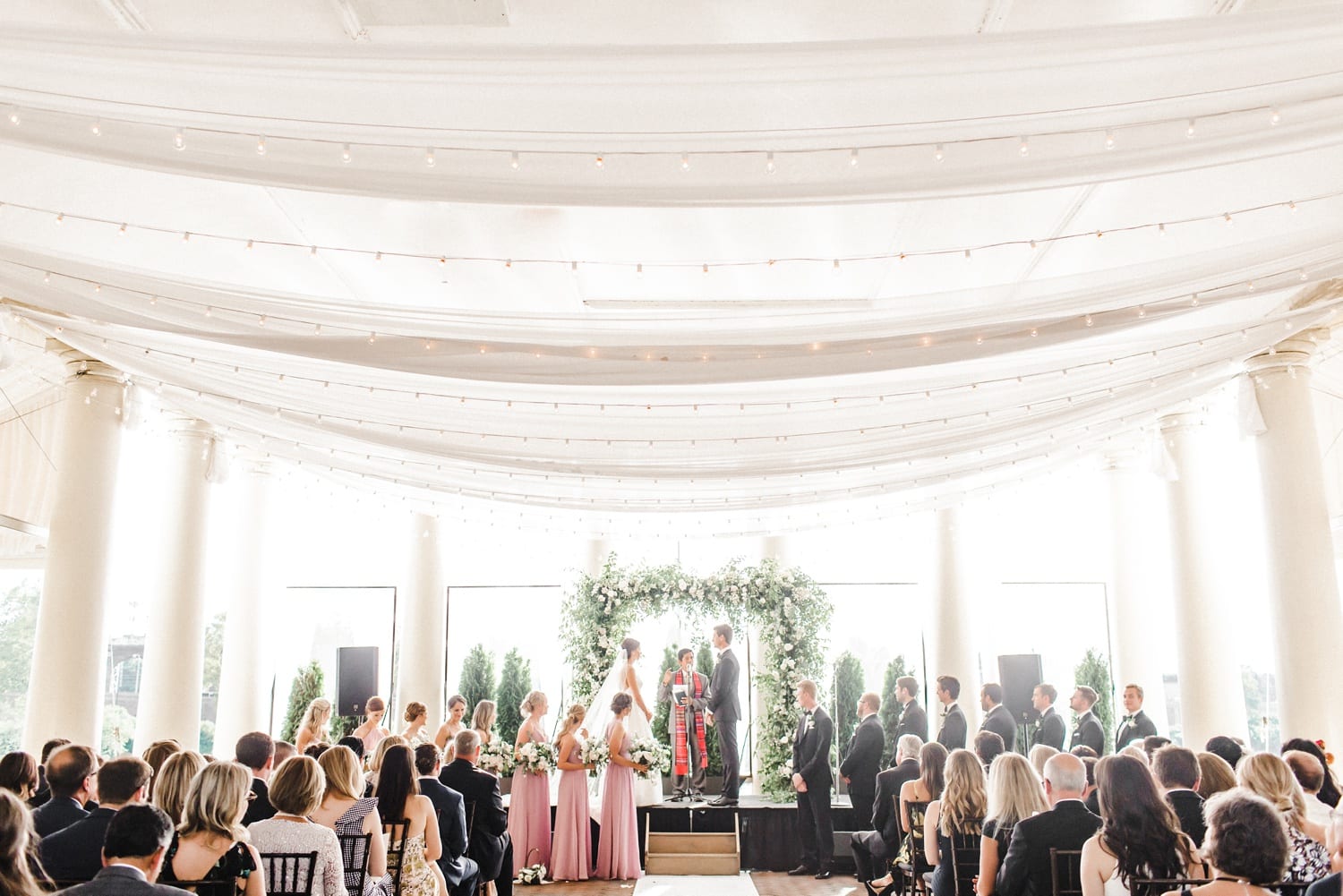
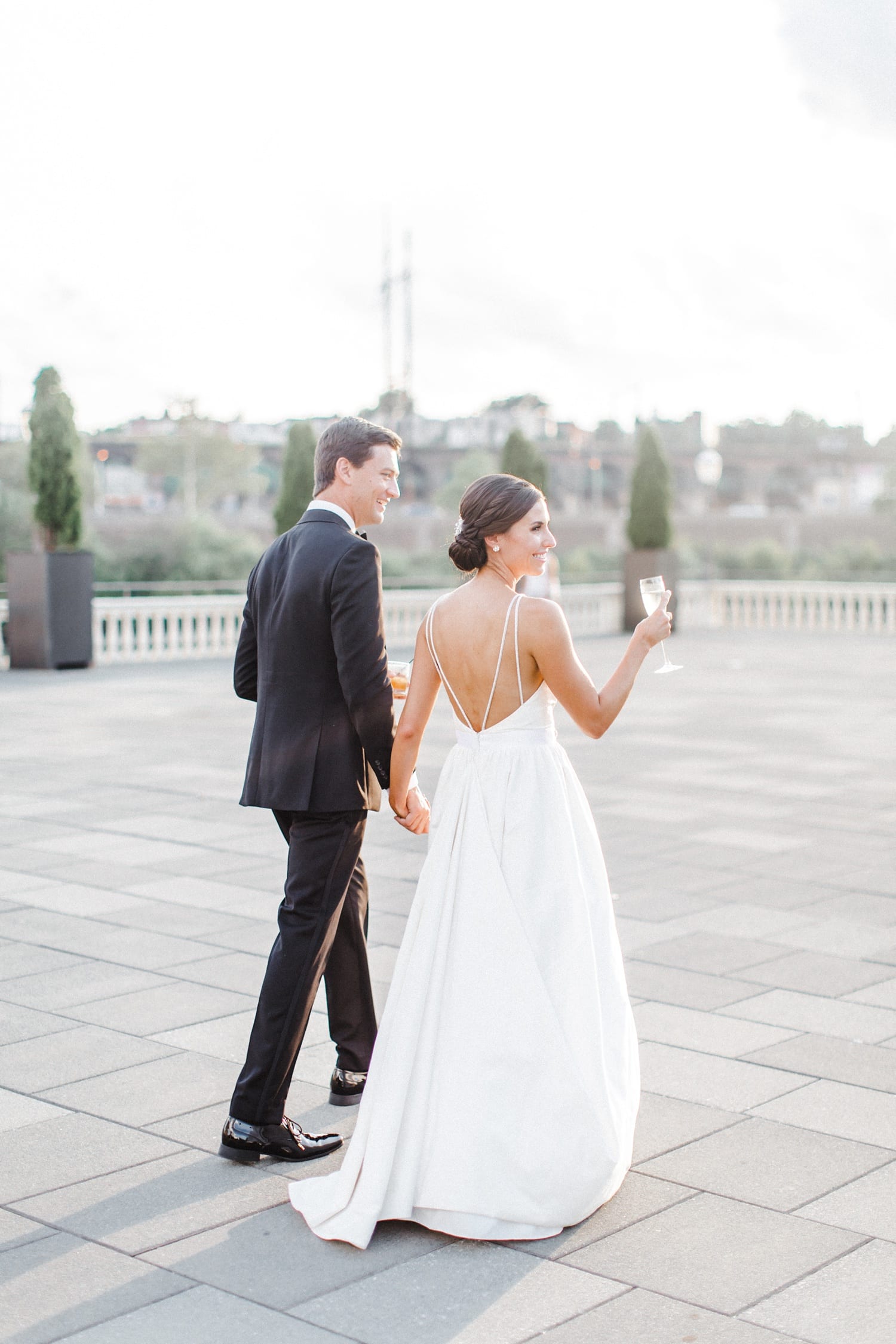
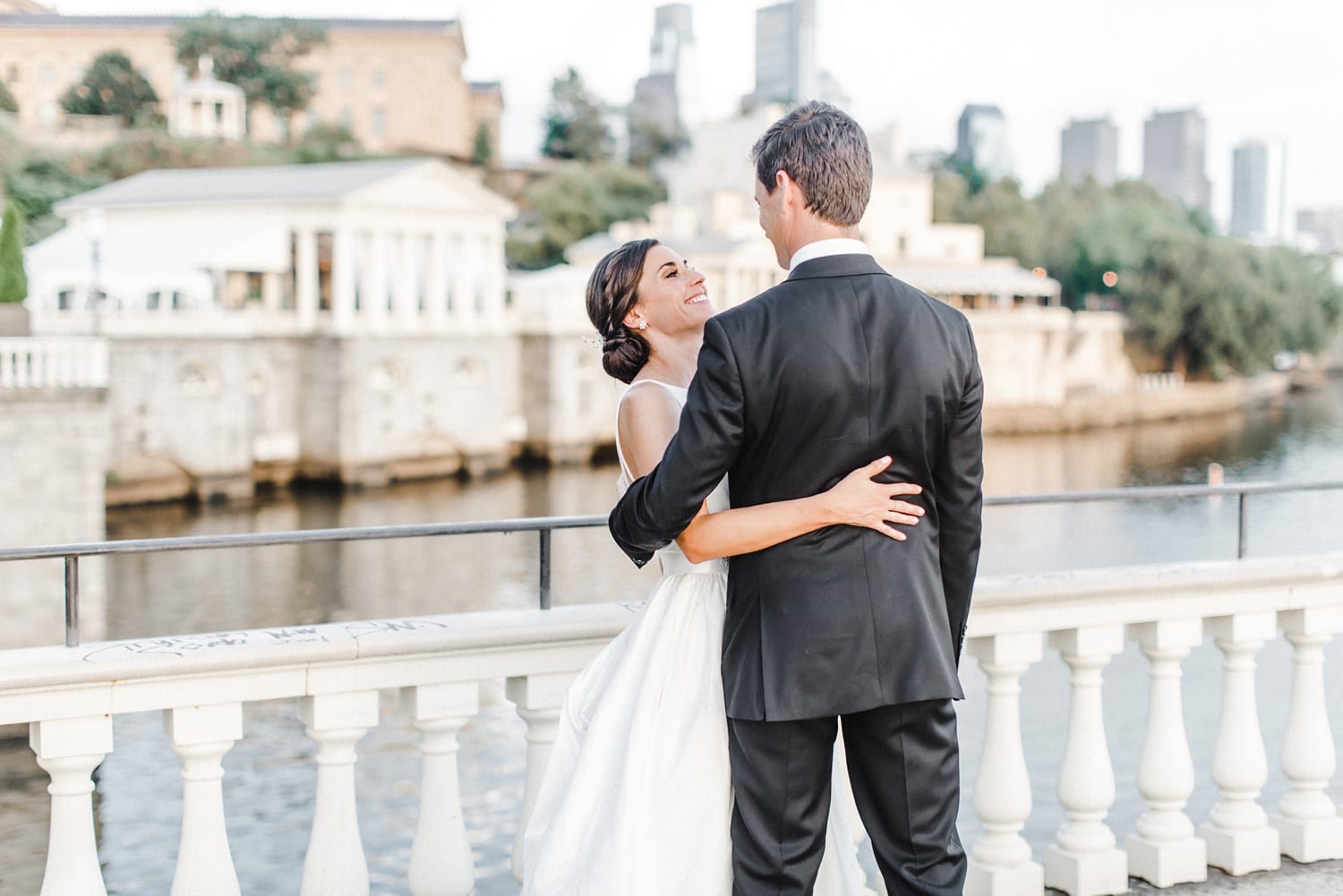
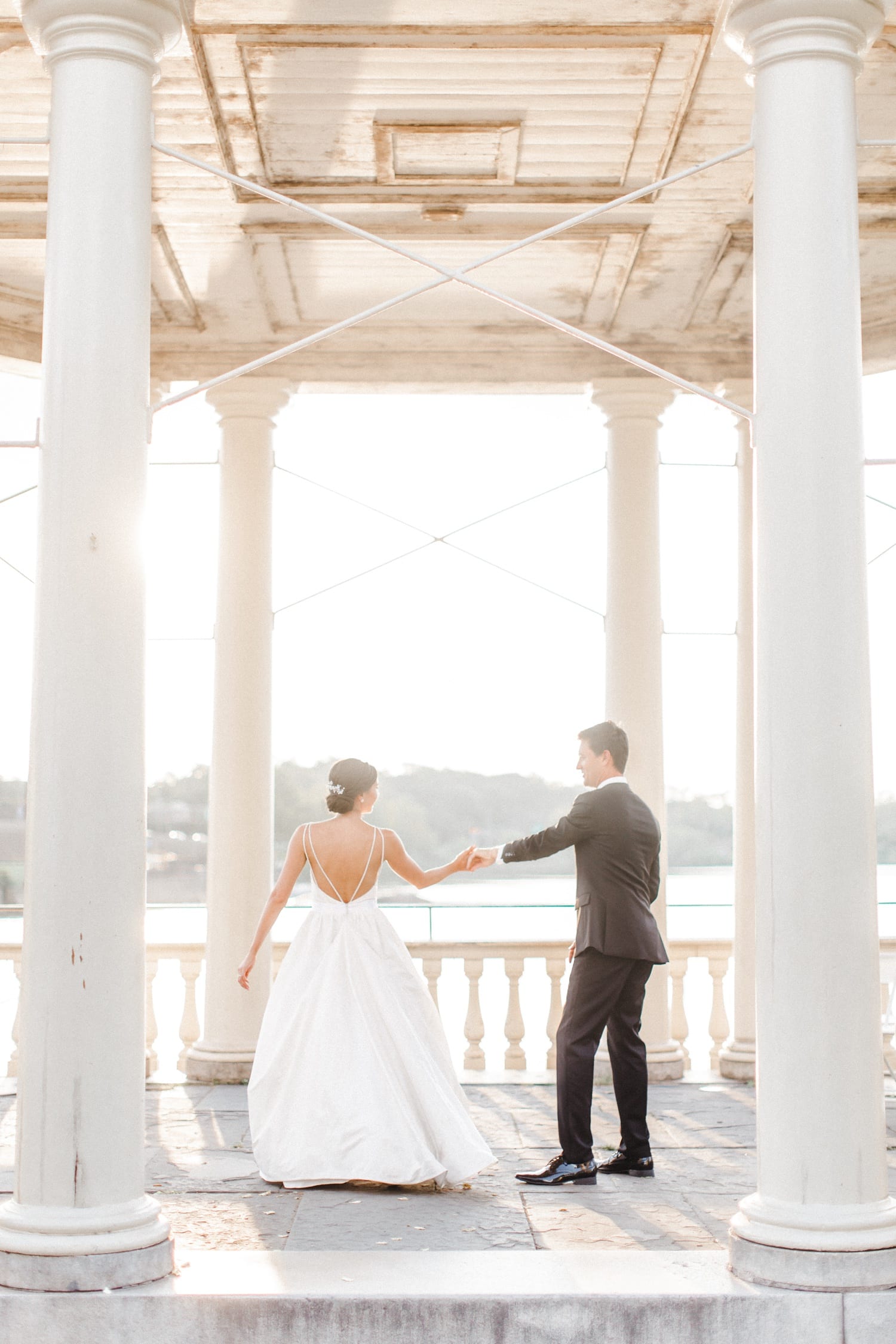
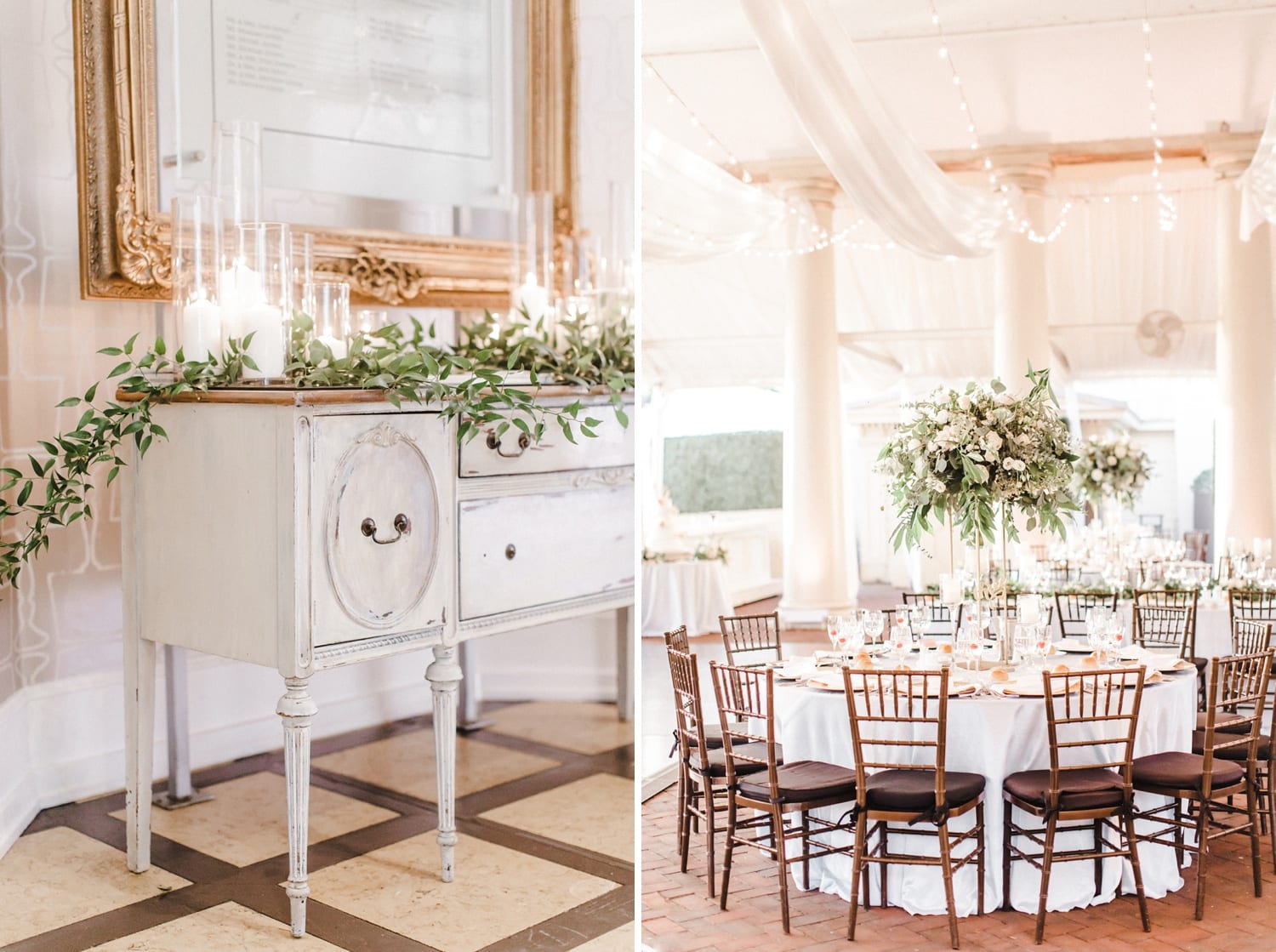
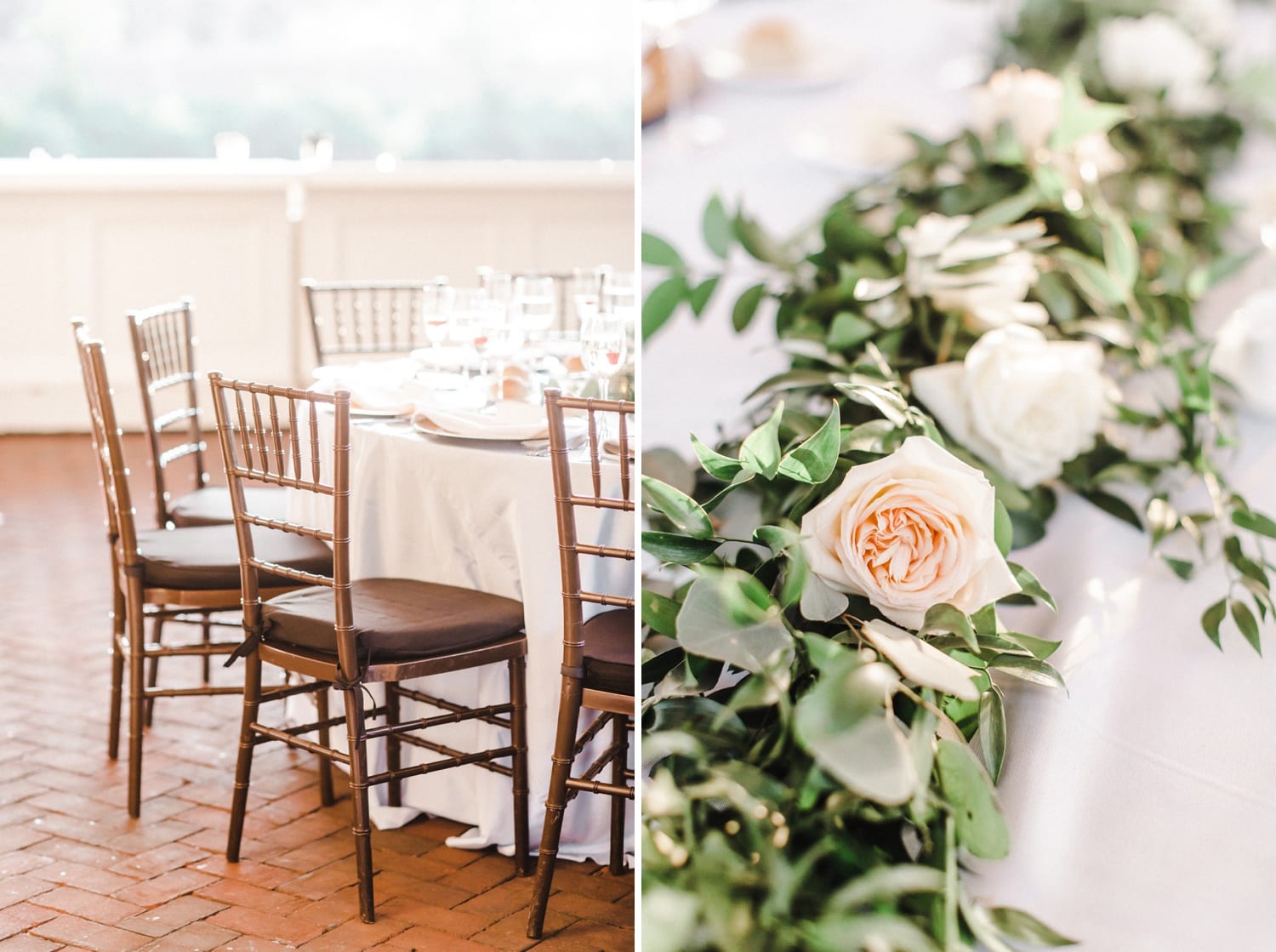
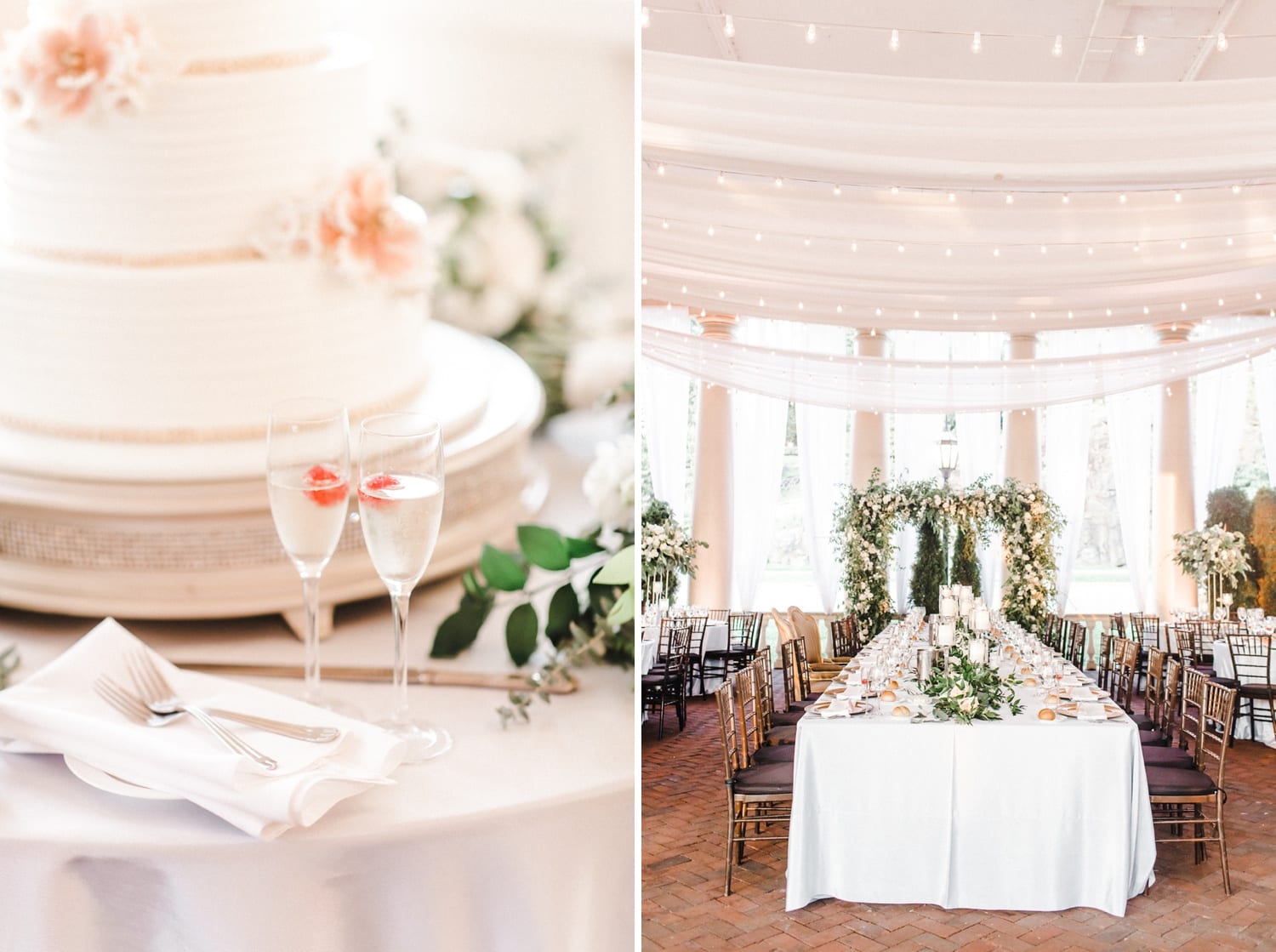
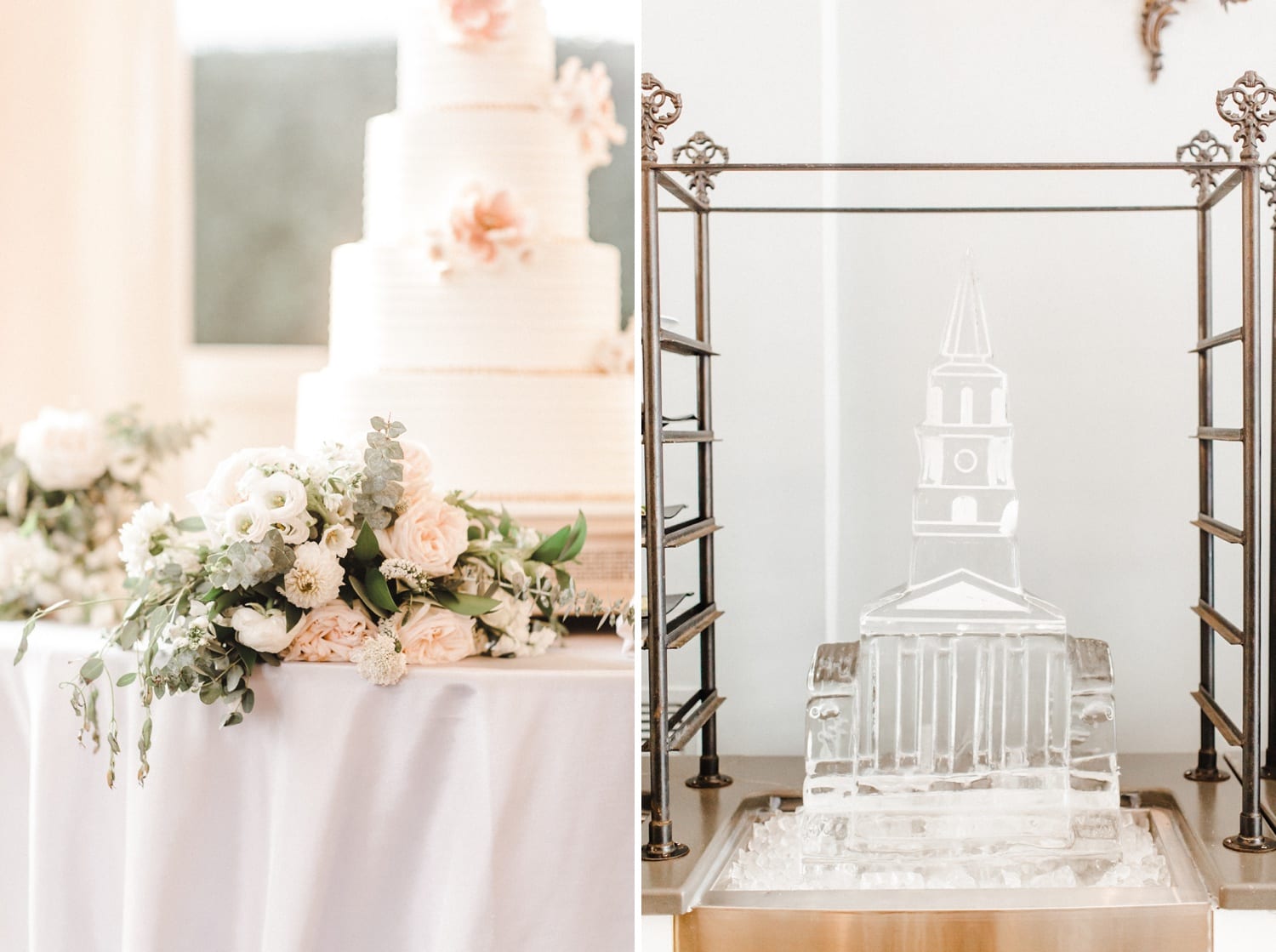
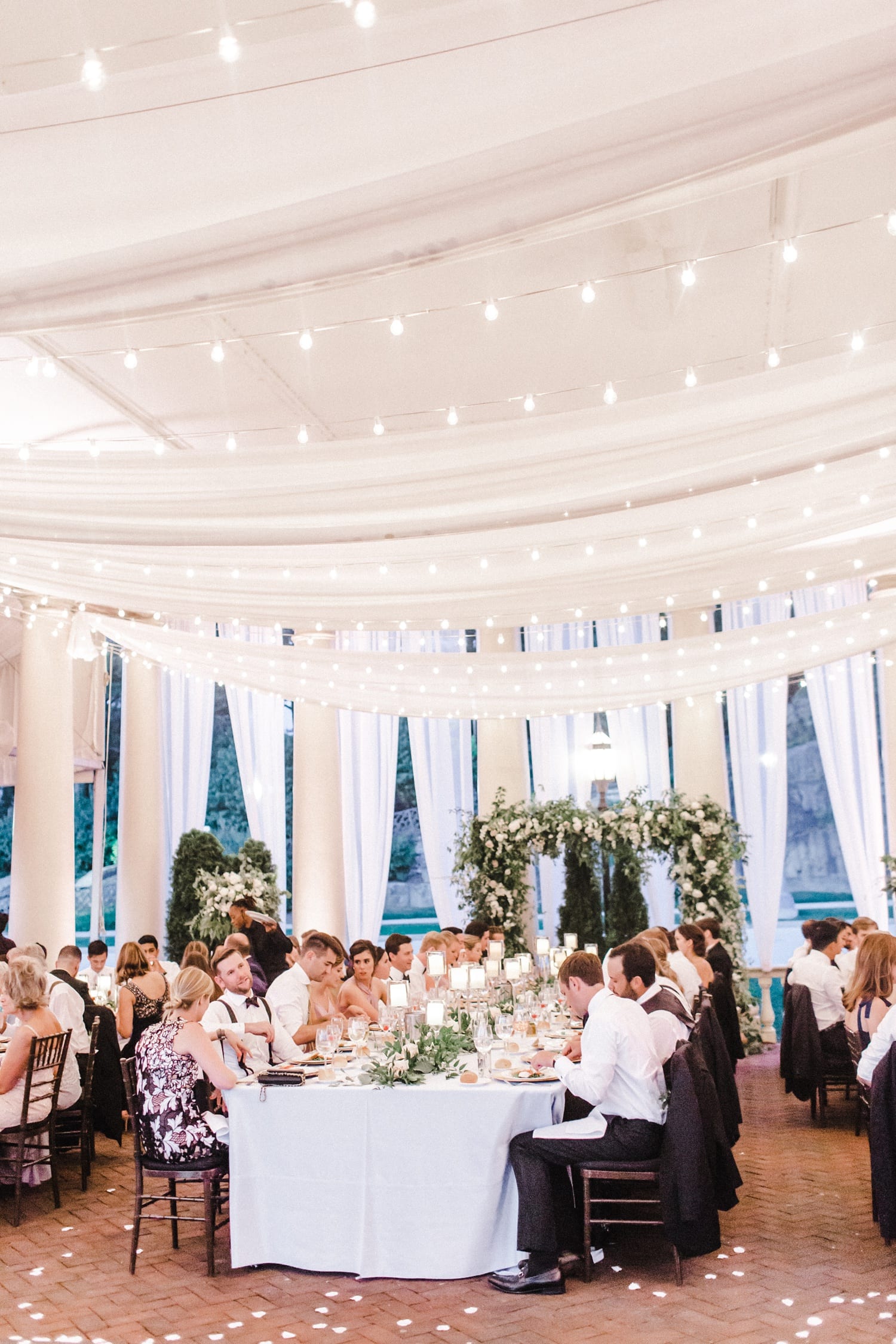
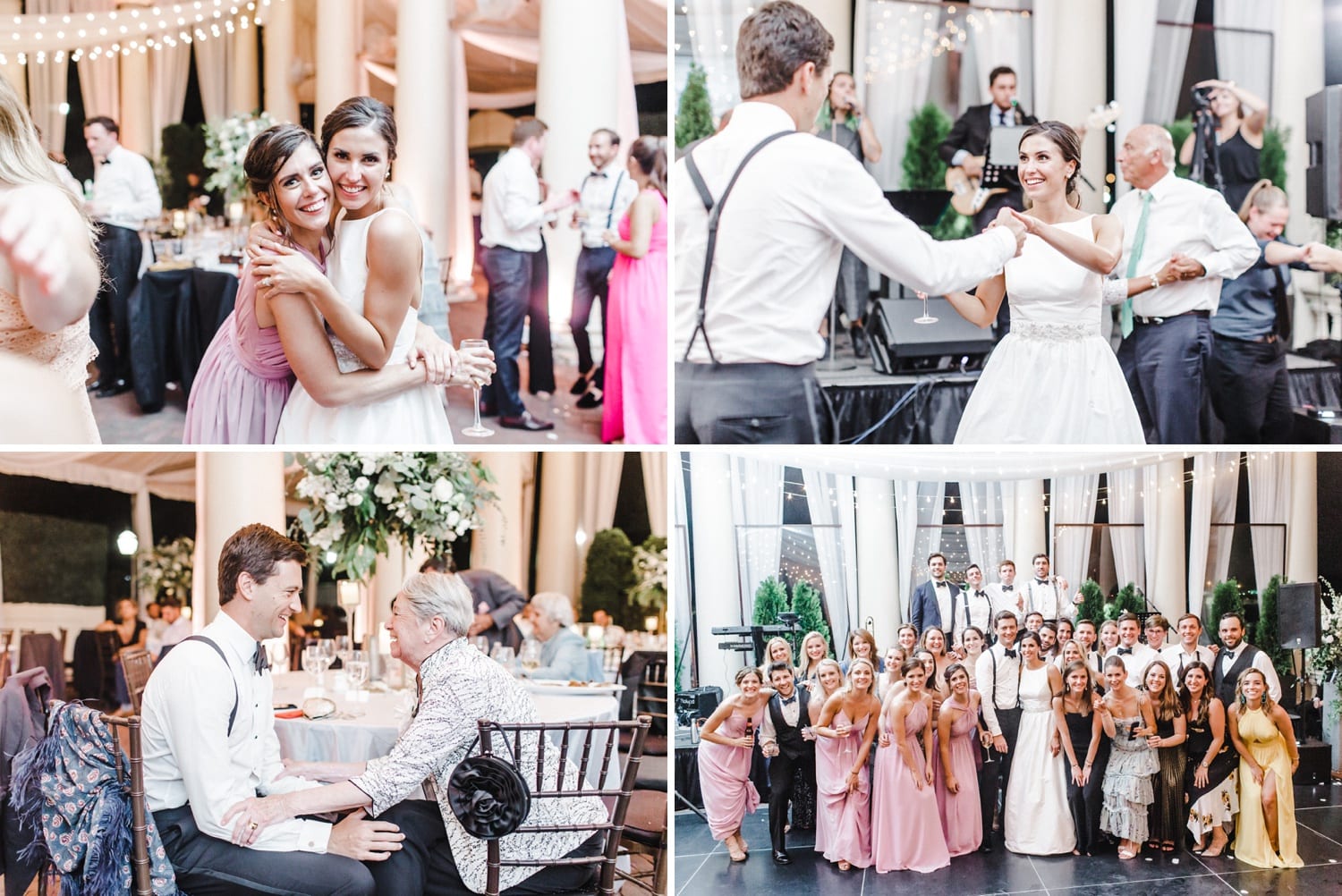
This day was A DECADE in the making and it’s days like these that I find myself feeling SO grateful to get to do what I do. To be welcomed into such a sweet day, capture love, and document the legacy relationships that surround a couple on their wedding day… it’s all so close to my heart.

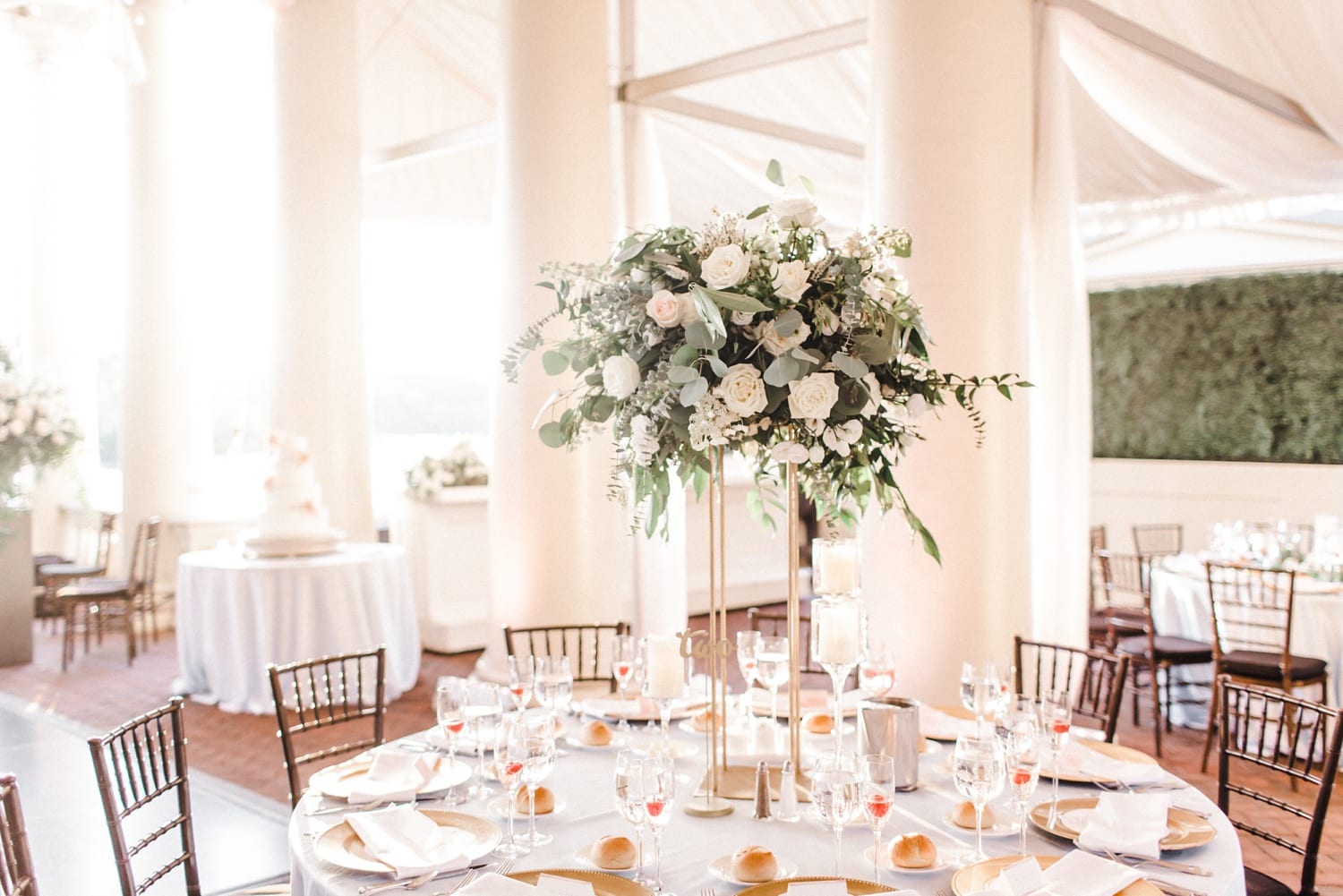
Andy & Lindsay truly are as kind, classy, gracious, and genuine as you may think and my only sadness is that this day has come and gone so quickly! But I am SO excited to share with you their unforgettable Waterworks wedding. <3

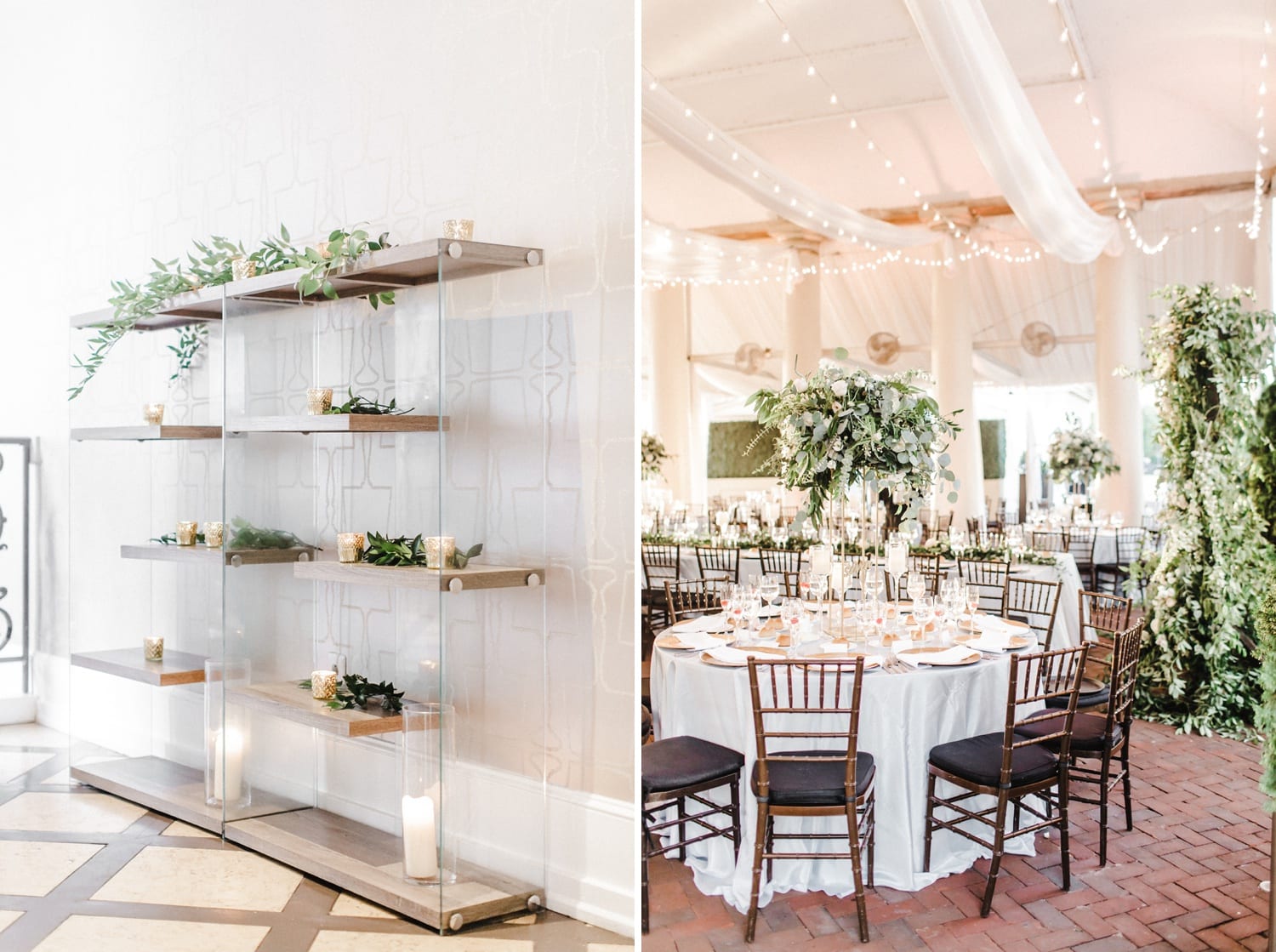
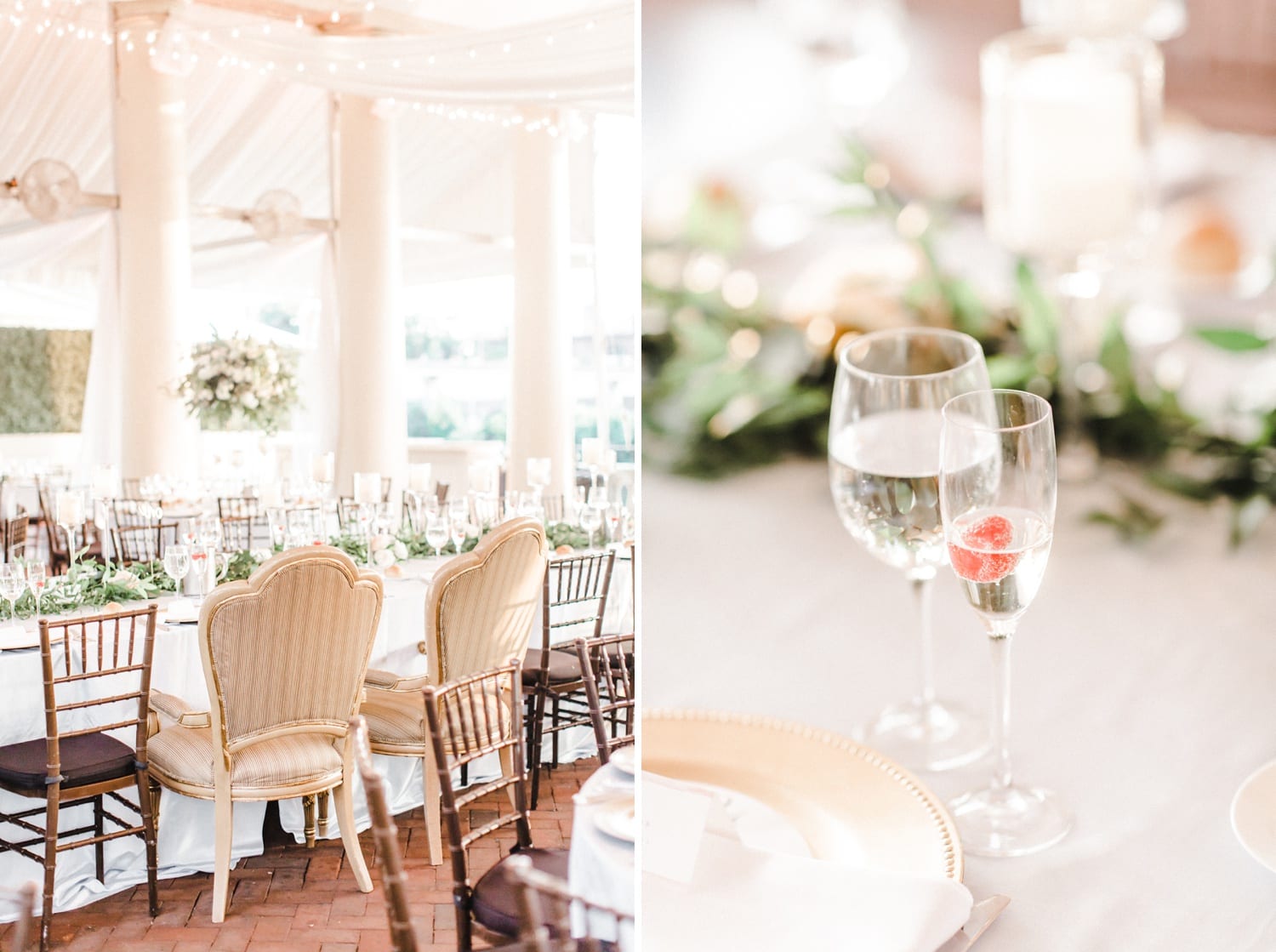
Enjoy a few of my favorites from their beautiful wedding full of so much love and be sure to read more of Andy & Lindsay’s love story here! Xo


Vendor Credits:
Photographer | Caroline Logan Photography
Second Shooter | Vanessa Shenk
Bridal Prep | The Kimpton Palomar Hotel
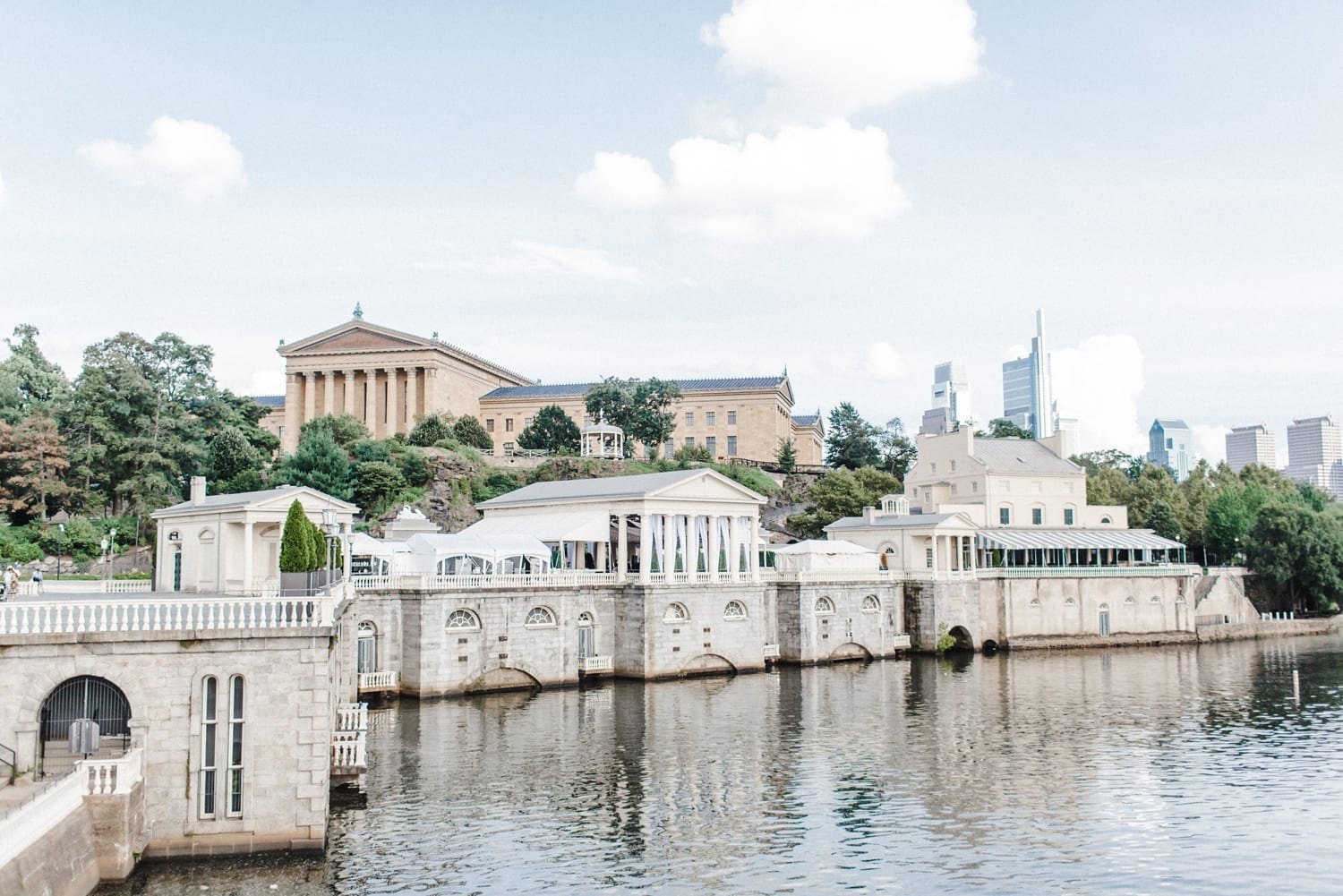
Venue | Waterworks
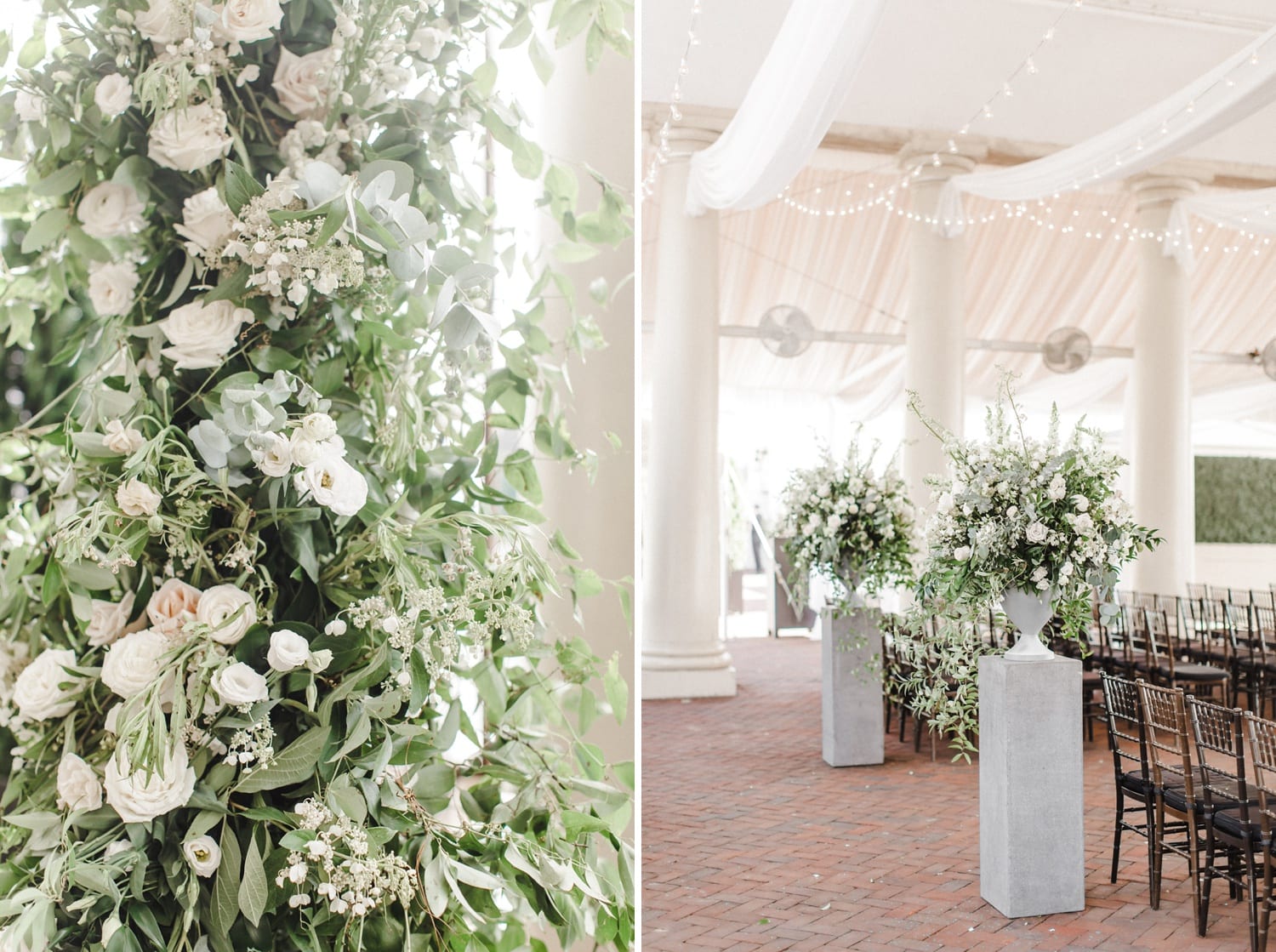
Floral Design | Petals with Style
Band | Bachelor Boys Band
Hair & Makeup Artist | Unfading Beauty by Kristen
Invitations | Sweet Invitation Co
Wedding Gown | Paloma Blanca // Van Cleve
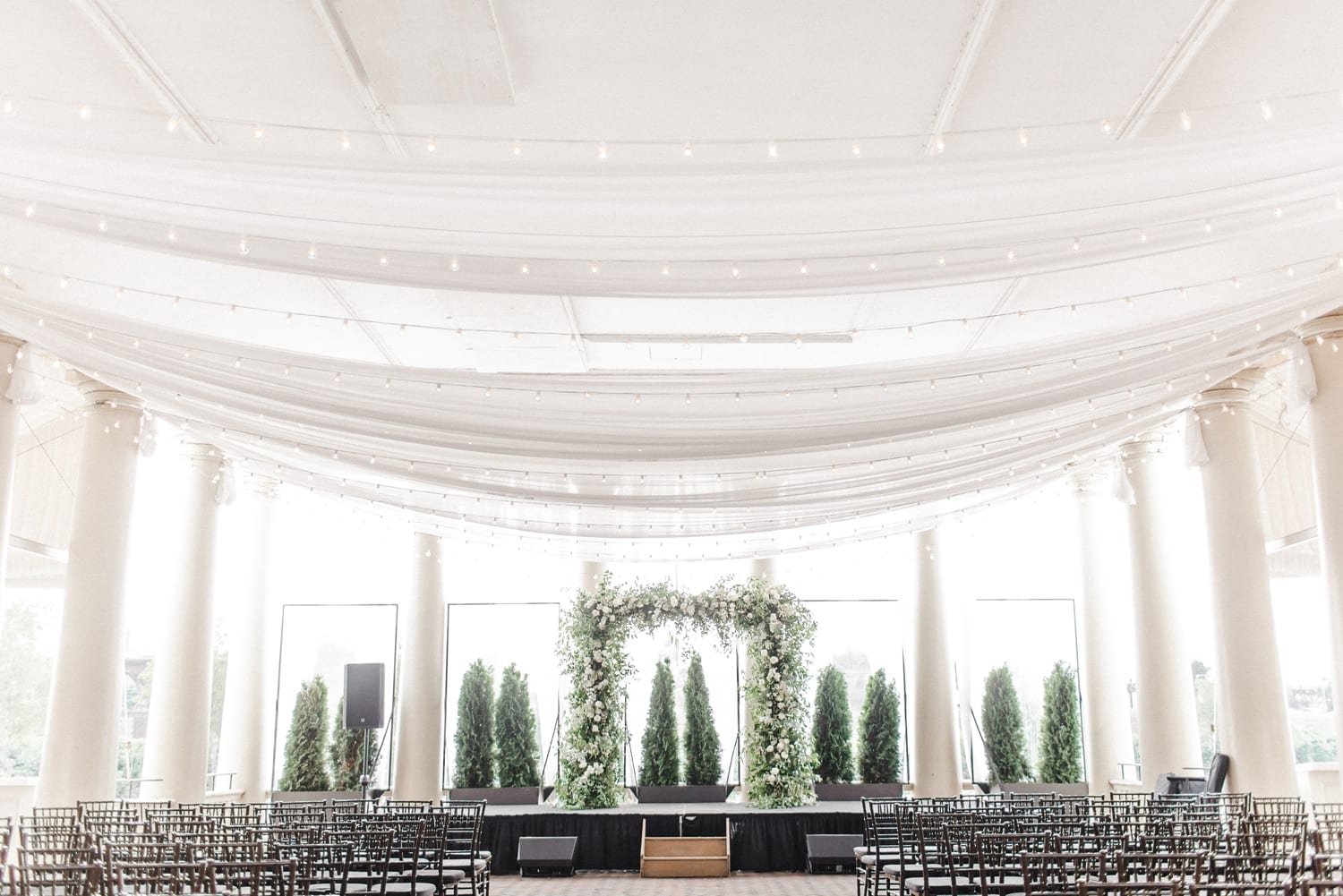
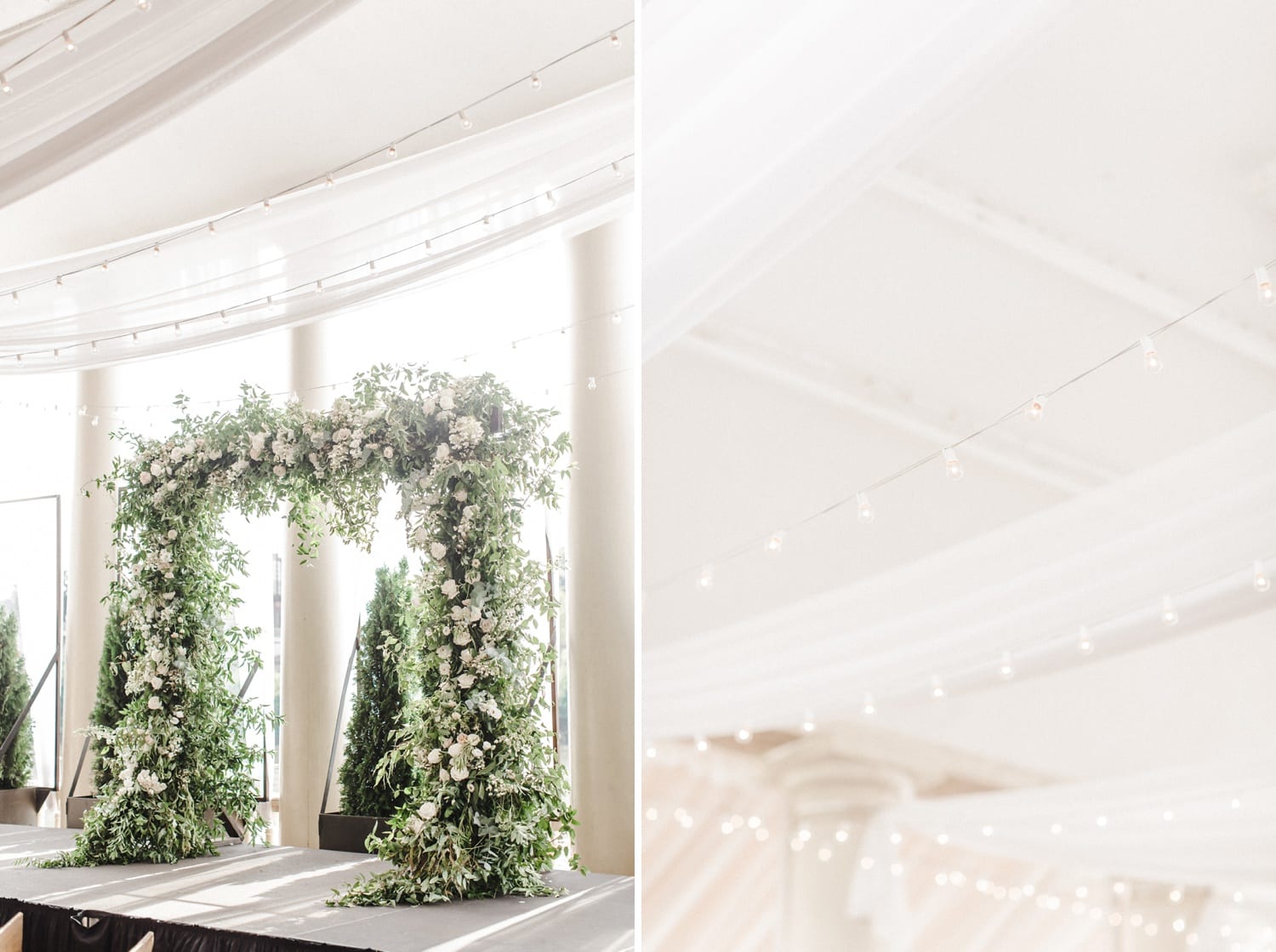
Lighting & Draping | Beautiful Blooms
Bridesmaids Dresses | Sorella Vita // Van Cleve
Catering | Cescaphe
Cake | Cescaphe

For Photographers: Love creamy skintones & soft colors? Learn to edit light & airy here!


[ad_2]
Story Behind the Image “Gaze” – Barger Nature Photography

[ad_1]

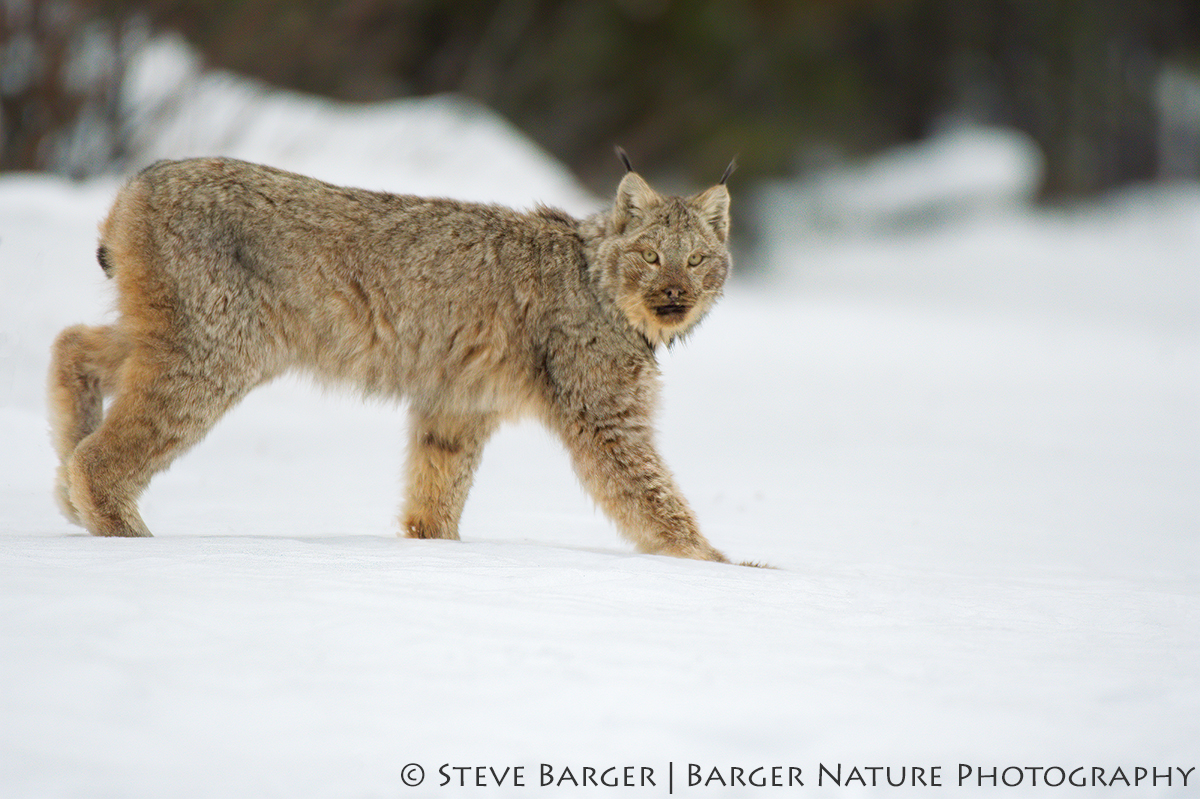
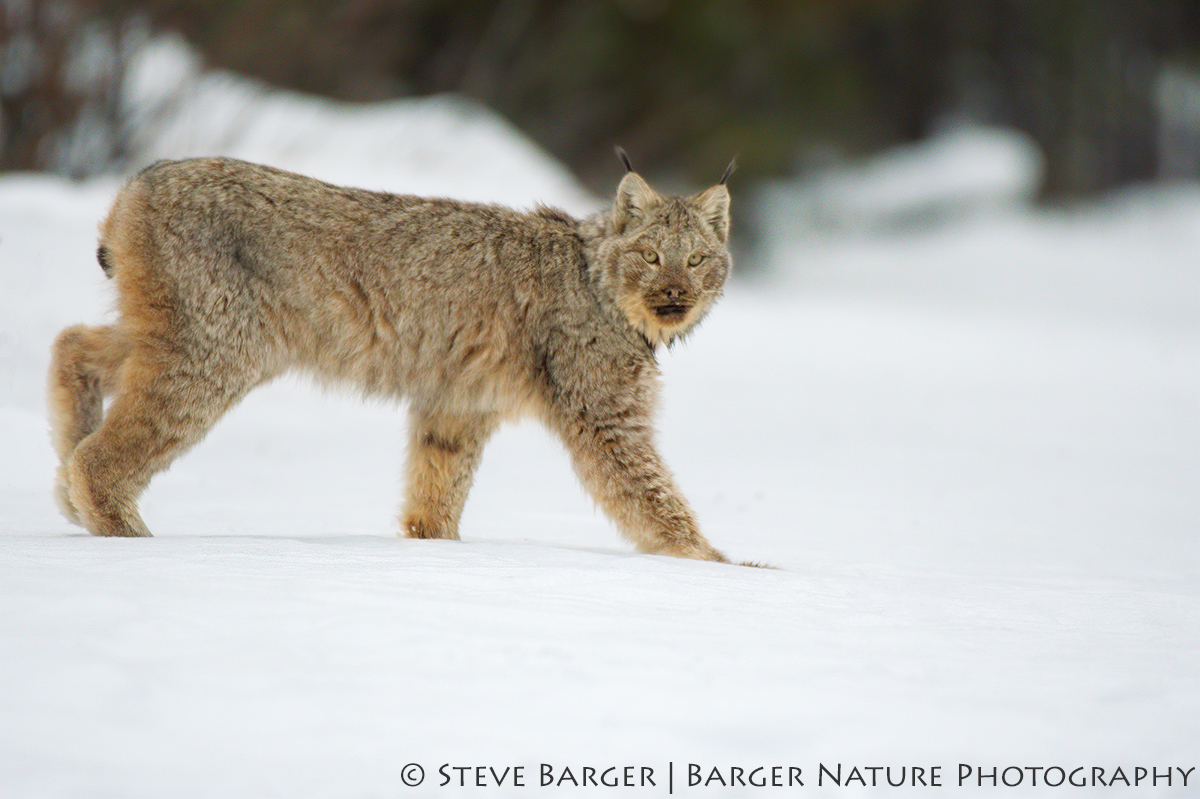
The riviting gaze of a lynx as he walks out of the forest and onto a remote logging road in British Columbia

This past February, I traveled to British Columbia primarily to photograph wolves. The wolves are active during the winter and wolves photographed on snow can create, in my opinion, a very striking image. Unfortunately, unseasonable temperatures and a heavy snowfall prior to my arrival, forced the local wolf population to temporarily relocate to another area. Since wolves can cover a territory of 50 square miles, given the conditions, it would be impossible to locate the wolf packs during my short visit. During the week I did hear a pack howling and barking in the distance. I had one wolf sighting but in a position where I was unable to take a meaningful image.

I was returning by snowmobile one afternoon after an unsuccessful day scouting for wolves when I noticed a lynx ahead sitting on the side of the trail. A good friend of mine was traveling with me. When traveling in the backcountry in the winter it is smart to travel with at least one other person in case of mechanical failures or injuries. We stopped approximately 150 yards away from his position, and watched as he continued to sit and eat. He was obviously not concerned with our presence due to our position relative to his. Finally, the lynx tired of eating, stood and walked into the forest next to the trail. We then moved on down the trail past where he entered the trees and stopped approximately 150 yards on the other side of his entry into the forest. I then proceeded to walk back up the trail and laid down in the snow approximately 75 feet from where he entered the forest. I knew it was a long shot, but I hoped if I remained perfectly still and did not make any noises, he might return. Sure enough, after patiently waiting 15 minutes or so, he appeared at the edge of the forest.

I slowly raised my camera and lens to my eye and began to take a few photographs. During this time, he just stood motionless in front of the forest watching. His position was such that if he sensed danger, he could quickly move into the forest using the snowdrift in front of him as cover.

After maybe five minutes, apparently realizing that I posed no threat to him, he proceeded to slowly walk out to the snowmobile trail and up the trail away from me. During this time, I held my position knowing that he would maintain a safe distance from me outside his “circle of fear”. Enter into an animal’s “circle of fear” and they will either fight or take flight.

During this time, I avoided making any sudden movements or strange noises. He walked slowly but with purpose. When he reached the snowmobile trail, he turned and walked up the trail. It was very clear to me that he did not feel threaten by my presence, since his behavior was business as usual.

As is often the case when photographing in the wild, opportunities to photograph the primary subject may not materialize. Avoid getting discouraged, keep an open mind and constantly be aware of your surroundings, and something worth photographing will appear. This trip was no exception. Besides, if this were easy, everyone would be doing it.

[ad_2]