’ love for photography started in New York in 1979. He was three years into his career as the guitarist for The Police, the British trio that quickly became a sensation with its 1978 debut album, Outlandos d’Amour (“Roxanne,” “Can’t Stand Losing You”) and 1979’s Regatta de Blanc (“Message in a Bottle,” “Walking on the Moon”). The band was constantly surrounded by photographers, and Summers began to get interested in their equipment.
“Suddenly it occurred to me: I should get a really good camera,” he tells Billboard’s Behind the Setlist podcast. “I’m on the road. I’ve got all this time. I mean, the only real commitment I have is getting to the gig and playing a couple of hours however many nights a week. Then there’s all this downtime, particularly in the U.S.” Summers bought a Nikon camera at a B&H Photo Video store in New York City and quickly began studying photography books and talking to people about the craft. “Immediately it became a complete obsession,” he says.
More from Billboard
It turned out that playing the guitar wasn’t the only thing Summers was good at. “I seemed to have a natural aptitude [for photography],” he says, ”a knack for it.” Summers released his first book of photography, Throb, in 1983 and documented his time in The Police with 2007’s I’ll Be Watching You: Inside the Police. 1980-83. His latest book of photography, A Series of Glances, was released in May by German publisher teNeues Verlag.
Now Summers is combining his two passions on his North American tour, A Cracked Lens + A Missing String, that runs through the East Coast, West Coast and Canada before culminating in four dates in Florida in December. The show — Summers performing solo while his photography is displayed behind him — spans The Police (“Roxanne,” “Tea in the Sahara” and “Spirits in the Material World” are regularly played), original solo works (such as “Triboluminescence” and “The Bones of Twang Zu”), covers of Brazilian influences (“A Felicidade” by Antônio Carlos Jobim and Vinícius de Moraes, and “Manhã de carnaval” by Luis Bonfá) and a jazz classic (Thelonious Monk’s “Round Midnight”).
The mixed-media shows are an outgrowth of his photography exhibitions and performances at museums. “I think we’ve actually developed it into quite a sophisticated place from that early start,” says Summers. “And the way you learn you, the way you do it is by actually doing it in front of an audience. Of course, I practice in my studio, and we project onto a big white wall and I play and then you know, so that’s your normal practice — sequencing playing, getting used to it — then you do it once in front of your audience and realize you’ve got everything wrong. And so you revise it. It’s always a work in progress.”
Listen to the entire interview with Andy Summers at Spotify, Apple Podcasts, iHeart, Amazon Music or Audible.
An eye full of cellular stars is a stunning example of the beauty that exists in nature’s smallest sizes.
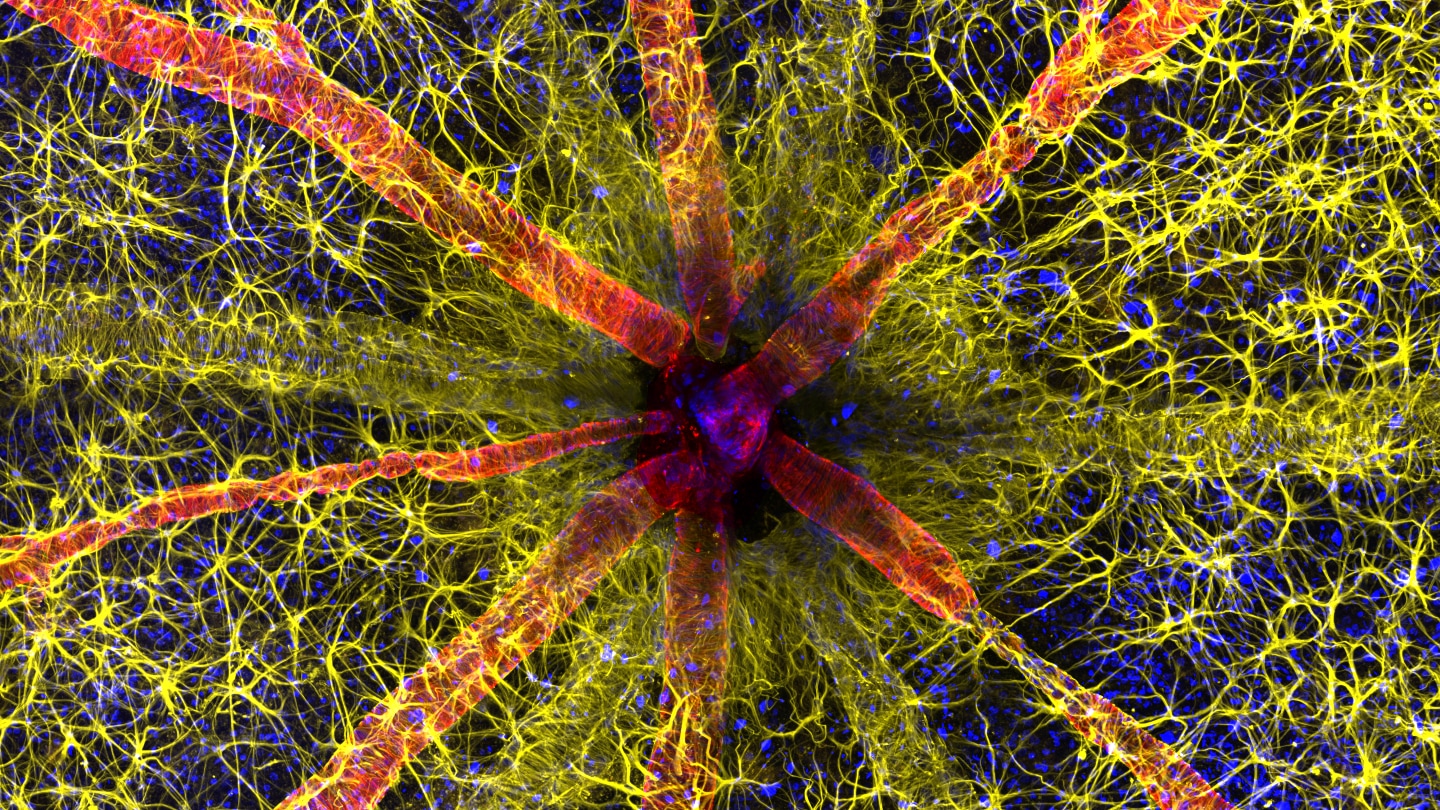
A glimpse of the back of a rat’s eye, and the immune cells that keep it healthy, won first place in the 2023 Nikon Small World photomicrography competition. The image, composed of multiple snapshots captured with a confocal microscope, was taken by neuroscientist Hassanain Qambari of the Lions Eye Institute’s Centre for Ophthalmology and Visual Science in Perth, Australia.
Tap this image and those below to enlarge
The photo is artificially colored to showcase the eye’s optic nerve — the black spot in the center — and surrounding structures in the retina, a layer of cells within the eye that captures light. A protein that helps blood vessels contract is shown in red and cell nuclei are blue. In yellow are astrocytes, a kind of immune cell that helps control inflammation in the retina.
The image is part of research that aims to uncover how diabetic retinopathy — a disease where high blood sugar damages retinal blood vessels — can alter the function and structure of the retina, Qambari says. When people are diagnosed, the disease is typically already in a late stage and the retina has sustained irreversible damage. Some people can go blind.
By pinpointing any changes that happen early on, researchers may be able to develop a drug to reverse those changes before the disease advances and causes damage.
The inner workings of the rat eye is one of 86 photos recognized in this year’s competition, the winners of which were announced October 17. Here are a few of our other favorites.
Fixing muscle
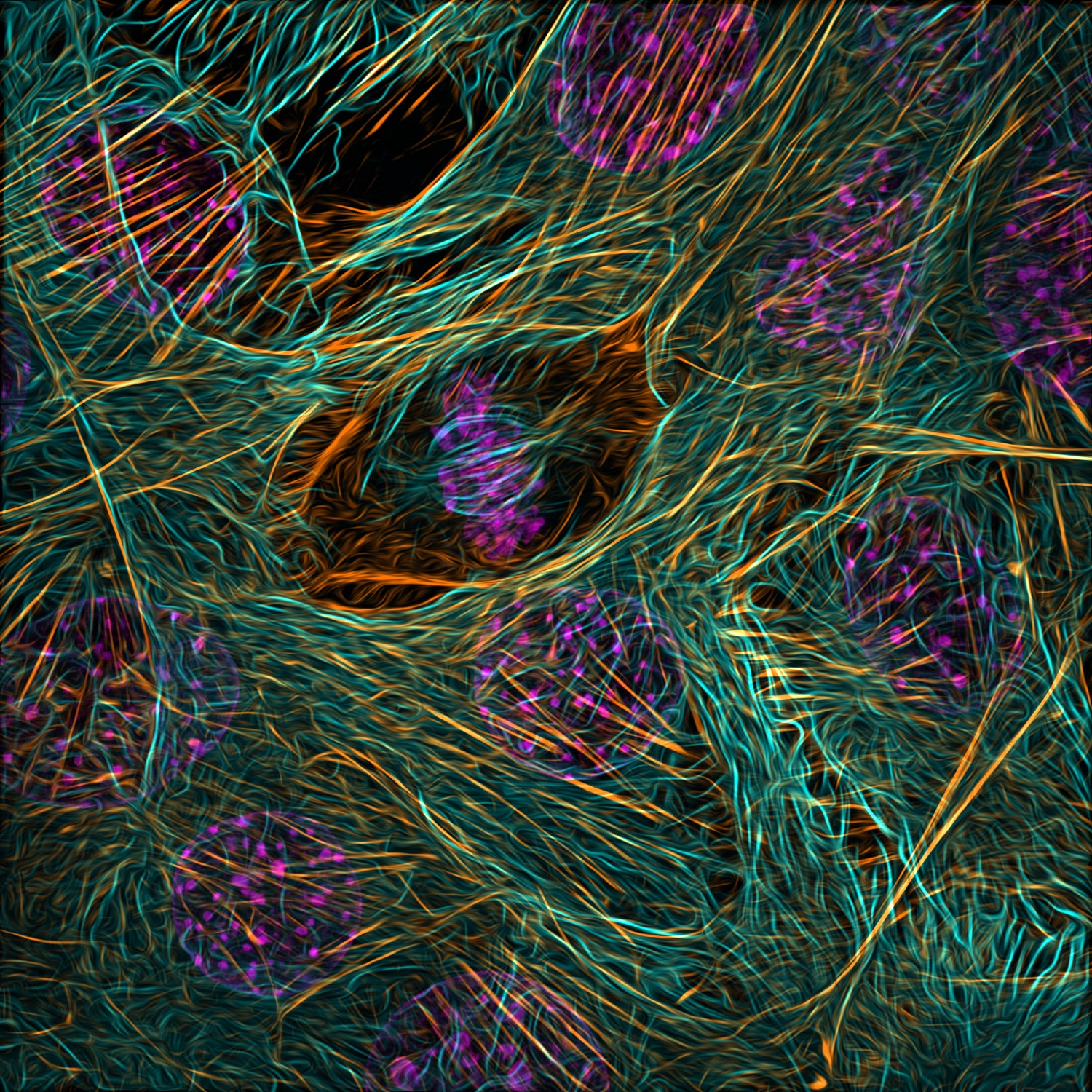
Cells called myoblasts help build muscle. The myoblast in the center of this photo, shown at 63 times magnification, is dividing in two. A protein that provides structural support for cells and pulls genetic material apart during division is colored cyan. Another protein important for muscle contraction is orange. Cell nuclei are magenta.Vaibhav Deshmukh
Some of these cells are in fix-it mode.
The photo, snapped by molecular physiologist Vaibhav Deshmukh, showcases cells called myoblasts that build muscle. These myoblasts are from mice and can be grown indefinitely in lab dishes. With dyes and antibodies, Deshmukh, then studying heart myoblasts as a graduate student at Baylor College of Medicine in Houston, marked different parts of the cells in blue, orange and magenta.
One cell, in the image’s center, is in metaphase, a stage of the cycle that divides a single cell into two. During metaphase, the nucleus dissolves, and DNA-carrying chromosomes line up in the center of the cell. In the next step of the cycle, the chromosomes will be pulled apart. The image shows “how a dividing cell changes its shape and navigates through a crowded space to complete the cell cycle,” Deshmukh says.
In the body, myoblasts kick into high gear when muscle is damaged. Muscle fibers can’t repair themselves after injuries like sprains and cuts. Instead, myoblasts fuse to the fibers to help muscle regenerate.
Plenty of pollen
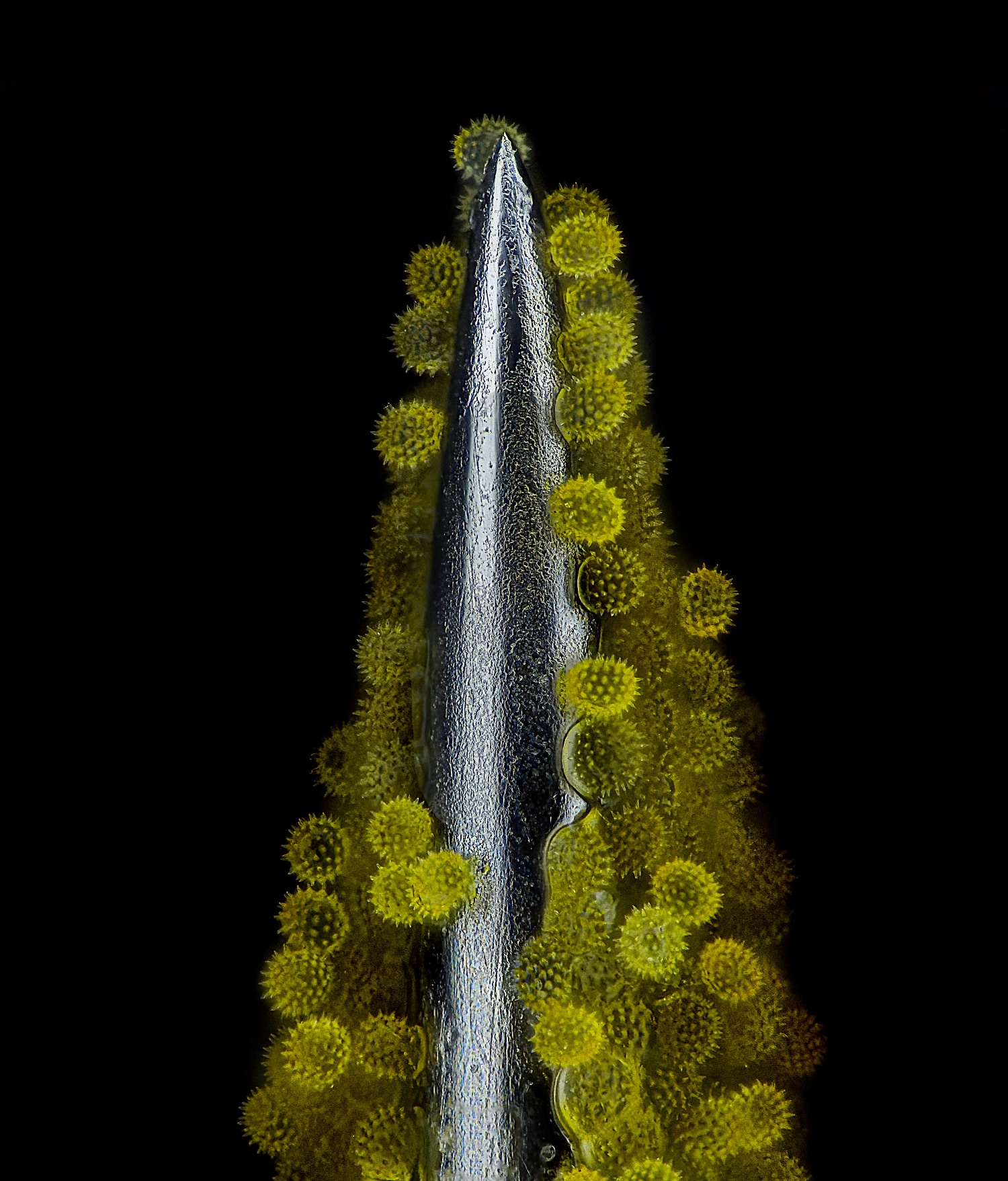
Sunflower pollen clings to the point of an acupuncture needle, shown at 40 times its normal size.John-Oliver Dum
Allergy sufferers, beware — this photo may cause phantom itchiness or sneezing.
Educator John-Oliver Dunn of Bendorf, Germany, took more than 600 images to piece together a view of sunflower pollen on an acupuncture needle. Dunn wanted to showcase how small pollen is relative to a needle, first attempting to take photos with an insulin needle. But as acupuncture needles have a finer point, they hold the pollen better, Dunn says.
A sunflower is not actually a single flower. The brown center of just one is filled with hundreds of tiny flowers. The male flowers of this bunch are responsible for the pollen, sprouting long filaments covered in pollen for insects to pick up and take to other plants.
Mothy scales
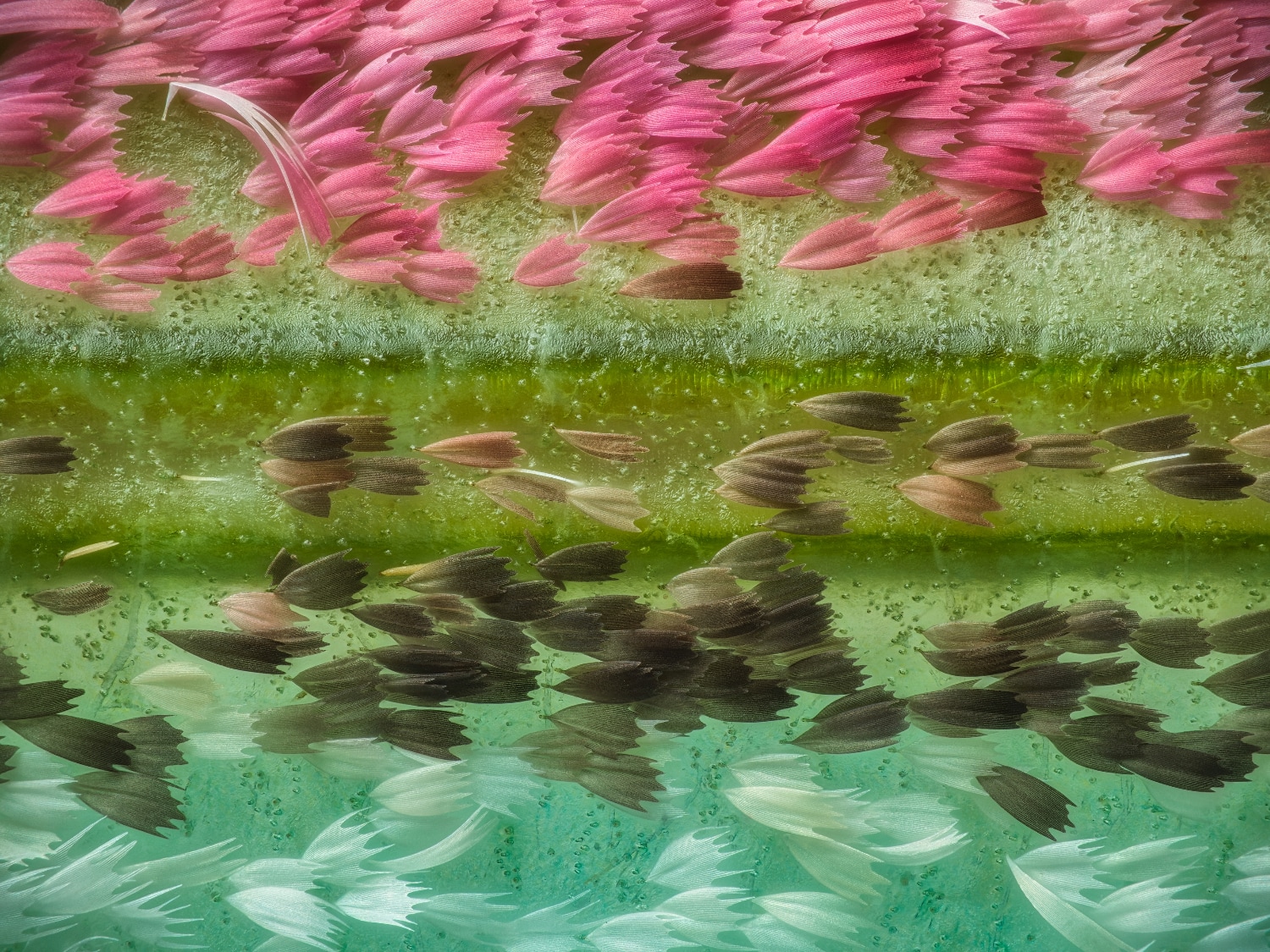
These Chinese moon moth (Actias ningpoana) wing scales, magnified 20 times, line the top of the insect’s left wing. Chinese moon moth wings are lined with magenta and black stripes. Most of the wing is white to pale green.Yuan Ji
Bright butterflies often steal the spotlight from duller-colored moths. But the scales on this Chinese moon moth (Actias ningpoana) are snatching it back.
Photographer Yuan Ji snapped this photo of a dead moth in his studio at the World Expo Museum in Shanghai. Many photographs focus on moon moths’ flashiest features: spots that adorn their wings or long tentacle-like extensions. But Ji zoomed in on a different spot at the top border of the insect’s left wing.
Microscopic butterfly and moth scales give the insects their wing decor, which can sometimes help the organisms blend into their surroundings to hide from predators. For Ji, the scales resemble cars on a road.
A little axolotl
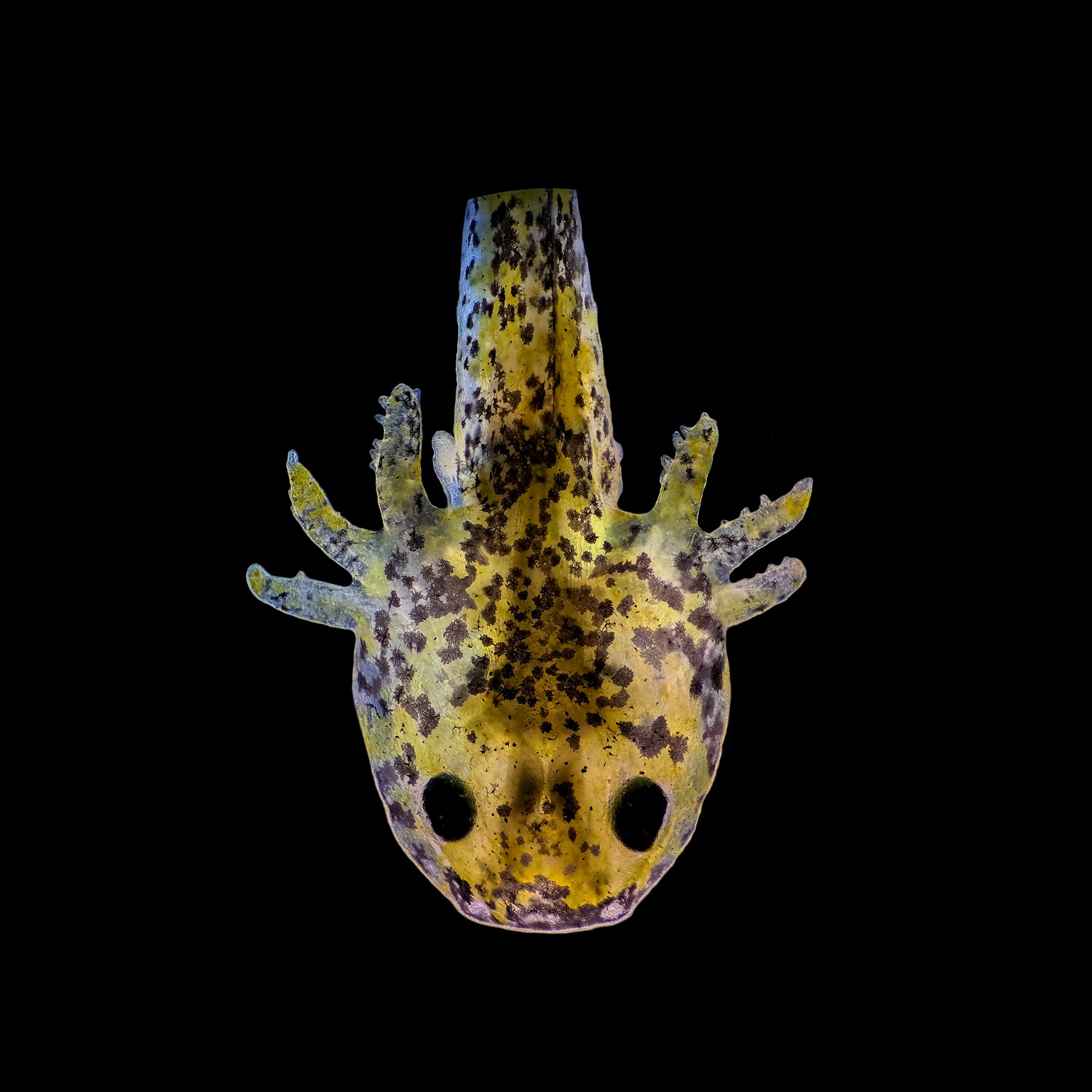
This 1-week-old axolotl is adorably young. And that youthful look will stick around into adulthood, what’s known as neoteny. The axolotl has been magnified 25 times its normal size.Priscilla Vieto Bonilla and Brandon Antonio Segura Torres
Biologists Priscilla Vieto Bonilla and Brandon Antonio Segura Torres spent days shadowing one amphibian egg from zygote to hatch day.
What emerged was this small axolotl (Ambystoma mexicanum), shown at 1 week of age. Axolotls are salamanders native to just two lakes in Mexico, one of which no longer exists and another that has been reduced to mainly canals. The young creature will retain its youthful features throughout its life, a phenomenon called neoteny, Vieto Bonilla says.
It’s unclear why the animals look forever young, but it may be because their native lakes never dried up, at least not before Spanish colonizers started draining lakes near present-day Mexico City to control flooding in the 1600s. Other amphibians that live in areas with transient streams or lakes mature from water-living young into adults capable of thriving on land or in water. But year-round access to lakes may have helped axolotls hold onto larvae-esque features, such as gills, that allow them to stay in water full time.
The pair of photographers, both undergraduates at the Universidad Nacional del Comahue in San Carlos de Bariloche, Argentina, were delighted to watch a new life develop. “While studying the theory in the classroom is one thing,” Vieto Bonilla says, “observing the zygote dividing in real time was an entirely different experience.”
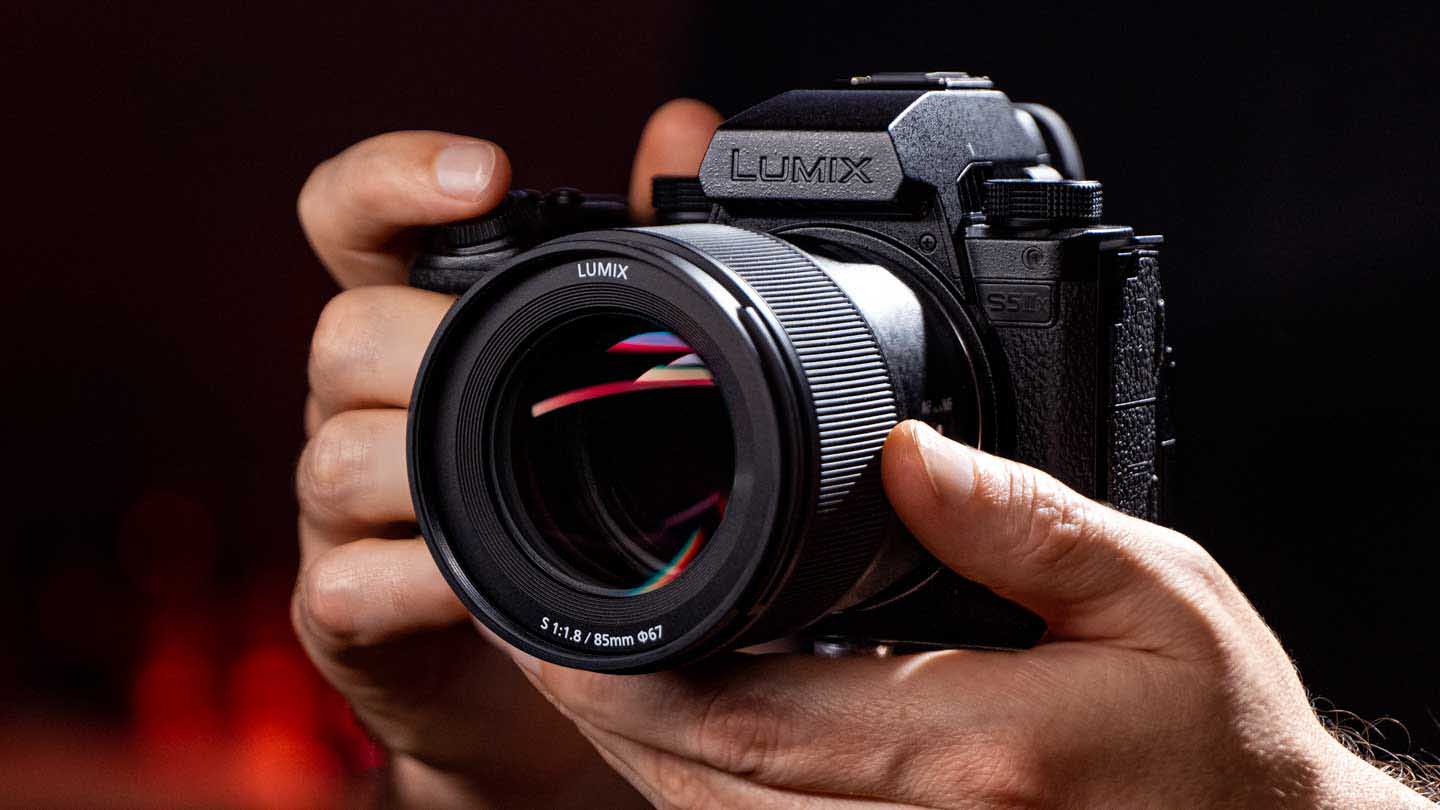
Panasonic will release new firmware for the Lumix S5II and Lumix S5IIX mirrorless cameras, aimed at enhancing both performance and usability.
The upcoming firmware updates for the S5II and S5IIX will bring a range of enhancements to the cameras’ existing features. S5II Firmware Version 2.2 and S5IIX Firmware Version 1.3 will add:
AF-Point Scope Function The update introduces an AF-Point Scope function that magnifies the focus position during autofocus. This addition aims to assist photographers in achieving more accurate focus, particularly in complex shooting scenarios.
High-Resolution Mode The firmware update extends the shutter speed settings in high-resolution mode to a maximum of 8 seconds. Additionally, long-exposure noise reduction is now applied in this mode. A new feature called [Handheld High-Res] mode has been added, allowing for higher resolution photos to be captured without the need for a tripod, courtesy of the built-in image stabiliser.
Improved MF Assist Manual focus users will appreciate the improved MF Assist feature, which now allows for up to approximately 20x magnification in full-screen mode. This allows for more precise manual focusing, making it easier for photographers to fine-tune their shots.
The update is in line with Panasonic’s approach to offer continuous improvements through firmware solutions. These updates not only extend the capabilities of existing hardware but also offer additional features to enhance customer experience.
The update will be made available free of charge and can be downloaded from the LUMIX Global Customer Support website starting 24 October 2023.
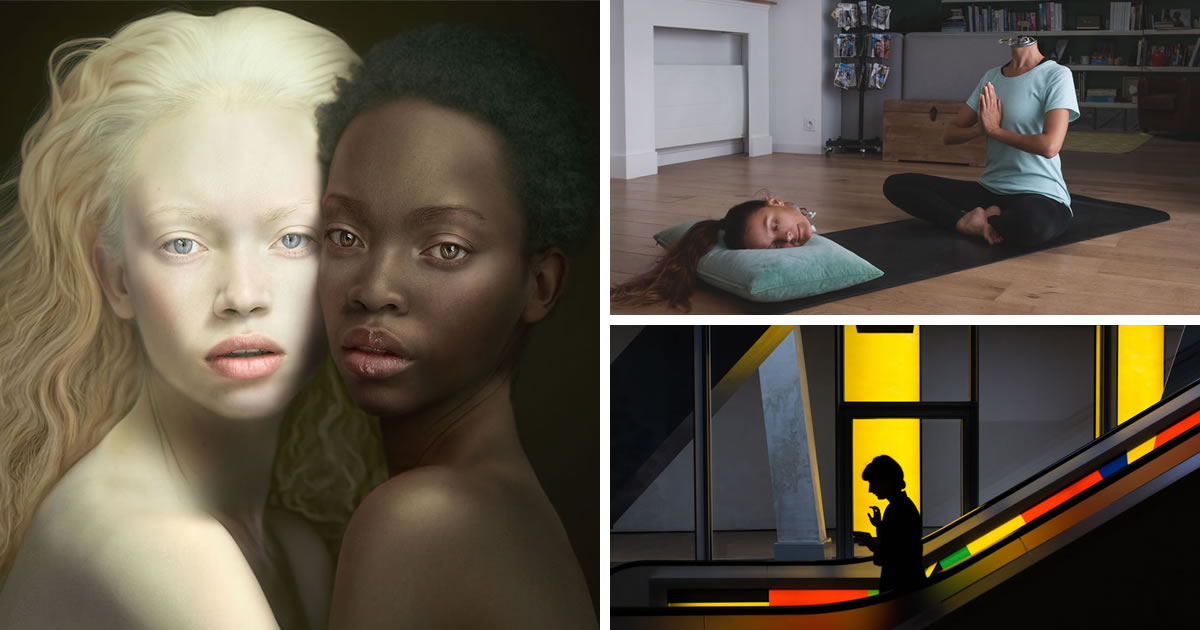
Here are the fanstastic winning photos of the Fine Art Photography Awards 2023. Fine Art Photography Awards is one of the largest award giving bodies for a community of artists ushering an era of new trends in the world of photography. Created in 2014, this competition is a melting pot for people where passion, interest, sense of beauty and openness to diversity in photography collide in intergalactic proportions.
The champions revealed across 20 categories for both Professional and Amateur divisions. This year’s grand prize winner in the Professional category goes to Cheraine Collette for her remarkable series, Exquisite Beauty. In the Amateur category, the grand prize is awarded to Nicolas Bigot for his captivating series, Digital Spirituality. Our heartfelt congratulations to all the winners and honorable mentions!
You can submit your entries for 2024 Fine Art Photography Awards, the deadline is February 11th, 2024.
Scroll down and inspire yourself. You can check their website for more information.
You can find more info about Fine Art Photography Awards:
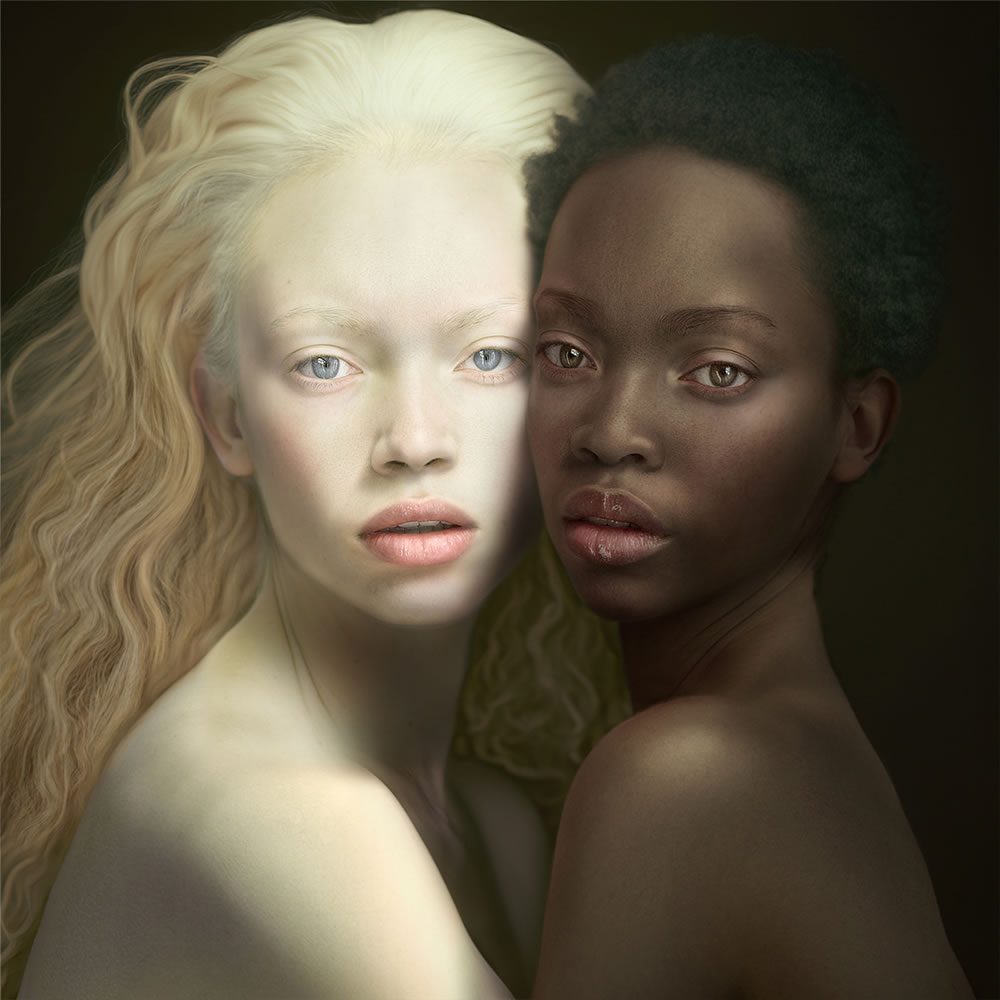
#1 Professional Photographer Of The Year: Exquisite Beauty By Cheraine Collette
Worldwide only one in approximately 20.000 is born with albinism. In some African communities, people with albinism are seen as special and are even believed to have supernatural powers. However, not all attitudes toward people with albinism are positive. In many African countries, people with albinism face widespread discrimination and prejudice. In most cases, they are even the targets of violent attacks.
Many African people with albinism are working to raise awareness about their condition and combat the discrimination they face and try to change negative attitudes to create a more accepting society for all. The exquisite beauty and strength of these individuals are truly inspiring, and their stories deserve to be told and celebrated.
#2 Amateur Fine Art Photographer Of The Year: Digital Spirituality By Nicolas Bigot
The practice of yoga on the one hand, robotics and artificial intelligence on the other hand, two very contemporary fields that everything opposes or at least that nothing binds.
In the continuity of my personal project The Robot Next Door and my reflections on the hypothetical place that synthetic beings could take in our everyday world, I push my questions on the interpretation that these machines could have on the notions of body physical, mind and consciousness.
How could the ideas of spirituality and meditations be interpreted and translated for a thinking machine? Can taking care of your own body and finding a mental balance be understood by a simulation of autonomous human intelligence? Questions that I illustrate through a small series of images showing mechanical characters trying to ape humans during experimental sessions in a kind of algorithmic introspection.
Professional Category Winners
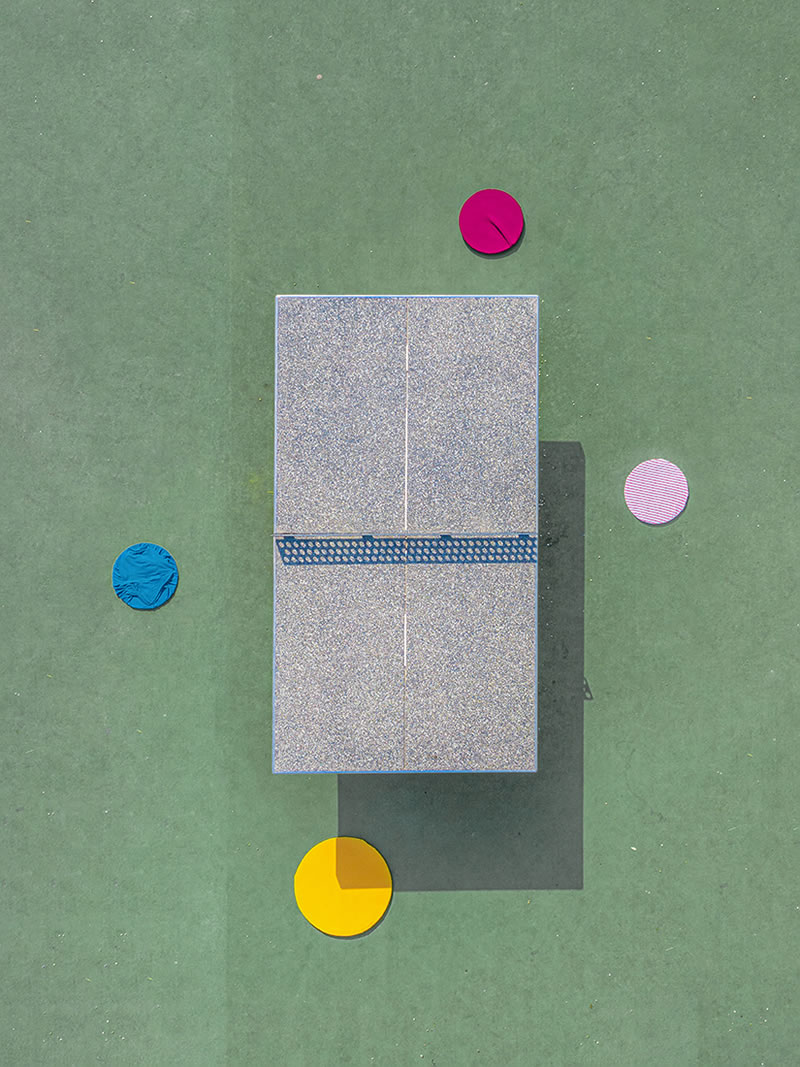
#3 Abstract: 1st Place Winner – Dots by Michal Zahornacky
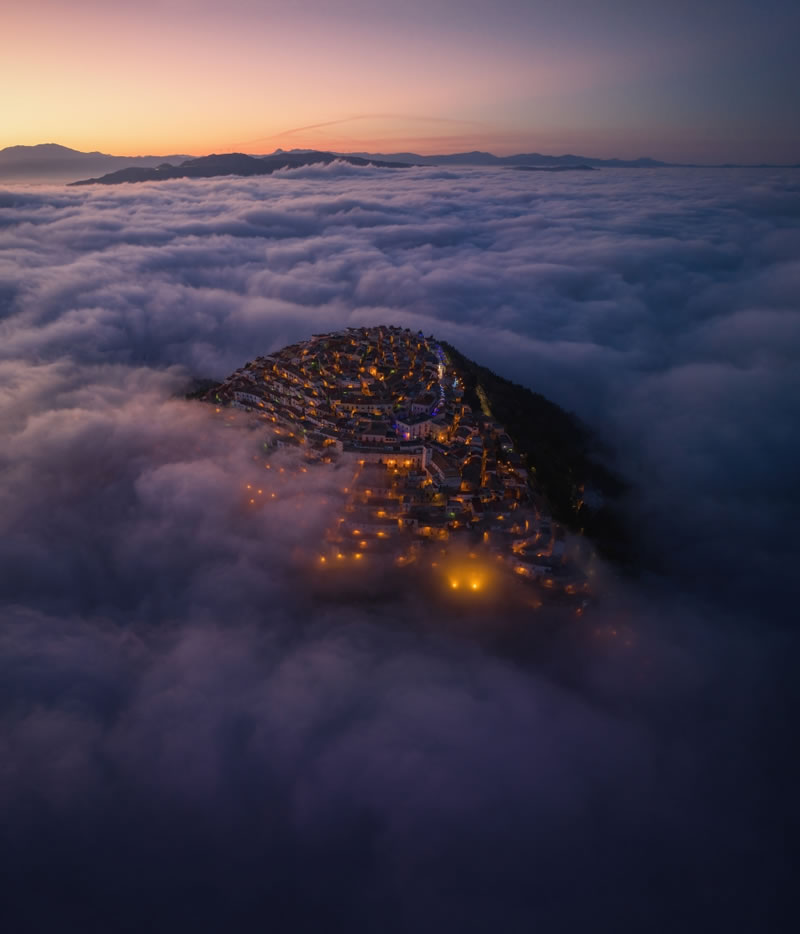
#4 Architecture: 1st Place Winner – Cloud City by Daniele Ceravolo
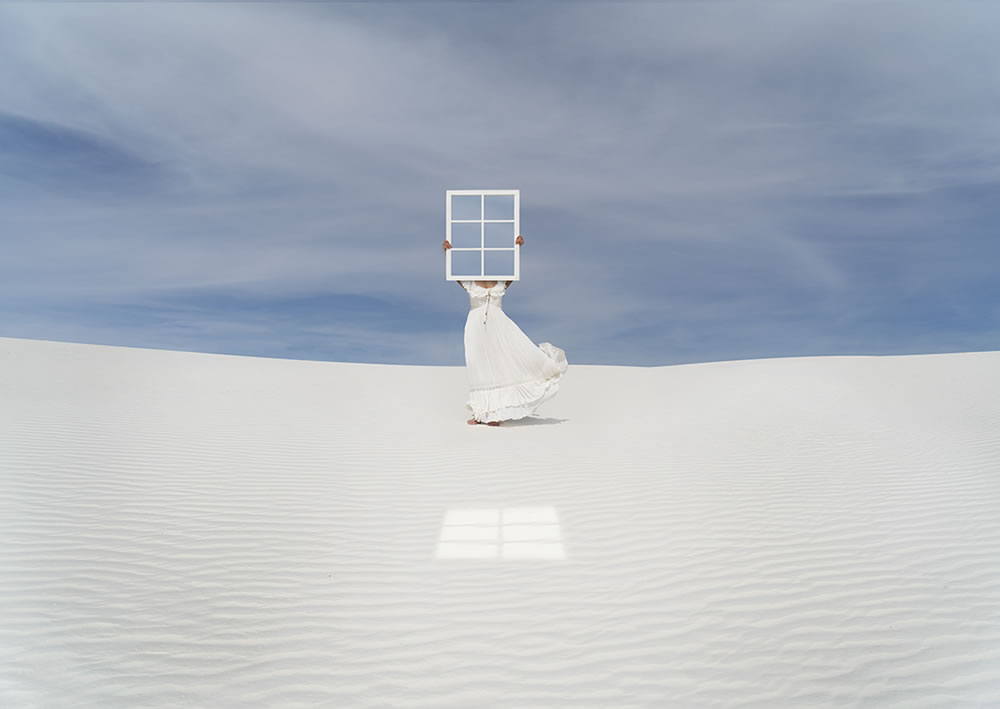
#5 Conceptual: 1st Place Winner – A Journey to the Self by Marlena Wels
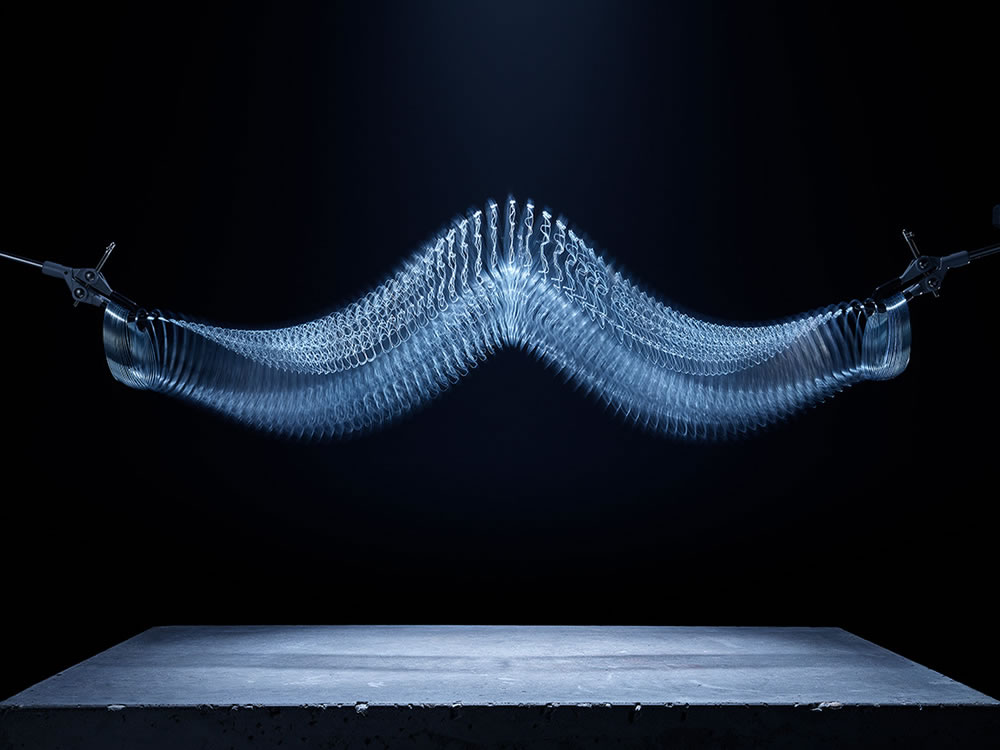
#6 Experimental: 1st Place Winner – Base Quantities by Greg White
#7 Fashion: 1st Place Winner – Knowledge Destroys Fear by Carlos Gamez de Francisco
#8 Fine Art: 1st Place Winner – The Salvage Mission by Patty Maher
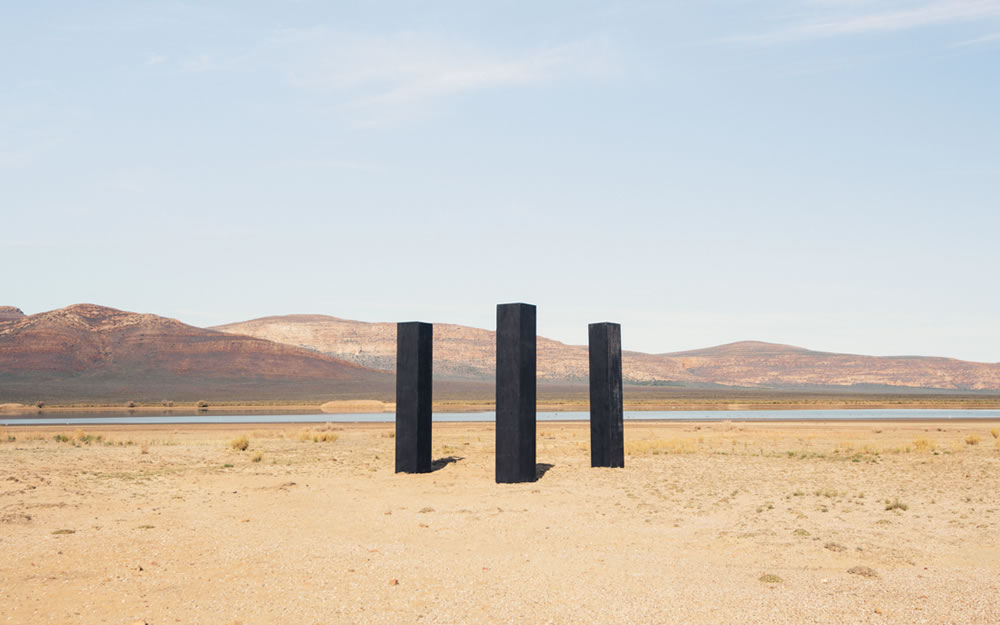
#9 Landscape: 1st Place Winner – Chipoko by Micha Serraf
#10 Mobile: 1st Place Winner – Holy Streams by Shinya Itahana
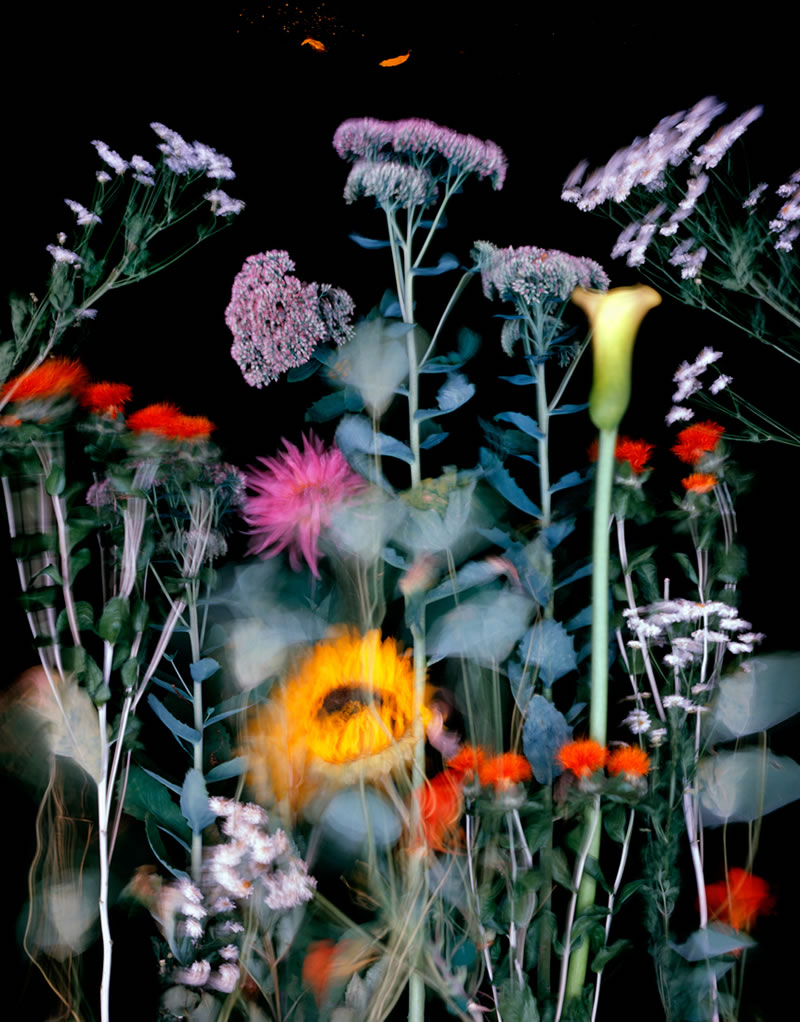
#11 Nature: 1st Place Winner – Flowers From My Garden by Matthias Langer
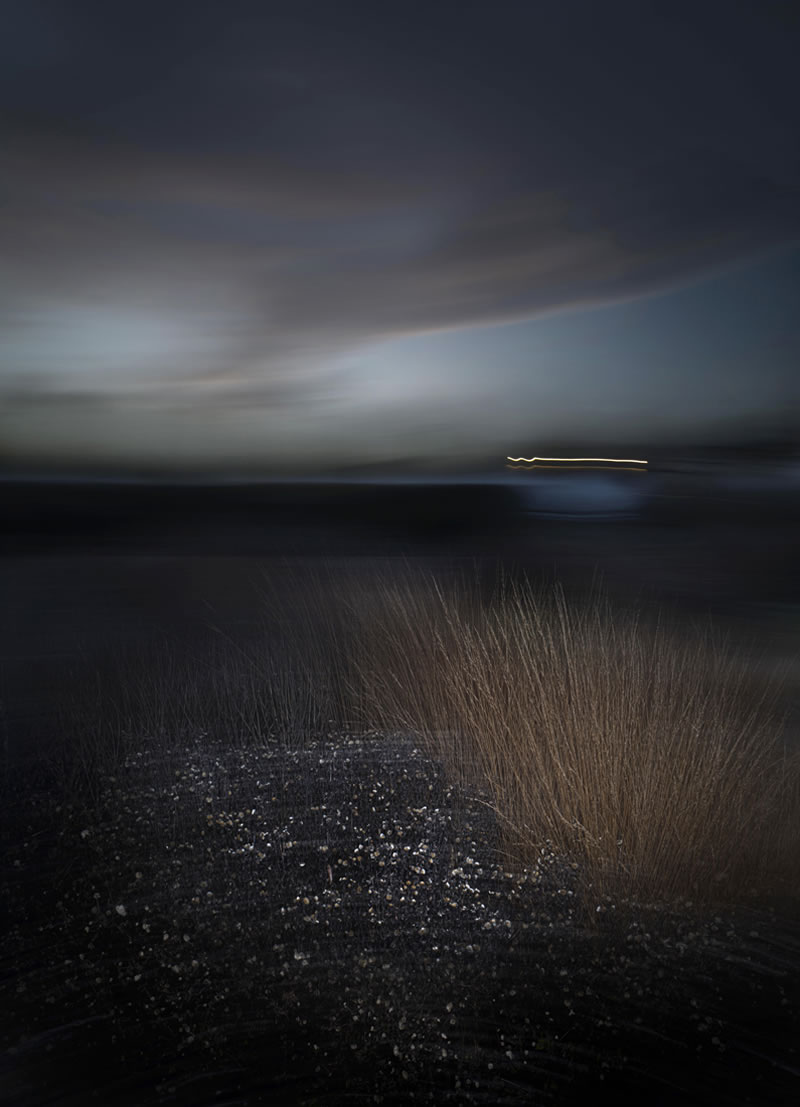
#12 Night: 1st Place Winner – Night Train by Justin Pumfrey
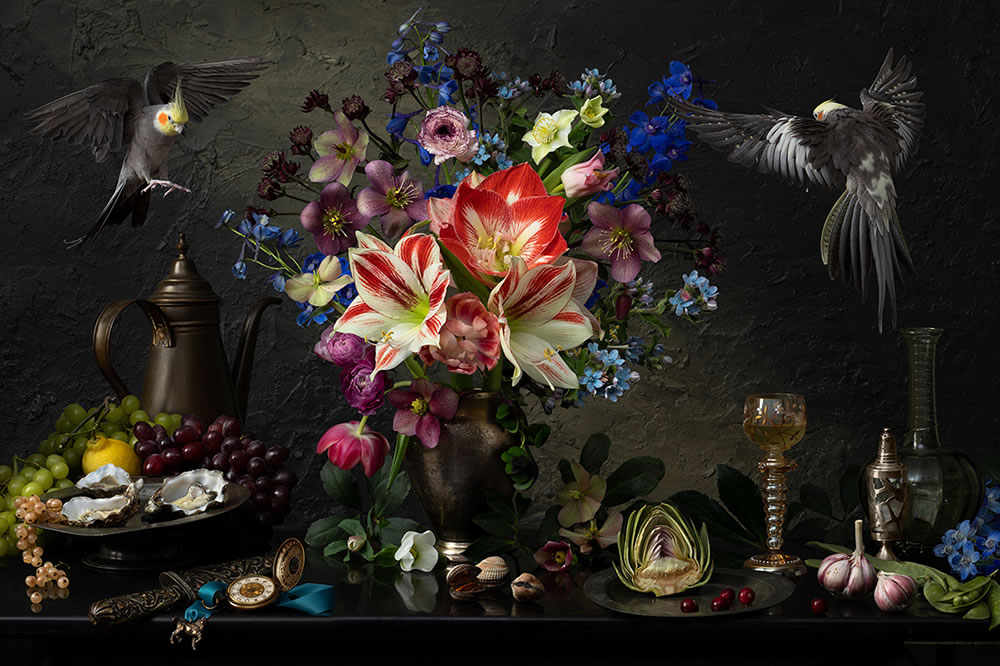
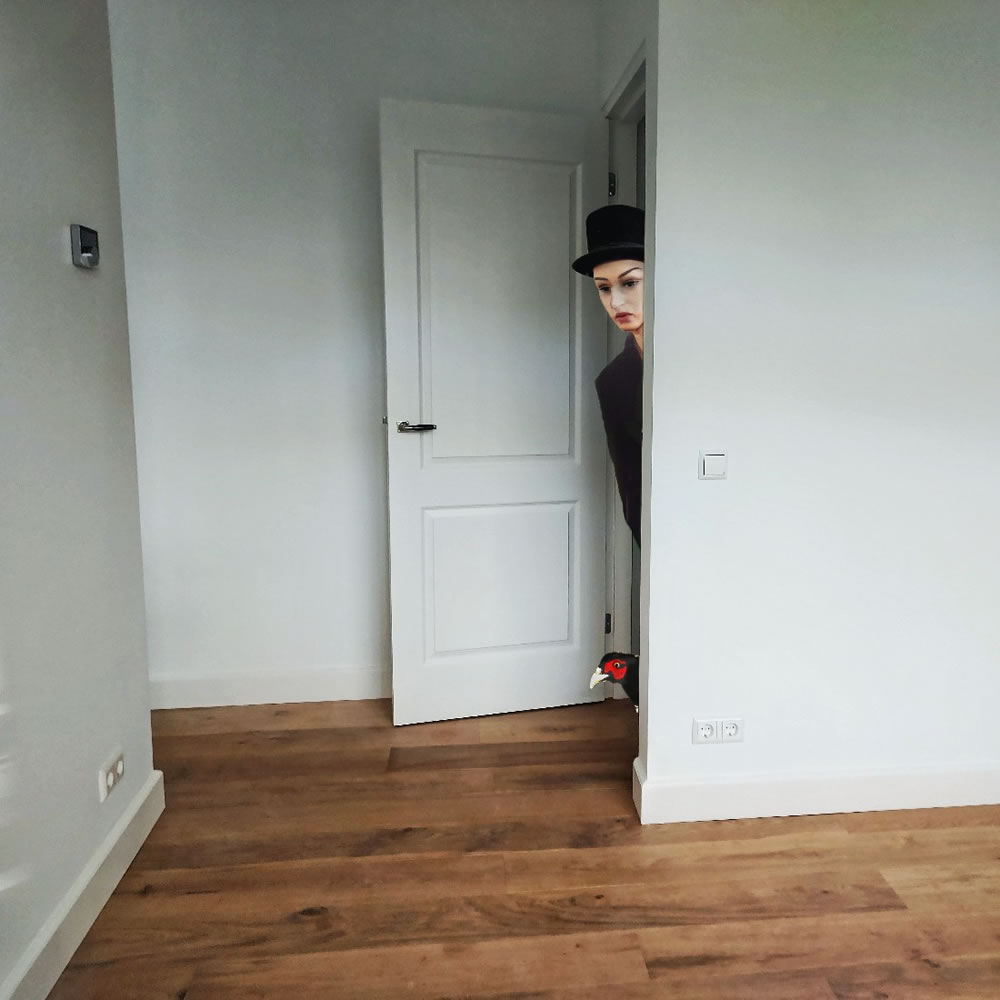
#13 Open Theme: 1st Place Winner – For The Birds by Hester Blankestijn
#14 People: 1st Place Winner – Gloria & Alessandra by Francesca Floris
#15 Photojournalism: 1st Place Winner – From The Wrong Side by Gabriele Micalizzi
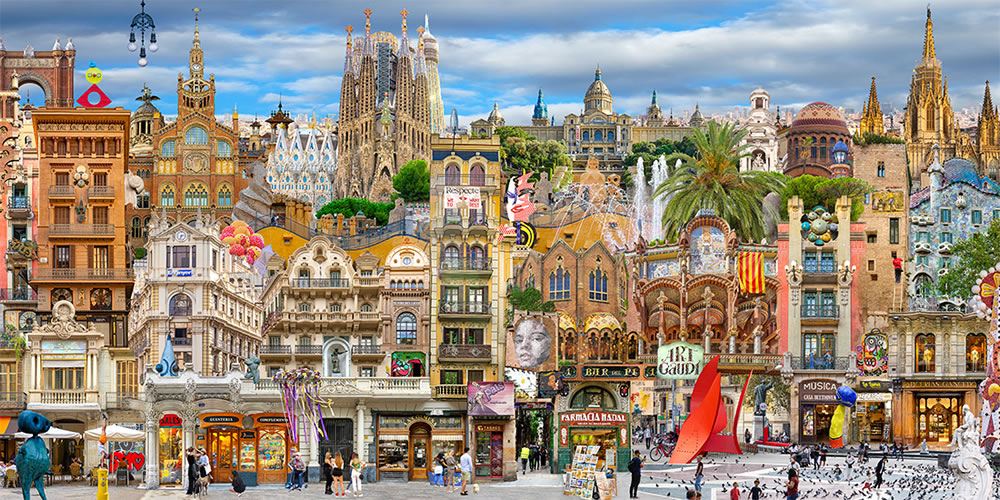
#16 Photomanipulation: 1st Place Winner – City Walks by René Cassio Scholz
#17 Portrait: 3rd Place Winner – Plain As Simple by Amirhossein Loloei
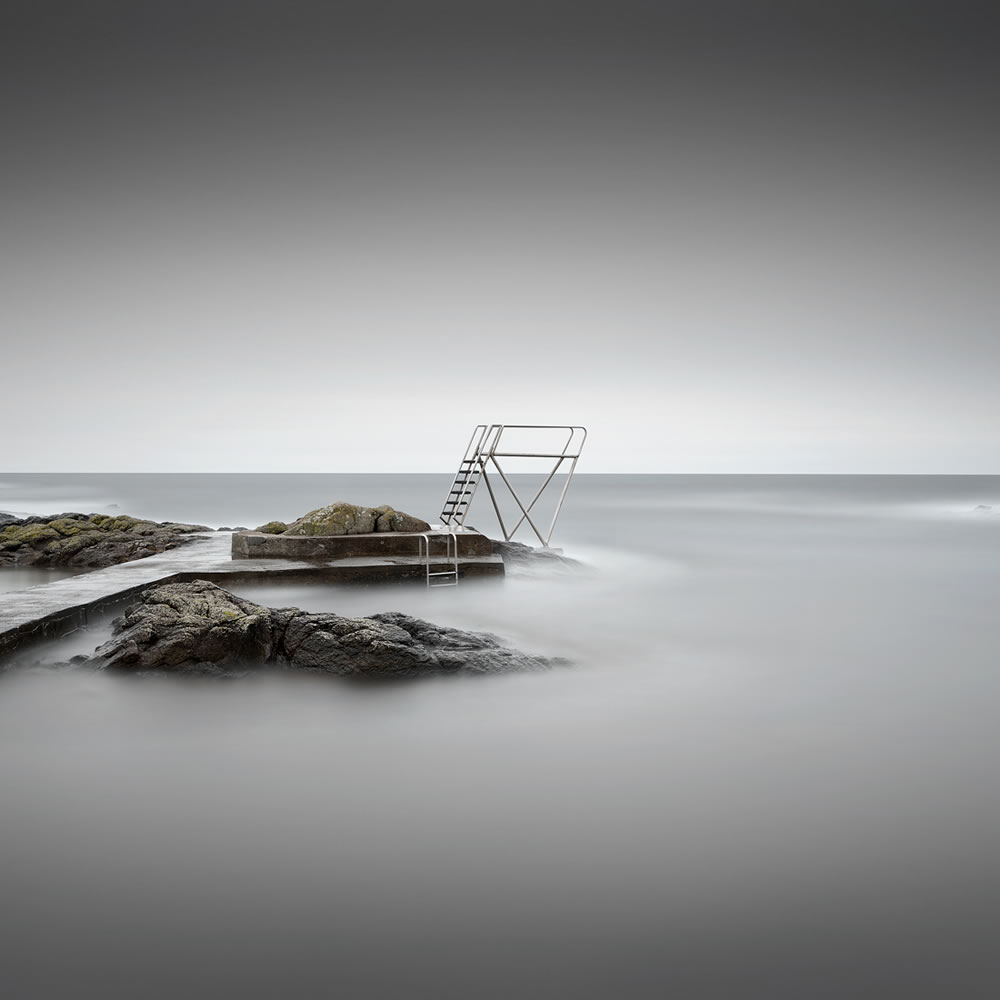
#18 Seascape: 1st Place Winner – Hidden In The Unknown by Frank Peters
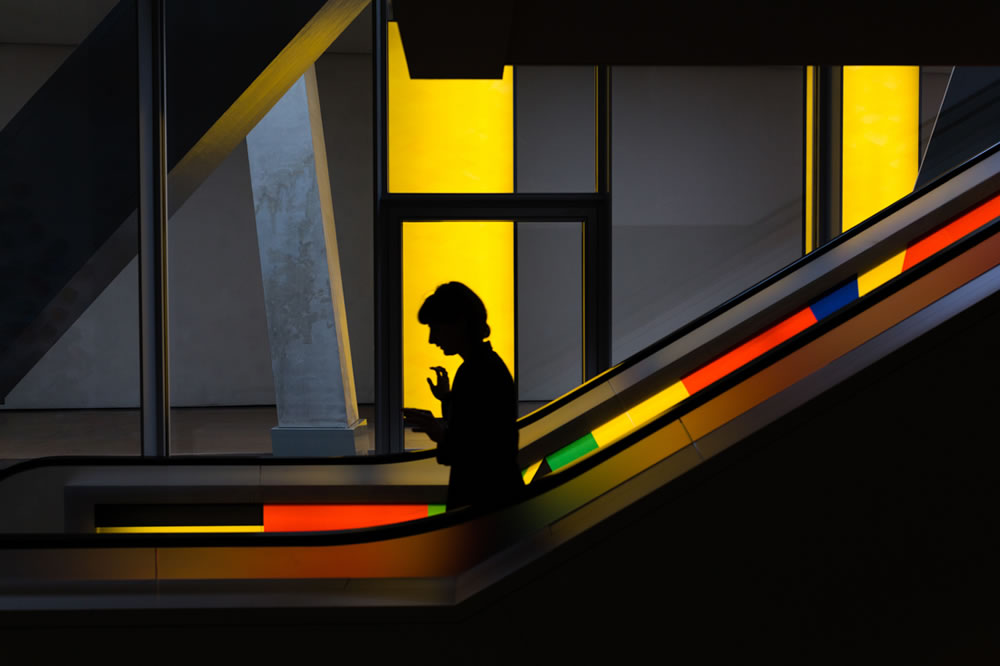
#19 Street: 1st Place Winner – Spectators by Nicola Fioravanti
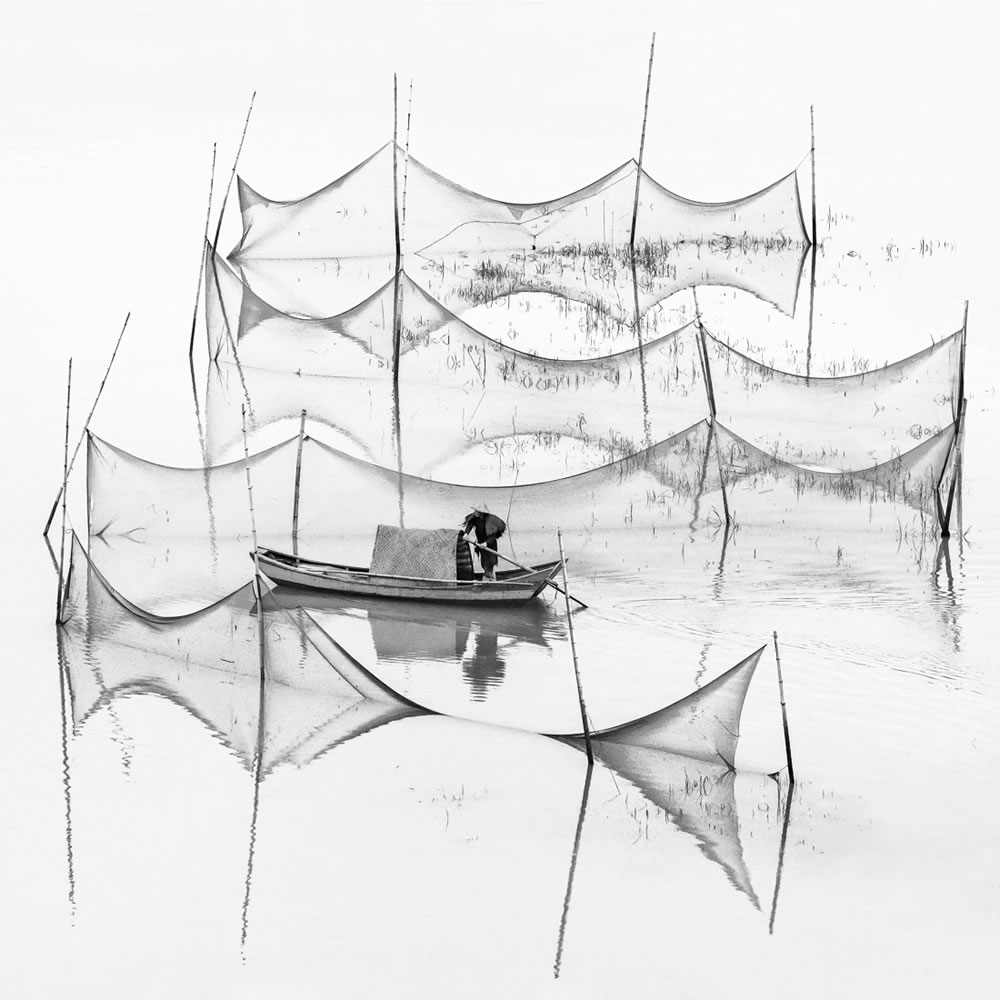
#20 Travel: 1st Place Winner – In The Fishing Maze by Hilda Champion
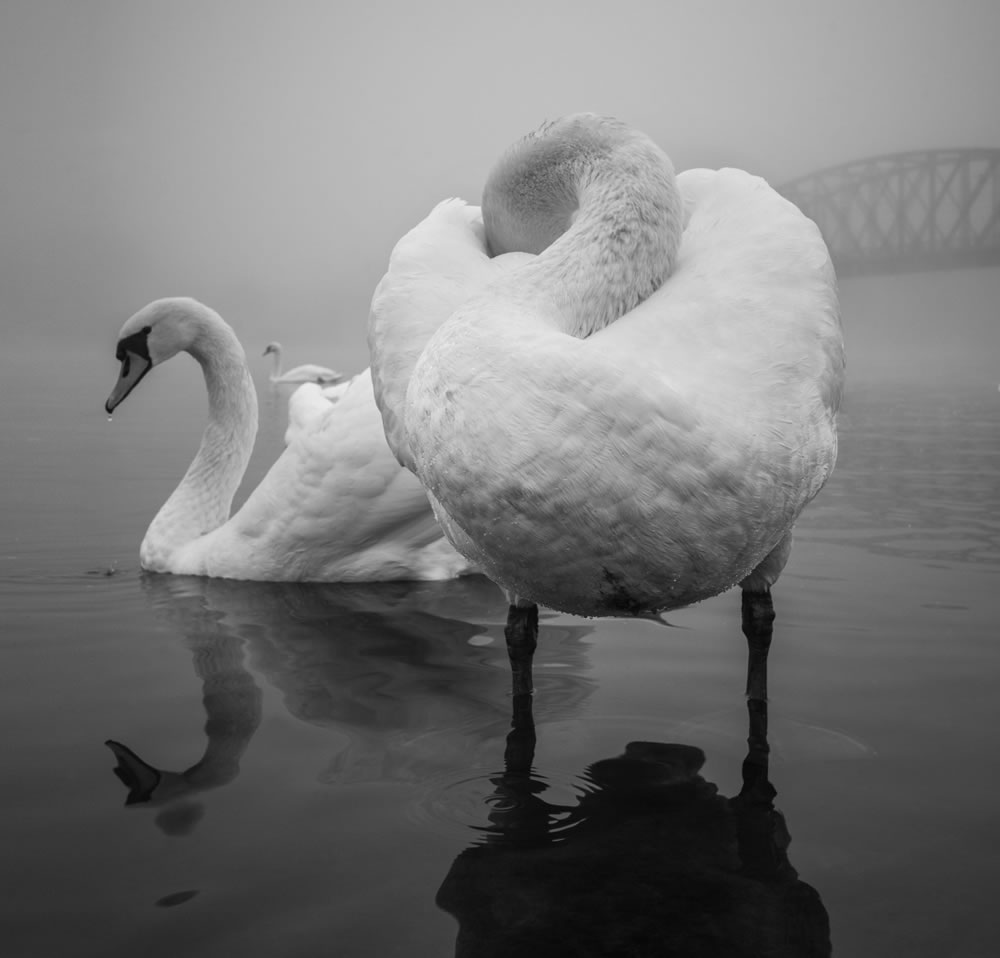
#21 Wildlife / Animals: 1st Place Winner – The Beauty of Swans by Peter Čech
Amateur Category Winners
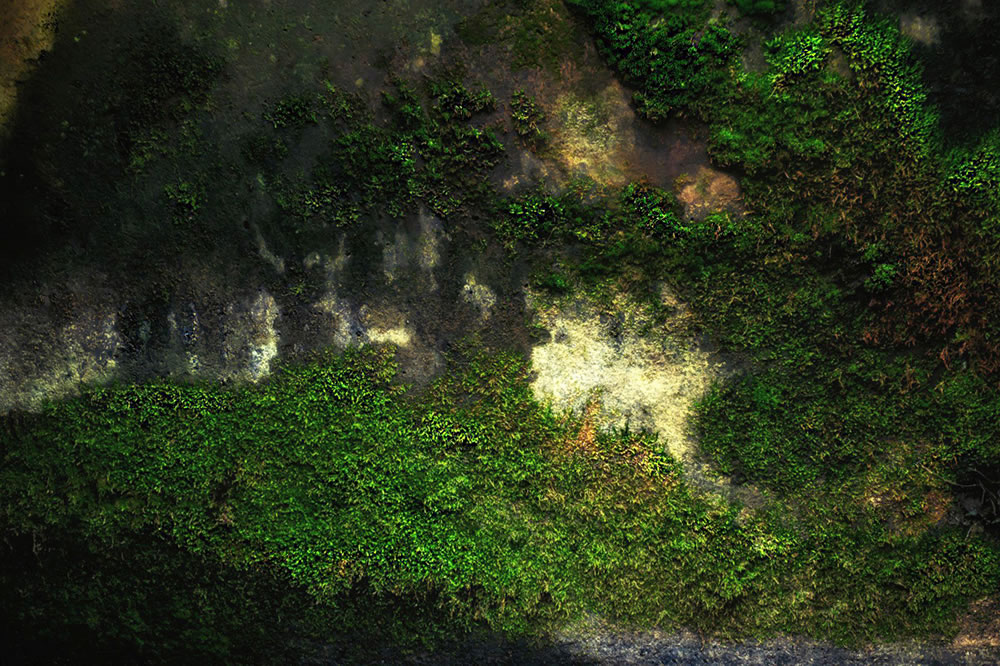
#22 Abstract: 1st Place Winner – Early Earth by Ria Groot Zevert
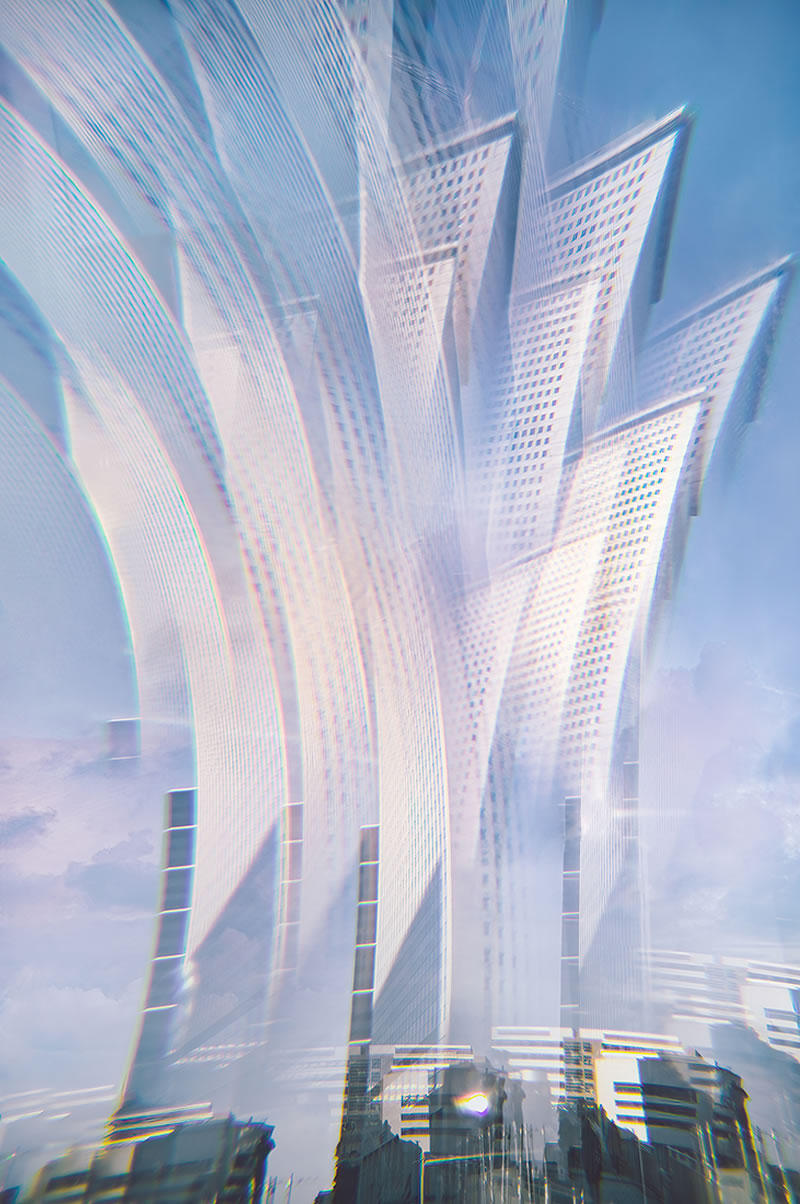
#23 Architecture: 1st Place Winner – Welcome to Gigapolis by Yoa Bei
#24 Conceptual: 3rd Place Winner – Just A Pipe Dream by Haley Bell
#25 Experimental: 1st Place Winner – Delimited Rooms by Antonella Zito
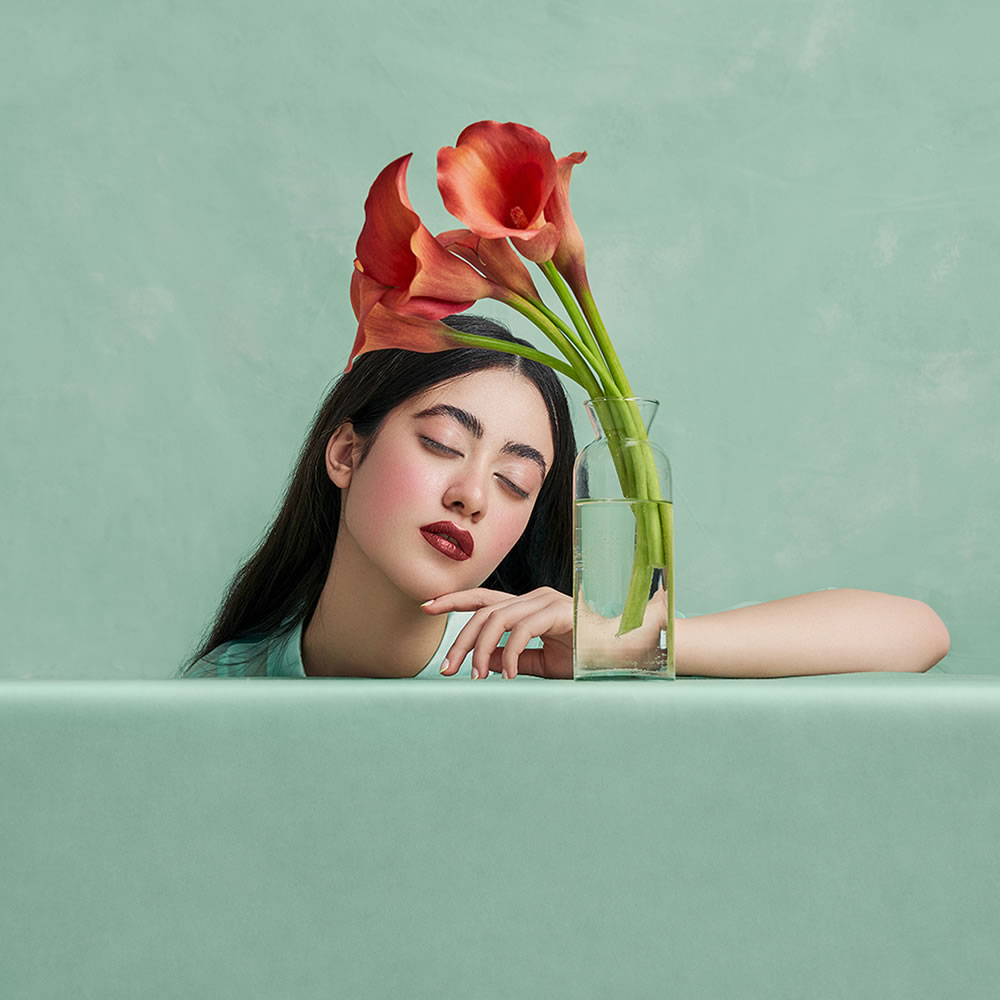
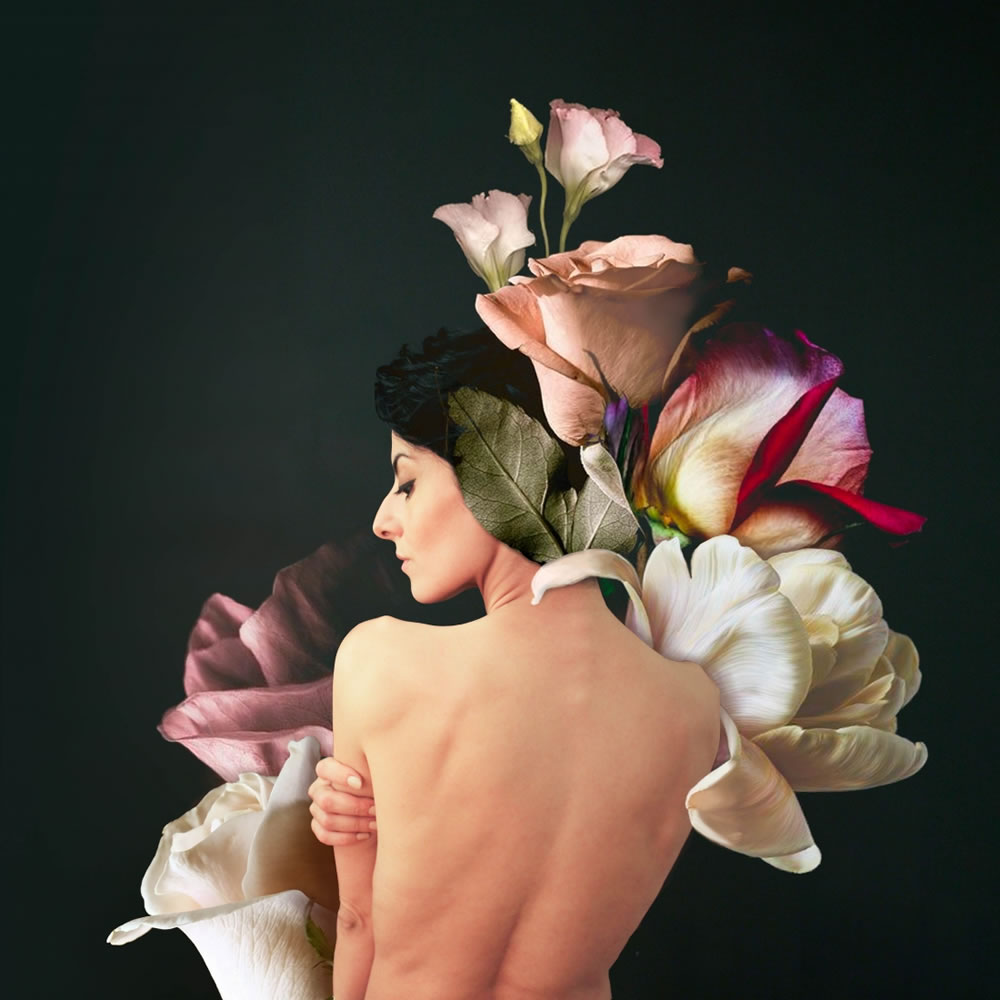
#26 Fashion: 1st Place Winner – Women With The Head Of Flowers by Mariia Kozhukhar
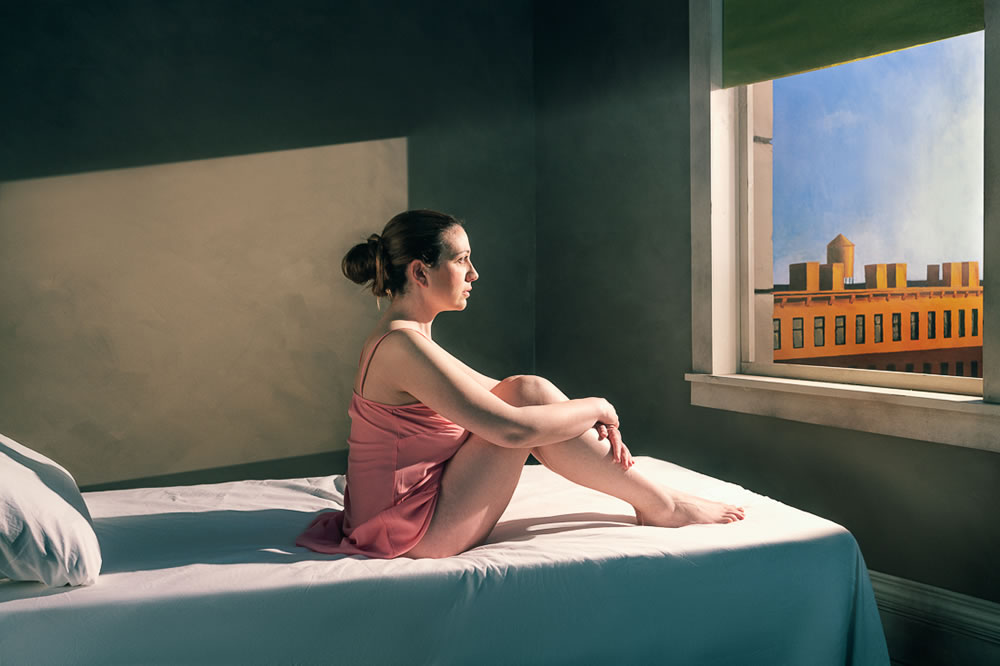
#27 Fine Art: 1st Place Winner – Hopper Essence by Andres Gallego
#28 Landscape: 1st Place Winner – Unmanned by Dawei Li
#29 Mobile: 1st Place Winner – Smart Phone Art by Ruben van Gogh
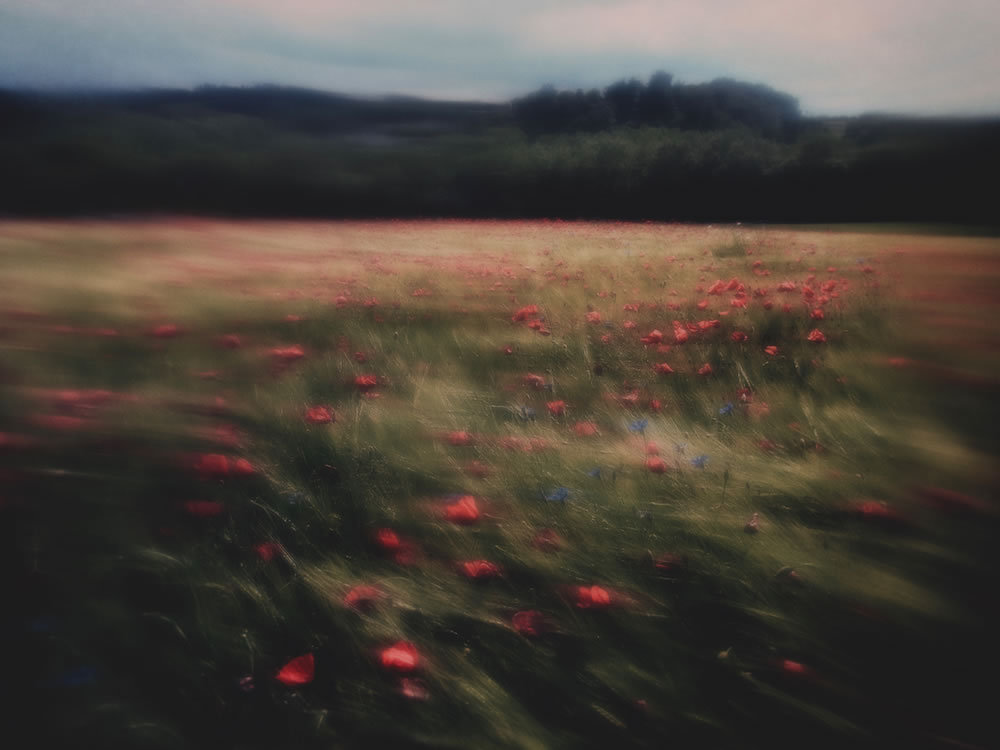
#30 Nature: 1st Place Winner – Dancing Poppies by Thaddäus Biberauer
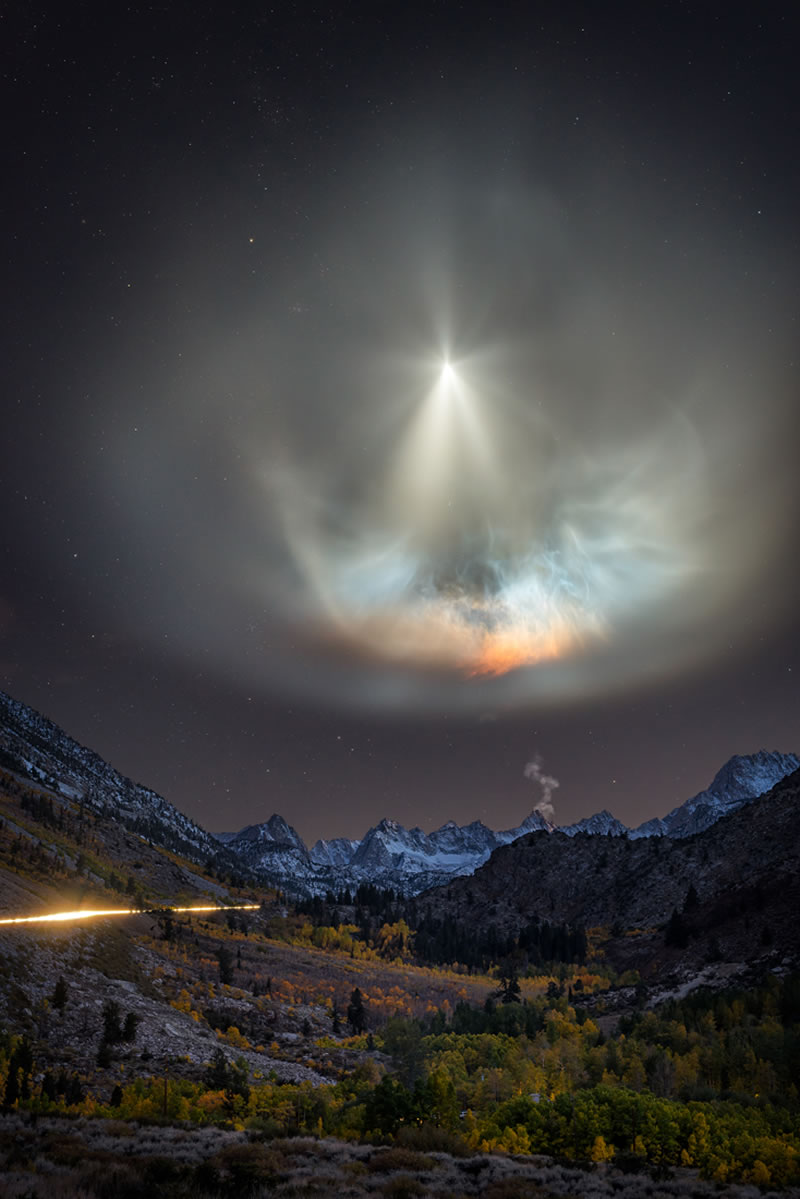
#31 Night: 1st Place Winner – Nebula by Brandon Yoshizawa
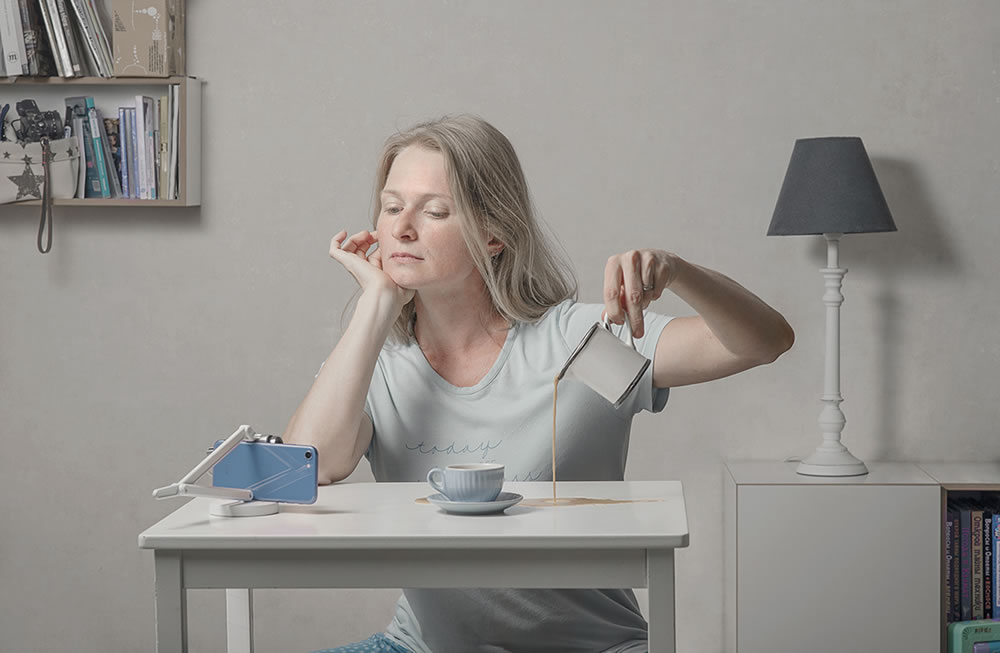
#32 Open Theme: 1st Place Winner – Morning News by Olga Steinepreis
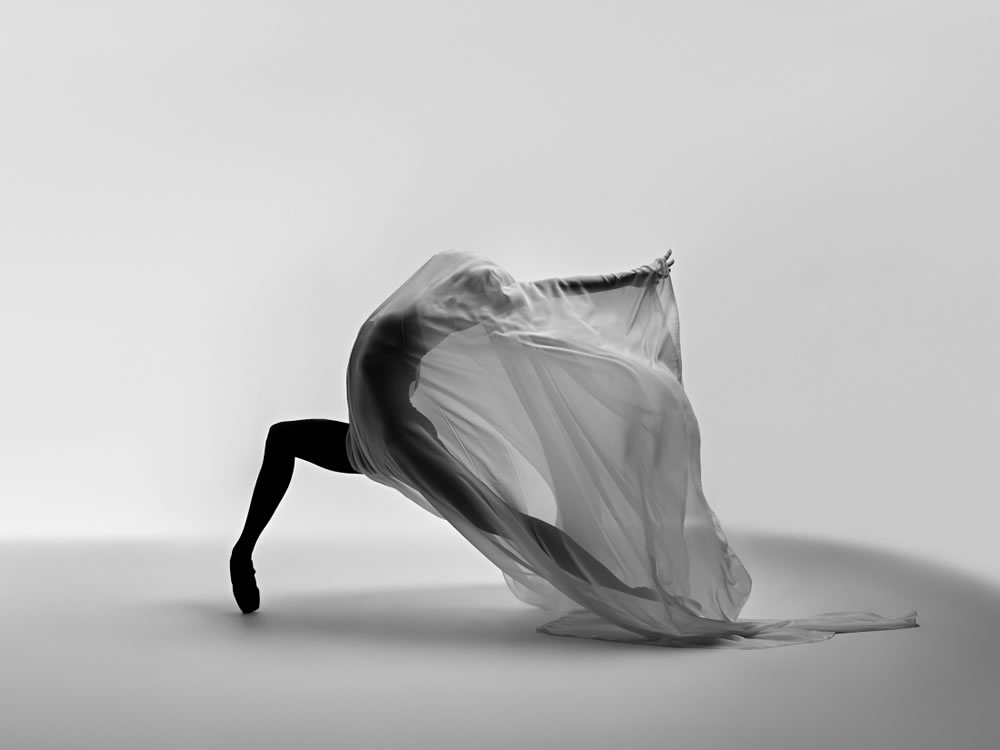
#33 People: 1st Place Winner – Body Lines by Robert Nowotny
#34 Photojournalism: 1st Place Winner – Ukraine War by Yevhen Honcharenko
#35 Photomanipulation: 1st Place Winner – Grow by Caroline Dejeneffe
#36 Portrait: 1st Place Winner – The Duke by Ting Ting Chen
#37 Seascape: 1st Place Winner – Aerial Expressions by Fudz Qazi
#38 Street: 1st Place Winner – Existence by Chuan-Chun Hao
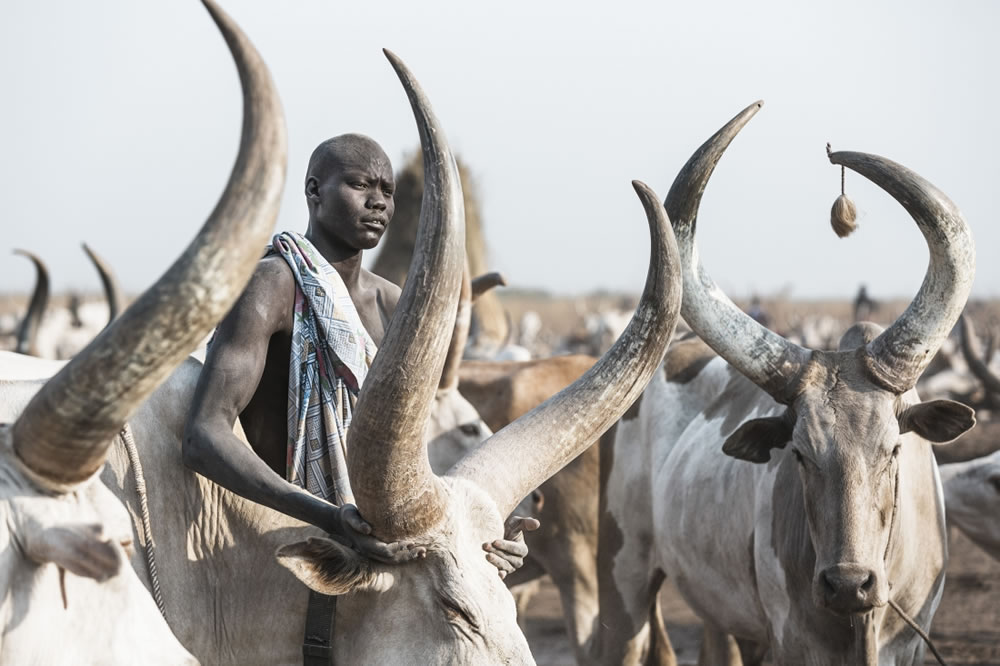
#39 Travel: 1st Place Winner – Cattle Herders of South Sudan by Joe Buergi
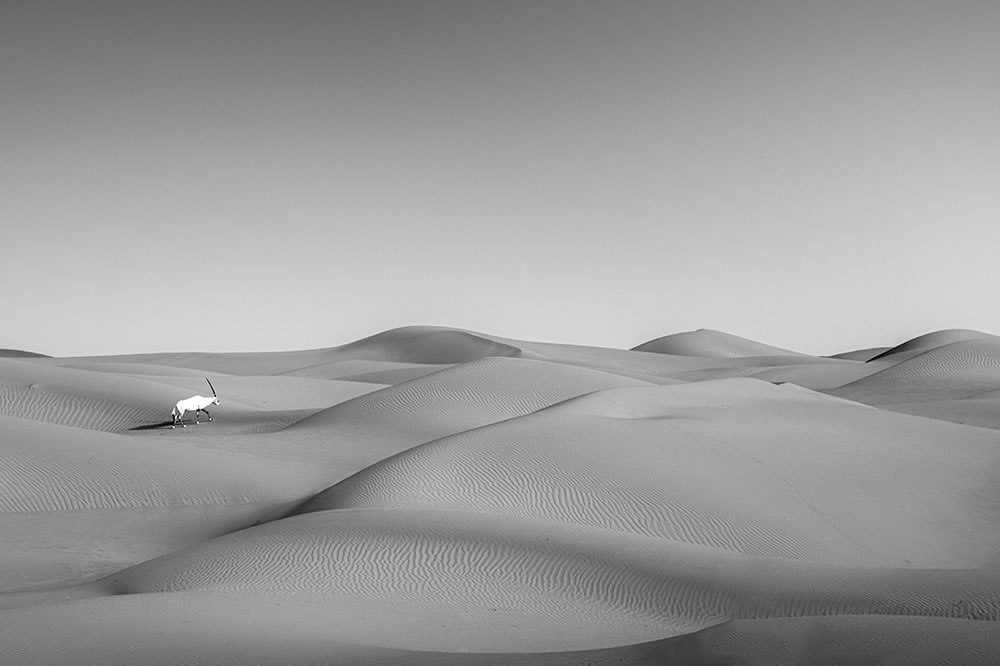
#40 Wildlife / Animals: 1st Place Winner – Arabian Orynx by Antonio Coelho
For those who don’t like the whimsical Pay animation that appears after using Google Wallet, a new setting can disable it.
“Success animations” is a new on/off toggle at the bottom of Google Wallet settings: “See fun animations after you complete a payment or use a pass.” Seasonal in nature, they appear above your card, but can now be disabled so that just the checkmark and “G Pay” logo appears.
First previewed in June and announced again last month, Google Wallet’s new ability to add a “Photo” pass by snapping the barcode or QR code is starting to appear for some users. Once available on your device, the “Add to Wallet” FAB will show a sixth option:
Payment card
Transit pass
Loyalty
Gift card
ID Card
Photo: Create a pass using a photo with a barcode or QR code
Our Max Weinbach encountered this on a Pixel 8 Pro, but it’s otherwise still not yet widely rolled out.
Meanwhile, the “Google Wallet” app that appears in the Play Store switched to a versioning system that takes after Google Play services last month. It’s now 23.38.x instead of 2.203.x. This application provides a homescreen icon, but the underlying payment and card list functionality works without it and can be accessed from the “Wallet” Quick Settings Tile.
In other miscellaneous updates, the redesign that makes the Wallet UI more compact looks to only be widely rolled out on the Pixel 8, 8 Pro, and Fold, with the latter device recently adding support for the ID Card option.
More on Google Wallet:
FTC: We use income earning auto affiliate links. More.
The Google Camera app is available to Pixel devices only which makes the Google Camera name a misnomer. So according to 9to5Google, the app has been renamed Pixel Camera in the Google Play Store. Google also updated the copy of the app’s listing in app storefront.
Previously, Google wrote, “Never miss a moment with Google Camera, and take fantastic pictures and videos using features such as Portrait, Night Sight, and the video stabilization modes.” That sentence now reads, “Never miss a moment with the fully redesigned Pixel Camera, and take fantastic photos and videos using features like Portrait, Night Sight, Time Lapse, and Cinematic Blur.” The latest version of Pixel Camera works on Pixel devices running Android 14.
The Pixel Camera listing in the Play Store
The Play Store listing highlights some Pixel Camera features such as Real Tone, Night Sight, Pro-controls and Hi-Res 50MP, Astrophotography, Portrait mode, Macro Focus video, and cinematic blur. The new features available with the re-named Pixel Camera app are:
New Camera UI that makes it easier to navigate through all the different photo and video modes
RAW improvements that enhance the editing workflow
Pro Controls unlock advanced camera settings like shutter speed, ISO, and more (on Pixel 8 Pro only)
High Res 50MP Photography for richer detail (on Pixel 8 Pro only)
General bug fixes and improvements
Google introduced the new Pixel Camera name during Google I/O in May. Other Pixel branded apps include Pixel Call Assist, Pixel Speech (Recorder), and Pixel Safe which includes the VPN, Car Crash Detection, and other features.
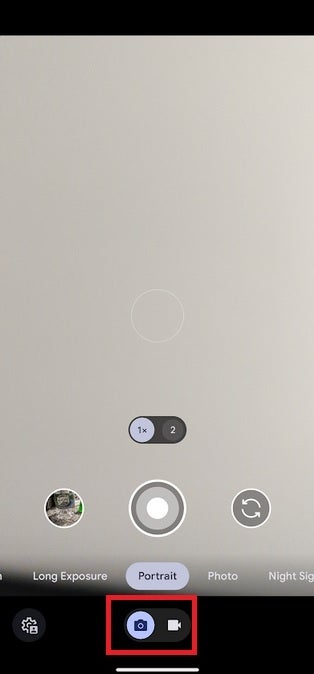
New UI for the Pixel Camera app adds Photo/Video buttons on the bottom of the screen
We told you about the new UI last month. One big change removes the Video option from the carousel near the bottom of the screen and instead, there are two buttons at the bottom of the screen with one showing a camera icon and the other showing a video camera icon. You will press the appropriate button before using the camera on your Pixel device.
Andy Summers’ love for photography started in New York in 1979. He was three years into his career as the guitarist for The Police, the British trio that quickly became a sensation with its 1978 debut album, Outlandos d’Amour (“Roxanne,” “Can’t Stand Losing You”) and 1979’s Regatta de Blanc (“Message in a Bottle,” “Walking on the Moon”). The band was constantly surrounded by photographers, and Summers began to get interested in their equipment.
Explore
Explore
See latest videos, charts and news
See latest videos, charts and news
“Suddenly it occurred to me: I should get a really good camera,” he tells Billboard’s Behind the Setlist podcast. “I’m on the road. I’ve got all this time. I mean, the only real commitment I have is getting to the gig and playing a couple of hours however many nights a week. Then there’s all this downtime, particularly in the U.S.” Summers bought a Nikon camera at a B&H Photo Video store in New York City and quickly began studying photography books and talking to people about the craft. “Immediately it became a complete obsession,” he says.
It turned out that playing the guitar wasn’t the only thing Summers was good at. “I seemed to have a natural aptitude [for photography],” he says, ”a knack for it.” Summers released his first book of photography, Throb, in 1983 and documented his time in The Police with 2007’s I’ll Be Watching You: Inside the Police. 1980-83. His latest book of photography, A Series of Glances, was released in May by German publisher teNeues Verlag.
Now Summers is combining his two passions on his North American tour, A Cracked Lens + A Missing String, that runs through the East Coast, West Coast and Canada before culminating in four dates in Florida in December. The show — Summers performing solo while his photography is displayed behind him — spans The Police (“Roxanne,” “Tea in the Sahara” and “Spirits in the Material World” are regularly played), original solo works (such as “Triboluminescence” and “The Bones of Twang Zu”), covers of Brazilian influences (“A Felicidade” by Antônio Carlos Jobim and Vinícius de Moraes, and “Manhã de carnaval” by Luis Bonfá) and a jazz classic (Thelonious Monk’s “Round Midnight”).
The mixed-media shows are an outgrowth of his photography exhibitions and performances at museums. “I think we’ve actually developed it into quite a sophisticated place from that early start,” says Summers. “And the way you learn you, the way you do it is by actually doing it in front of an audience. Of course, I practice in my studio, and we project onto a big white wall and I play and then you know, so that’s your normal practice — sequencing playing, getting used to it — then you do it once in front of your audience and realize you’ve got everything wrong. And so you revise it. It’s always a work in progress.”
Listen to the entire interview with Andy Summers at Spotify, Apple Podcasts, iHeart, Amazon Music or Audible.
There are subjects in nature that often beg to be captured vertically. Towering waterfalls, trees, forests and slot canyons are a few of my favorites that immediately come to mind. As a photographer, it is critical to choose the orientation that presents your work in its best light. When decorating your home, it is equally important. If you have a space that you just can’t seem to fill and would like my help, I frequently work with homeowners and designers to enhance all kinds of unique space with original photography art. I enjoy speaking with current and future collectors to help bring our natural world inside their homes. Until then, let’s dive into some rules of thumb when displaying vertical artwork in your home.
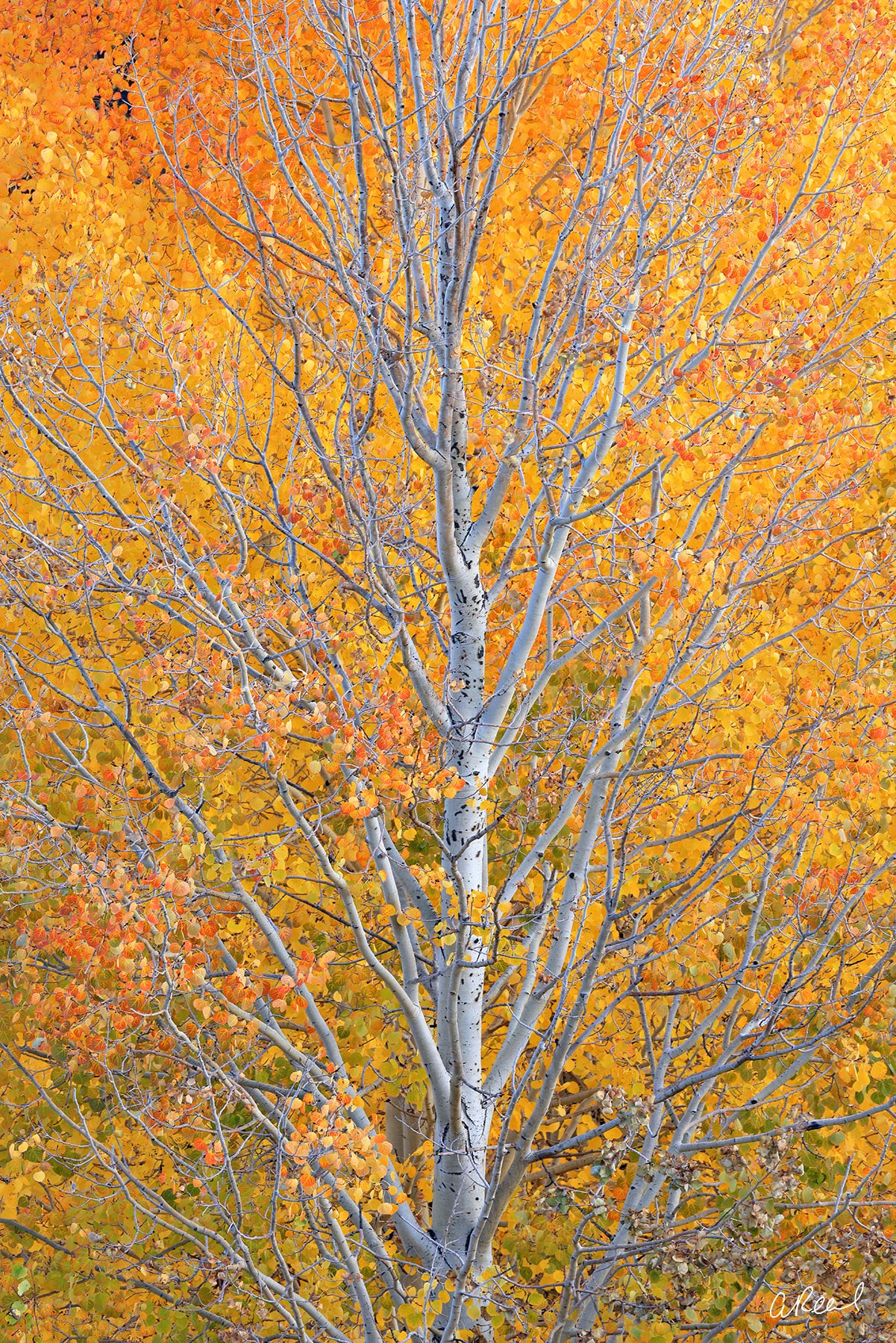
Branches like arteries stretch in every direction providing the nutrients of life to the leaves of this Aspen tree in Ridgway, Colorado. Fine Art Limited Edition of 50.
Where to Hang Vertical Photography Art Prints
Look, it happens to everyone at some point or another. You have a horizontal piece of art that you absolutely love but aren’t sure where to display it. After agonizing over it for weeks, it ends up hanging awkwardly at the end of a long hallway, leaving you with that feeling like a stranger peeking through the bathroom stall door in a public restroom. What? This has never happened to you? You need to get out more.
Ok, maybe hanging vertical art isn’t as serious as your stalker from the local coffeeshop peering into your porcelain palace, but it is a challenge that many find difficult to navigate. Maybe you’ve sought out some inspiration and tried to find out how others make their vertical prints work – at your local art gallery, while out shopping at West Elm or over at your friend’s house… you know the one with the annoying dog that likes your leg a bit too much. Don’t worry, if you’re still not sure where or how to hang your vertical photography art prints, you’ve come to the right place.
There’s an art to displaying your art artfully. If you can forgive or indulge the wordplay, this article will uncover some of the best ways to make use of vertical photography art prints in your home and provide some ideas for you to try out in your space.
Waves rush against the weathered pillars of an old pier in La Jolla, California. The warmth of the sun flows in through the structure like windows in a drowned room, leading to the golden peach hues of a Pacific sunset beyond. Fine Art Limited Edition of 100.
Make The Most of Your Accent Walls
Accent walls can be the bane of the interior designer’s existence. And no two accent walls are identical, which can further complicate the matter. But these spaces are prime real estate for vertical photography or fine art prints. Abstract photography, even when originally presented in a horizontal format by the artist, can often be rotated and displayed vertically as well.
Regarding the nature of accent walls – vertical artwork can be a real game-changer. It offers a unique opportunity to infuse your personality and creativity into your living space. You might begin by evaluating the rest of the room’s aesthetic. Your choice of art or photography should harmonize with the existing decor, so consider the mood you want to convey and how you might achieve that look.
Scale and placement are crucial. A large, dramatic piece can dominate the room and become a focal point, while smaller works may be better suited to intimate spaces. In most cases, the artwork should hang at eye level for comfortable viewing, and it should also be well-lit to accentuate the overall appearance.
The bleached skeleton of a leafless tree weathers the cold chill of a desert valley in Zion National Park. The rosy sandstone, vibrant even in the depths of winter, bleeds through the spider’s web of bare branches. Fine Art Limited Edition of 50.
Corridors, Hallways & Traditional Spaces
Oftentimes, these liminal spaces get overlooked when it comes to design or wall decorations. Adding a vertical photo or frame or two can really liven these spaces up in ways that horizontal displays cannot.
You can even arrange multiple vertical pieces to create a visual journey and guide the viewer’s eye through an interior space. The size and scale of the photos or artwork should match the space’s dimensions to complement instead of overwhelm.
These transitional spaces are a great opportunity to showcase something special that expresses your unique style, whether you gravitate toward the modern, traditional, or an eclectic style all your own.
You can also craft a gallery-like ambiance with a thoughtful mixture of vertical photographs, paintings, and other decorative pieces. Doing so is a great, low-effort way to transform these spaces into decorative delights.
Spells of whitewater race through the secluded arcade of a slot canyon towards the beckoning sunlit glow beyond in Kanarra Creek, Utah. Bands of pastel sandstone follow the water’s course, walking in the footsteps of their maker. Fine Art Limited Edition of 50.
Above or Beside A Fireplace
Ah, the fireplace. The hearth. The heart of the home. On or above a fireplace’s mantlepiece is another great location for a striking vertical photograph. The juxtaposition of artistry and the cozy ambiance of a crackling fire can create a tranquil atmosphere that draws family and guests together.
If there’s no space above or on top of the fireplace, you can achieve similar success by flanking both sides of the masonry with vertical pieces. This creates a soothing, symmetrical appearance that can provide cohesion and continuity in an interior space.
Aside from the firelight, lighting fixtures are integral to enhancing the allure of hanging artwork or photographs. Because homes are so nuanced and varied in terms of layout and design styles, it really boils down to how well you know your space and making the most of the resources at your disposal.
The blazing crown of a gnarled Japanese maple stands stark against the emerald tapestry of the surrounding vegetation. Suspended above the ringing waters of a reflecting pool, the diffused rays of the sun give the tree a numinous glow. Fine Art Limited Edition of 100.
Themed Rooms
A themed room is a carefully curated interior space that follows a specific concept, style, or motif, often inspired by a particular era, cultural themes, hobbies, or personal interests. These rooms are generally meticulously pieced together to create an immersive experience for viewers or occupants.
As such, vertical photography or fine art can be a powerful tool that reinforces and enhances the chosen theme. For example, in a vintage-themed room, vertical photographs from a bygone era can transport viewers back in time and immerse them in an old-world atmosphere. In a nature-themed room, you might hang vertical photography of towering trees or natural monoliths to evoke the beauty of the natural world.
It’s also true that vertical art can make better use of available wall space while allowing for a more detailed, immersive depiction of the chosen theme. Regardless of your ideal theme or style – vertical pieces can elevate the ambiance of your space and contribute to a more engaging, memorable experience.
Wild Rhododendrons stretch their branches across the fog filled forest of giant redwood trees in Damnation Creek, California. Fine Art Limited Edition of 50.
Your Favorite Armchair
Who doesn’t have a favorite armchair at home? If you don’t have one yet, go out and get one so you can hang some vertical art or photography next to it and look very stately and dignified sitting in your chair beside your decorations.
If you’ve got two armchairs next to each other or facing each other, hanging vertical art or photography between them can help create a sense of balance and natural flow through the interior space as well. Making vertical paintings and/or photography work is all about matching the energy of an existing space, or accentuating that energy and letting it flow uninhibitedly.
Even if you don’t have a favorite armchair and you’re hesitant to splurge, hanging vertical work near seating arrangements of any sort is a great way to add depth to your living space without adding more furniture or clutter to shelves.
A majestic larch tree, cloaked in gold, rising from the stone like a king with its soldiers spread at its feet in the North Cascades of Washington State. Fine Art Limited Edition of 50.
The Side Table
That under-utilized side table in the foyer? The side table in the upstairs main bedroom? Hang a vertical piece next to it! Even if the framing doesn’t exactly match the color or style of the table, you can still showcase something beautiful and spice up a lackluster wall.
Nightstands or end tables are also fantastic pieces to pair with your vertically oriented photography or artwork. Try to stick to smaller or medium-sized pieces so that you can still see the details if there’s a table lamp or something obscuring the view. Larger pieces can be beautiful when hung properly, but they can also easily overwhelm in a cozy, intimate setting.
The huge monolith of Haystack Rock juts from the surf along Oregon’s coast at Cannon Beach. A garden all of its own, the basalt tower stands testament to a lost coastline of volcanic basalt now resting beneath the waves. Fine Art Limited Edition of 50.
Nevermind… Just Do Whatever You Want To Do
Now, don’t start trying to hang stuff from the ceiling rafters just because you can. You should still be thoughtful and intentional about curating the wall art and photography in your space, but you also have the freedom to do as you please in your own home.
Vertical pieces can be particularly effective in highlighting tall ceilings, making large open spaces feel more inviting, and accentuating certain architectural or design features. Even smaller, more slender vertical pieces can add charm to corners or accent walls where it can be difficult to get creative.
Ultimately, you get to decide how and where to hang your vertically-oriented wall art and photography. Doing so is a wonderful way to express your individuality and creativity – it offers an opportunity to tell your story, evoke emotions, and create a lasting impression on viewers. Now go get vertical!
Blooms of blue lupine ornament the rock garden of a high alpine meadow in the foothills of Mount Rainier National Park. Mimicking the shadowy hues of the foreboding crags, the fragrant flowers thrive in the slumbering peace of the ancient volcano. Fine Art Limited Edition of 100.
We may earn revenue from the products available on this page and participate in affiliate programs. Learn more ›
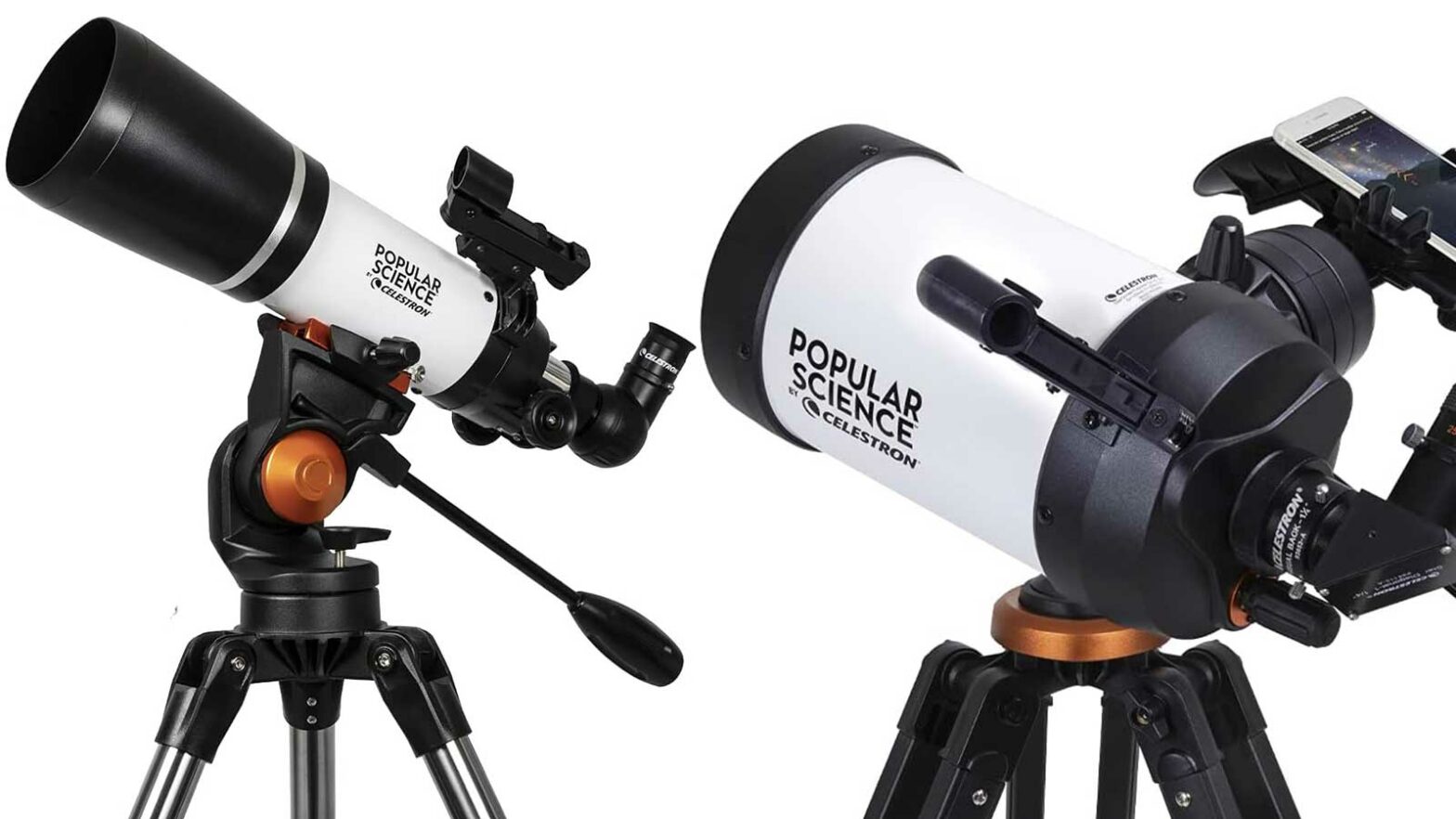
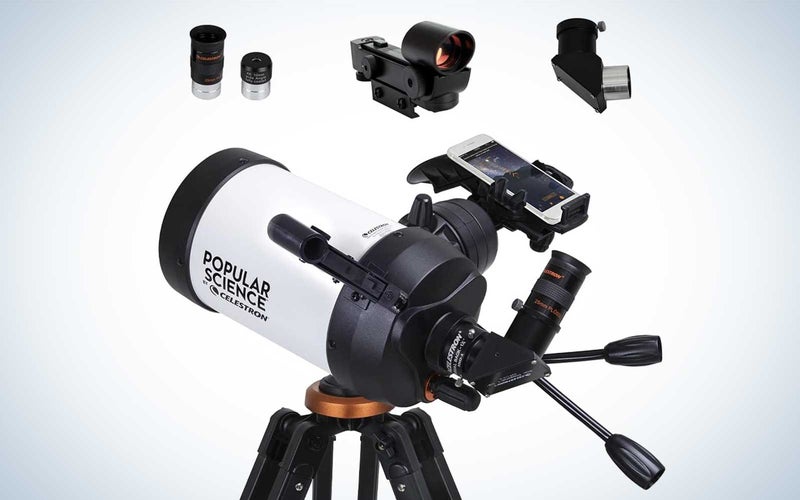
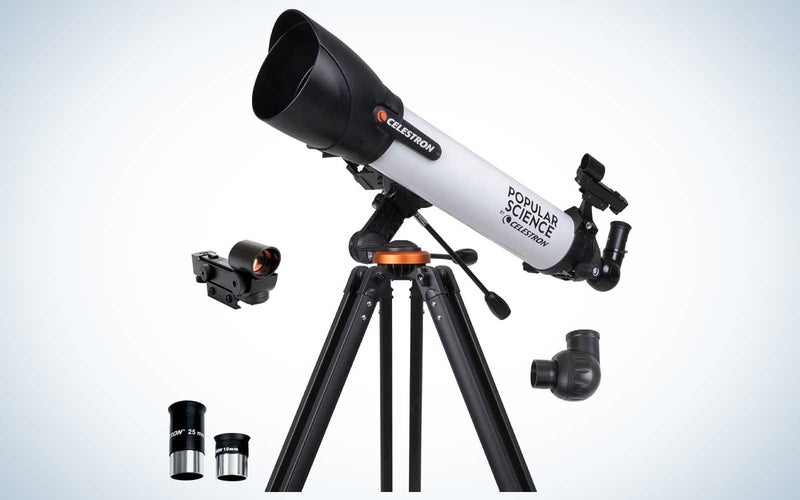
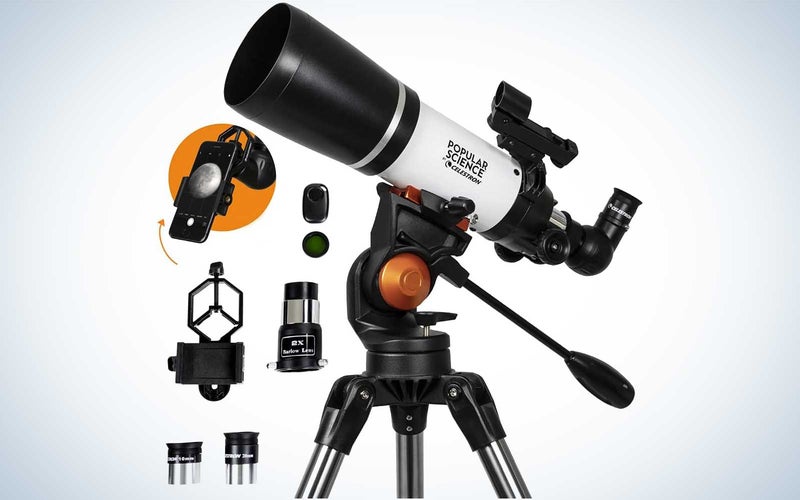
We had a great time checking out the Oct. 14 solar eclipse, but the next one that’s visible here in the U.S. won’t be until April 2024. Lots of interesting things will be happening in the sky between then and now, and you’ll need a good telescope to check them out. Right now, Amazon has substantial discounts on Celestron x PopSci telescopes that were already a solid value. There are three different options currently available depending on your star-gazing needs. Then, when the next eclipse rolls around, you can buy a dedicated solar eclipse filter and get a better look than all those jealous people with their (still pretty cool) pinhole cameras.
Popular Science StarSense Explorer DX 5” Smartphone App-Enabled Telescope $498 (was $599)
This is the biggest and most powerful scope in the Celestron x PopSci lineup, and it’s just over $100 off right now. Its five-inch aperture and high-end coatings provide a clear, low-aberration image of the night sky. More importantly, it’s compatible with the Celestron app, which can help you find cool things going on in the sky above you and then help you locate them with your scope so you don’t have to go blindly hunting around the heavens. That’s especially important with a scope this powerful.
Popular Science StarSense Explorer DX 100AZ Smartphone App-Enabled Telescope $269 (was $349)
This 100mm refractor provides a very solid field of view for astrophotography. It’s light and easy to move around, and it’s compatible again with Celestron’s app to guide you around the night sky. Plus, the integrated hood helps combat errant light from hitting the front element of the scope and causing image-ruining glare.
This model is meant specifically for beginners, and the price makes it very appealing with this discount. The short tub provides a relatively loose view of celestial objects, so beginners won’t get frustrated trying to find specific areas. Plus, the short tube design keeps it small and light, so this is a great scope to keep as a backup for quick jaunts out into dark sky country without lots of gear.
EDITOR’S NOTE: Popular Science has teamed up with Celestron on a line of products. We do earn a commission on its sales—all of which helps power Popular Science.
OWC, has announced the launch of the OWC Atlas Pro and Ultra CFexpress 4.0 memory cards. These groundbreaking cards offer double the speed of CFexpress 2.0 memory cards and the unique capability of upgrading previous generation Atlas 2.0 memory cards to the new CFA (Compact Flash Association) CFexpress 4.0 specification.
The new Atlas Pro 256GB, Atlas Pro 512GB, Atlas Ultra 1TB, and Atlas Ultra 2TB cards leverage PCIe Gen 4 technology to deliver read and write speeds of 3650MB/s and 3000MB/s, respectively. This represents a staggering 97% increase in speed compared to the previous generation cards. These remarkable speed enhancements not only enable capturing stunning 4K, 6K, and 8K+ videos but also facilitate swift access and offloading of content for seamless editing and distribution.
OWC’s Innergize software allows users to upgrade the firmware on previous PCIe Gen3 Atlas Ultra 1TB and 2TB cards to CFexpress 4.0 firmware. This exclusive upgrade almost doubles the current read/write speeds, taking them from 1850 and 1700MB/s to an astonishing 3650 and 3000MB/s. I’ll be testing this out with the OWC Atlas Dual CFExpress card reader.
The Atlas CFexpress CFA 4.0 memory cards are also backwards compatible with CFA 2.0 PCIe Gen 3 hosts, offering both flexibility and top-notch performance.
Larry O’Connor, founder and CEO at OWC, said, “Giving existing OWC Atlas memory card owners the flexibility to upgrade their products and take advantage of the latest speeds without having to purchase new cards is a game changer that we are delighted to bring to the table.”
The OWC Atlas ecosystem is a comprehensive solution designed to support photographers and videographers throughout their creative process. Comprising Atlas Memory Cards, OWC Innergize software, and Atlas Card Readers, this ecosystem ensures the seamless flow of creativity from camera to audience.
Pricing, Availability, and Upgrades
Atlas Pro CFexpress 256GB and 512GB memory cards will be available in October, priced at $169.99 (256GB) and $199.99 (512GB).
Atlas Ultra CFexpress 1TB and 2TB memory cards will also be available in October, priced at $579.99 (1TB) and $999.99 (2TB).
Users can download the OWC Innergize software to upgrade their Atlas CFexpress 1TB and 2TB memory cards, originally labelled at 1850MB/s, to the new CFexpress 4.0 specification. The Innergize for Mac is available now, with the Windows version coming soon.