Celestron NexStar 8SE Telescope Review

[ad_1]

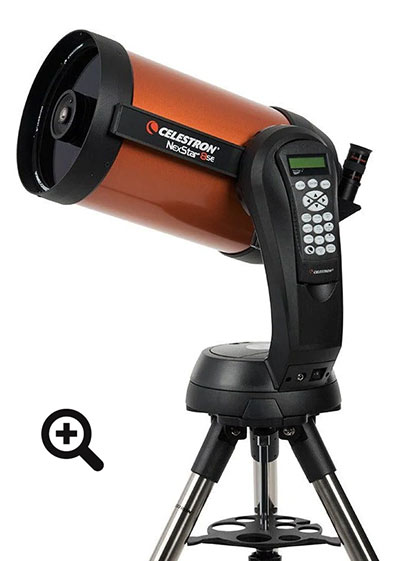
The Celestron NexStar 8SE computerized telescope is one of the best-selling telescope packages of all time. It features a large aperture optical telescope and a computerized GoTo mount.

The NexStar series of SCTs have been around for over a decade, and I was finally able to experience this beginner-friendly telescope for myself.

I was impressed with the completeness of this package, from the 1.25″ 25mm eyepiece and diagonal, to the red dot finder mounted to the 8-inch OTA.

Celestron NexStar 8SE Video Review.

This is a primarily visual telescope, meant for enjoying views of the moon, planets, and the brighter nebulae and galaxies through the eyepiece.

But what about astrophotography? The design of the tracking telescope mount (fork-mounted Alt-Az) wasn’t designed for it, but is it a complete waste of time?

In this post, I’ll show my results using Celestron’s NexYZ smartphone adapter. If you’re in the market for a grab-and-go telescope (that excels in views of the moon and planets), I think you will enjoy my review of the Celestron NexStar 8SE.
astrobackyard review

Celestron NexStar 8SE Review

Is this the all-in-one telescope package that does it all? Not quite, but that’s okay. It gets the important parts right. The telescope OTA (optical tube assembly) is top-notch, while the mount is just enough to get you by. 

I asked the AstroBackyard community on Facebook how they felt, and almost all of them had amazing things to say about this telescope. From seeing their first-ever view of the planet Saturn to surprisingly impressive astrophotography, the NexStar 8SE is a widely appreciated piece of kit. 

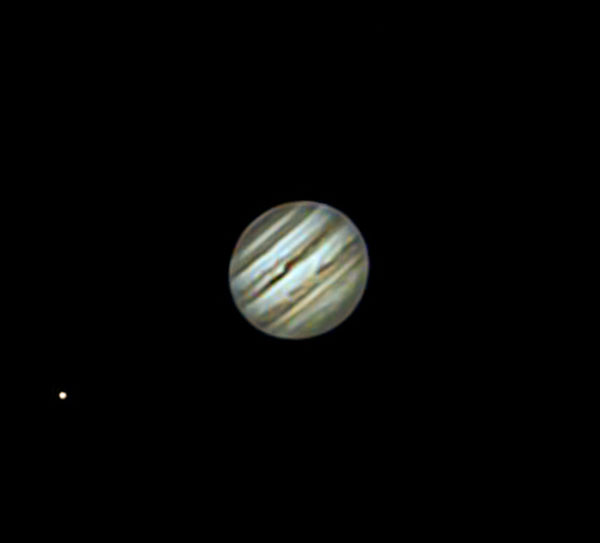
Here is a spectacular photo of the planet Jupiter, captured by Christian Ralph using his Celestron NexStar 8SE telescope. 
Planet Jupiter

The planet Jupiter captured using the Celestron NexStar 8SE (Christian Ralph).

There are a few quirks of course (the red dot finder scope is rudimentary, and the single-arm fork mount is a little wobbly), but overall everyone seemed to agree that it was a smart purchase and they got a lot of use out of it. Some people even mentioned that had sold the scope, and wished that they had kept it. 

As an astrophotographer, the first thing I noticed was the Alt-Az fork mount, and that’s not what you want if your primary interest is long-exposure astrophotography. (An equatorial telescope mount is best).

But, people have taken impressive images with this telescope, it just requires a different approach. If you’re into photographing planets the Celestron NexStar 8SE will work out just fine. This 8″ SCT  was meant for crisp views of solar system objects, and that is where it excels. 

If you look at the specifications for this telescope, it highlights some pretty impressive potential for a variety of visual observations. I can see why beginners are drawn to this package as their first serious scope.
celestron nexstar telescope review

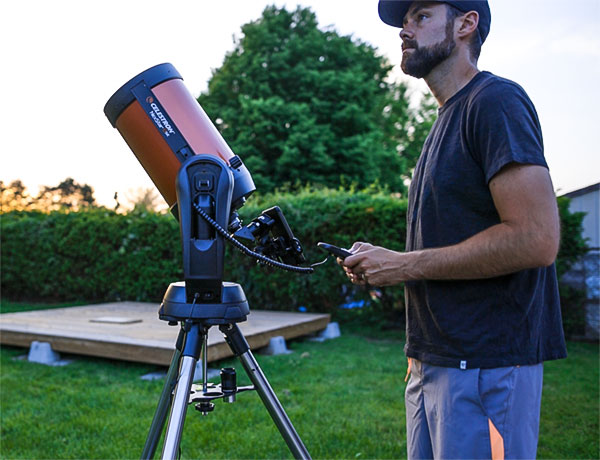
The NexStar 8SE is great for spur-of-the-moment observing sessions of the moon or planets.

NexStar 8SE Telescope Specifications

  • Aperture: 203 mm (8″)
  • Telescope Focal Length: 2032 mm
  • Focal Ratio: F/10
  • Camera/Eyepiece Connection: 1.25″ Nosepiece
  • Diagonal Included: Yes
  • Tripod Weight: 10 lbs
  • Tube Weight: 12.5 lbs
  • Computerized: Yes
  • Drive Type: DC Servo motors
  • Optical Design: Schmidt-Cassegrain
  • Secondary Obstruction: 35mm
  • Tube Diameter: 226mm
  • Tube Length: 432mm

Celestron NexStar 8SE Review

Included Items

  • 8-inch Schmidt-Cassegrain OTA
  • NexStar SE Mount: Motorized Alt-Azimuth/ GoTo
  • Tripod with Adjustable Steel Legs
  • Red Dot Finderscope
  • Accessory Tray
  • NexStar+ Hand Controller
  • 1.25-inch Star Diagonal
  • 1.25-inch, 25 mm Eyepiece
  • Mini-USB Port
  • Celestron Starry Night Software
  • 2 Year Warranty

First Impressions

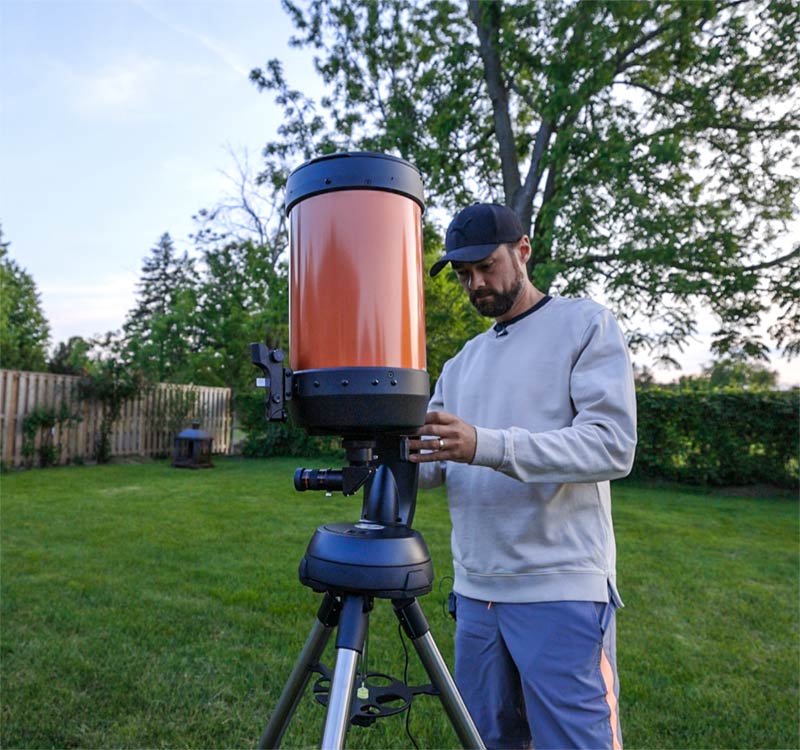
Setting up the Celestron NexStar 8SE for the first time was a quick and painless experience. Once assembled, the entire kit is light enough to be carried around the yard if necessary.

I used an AC adapter to plug the mount into household power in the backyard, but this mount can also be powered via 8 x AA batteries for complete mobility. 

Although the red dot finderscope is simple and inexpensive, it is surprisingly effective at confirming the pointing direction of this high magnification telescope.

Tripod

Right out of the gate, I noticed a few things. The tripod I would call “medium-duty”, it’s similar to the one that comes in the newest Sky-Watcher Star Adventurer GTI package. It seems stable enough for a mount and scope of this size, and it keeps weight down for travel.

The trade-off of a heavier more stable tripod probably isn’t worth the extra weight. The mount head connects securely using 3 threaded bolts. It has a nice design and it feels secure.

Single Arm Fork Mount

The mount head unit and fork arm have a plastic outer casing, reminding you that this is a budget-friendly GoTo telescope package. The Celestron NexStar remote seats neatly inside of the arm, which is a clever space-saving design.

Users of this Celestron NexStar 8SE mentioned that a dual-arm fork design (like the one on the CPC series telescopes) would help the OTA feel a lot more secure. The motorized mount head is where the cost savings come into play. It feels a little “toy-ish”, but the 8″ NexStar OTA reminds us that this is a serious telescope.

Schmidt-Cassegrain Telescope

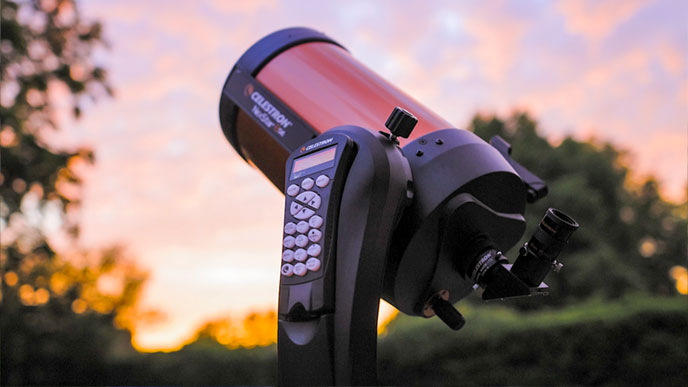
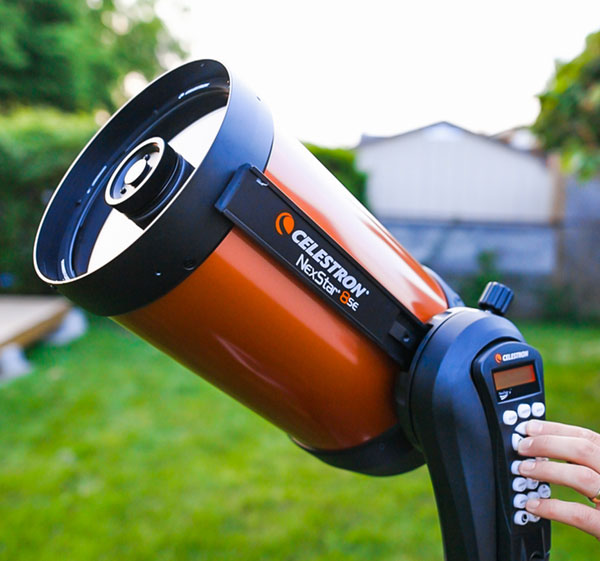
It’s an 8-inch Schmidt Cassegrain telescope with a focal length of 2032mm at F/10. The orange tube Celestron SCT has been in production since 1970, and for good reason. It packs plenty of light-gathering power into a compact, practical size.

The optics on this telescope deliver crisp, high-contrast views, thanks in part to Celestron’s Starbright XLT optical coatings.

This telescope collects light at an f-ratio of F10, which is much “slower” than a typical reflector or refractor telescope. This means that the fainter nebulae and galaxies will be tough to observe, especially if you’re observing the night sky from a light-polluted city.
Schmidt-Cassegrain Telescope

The 8″ SCT optical tube assembly mounted to the single-arm fork mount. 

NexStar Hand Controller

The Celestron NexStar 8SE includes a NexStar hand controller, with over 40,000 objects in its database. The hand controller fits neatly inside the arm of the fork mount, and can also be extended for use while at the eyepiece. This is a clever design and works well in the field. 

25mm Plossl Eyepiece

A 1.25″ 25mm Plossl eyepiece was included with the telescope. This is a useful magnification for a variety of objects in the night sky from planets, to bright galaxies.

It is important to use an eyepiece that does not have a high magnification when aligning the telescope. You may want to purchase an even wider eyepiece (such as a 32mm Plossl) for this purpose. 

The higher the magnification of the eyepiece, the more “searching” you will have to do to align the telescope mount to a bright star.

Portability

Even with the large aperture SCT telescope, the entire kit weighs just 24 lbs in total. The mount, telescope, and tripod can break down into individual parts for easier transport.

This telescope is much easier to bring with you to a dark sky site than an equivalent aperture Dobsonian telescope.

The fully-assembled setup can easily be lifted up and moved across the yard, or brought back into your house or garage. 

GoTo Computerized Mount

One of the biggest draws to this telescope, aside from the compact, travel-friendly design, is its computerized GoTo functionality. You can choose an object you would like to view on the hand controller, and the telescope will point right to it.

Of course, to do this, the telescope needs to be where it is on earth for accurate pointing. Luckily, this is a dead-simple process called “SkyAlign“.

The SkyAlign feature is used on several Celestron mounts including the NexStar GT, NexStar SLT, NexStar SE, NexStar Evolution, SkyProdigy, Astro Fi WiFi, and CPC telescopes.
observing through the eyepiece

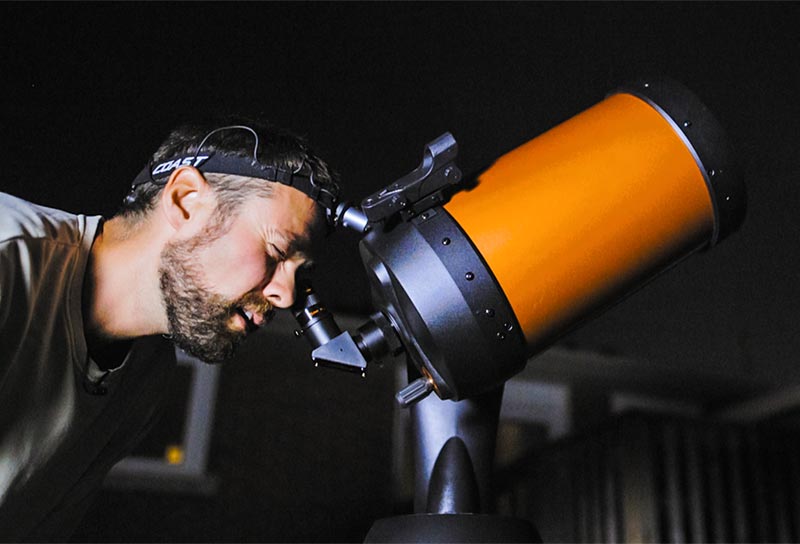
To align the mount you need to point to (and center) three bright stars in the night sky. 

You don’t have to know the location or name of a single star in the sky for it to work. You simply choose your location from the database, I chose Toronto (close enough), and point the scope at three bright stars. Any 3 bright stars.

To help you point directly at them, you can use the included red dot finder. Keep both eyes open, and move the scope until the red dot is directly on the star. When you look in the eyepiece, it should be right there, or very close.

Then center the star, and confirm these 3 positions. Once that is done, your telescope knows exactly where to point.

On my first night out with the Celestron NexStar 8SE, I chose to observe the Ring Nebula in the cancellation Lyra. Sure enough, with the simple SkyAlign routine performed beforehand, the telescope slowed right to it, first try.

Now that is a positive first experience. Bravo Celestron.

Recommended Accessories

To really enjoy using this high magnification telescope, do yourself a favor and pick up a nice wide-field eyepiece. As I mentioned. the NexStar 8SE package includes a 1.25″ 25mm Plossl, which is a decent start.

A wider eyepiece will make the star alignment process a little easier and makes for a brighter view. I tested an old Celestron 32mm Plossl eyepiece on the 8SE, and it provided a slightly wider, brighter view through the telescope.

A wider (lower magnification) eyepiece will make the SkyAlgin process easier because the alignment star will be easier to locate in a larger area of sky. If you are looking for a suggestion, I recommend the Tele Vue 32mm Plossl Eyepiece. 

If it’s planets you’re after, get a decent high magnification eyepiece too, something in the 10mm or lower range. Keep in mind that the view through a high magnification eyepiece under 10mm will be much dimmer.

10mm eyepiece

The Celestron Luminos 10mm eyepiece is great for viewing planets up-close.

Celestron NexYZ Smartphone Adapter

Yes, you can do astrophotography with the Celestron NexStar 8SE! The simplest way to get started is to use your existing smartphone, and hold it up to the eyepiece of the telescope.

Using this method (eyepiece projection astrophotography), you can capture impressive images of the Moon, Jupiter, Saturn, and even Mars. Keeping the phone still enough for a photo, and lining the camera lens up with the center of the eyepiece is the tricky part.

Thankfully, the Celestron NexYZ smartphone adapter can help with these tasks, thanks to a clever 3-axis design. The adapter clamps on to the objective of the eyepiece (both 1.25″ and 2″ eyepieces), and securely holds your phone in place.
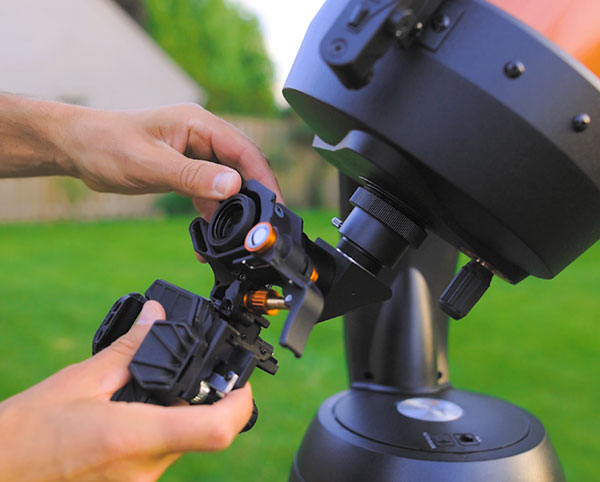
smartphone adapter

The Celestron NeXYZ Smartphone Adapter.

You can use the 3-axis adjustment knobs to center your smartphone’s camera lens in the eyepiece. Using the “pro” or “manual” mode of your camera, you can fine-tune the camera settings to take an amazing photo of the Moon’s surface or Saturn’s rings. 

Smartphone astrophotography with the Celestron NexYZ adapter is best for pictures of the moon and bright planets. Deep-sky astrophotography (of galaxies and nebulae) will require additional hardware such as the Celestron NexStar SE & Evolution Wedge and the proper adapter and t-ring for your DSLR.

astrophotography accessories

Related Post: How to Attach a Camera to Your Telescope

Best Objects to See in the NexStar 8SE

The Celestron NexStar 8SE is best used for high-magnification views of the Moon and planets. Using the included 25mm Plossl eyepiece, the views of Saturn and Jupiter are incredible. 

The SkyAlign feature allows you to get up and running quickly, so you can start observing sooner. Here are some examples of objects you can enjoy seeing through the Celestron NexStar 8SE, even from your backyard:

  • The Moon
  • Saturn
  • Mars
  • Jupiter
  • Venus
  • Ring Nebula
  • Dumbbell Nebula
  • Pleiades
  • Andromeda Galaxy
  • M13 Globular Cluster

Final Thoughts

I have a soft spot for equipment that makes the astronomy experience welcoming and approachable. Too many beginners have had a frustrating experience on their first night under the stars, and many of them do not return to the hobby.

The NexStar 8SE can deliver you your first view of the planet Jupiter, or the Andromeda Galaxy. Getting to this point is straightforward and rewarding, and does not require existing comprehension of the night sky. 

The single-arm fork-mount design isn’t perfect, and it sacrifices stability for a compact, portable design. In a nutshell, the telescope and optics are fantastic, the mount is not.

When slewing the telescope at slower speeds (4 or below), I noticed that the response is “laggy”, meaning that the telescope does not move for a second or two after pressing the arrow button. 

backyard telescope

Be advised that touching the telescope or eyepiece while viewing an object will result in a shaky image, so keep those hands off while observing. This is something you will need to get used to. 

The NeXYZ smartphone adapter is a great little design, probably the best one on the market. But capturing anything other than the moon or planets will be challenging.

Others have done it, but unless you’re willing to put the time in using a phone for deep-sky, stick to solar system objects.

You can fasten a DSLR camera or planetary camera to the telescope for much better images, but to accurately track objects you will need to invest in a wedge to orient the telescope towards the celestial pole. 

The NexStar SkyAlign system is dead simple to perform, and you can skip over the polar alignment process and get straight to observing. The telescope can find and follow an object in the night sky for you.

Saturn stayed in the center of the eyepiece for almost 20 minutes at over 2000mm focal length – try to do that with a manual dob.

The 8″ telescope has enough aperture to deliver amazing views of the moon, planets, and brighter nebulae and galaxies. If the price of the 8SE is too steep for you, you have options. This telescope comes in 4, 5, and 6-inch versions.
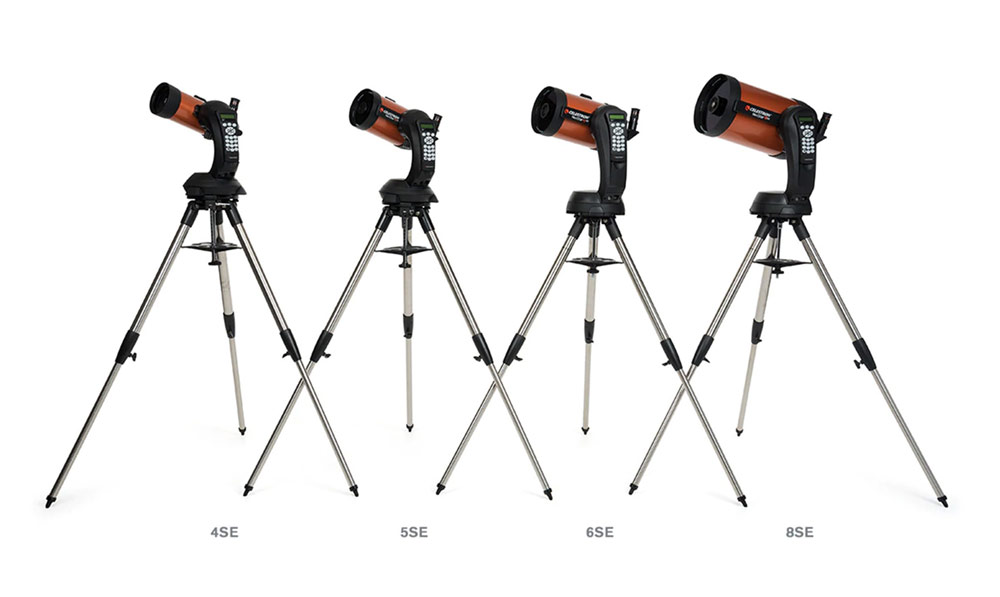
NexStar 4SE

The NexStar series of computerized Schmidt-Cassegrain Telescopes.

Overall the Celestron NexStar 8SE is a remarkable product, and I highly recommend it to anyone looking for a practical, travel-friendly, visual scope that allows you to get your feet wet in astrophotography.

Until next time, clear skies!

I was loaned this telescope from OPT for testing purposes, and was under no obligation to provide a positive review, nor was I compensated in any way for this article (or video). 

Where to Buy:

Related Posts:

Related Posts

Share This

Related Tags

[ad_2]

Source link

Portrait Pro 23 available now

[ad_1]

It’s October again, and as timely as ever, the latest face-enhancing software Portrait Pro 23, has been announced with numerous enhancements that will make your portrait images look better than ever.

This version of Portrait Pro 23 takes an interesting turn with a selection of highly effective Art effects that can be applied to your images. These Art Effects will enable you to transform your images from photographic portraits to works of art within a few clicks.

The new version of the software has also been greatly enhanced to make the most of the new processing power offered by Apple’s M1 and M2 processors.

Along with the performance enhancements, a few more traditional effects have been added. These include a Backlight Lighting Brush that enables you to brush in backlighting even if there was no backlight when the image was taken.

Another new tool helps tidy hairstyles and beards with the Stray Hair Remover Tool.

If you want to try out the new features, head over to the Anthropics website to download a trial or buy the Portrait Pro 23

[ad_2]

Source link

Reducing Climate-Driven Flood Risk Can Be Done In Ways To Also Help Nature Recover

[ad_1]

The 2022 Living Planet Report, released earlier this month from the World Wildlife Fund, showed a dramatic decline in monitored populations of wildlife across the world – a 69% decline in abundance, on average, since 1970. A few days ago, I wrote about how halting, and then reversing, this decline will require far more comprehensive actions than what we typically consider as wildlife conservation. In fact, it will require a ‘whole-of-society’ approach.

While that sounds daunting, much of what needs to be done to restore wildlife and nature are transformations that we need to make anyhow for economic security and for people’s health and safety, such as the rapid transition to decarbonized power systems to maintain a stable climate.

Here I will explore one of these needed transformations to make people safer that can be done in ways that also protect or restore wildlife and nature: flood-risk management in response to rising danger from floods, fueled by climate change and other factors. At the upcoming United Nations Climate Change Conference (COP27) next month, governments should make good on past commitments to provide funding for low-income countries to adapt to rising climate risks, including floods, and they can do this in ways that are consistent with protecting and restoring freshwater ecosystems.

River flooding is already the world’s most damaging form of disaster, averaging approximately $115 billion in costs per year. The World Bank reports that 1.5 billion people worldwide are at risk from flooding, with one-third of them considered to be poor and thus particularly vulnerable to property losses, dislocation and economic disruptions.

There are several drivers of rising flood risk globally. First, new development often occurs in areas prone to flooding. A recent study projected that, between 2015 and 2030, nearly half of global urban development—500,000 km2, an area the size of Spain—will occur in areas at risk of flooding.

Second, countries with mature systems of flood-management infrastructure (e.g., dams and levees), often have underfunded maintenance and replacement. As a result, these systems are aging and deteriorating. For example, every two years, the American Society of Civil Engineers releases a report card for infrastructure in the United States and their 2021 report card gave both levees and dams a letter grade of “D. ” They noted that hundreds of billions of dollars will be needed to rehabilitate structures to get them up to current standards.

Third, changes in land use are also increasing flood risk. The expansion of urban areas—with their extensive hard surfaces such as buildings, roads and parking lots—prevents rainwater from soaking into the soil, dramatically increasing rates of runoff and flood levels. Drainage systems in agricultural areas can also accelerate runoff and increase flood heights downstream.

Thus, for a variety of reasons, flood risk is rising in much of the world even if temperatures and rainfall patterns were holding steady. But they are not holding steady. The climate change we’ve experienced to date (an approximately 1.2° C increase in average global temperature) is already driving increases in flood frequency and magnitude. Scientists can now do “attribution studies” to discern the influence of climate change on the probability that a given flood event occurred. For example, the research organization World Weather Attribution studied the devastating floods in Europe in the summer of 2021, which killed over 200 people. They concluded that the warming experienced to date had increased the likelihood of a flood event of that magnitude, within a range of 20% more likely to nine times more likely.

Even if we successfully hit the most ambitious climate target (keeping warming below 1.5° C), flood losses will increase considerably. With that level of warming, the number of people exposed to river flooding is projected to increase by 50–60% and flood damages are projected to increase by 160–240% (with global losses reaching nearly US$400 billion per year). Warming of 2° C would result in a doubling of the people affected by floods and an increase in damages up to 520% compared to today. This is a surprisingly large increase in losses relative to warming of 1.5° C, underscoring that seemingly small differences in temperature can have major differences in disruption to people’s lives.

Due to this layering of rising risk on top of current vulnerabilities, keeping communities safe from flooding will need to be a major priority of governments over the next few decades. In the past, flood-risk management has most commonly focused on building dams, levees and floodwalls, designed to keep floodwaters away from people. In addition to the maintenance challenges discussed above, this strict reliance on infrastructure can have a range of unintended consequences. By preventing floodwater from spreading out on floodplains, levees can accelerate flood waves downstream, increasing risk for others. Levees and dams also can produce a misguided sense of security, leading to dramatic increases in development on what are perceived as now-protected floodplains, resulting in far higher damages if a levee fails or is overtopped. As a testament to this effect, annual flood damages in the U.S. tripled in constant dollars during the last century, even as tens of billions was spent on flood-management infrastructure.

Further, dams and levees fragment river systems and disconnect rivers from biologically productive floodplains and wetlands. The Living Planet Index revealed an 83% decline on average in freshwater-dependent vertebrate populations since 1970. Various studies have found that dams and levees are among the leading drivers of the decline of freshwater ecosystems and species.

These various limitations and unintended consequences of engineered infrastructure have led to growing calls from flood managers for a “diversified portfolio” approach.

While keeping floodwaters away from people (e.g., using levees or floodwalls) will remain necessary in many places, that strategy should be complemented by keeping people away from floodwaters, such as through more careful zoning. Flood risk also can be reduced by directing floodwaters to the places we want to flood—wetlands and floodplains—in order to take pressure off the places we don’t want to flood, such as cities and farmlands.

This diversified portfolio approach can make a critical contribution to halting, and even reversing, the decline of nature and wildlife. More careful zoning that avoids development on floodplains will not only keep people out of harm’s way, it will also reduce conversion of these key habitats. Nature-based Solutions (NbS), defined as interventions that use ecosystems or natural processes to achieve a societal goal, can combine flood management with large-scale protection or restoration of floodplains and wetlands.

Specific examples of NbS for flood management include (and see figure below):

· Protection of forests, wetlands and floodplains to store and convey floodwaters to reduce flood levels in other places we want to protect

· Reconnecting rivers with floodplains to allow floodwaters more room to spread out, by repositioning levees further away from the river and/or through features called flood bypasses.

· Using “green infrastructure” in urban areas to slow, hold back and store runoff and allow it to soak into the soil, reducing stormwater and flood risk. These features can include green roofs (vegetation on top of buildings), swales, wetlands and parks. As a bonus, these features can also make cities cooler in the summer and increase access to nature for city dwellers.

· Allowing rivers to deliver sediment to their deltas, building new land and protecting deltas and the people and agriculture that depend on them.

All of these NbS interventions can help halt the decline of freshwater wildlife. If implemented at large scales, they can contribute to the restoration of the habitats they need to recover. At COP26 in Glasgow, wealthy countries have committed to directing $40 billion a year toward climate adaptation in vulnerable countries. At COP27, countries should commit to following through on these pledges. When they do, NbS should play a major role in these adaptation projects, so that the projects needed to keep people safe can also help wildlife recover.

In subsequent posts, I’ll go deeper on these various NbS, including how they contribute to flood-risk reduction and how they contribute to the recovery of wildlife.

[ad_2]

Source link

LBN 534 – Andrew’s Astronomy Blog

[ad_1]

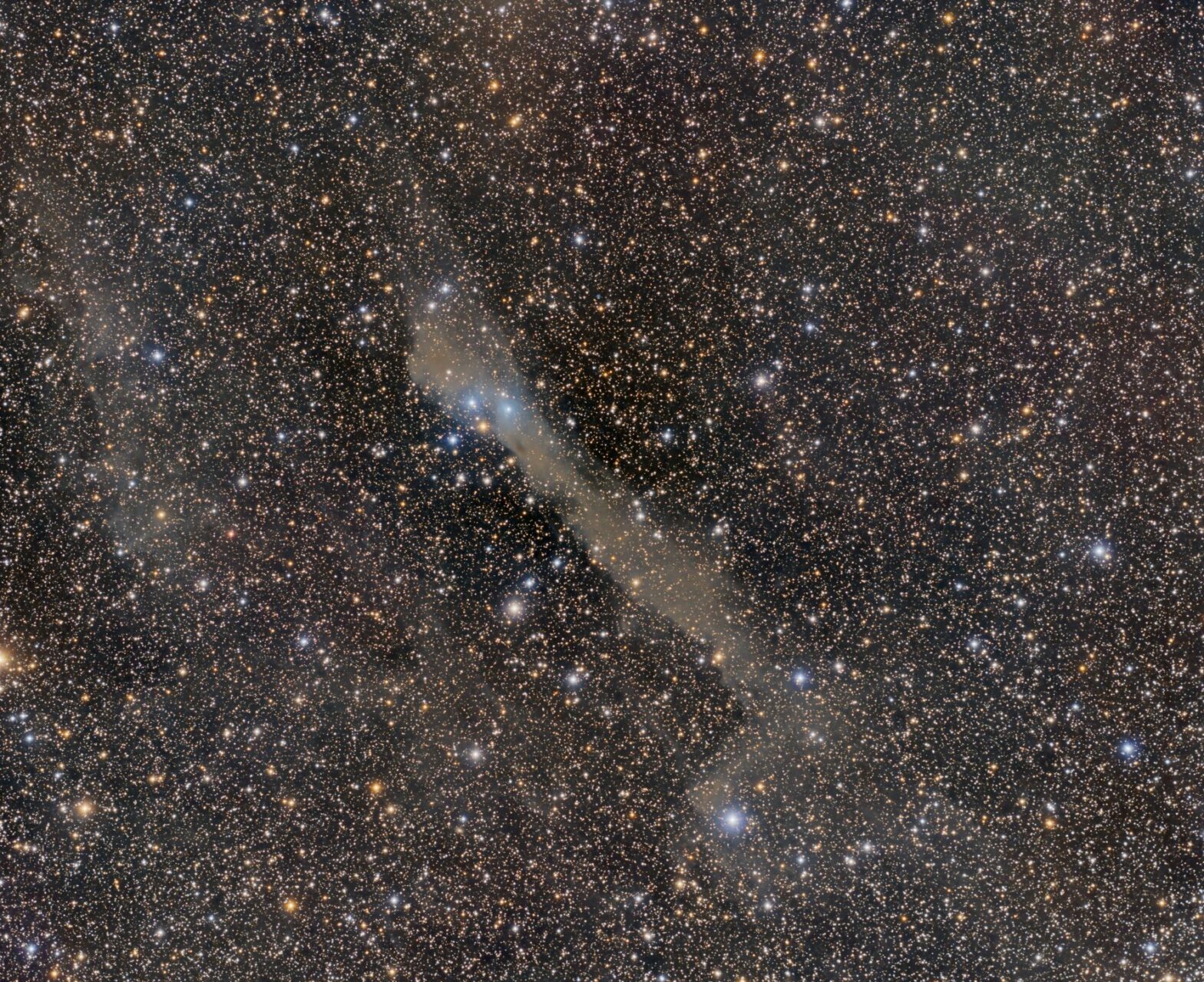
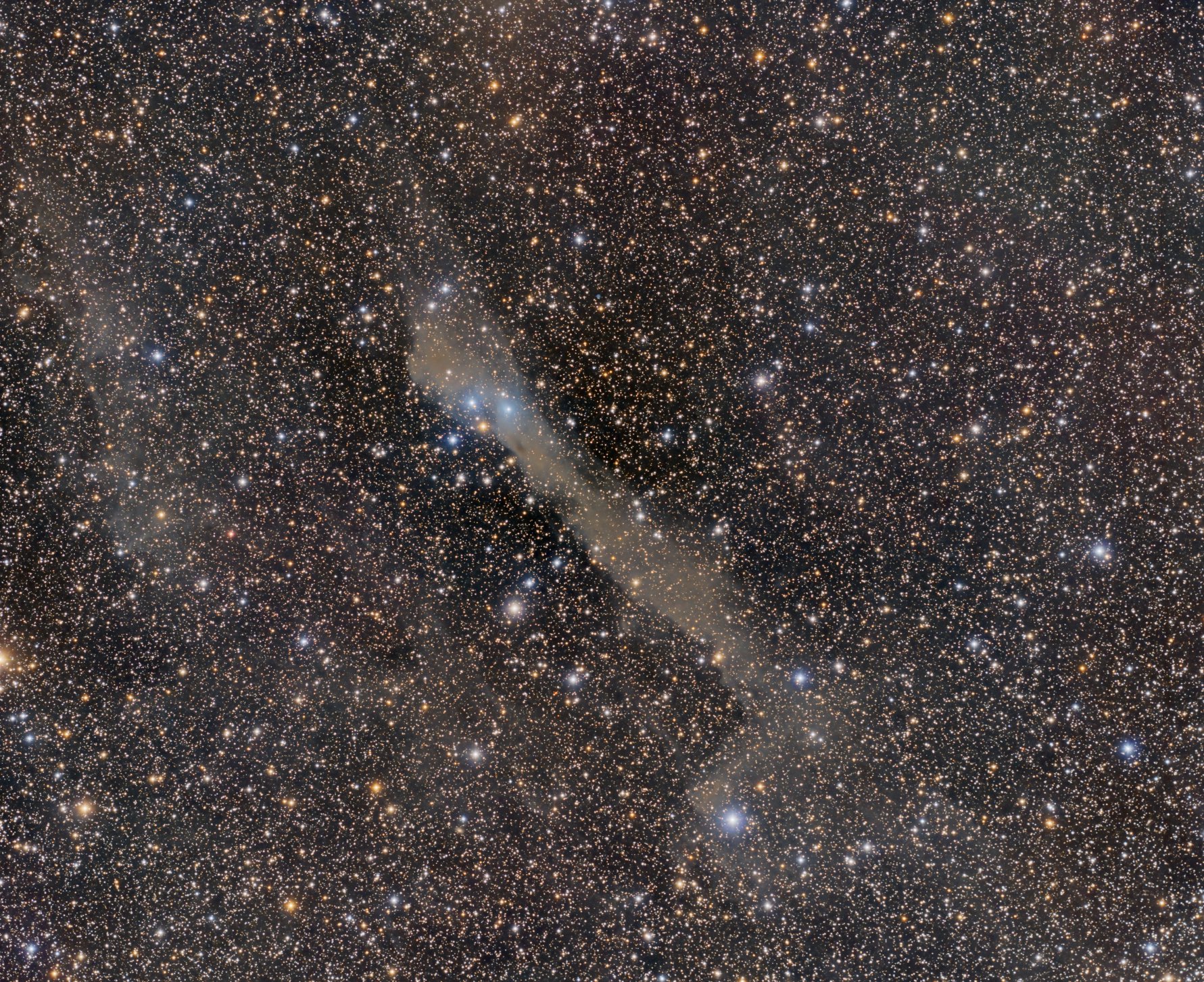
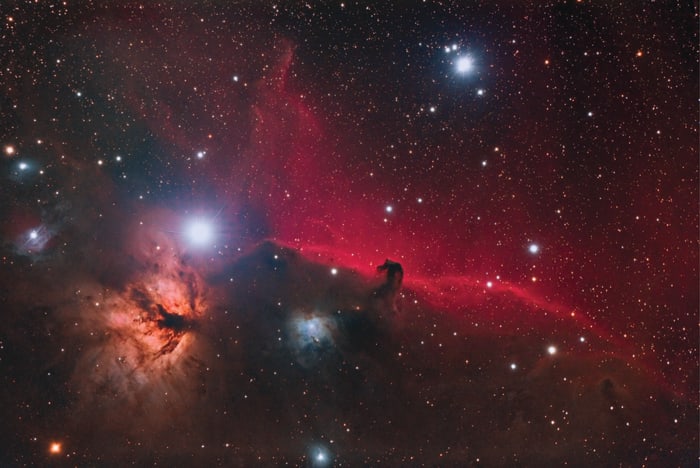
It’s been a while since I last visited this object, a dust cloud on the Andromeda / Cassiopeia border (http://andrewluck.me.uk/?p=1058 & http://andrewluck.me.uk/?p=948). This is the first time with a monochrome camera and RGB filters; previous attempts have been with the KAF8300 equipped QHY9C OSC camera.

The field with the G3-16200 is much larger and provides a better context for the object. Better data, and much improved processing skills have revealed a lot more of the surrounding faint clouds.

This is about 12 hours of RGB data acquired in 10 minute subframes. I’m not a fan of LRGB imaging and very rarely use luminance, preferring instead to spend longer capturing the colour data at bin 1×1. Processing is exclusively Pixinsight.

Published in Astronomy Now (Jan 2018)

[ad_2]

Source link

A Museum of The American Revolution Wedding | Brian & Caitlin

[ad_1]

Fb-Button

They met by chance in college during a freak snow storm… in October. Both snowed in, with the campus deserted and no where to go… they ended up seeking shelter at a friend’s place. And that night is where their paths crossed.

From the moment they met, they just clicked. And it wasn’t long before they found themselves planning their lives around each other. Navigating new jobs, cities, and responsibilities… they’ve supported each other through each adventure together.

Their love is one that challenges and pushes each other out of their comfort zone, yet simultaneously utterly embraces exactly who each other are. <3 So it’s no surprise that when Brian proposed in their favorite spot in the city, Washington Square, Caitlin said YES to a lifetime by his side.

And to document their beautiful day was an absolute joy and honor!! Brian & Caitlin, thank you for choosing me! You’ve been SO wonderful to work with and it’s days like these that remind me allllll over again what a dream it is to do what I do! I’m so excited to be sharing more from your beautiful day and hope you can forever relive it through these images! Xo


Vendor Credits:
Photographer | Caroline Logan Photography
Second Shooter | Vanessa Shenk
Planner | Something Blu
Bridal Prep | Renaissance Philadelphia
Venue | Museum of The American Revolution
Florist | Rich Mar Florist
DJ | Ebe Talent
Hair & Makeup Artist | Alisha Nycole
Invitations | The Paper Bag
Wedding Gown | BHLDN
Shoes | Sole Society
Groom’s Attire | Ernesto Custom
Catering | Brulee Catering
Cinematographer | Kristian Golick Films

For Photographers: Love creamy skintones & soft colors? Learn to edit light & airy here!


[ad_2]

Source link

‘I still get excited every day’

[ad_1]

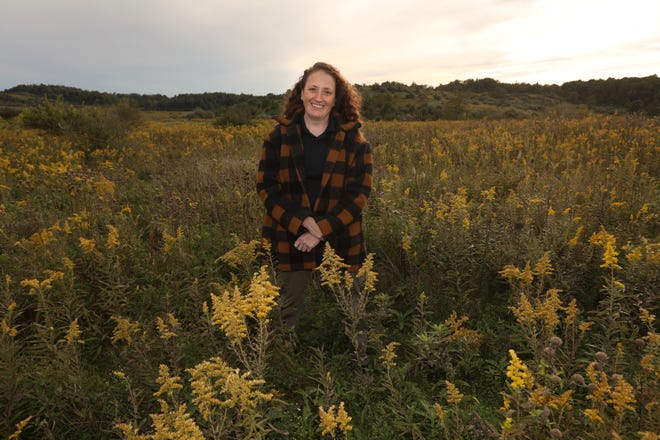
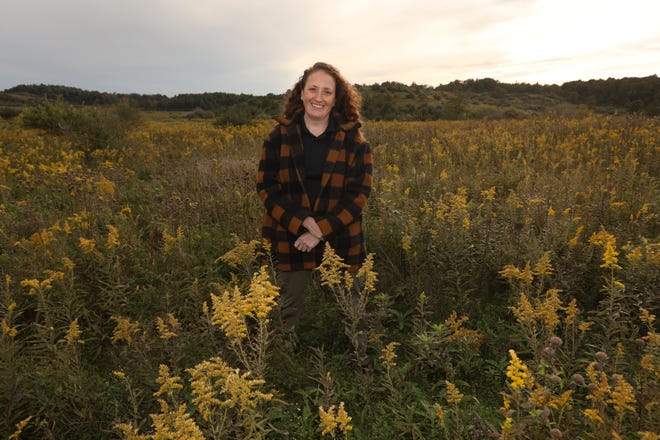
Genelle Uhrig is director of ecology at The Wilds. One of her duties in restoring native habitats that were once strip mined.

CUMBERLAND – For a career, her love for animals won out.

“I was a shy, awkward kid,” recalled Genelle Uhrig, “but always up for an adventure outside. My friends and I would ride our bikes everywhere, climb trees, build forts, and play in the streets. I dreamed of travelling and experiencing new places. I never dreamed I’d end up at The Wilds.”

Today, Uhrig is the director of ecology at The Wilds.

“Even after graduate school,” she added, “I had no idea such a place existed – a place that combines both worlds of wildlife conservation, zoology and ecology. I still get excited every day driving into work and seeing rhinos and giraffes out in pasture. It’s truly a remarkable institution and I’m grateful to be working here.”

[ad_2]

Source link

‘Capturing the Cosmos’ astrophotography exhibit coming to Orlando Science Center

[ad_1]

ORLANDO, Fla. – Orlando Science Center is welcoming a new astrophotography exhibit called “Capturing the Cosmos.”

This exhibit, on display Oct. 29 through Jan. 29, 2023, will feature a selection of cosmic images by Derek Demeter, a renowned astrophotographer and director of the Emil Buehler Planetarium at Seminole State College.

[TRENDING: News 6 anchor Matt Austin fires back at trolls in defense of his daughters | Brevard County Sheriff’s Office K-9 gives birth to litter of 10 puppies | Become a News 6 Insider]

Visitors will be able to see these images in “Fusion: A STEAM Gallery” at Orlando Science Center.

Photos of scenic nightscapes, celestial bodies within space, colorful nebulae and expansive galaxies uniquely shot from Florida will all be featured in this exhibit.

According to a news release from Orlando Science Center, Demeter has been passionate about stargazing since he was a child and his interest in astrophotography stemmed from his college photography courses where he used the school’s telescope to capture a photo of the Orion Nebulae.

“Demeter wants this show to capture the audience’s imagination and unlock a passion for the night sky. He hopes it inspires an appreciation and respect for our night sky and encourages people to preserve our dark spaces for generations to come,” according to the release.

“Capturing the Cosmos” is included with admission, which costs $24 for adults and $18 for kids ages 2 to 11.

For more information or to pre-purchase general admission tickets, click here.


Get today’s headlines in minutes with Your Florida Daily:

Copyright 2022 by WKMG ClickOrlando – All rights reserved.

[ad_2]

Source link

Jan Vrsinsky – 360Cities Blog

[ad_1]

Jan joined 360Cities back in 2008 as a 360º photographer and has also been a member of the 360Cities Team in our early days. Jan runs the Pano Society shop in Europe selling tripods and heads for 360º photographers and videographers.

Jan discovered panoramic photography and interactive images thanks to the panorama mode on his digital compact camera back in 2003. Since 2008 he has been intensively focused on 360° panoramas and virtual tours. Jan has gathered extensive experience with 360º spherical panoramas due both to his photography work and during his travels around the world.Visit Jan’s profile page and enjoy his more than 800 panoramas including many Editors’ Picks.

[ad_2]

Source link

PPA International Photographic Competition – Barger Nature Photography

[ad_1]

I recently submitted four images to the PPA (Professional Photographers of America) for judging in the 2020 International Photographic Competition. I was fortunate to have all four images selected to receive merits in the judging, which earned me the award of Gold Medal. Two images of my images received Purchase Awards into the International Loan Collection, and the other two received Purchase Awards into the General Collection.

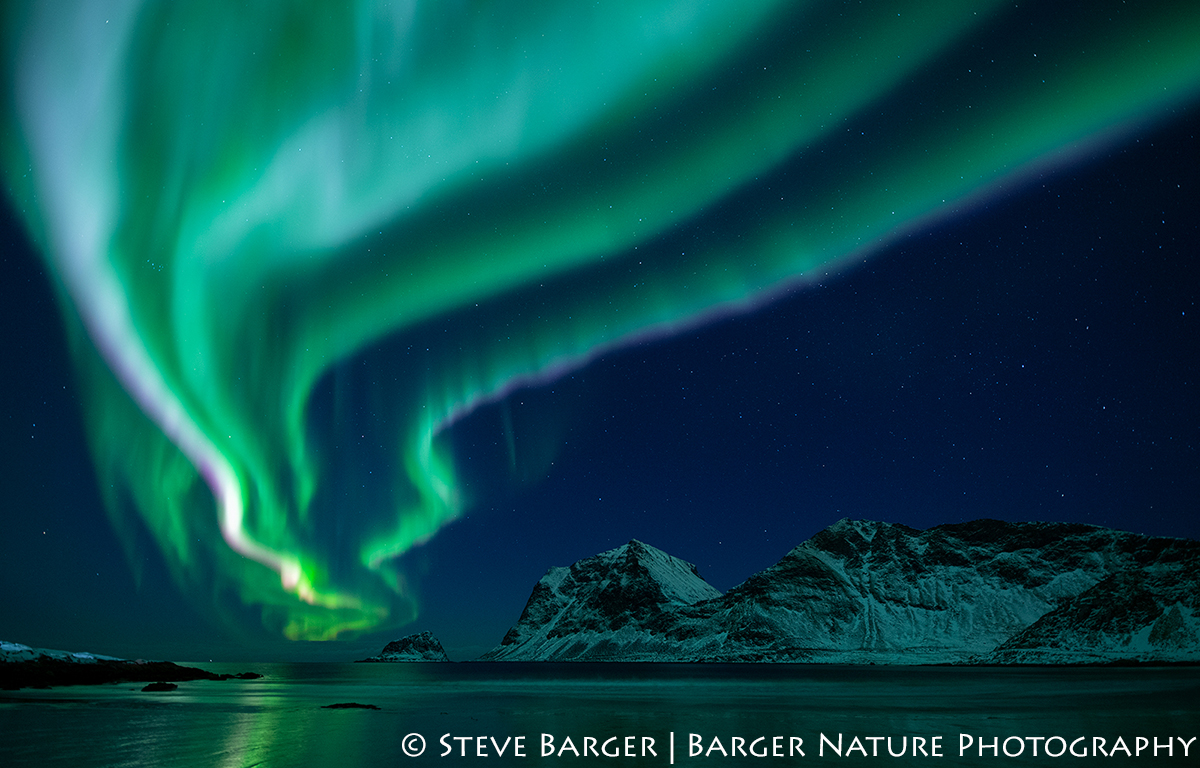
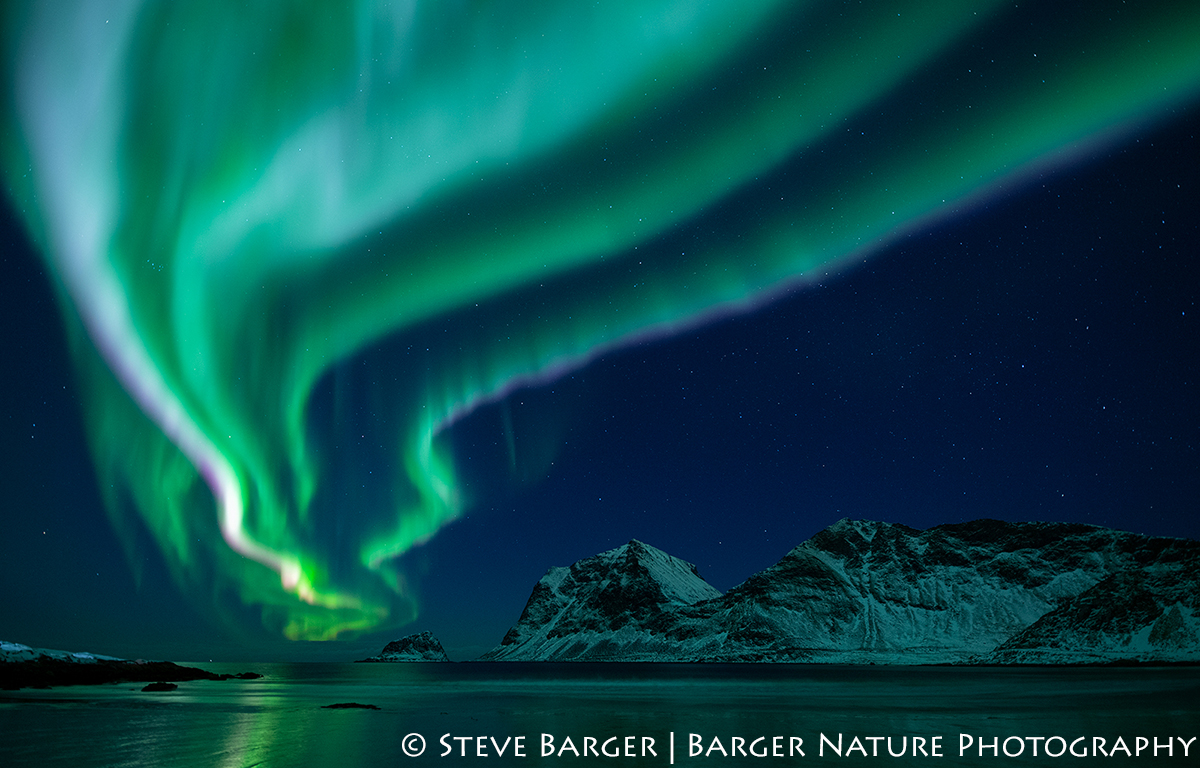
Intense moment frozen in time. Aurora framing the mountains in the background and Vikbutan Bay in the foreground, Lofoten Islands, Norway. The intensity of this display lasted for a short 10 minutes.

Professional Photographers of America Press Release

2020 International Photographic Competition Gold Medalist

November 2020

New Richmond, Ohio Photographer Named Gold Medalist at the International Photographic Competition

Steven Barger of Barger Nature Photography is honored by peers and jurors for high-quality photography.

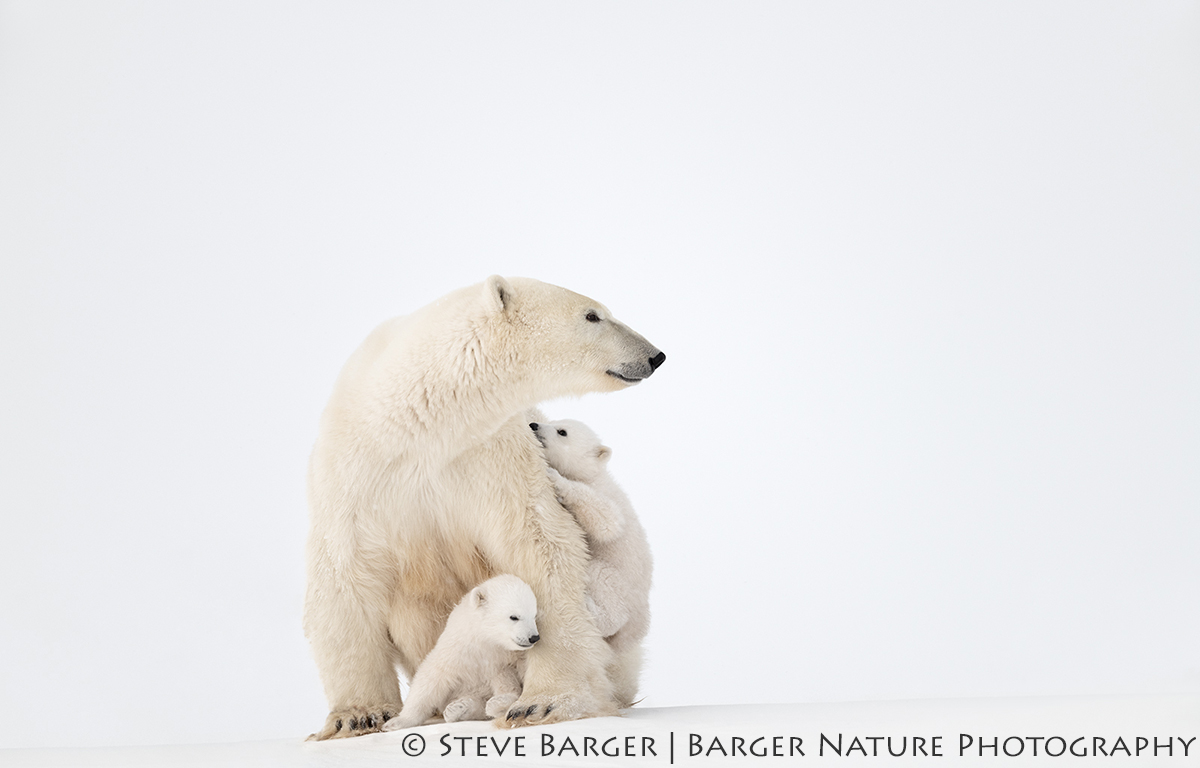
Two cubs-of-the-year protected by their mother; one climbing on its mothers back while the other watches in Wapusk National Park near Churchill, Manitoba, Canada

Hew Richmond, Ohio – Steven Barger of Barger Nature Photography in New Richmond, Ohio was named a Gold Medalist during the Professional Photographers of America’s (PPA) 2020 International Photographic Competition (IPC). Barger’s work will be on display at the upcoming Imaging USA, to be held virtually January 17-19, 2021. Imaging USA is one of the largest annual conventions and expos for professional photographers.

A panel of 36 eminent jurors from across the United States selected the top photographs from over 5,000 total submitted entries at PPA headquarters in Atlanta. Judged against a standard of excellence, 1,706 images were selected for the General Collection and 865 (roughly 17 percent) were selected for the esteemed Loan Collection-the best of the best. The Loan Collection images will all be published in the much-anticipated “Loan Collection” book by Marathon Press.

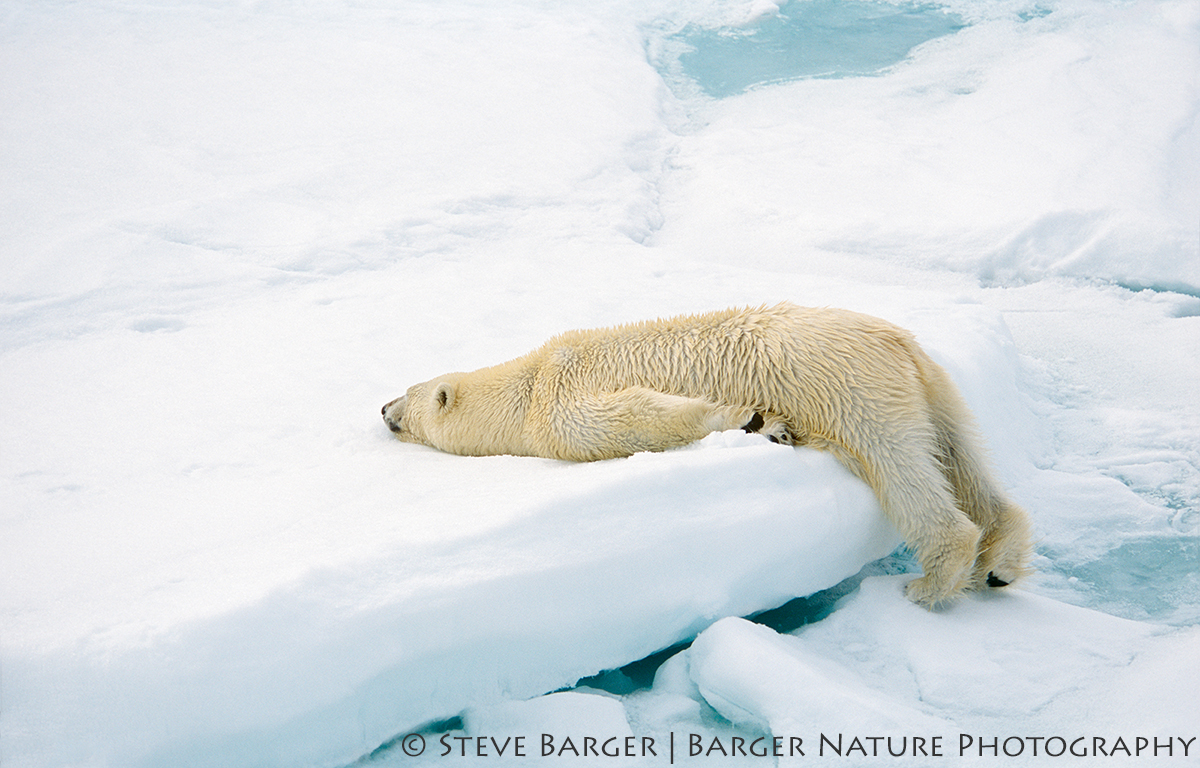
This polar bear north of Svalbard on the pack ice in the Arctic Ocean is cooling off.

The level of the award is determined by how many of the four images submitted by the photographer receive the highest possible honor: acceptance into the PPA Loan Collection, which is displayed at photographic exhibitions, conventions, and other photographic events. Barger was named a Gold Medalist, meaning that all four of his images merited, selected for the General Collection, and two of the four merited images entered the PPA Loan Collection. In 2020, there were 60 Gold Medalists.

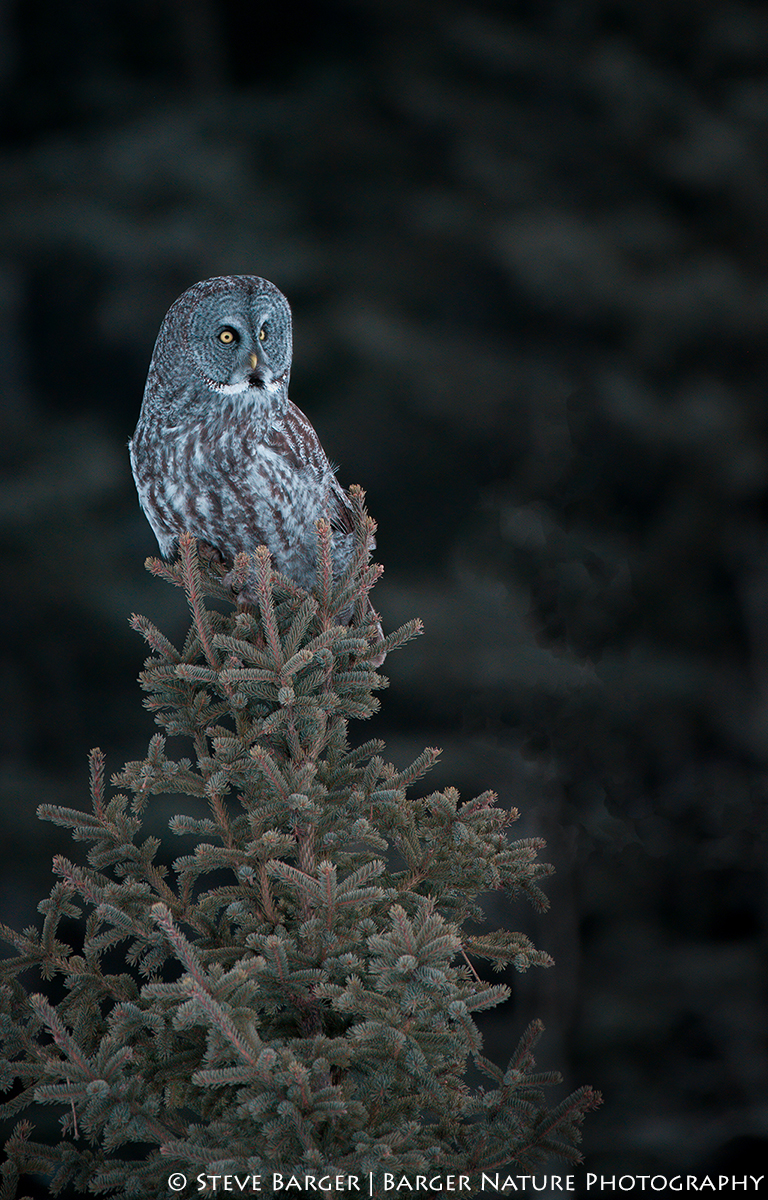
Great Grey Owl perched on a spruce tree in a dark forest near Cochrane, Alberta, Canada. The owl had landed on this spruce tree moments before this photograph was taken. The shaded trees in the background creates the dramatic contrast between subject and background.

Founded in 1868, Professional Photographers of America (PPA) is the largest and longest-standing nonprofit photography trade association. It currently helps 30,000 professionals elevate their craft and grow their business with resources, protection, and education, all under PPA’s core guiding principle of bridging the gap between photographers and consumers.

Steven Barger
513-460-6091
https://www.BargerNaturePhotography.com
[email protected]

[ad_2]

Source link

Ladakh to get the first Dark Sky Reserve tomorrow

[ad_1]

TNI Bureau: Ladakh is ready to get the first Dark Sky Reserve of the country months after plans were announced to launch a unique initiative. Radha Krishna Mathur, the Lieutenant Governor of Ladakh, will virtually inaugurate the facility on October 31.

The initiative by the Ladakh Autonomous Hill Development Council (LAHDC), the Union Territory administration, and the Indian Institute of Astrophysics, Bengaluru aims to lower light pollution in the region for better observations and to boost the local economy by harnessing the power of astronomy.


What is dark sky reserve?

The Dark Sky Reserve is located at Hanle, which is about 300 kilometers away from Ladakh and is part of the Changthang Wildlife Sanctuary. As part of the initiative, 24 astro ambassadors have been selected from a cluster of five villages in and around the Indian Astronomical Observatory (IAO).

Support Independent Journalism? Keep us live.

Funded by the LAHDC, the astro ambassadors will be provided with 8-inch Dobsonian telescopes that will be used to look out into the universe and provide a new avenue of income. The ambassadors will cater to tourists visiting Hanle in hopes of catching a glimpse of the Milky Way galaxy, which shines through the night in the region due to its cloudless skies and lower atmospheric disturbance.

The Dark Sky Reserve will be centered in a radius of 22 kilometers around the Indian Astronomical Observatory in Hanle.

A total of 24 astro ambassadors have been selected out of over 70 applications received for the opportunity. They have been trained in handling telescopes and identifying objects, stars and different patterns in the sky. The ambassadors have gone through workshops with IAO and astronomers from IIA Bengaluru.

About 70 per cent of the applications received for the post of astro ambassador came from girls and of the 24 finally selected, just 7 are boys.

With the virtual inauguration on October 31, the ambassadors are also being trained in avoiding light pollution and have been provided with special curtains to lower light pollution. After getting hands-on experience with telescopes, the astro ambassadors are also interested in getting trained in astrophotography.

[ad_2]

Source link