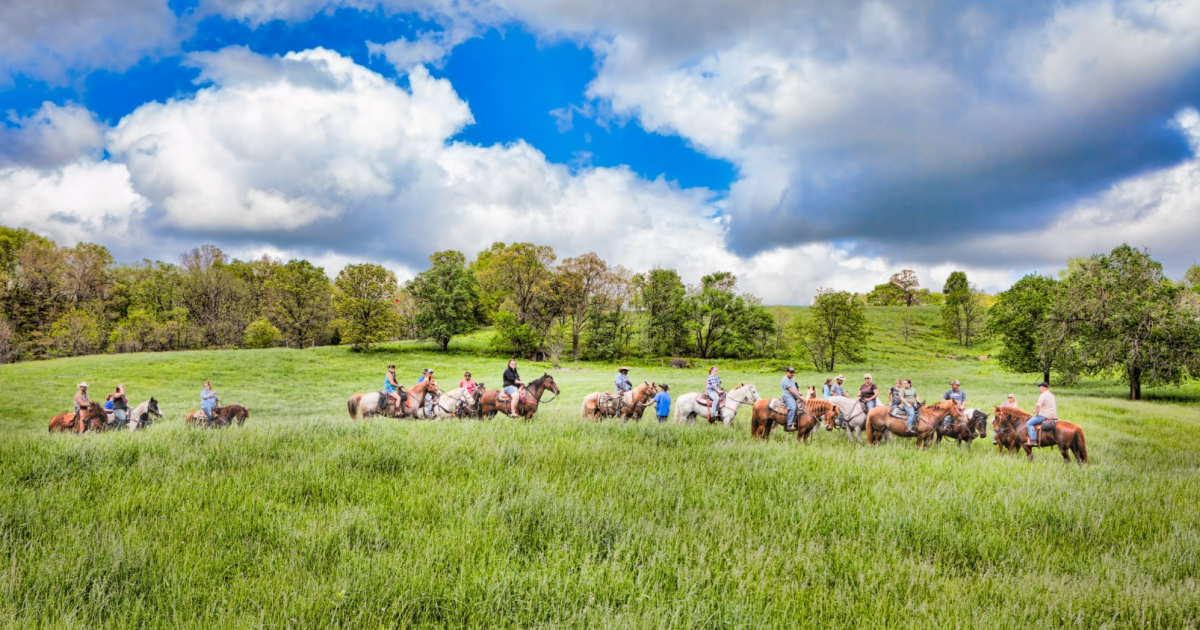
“King of the Ozarks” is a series of pictures and interviews revolving around King Davis, an African American dairy farmer. It’s a document of his descendants, a deeply Ozarkian family, some of whom still live on the farm.
The photographer, Joyce McMurtrey, resides on a vineyard near Mountain Grove with her husband. She opened the Ozarks Studies Symposium in West Plains two weeks ago, and says that “King of the Ozarks” started as a way to meet her neighbors.
“I had heard stories about an African American man named King Davis. And everybody I worked with in the vineyard had a story about him,” she said. “And, as it turned out, his farm was six miles away from the farm that I currently live at.”
McMurtrey developed two ongoing picture projects before this one debuted in 2018: “Grapeography: a Year in the Life of a Missouri Vineyard” and “Ozark Women,” which will also be exhibited in West Plains in February and March of next year.
“King of the Ozarks” opened in September and runs through October 20 at the Gallery at the West Plains Civic Center. More information and a slideshow of the exhibit can be found on the West Plains Council on the Arts website.
Bacalar has a seven-tone lagoon of blue that is one of the most extraordinary places to practice snorkeling and scuba diving. (Photo Credit: Ministry of Tourism of Mexico, Sectur)
Mexico has countless places where nature lovers enjoy a great diversity of flora and fauna. Here we present some of the most lush Magic Towns where visitors have the opportunity to discover the most impressive ecosystems of the American Continent.
Bacalar
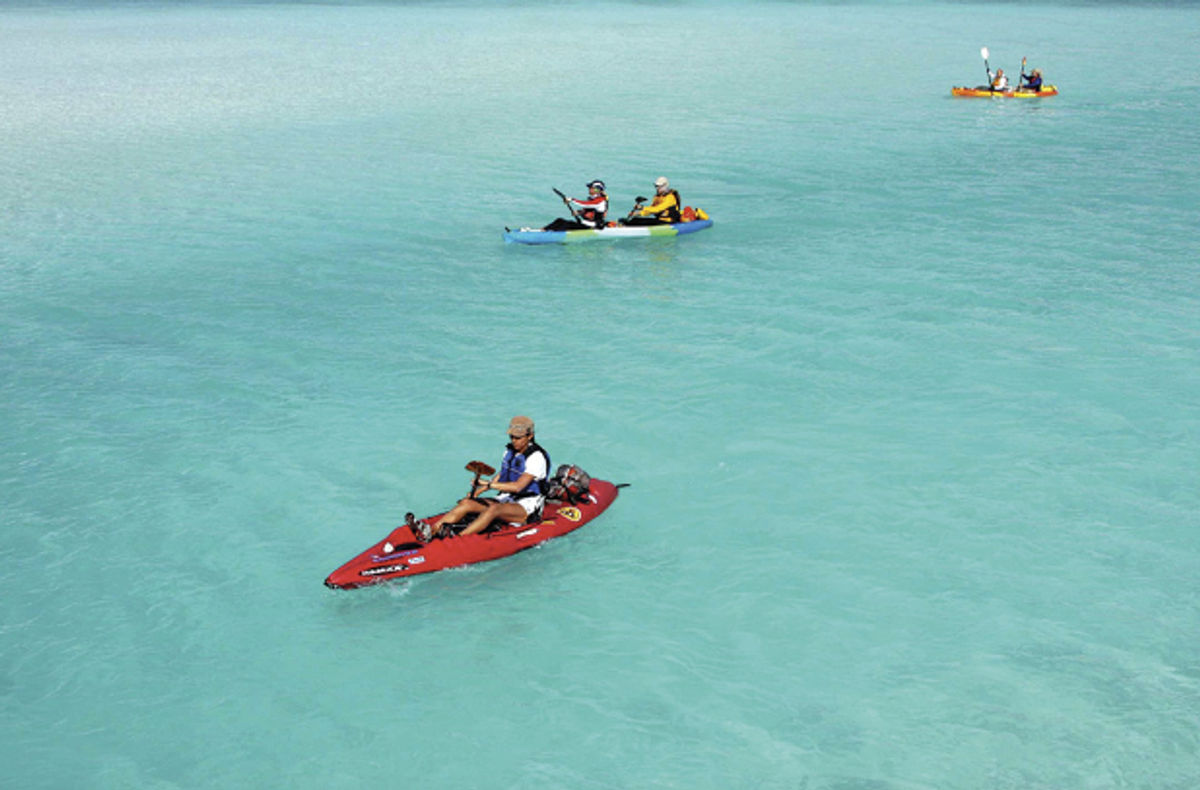
Located in the state of Quintana Roo, about a three-hour drive from Cancun, this Magic Town offers its visitors a fabulous seven-tone lagoon of blue that is one of the most extraordinary places in the world to practice snorkeling, scuba diving and kayaking.
There are also services such as boat rides and sailboats to visit the Pirate Canal, the Black Cenote and the amazing Bird Island. Bacalar is the gateway to the Blue Cenote’s underwater caves and has a lush jungle where visitors can find interesting archeological areas of Mayan culture.
Mazunte
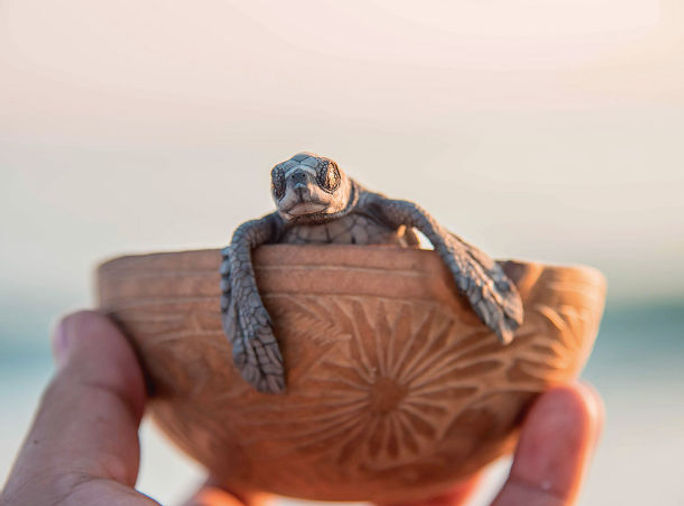
This Magic Town of Oaxaca, besides being a favorite for surfers, is characterized by the care of various species of sea turtles. It is located between the jungle and the Pacific Ocean.
Mazunte, in Oaxaca, has various fields of an ecological center dedicated to conserving sea turtles. (Photo Credit: Ministry of Tourism of Mexico, Sectur)
Here, nature lovers have the opportunity to visit the various fields of an ecological center dedicated to the conservation of golfin, prieta, lute and hawk turtles. In addition to December through March, visitors have a privileged view of humpback whales coming to this region from the icy waters of Canada.
Sayulita
Located in Nayarit, very close to Puerto Vallarta, this Magic Town of the Mexican Pacific, has natural beauties where thousands of different animal and vegetable species coexist. Visitors have the opportunity to learn about the ecosystems of its rivers, lakes and estuaries that have an enormous diversity of species.
Highlights include the Tortuguero de Sayulita Camp, the Kestos Malpaso, Muertos and Patzcuarito beaches, as well as several sites for bird and whale watching between the months of December and March.
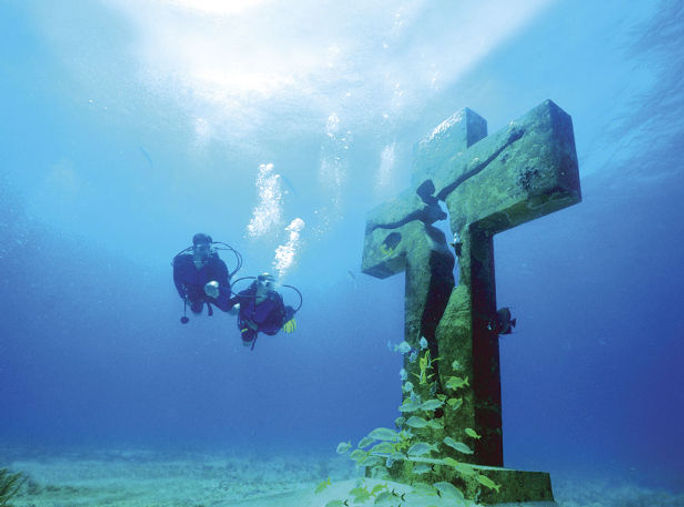
Visitors dive along the Underwater Museum of Art of Isla Mujeres to enjoy a series of sculptures made in the shallow waters. (Photo Credit: Ministry of Tourism of Mexico, Sectur)
Isla Mujeres
Located off the coast of Cancun, this Magic Town is a paradise for divers and snorkelers who enjoy its extensive coral reef and one of the richest regions in natural life in the Mexican Caribbean.
The west of Isla Mujeres is home to the so called extraordinary coral reef that is very well protected by authorities and represents one of the largest habitats of marine life on the American Continent.
Visitors also have the opportunity to swim with the majestic whale shark and dolphins as well as dive along the Underwater Museum of Art of Isla Mujeres and enjoy a series of sculptures crafted in the shallow waters.
For the latest travel news, updates and deals, subscribe to the daily TravelPulse newsletter.
In a sense, there’s no more fundamental a battle in the platform wars than pitting the Google Pixel 8 vs Apple’s iPhone 15. While both Apple and Google have higher-spec devices — the Pixel 8 Pro and the iPhone 15 Pro/Pro Max, respectively — these are the latest “default” devices for Android and iOS. They’re also what more people are likely to buy, being hundreds of dollars cheaper than their Pro counterparts. So putting aside Android Authority‘s bias for a moment, which phone should you buy if you’re flexible on the platform question?
Google Pixel 8 vs Apple iPhone 15: At a glance
The Pixel 8 is cheaper than the iPhone 15, starting at $699 versus $799, but lacks as many storage options.
Both phones support USB-C, but the Pixel 8 can charge slightly faster in wired and wireless modes, even if full wireless speed requires a 2nd gen Pixel Stand.
While both phones share similar rear camera systems, the Pixel 8 technically edges ahead with a 50MP main camera and laser-detect autofocus.
The Pixel 8’s display is barely larger at 6.2 inches next to the iPhone 15’s 6.1.
Although the iPhone 15 uses the same A16 Bionic processor found in the iPhone 14 Pro, we’re not yet sure how the Pixel 8’s new Tensor G3 chip stacks up in real-world performance.
The Pixel 8’s biggest selling point for some may be unique software-based photography features such as Face Unblur and the Magic Eraser.
Google Pixel 8 vs Apple iPhone 15: Specs
Google Pixel 8
Apple iPhone 15
Display
Google Pixel 8
– 6.2-inch Actua OLED – 60-120Hz refresh rate – Up to 2,000 nits peak brightness – 1080 x 2400 resolution (428ppi)
Apple iPhone 15
– 6.1-inch Super Retina XDR OLED – 60Hz refresh rate – Up to 2,000 nits peak brightness – 1179 x 2556 resolution (461ppi)
Processor
Google Pixel 8
Google Tensor G3
Apple iPhone 15
Apple A16 Bionic
RAM
Google Pixel 8
8GB LPDDR5X
Apple iPhone 15
6GB (type unknown)
Storage
Google Pixel 8
128 or 256GB No expandable storage
Apple iPhone 15
128, 256, or 512GB No expandable storage
Power
Google Pixel 8
4,485mAh (“minimum”) or 4,575mAh (“typical”) battery 27W USB-C wired charging 18W wireless charging with Pixel Stand 2nd gen, 12W with regular Qi chargers Reverse Qi charging (Battery Share)
Apple iPhone 15
3,349mAh battery 20W USB-C wired charging 15W wireless charging with MagSafe, 7.5W with regular Qi chargers 4.5W reverse wired charging
Stereo speakers Spatial audio (with compatible apps and/or headphones) No 3.5mm jack
Apple iPhone 15
Stereo speakers Spatial audio (with compatible apps and/or headphones) No 3.5mm jack
IP rating
Google Pixel 8
IP68
Apple iPhone 15
IP68
Biometrics
Google Pixel 8
Face Unlock or Fingerprint Unlock (using under-display sensor)
Apple iPhone 15
FaceID
SIM
Google Pixel 8
Dual SIM (nano SIM and eSIM)
Apple iPhone 15
eSIM-only (US) or nano SIM and eSIM (other countries)
Software
Google Pixel 8
Android 14
Apple iPhone 15
iOS 17
Dimensions and weight
Google Pixel 8
Dimensions: – 150.5 x 70.8 x 8.9mm
Weight: – 187g
Apple iPhone 15
Dimensions: – 147.6 x 71.6 x 7.8mm
Weight: – 171g
Colors
Google Pixel 8
Obsidian, Hazel, Rose
Apple iPhone 15
Blue, pink, yellow, green, black
As you can see, the phones aren’t far apart in most respects. It seems like Apple and Google were well aware of what each other would have on the market by fall 2023. Even the phones’ displays are each capable of 2,000 nits of peak brightness outdoors, although the iPhone 15 tends to be slightly brighter in normal conditions.
It’s worth noting that as is usual for Apple, some iPhone 15 specs that seem weak on paper — mainly RAM and battery capacity — may not be in practice. Because Apple has airtight hardware and software integration, it’s able to optimize performance in a way Google can only dream of, despite its Tensor chips.
The Pixel 8 and iPhone 15 aren’t that far apart, especially because of Apple’s software optimizations.
Something we left out of our specs is that while both phones now support USB-C, the iPhone 15 only supports slow USB 2.0 data speeds, whereas the Pixel 8 is equipped with USB 3.2. Google does make you buy a separate cable to exploit that, yet if you regularly transfer gigabytes of video or other files, you may automatically need the Pixel 8.
Still up in the air is how well Google’s new Tensor G3 processor stacks up against the A16 Bionic. While the A16’s performance is well-documented, since it was used in the iPhone 14 Pro and Pro Max, we’re not allowed to share our Tensor G3 benchmarks just yet. Stay tuned!
The Pixel 8 has both a nano-SIM slot and eSIM support. That’s also true of the iPhone 15 in most countries, but US models of the device are limited to eSIM.
Google Pixel 8 vs Apple iPhone 15: Size comparison
Practically speaking, there’s not much difference between the phones in size. The Pixel 8 does of course have a slightly larger 6.2-inch display, but in terms of other dimensions, it’s not that much bigger.
Where you might notice things a little is in thickness and weight. The Pixel 8 comes in at 8.9mm thick versus the iPhone 15’s 7.8mm, and it’s a bit heavier at 187g. That might make the iPhone 15 marginally more comfortable in the hand and easier to fit in a pocket.
Yes, both phones have an IP68 rating. You shouldn’t shower or swim with them though, at least not without a fully water-sealed case.
Google Pixel 8 vs Apple iPhone 15: Cameras
This is a tough area to talk about for a few reasons, mostly because we have yet to fully test the pair of phones. We’ll update this comparison with galleries at a later date. Specs-wise, the products are extremely close. The iPhone 15 is Apple’s first non-Pro model with a 48 megapixel main camera, just shy of the Pixel 8’s 50 megapixels. Indeed, Apple and Google each claim 2x “optical-quality” zoom, although what they really mean is that their sensors can do a 2x crop without a noticeable quality setback. Both companies have yet to put true telephoto lenses on an entry-level or mid-range device — once again, we’re stuck with an ultrawide as the secondary. Anything beyond 2x zoom is aided by further computational photography trickery.
In fact, Apple and Google each rely on a lot of continually evolving processing wizardry. That’s especially true in the case of Google, which offers a variety of post-shot enhancement options that Apple doesn’t, such as Best Take, Magic Editor, Magic Eraser, and Face Unblur. That, combined with things like an Astrophotography mode, could push the Pixel 8 over the top for people who rely on their phone for all their photos.
Google’s photo wizardry could be a deciding factor for some people.
Apple is still known for having some of the best camera tech in the industry, however, so no one should be disappointed with an iPhone. When it comes to video, the iPhone 15 should be able to go toe-to-toe or better, supporting 4K at up to 60fps, and matching the Pixel 8’s hardware and software stabilization (on the main lens). The iPhone 15 can even shoot in Dolby Vision, whereas the Pixel is limited to “just” 10-bit HDR. About the only video advantages the Pixel 8 seems to hold (on the surface) are a macro focus recording mode and Audio Magic Eraser for deleted unwanted sounds. We’ll learn more soon.
Google Pixel 8 vs Apple iPhone 15: Battery life and charging
Robert Triggs / Android Authority
As hinted, Apple seems to be outperforming the battery specs it has on paper. Although the iPhone 15 is equipped with a 3,349mAh pack, nominally much smaller than the Pixel 8, Apple claims the device can handle up to 20 hours of non-stop video, whereas Google will only promise “beyond 24-hour” battery life when using a mix of functions. In practice, we’d expect both phones to have some charge left at the end of a day, but not enough that you can skip charging overnight. That’s par for the course.
One reason you might prefer the Pixel 8 is its Extreme Battery Saver mode. This goes beyond the low-power mode most smartphones have, shutting down all but the most essential functions to push battery life up to 72 hours. You’ll want to avoid using it, but if you’ve ever been worried about how long your phone will last after a long flight or an extended power outage, it could be appealing.
The Pixel 8 can technically charge faster, but only under specific conditions.
The Pixel 8’s 27W wired charging is faster than the regular iPhone 15, though not the 15 Pro or Pro Max, and you’ll still need to buy your own USB Power Delivery PPS-compatible adapter to make that happen (there’s no charger in the box). Likewise, while the phone can handle 18W wireless charging, that’s only with Google’s 2nd gen Pixel Stand. You’ll max out at 12W with a conventional Qi charger, which is below the 15W the iPhone 15 can handle with a certified MagSafe accessory. Google also doesn’t appear to have plans to support Qi2 on the Pixel 8, whereas that’s already in the works for the iPhone 15 lineup.
Bear in mind that the iPhone 15 is limited to 7.5W with Qi chargers, and doesn’t offer an equivalent of the Pixel 8’s Battery Share reverse wireless charging. The only reverse charging it has is wired, and even then it’s meant mostly for Apple Watches and AirPods. You can potentially use it with other devices if they support the USB-PD spec.
Google Pixel 8 vs Apple iPhone 15: Price and availability
Google Pixel 8 (128GB): $699
Google Pixel 8 (256GB): $759
Apple iPhone 15 (128GB): $799
Apple iPhone 15 (256GB): $899
Apple iPhone 15 (512GB): $1,099
Though Apple has mercifully avoided hiking prices this year, there’s no doubt that it considers the iPhone 15 a “premium” product, given its $799 entry fee. If you shoot a lot of photos and video you can even spring $1,099 for a 512GB model, though at that point you’re spending as much as you would on a 256GB iPhone 15 Pro.
Apple iPhone 15
Apple iPhone 15
USB Type-C port • Reliable experience • Solid 48MP camera
The entry-level iPhone of 2023
The iPhone 15 is the most accessible model of four options this year. With a 6.1-inch display running at 60Hz, the A16 Bionic SoC, and up to 512GB of storage, this is a capable phone for most users.
The Pixel 8 only has 128 and 256GB storage options, but slides in cheaper on both counts. That makes it a pretty good deal — unless of course going with an Android phone might sacrifice some of the Apple ecosystem in your household. More on that in a moment.
Google Pixel 8
Google Pixel 8
Bright display • Upgraded face-unlock • Improved camera
A bright display from Google’s 2023 flagship phone
The Google Pixel 8 introduces the new Actua display, a 6.2-inch panel that’s 42% brighter than the Pixel 7. Backed by the fully updated Tensor G3 chipset, and a new 50MP camera, this promises to be one of the more exciting Pixel phones.
Depending on where you live, you might also have to wait longer for the Pixel 8. At the moment, it’s scheduled to ship in 20 countries on October 12, versus the 40-plus the iPhone 15 arrived in on September 22. Hopefully, Google’s reach should expand, but the company doesn’t have the same distribution capacity as Apple.
Google Pixel 8 vs Apple iPhone 15: Which should you buy?
Really, based purely on features, it’s hard to go wrong with either. They both have solid performance, and may even dispel some of the interest in buying their Pro versions now that you can get 2x digital zoom without hurting photo quality. We’d steer towards the Pixel 8 for reasons like price, photo software, a bigger display, and faster wired charging, but the iPhone 15 has things to recommend such as MagSafe, build quality, top-notch video recording, and the well-proven A16 Bionic chip.
If you’re already invested in one ecosystem or the other, it’s probably safest to stick with whichever phone belongs to it.
Of course, the elephant in the room is that many people are now bought into either the Android or Apple ecosystems, and choosing one sacrifices the advantages of the other. Android users have an easier time switching phone and accessory brands, for instance, as well as increased customization options, and tie-ins with the Google services even iPhone owners users every day. Apple’s deep cross-product integration is hard to beat however, allowing devices like iPhones, AirPods, Apple Watches, and Macs to work seamlessly with each other (most of the time). There’s a bit of that on the Android side, but even brands like Google and Samsung are playing catch-up.
Would you rather buy the Google Pixel 8 or Apple’s iPhone 15?
121 votes
If you’re already invested in one ecosystem or the other, it’s probably safest to stick with whichever phone is attached to it. If something has nudged you towards making a platform switch, now’s a pretty good time to change lanes, particularly now that we’ve got interchangeable power cables.
Google Pixel 8 vs Apple iPhone 15: FAQ
The iPhone 15 shipped on September 22, while the Pixel 8 is due October 12.
Yes, although the base iPhone 15 only supports USB 2.0 data speeds, not USB 3.1 like the iPhone 15 Pro and Pro Max.
No. They do come with USB-C cables.
Yes. The Pixel supports up to 18W with a 2nd gen Pixel Stand, or 12W with most Qi accessories. The iPhone 15 supports 15W with MagSafe chargers or 7.5W with Qi. Only the iPhone 15 is slated to get Qi2 compatibility.
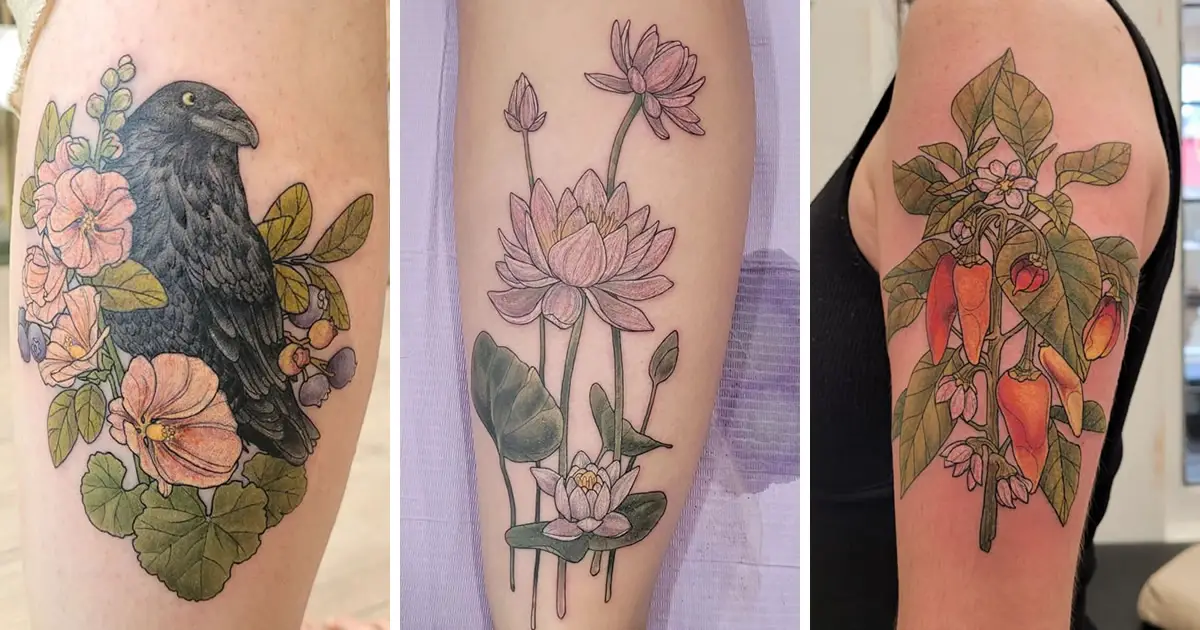
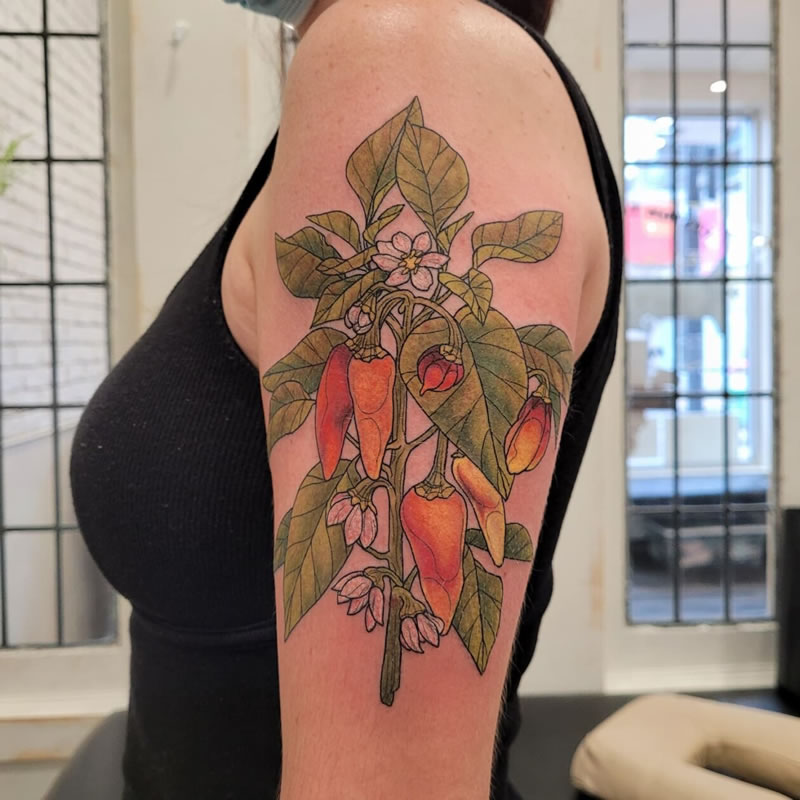
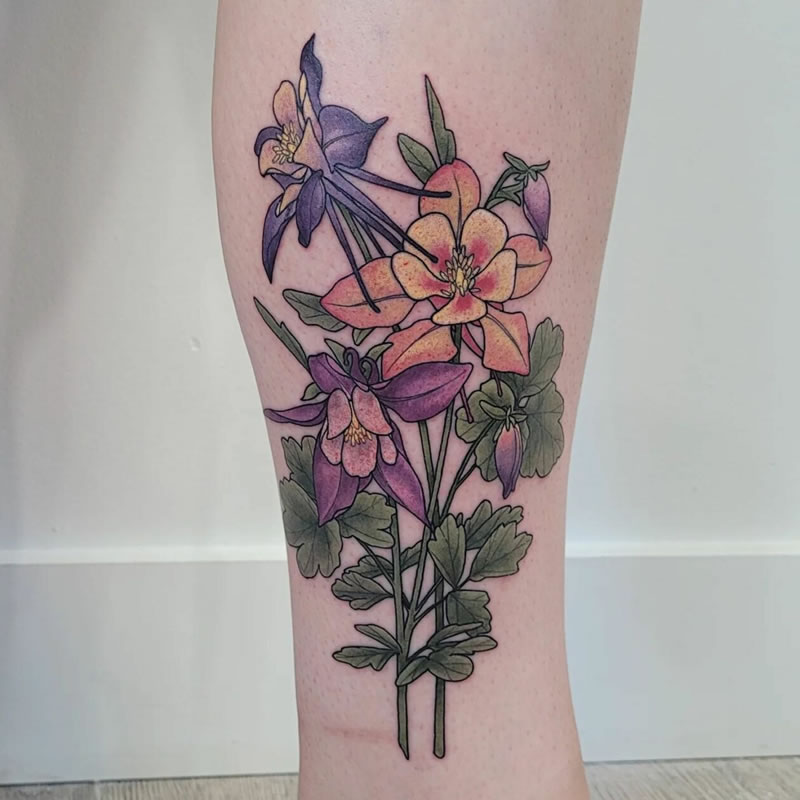
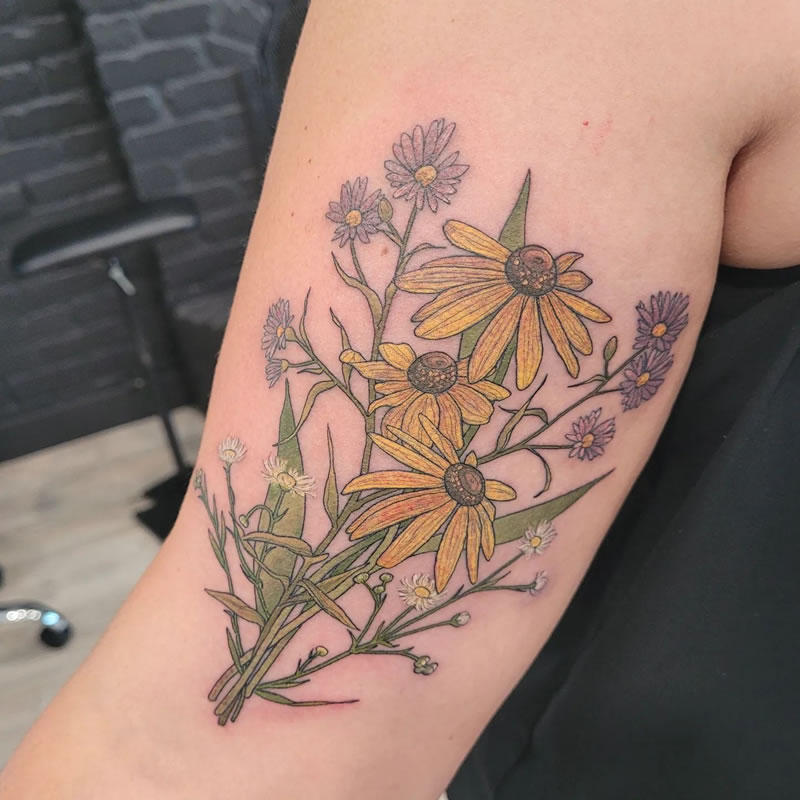
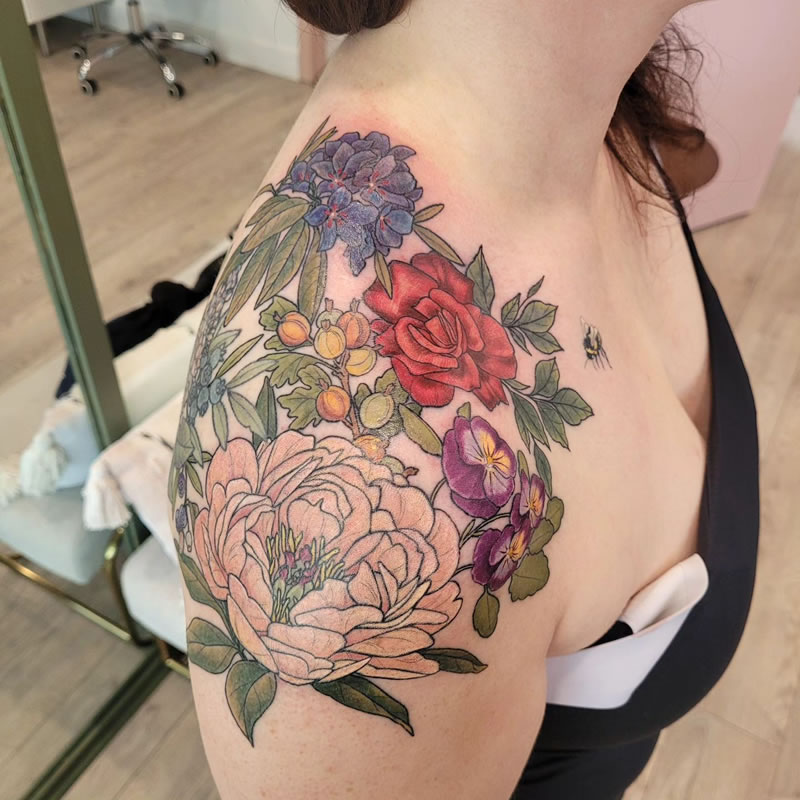
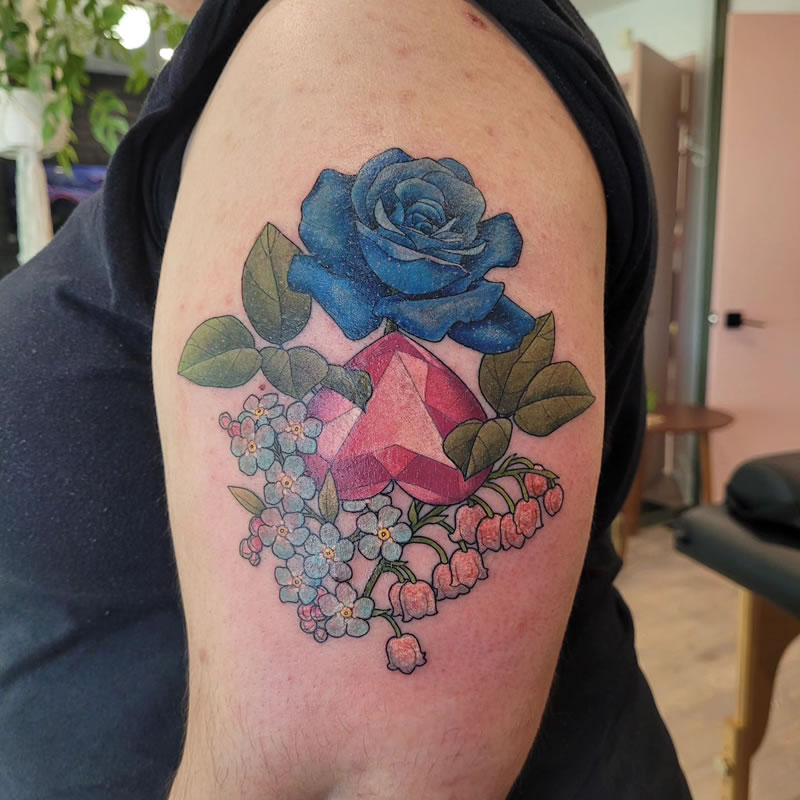
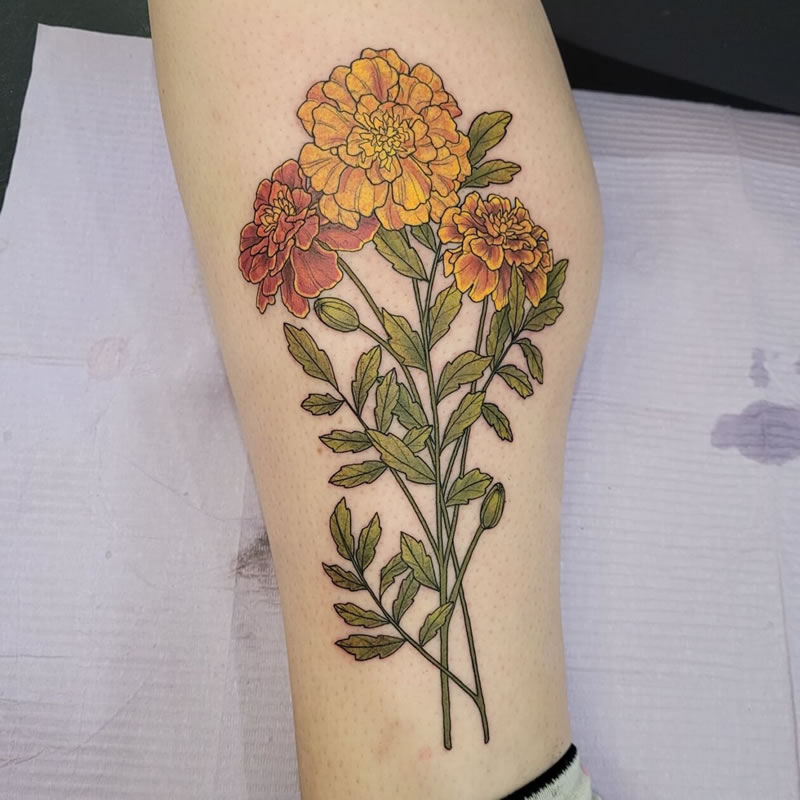
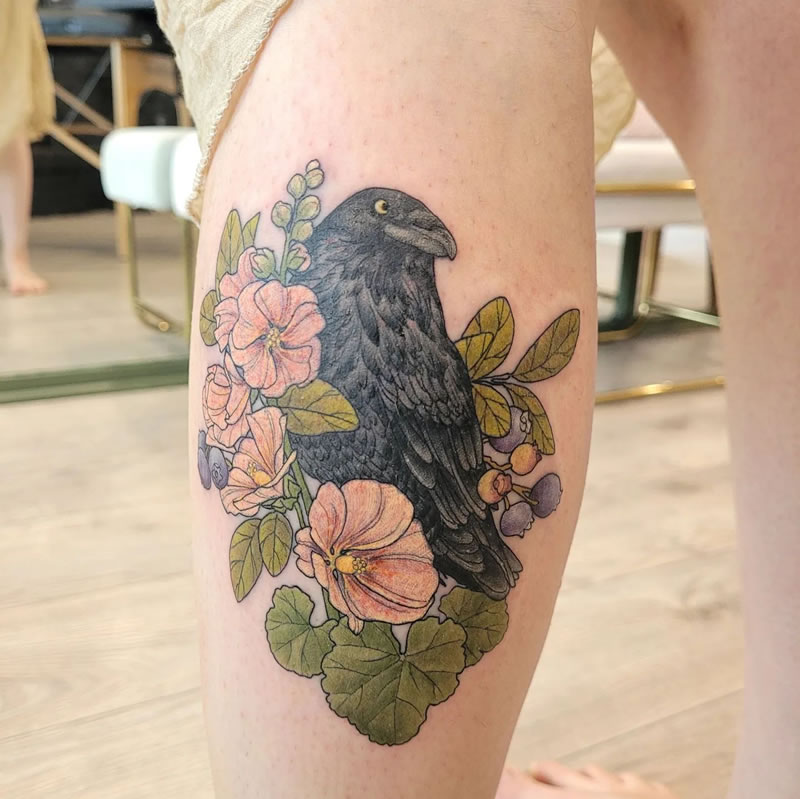
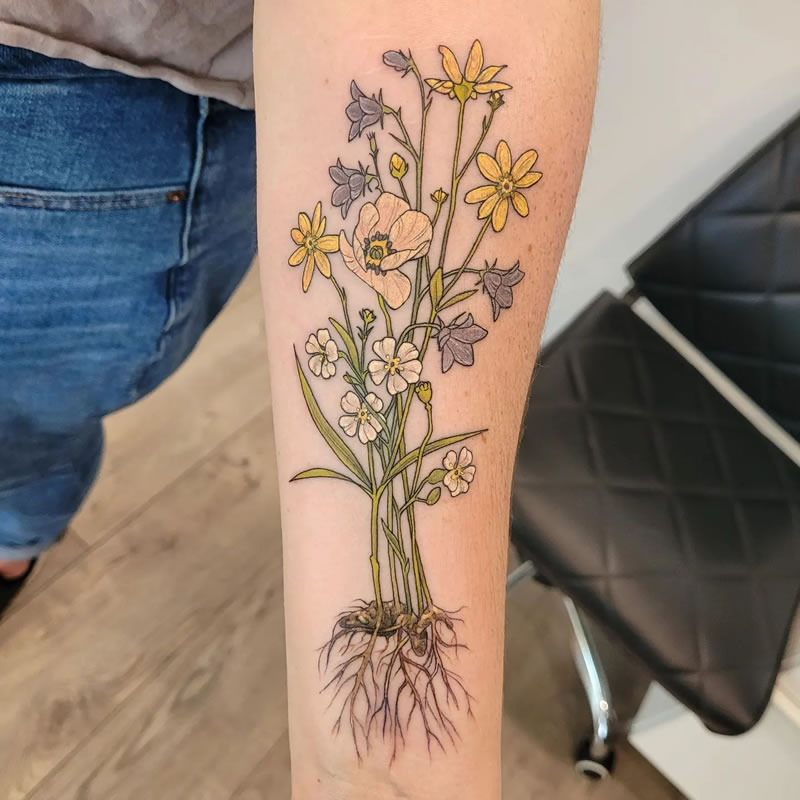
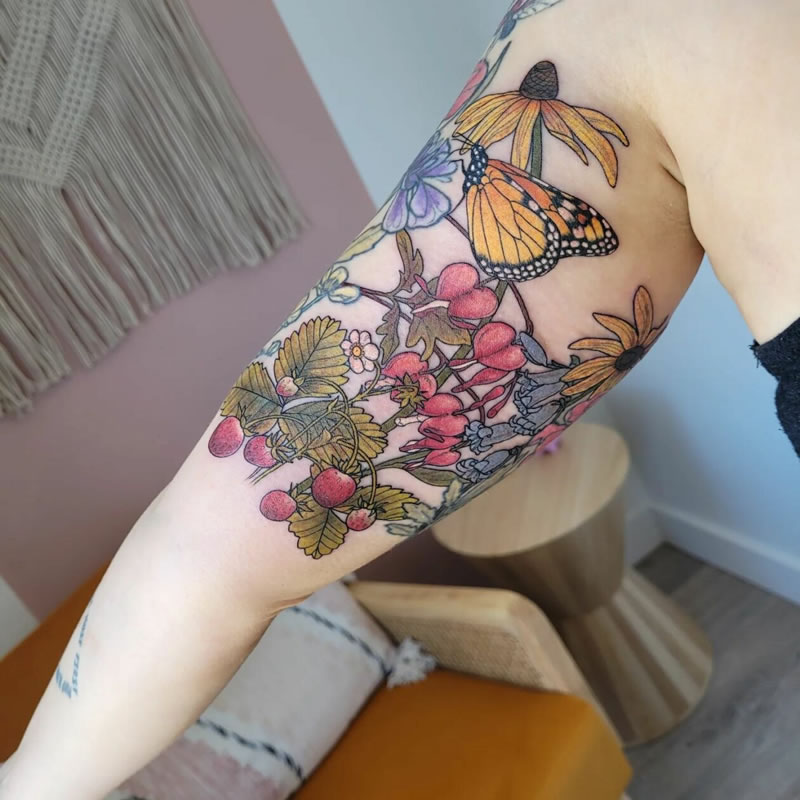
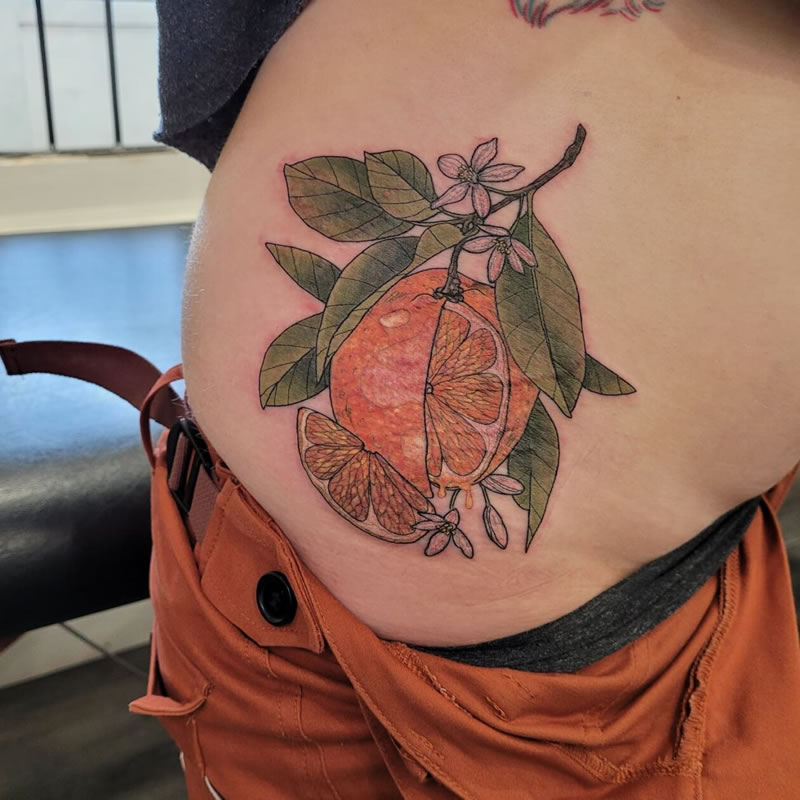
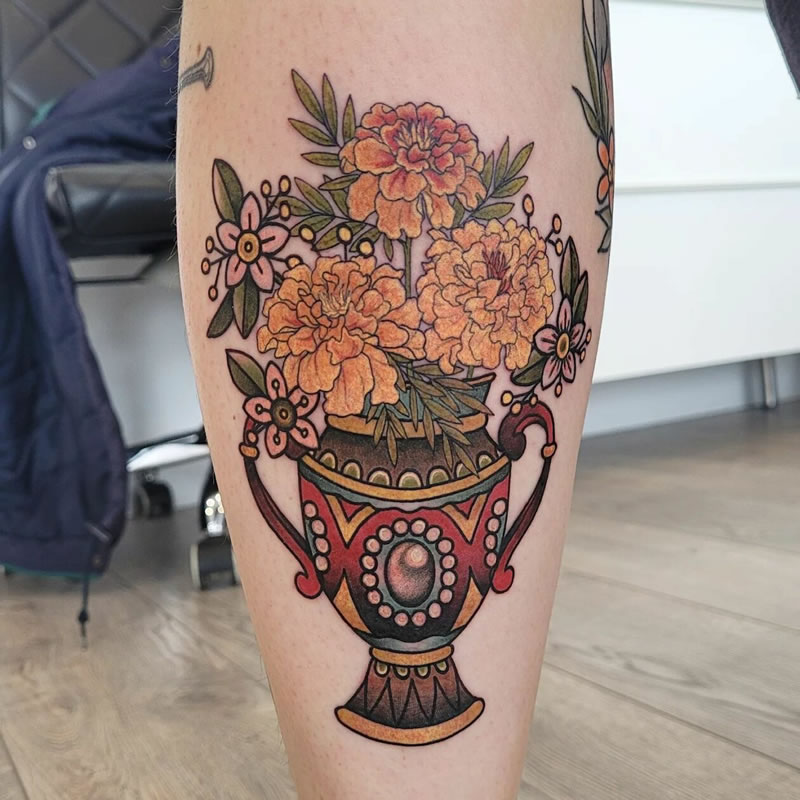
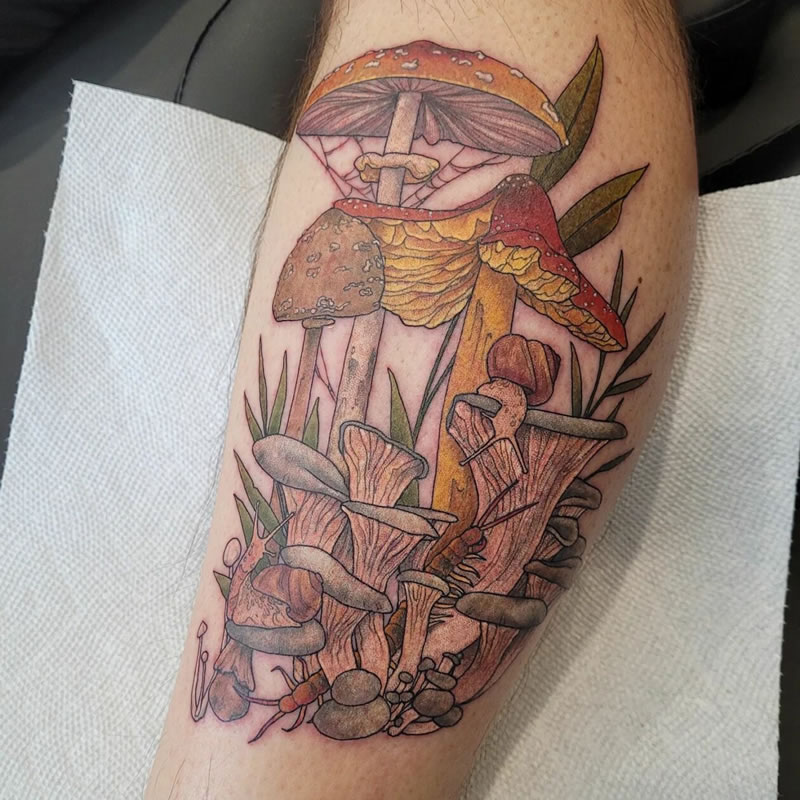
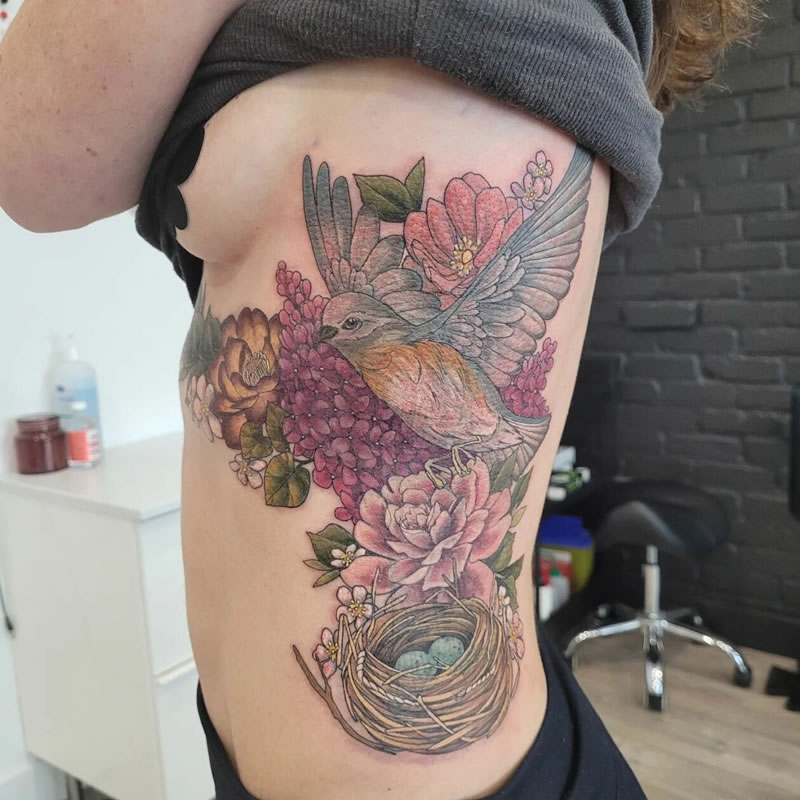
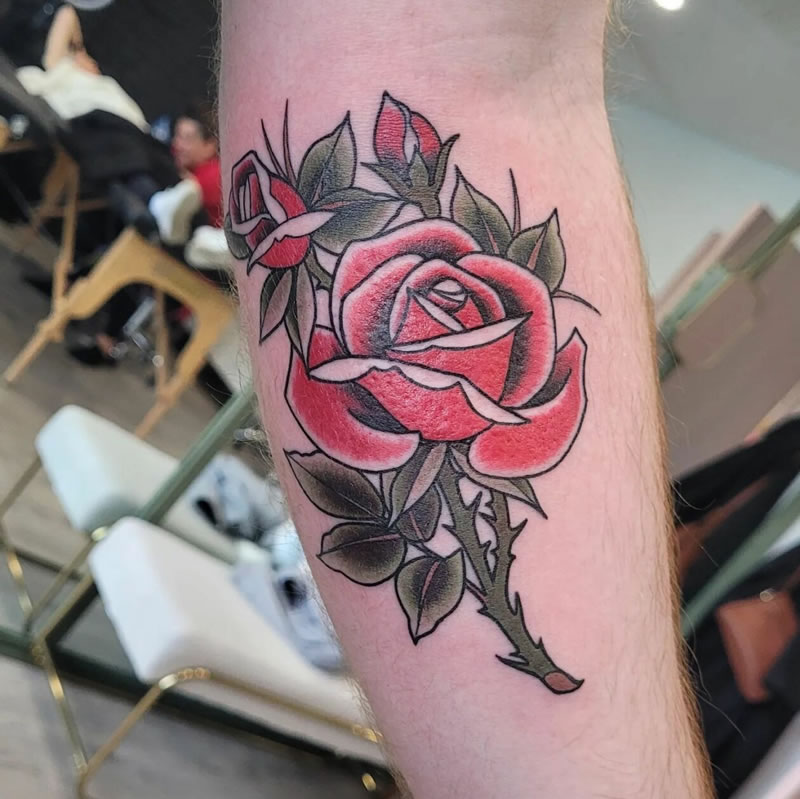
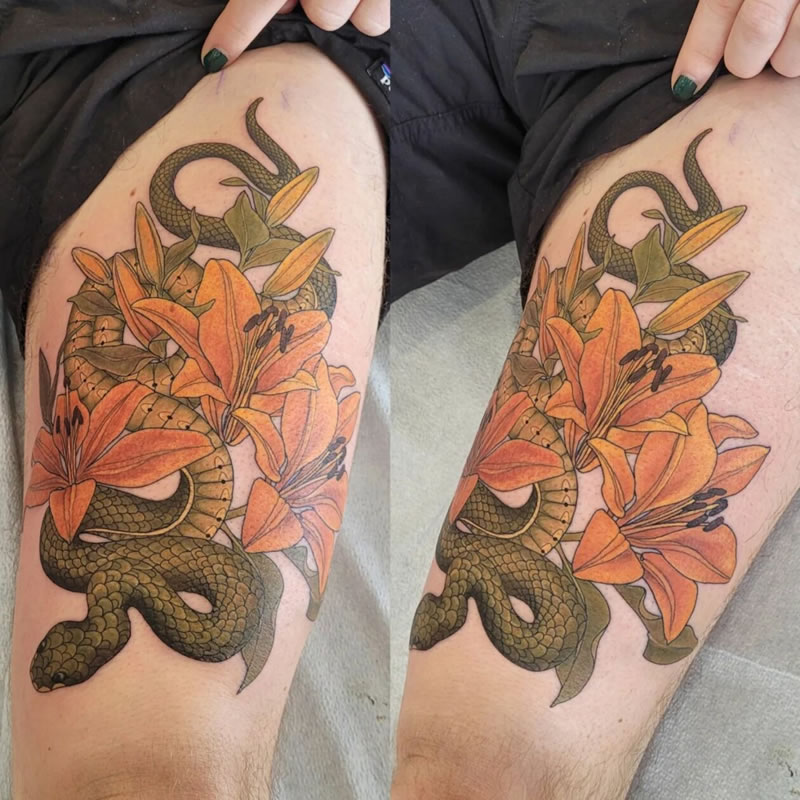
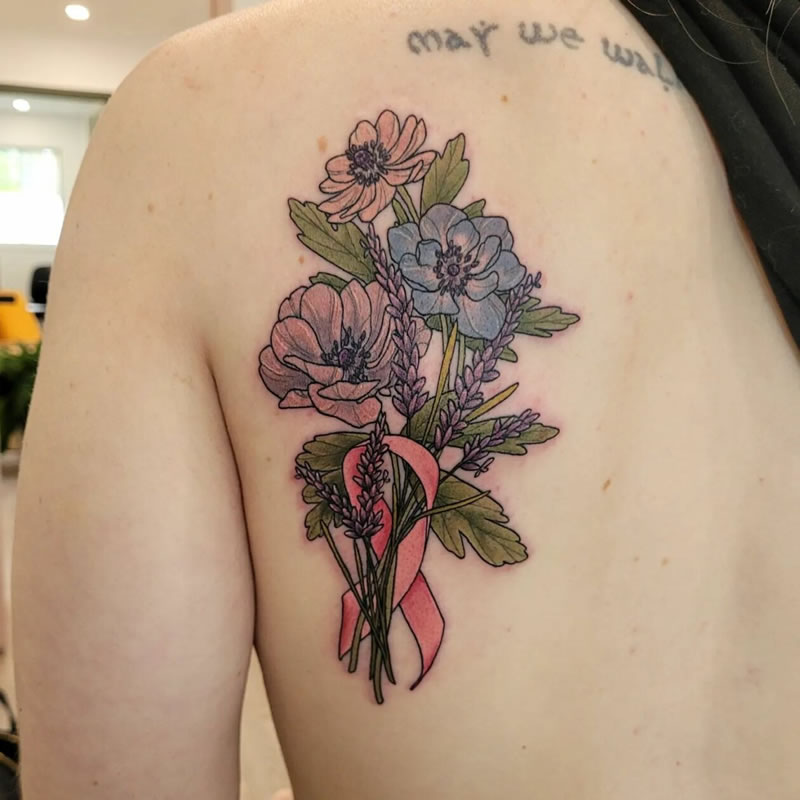
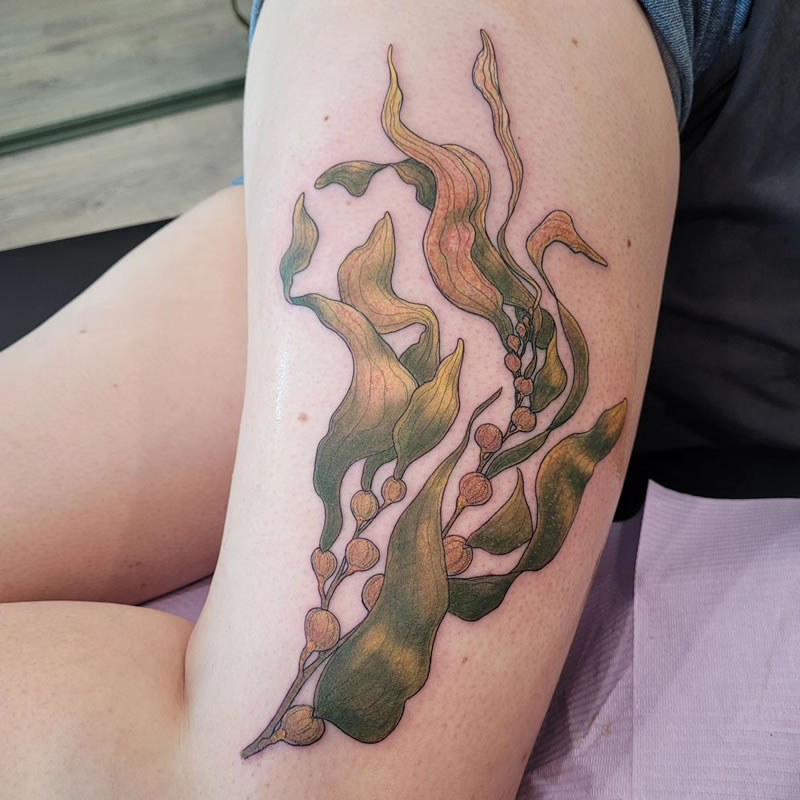
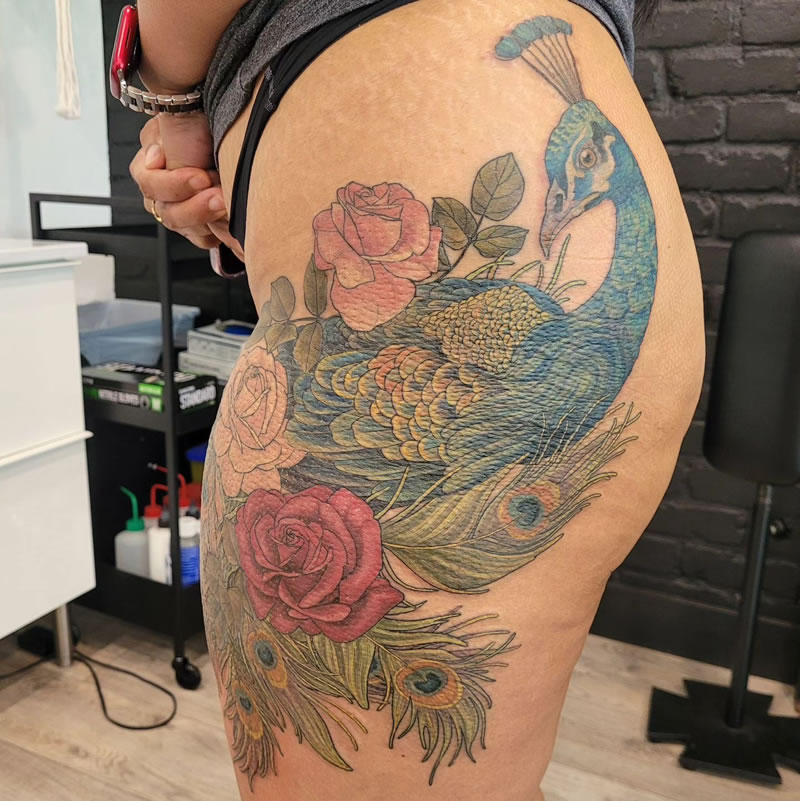
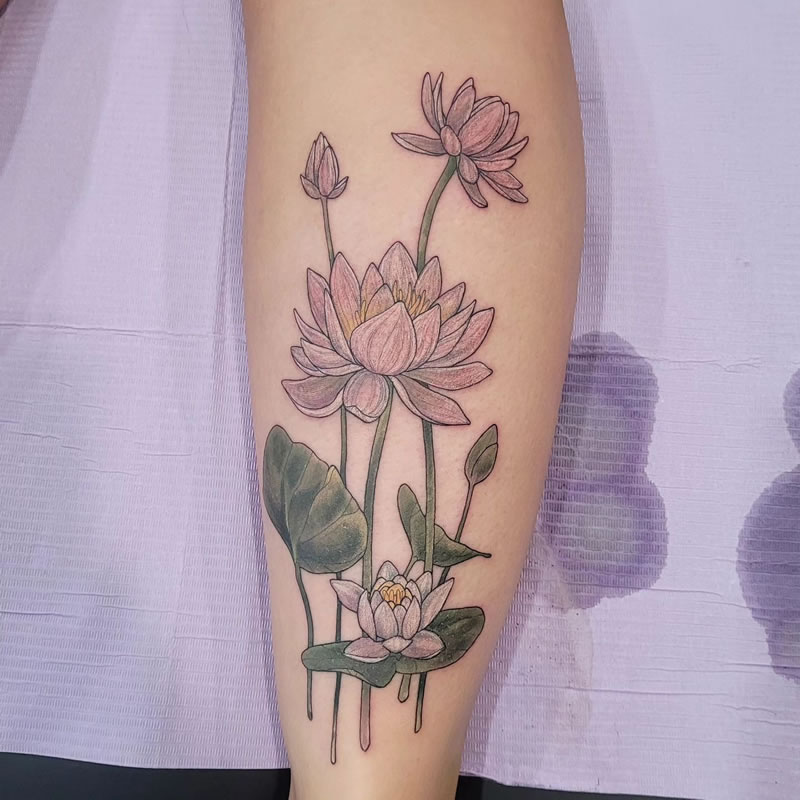
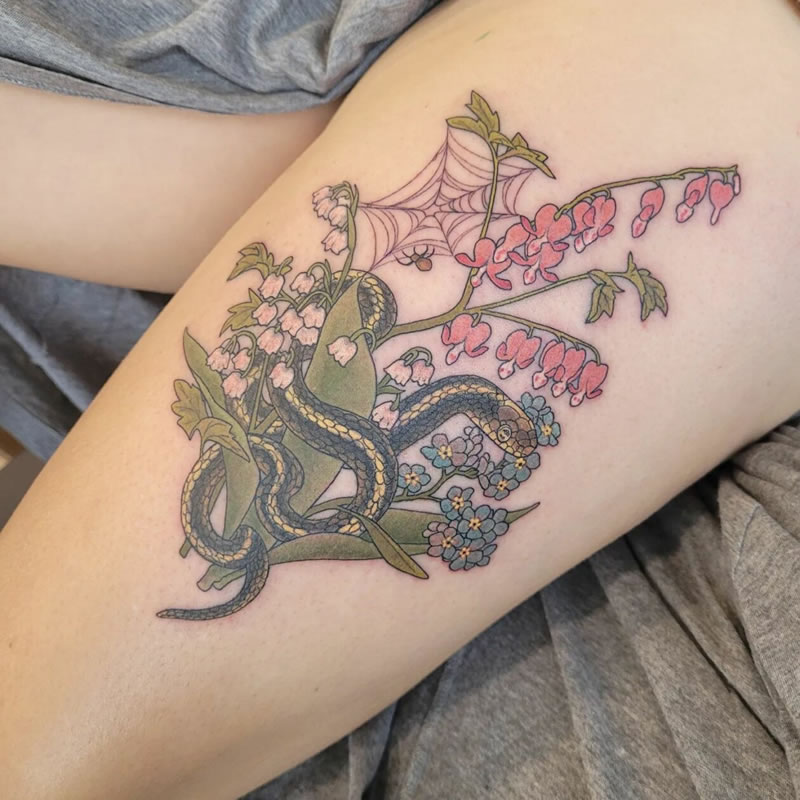
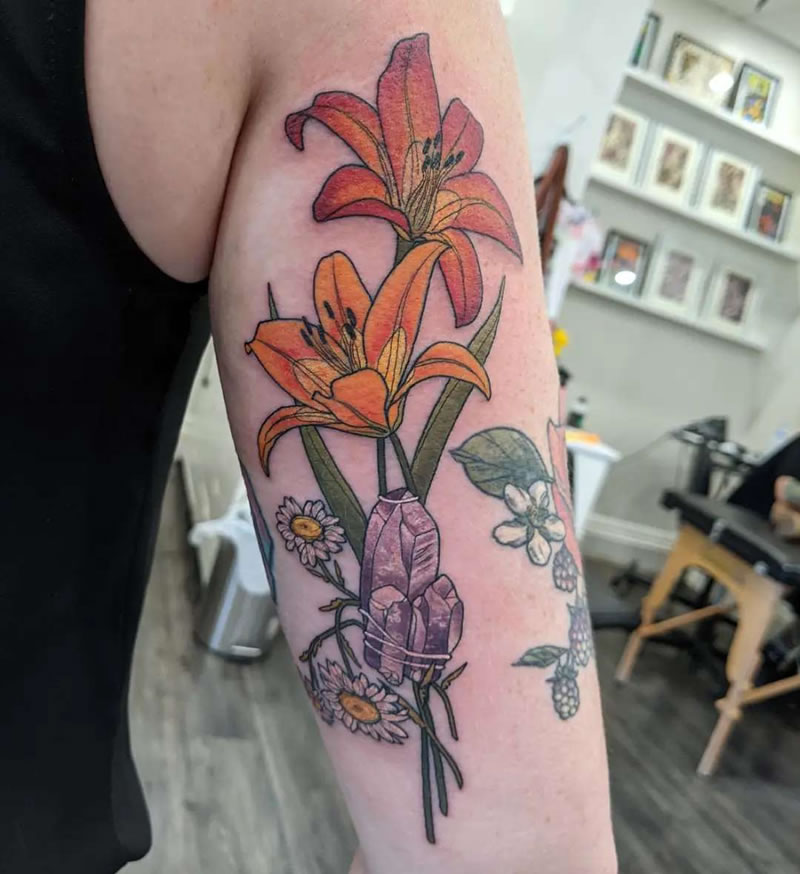
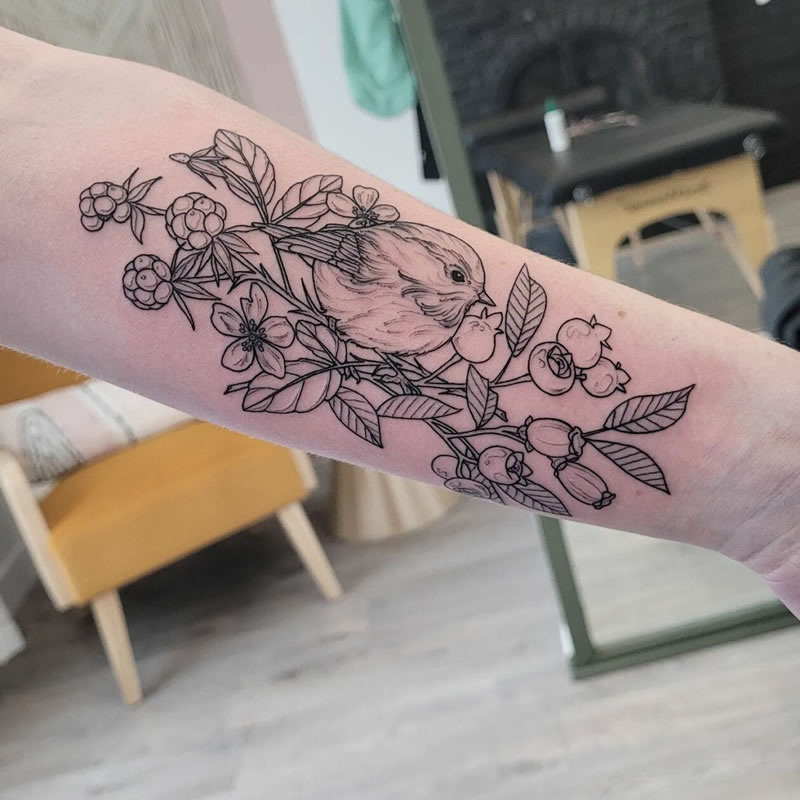
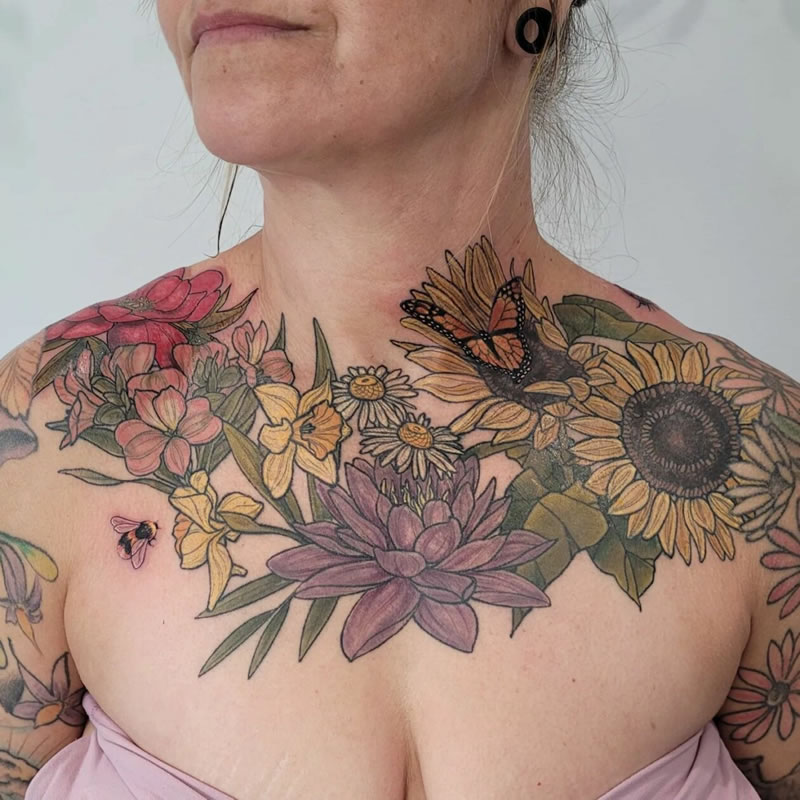
Renowned Canadian tattoo artist Jamie, known as Jay, transforms human skin into captivating canvases adorned with breathtaking illustrative flora and fauna tattoos. With a mastery of vibrant hues, Jay specializes in intricate full-color designs inspired by vintage botanical illustrations.
Her artistic expertise is evident in the seamless fusion of natural elements, where vivid flowers and fauna come to life. While her signature style mirrors the elegance of classic botanical drawings, Jay’s unique touch lies in her use of muted, natural tones, adding a timeless allure to her creations.
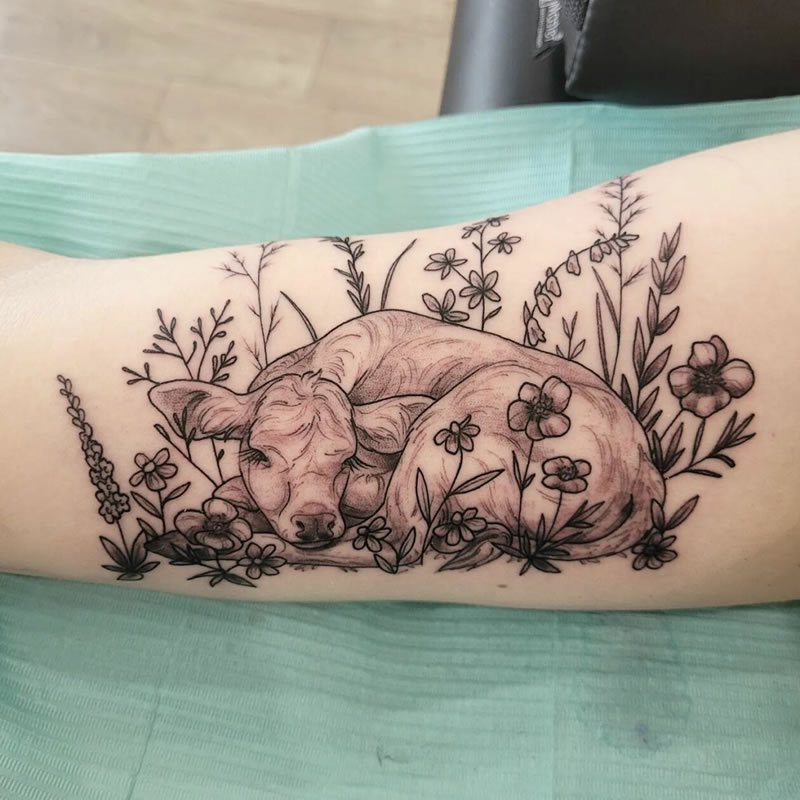
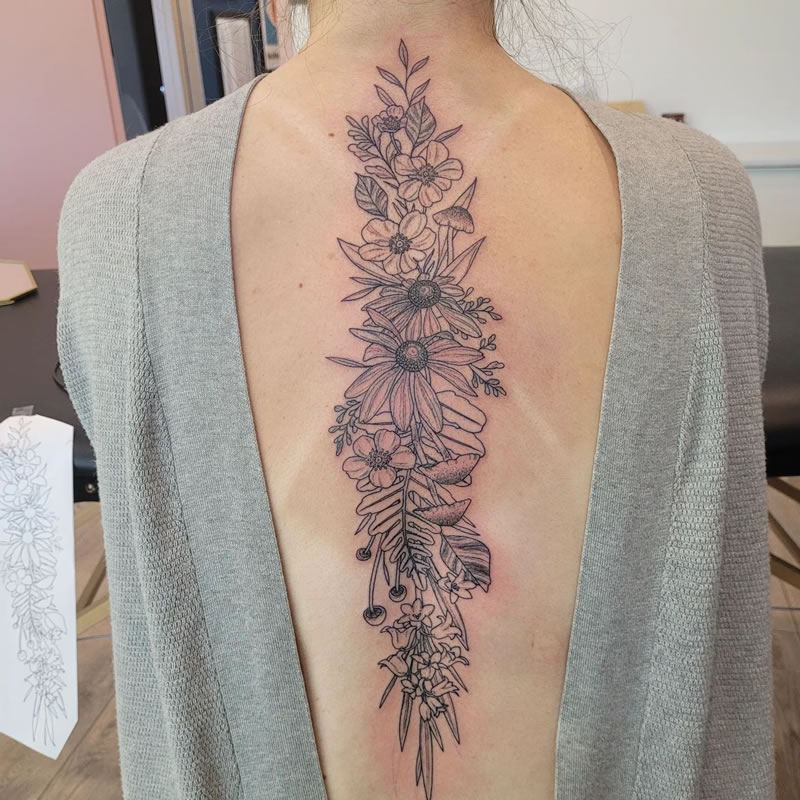
Occasionally, she also embraces the subtlety of soft greyscale work, showcasing her versatility and dedication to diverse tattoo artistry. Each piece Jay crafts is a testament to her skill, capturing the essence of the natural world with unmatched finesse.
Scroll down and inspire yourself. Please check Jay’s Instagram link for more amazing work.
You can find Jamie on the web:
#1
#2
#3
Flora and fauna tattoos seamlessly blend the elegance of nature’s botanical wonders with the grace of its diverse animal kingdom, creating intricate and captivating body art. From the delicate petals of blooming flowers to the majestic profiles of wild animals, these tattoos celebrate the harmonious coexistence of plant life and creatures in our world.
#4
#5
In these designs, vibrant and realistic botanical elements intertwine with lifelike depictions of animals, showcasing the delicate balance and interconnectedness of Earth’s ecosystems. Whether it’s a vivid butterfly perched on a vibrant blossom or a powerful wolf framed by lush leaves, flora and fauna tattoos not only capture the beauty of nature but also symbolize themes of growth, transformation, and the inherent bond between all living beings.
Each tattoo tells a unique story, honoring the awe-inspiring wonders of the natural world through intricate, artistic expressions on the canvas of the human body.
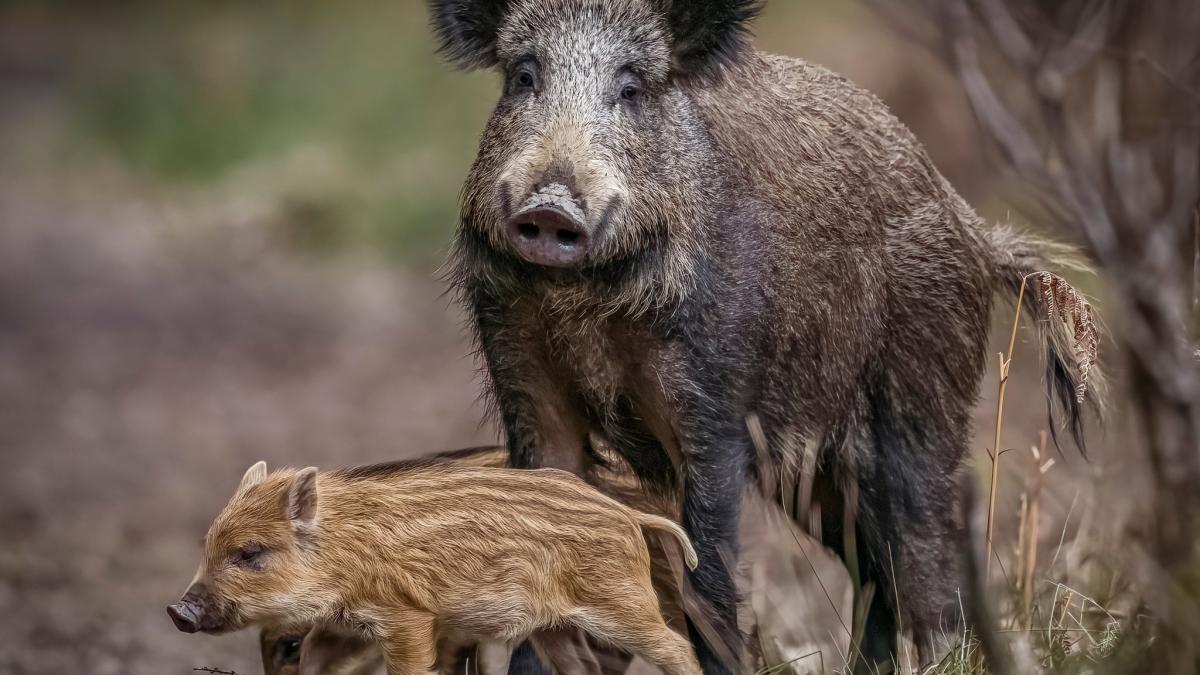
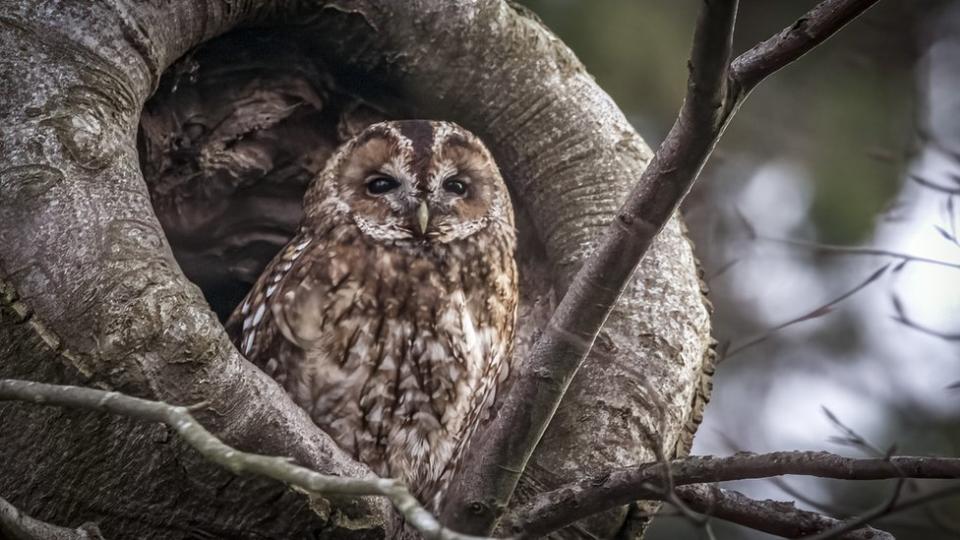
An NHS worker whose photos of an elusive boar won a place in the BBC Countryfile calendar, says being in nature is her “stress reliever”.
Carol Gadd works from her home in the Cotswolds and says she took up photography as an antidote to her busy life.
Her image Boar To Be Wild, of a boar with her piglets in the Forest of Dean, will feature in the 2024 calendar.
She said being in nature and “capturing special moments” is “important” to her.
Ms Gadd spends her early mornings before work photographing wildlife
“It’s a real stress reliever but it’s much more than that,” she said.
“It’s completely taken over and being out in nature is really important to me.
Ms Gadd has photographed hundreds of animals and insects
“When you take a photograph of wildlife that’s something you can study after the event.
“You can look an animal directly in the eye and see their details. I love watching their behaviours.”
Ms Gadd spent several years trying to photograph the wild boar as she photographed animals and birds
She has spent many years recording and watching wildlife in nature and has become extremely passionate about her hobby.
She said she took her winning photograph in March, after searching the Forest of Dean for the secretive and elusive boar that live there for “several years”.
Ms Gadd said she is extremely passionate about being in nature
“It was an amazing experience to find them, but you have to be careful around them,” she said.
“It was a mix of trepidation and excitement. We found two females protecting two litters.
Ms Gadd also uses her favourite photos she has taken every year to make her own wildlife calender
“[In the photo] It looks like she’s smiling but she wasn’t happy and made steps towards us. We lowered the cameras and backed off,” she added.
Ms Gadd said she was watching the Countryfile show on TV as the presenters announced the competition and “almost fell off her chair” when they said she had won.
Ms Gadd said she was not expecting to be chosen as a winner
“I really wasn’t expecting to get anywhere,” she added.
Follow BBC West on Facebook, X and Instagram. Send your story ideas to: [email protected]
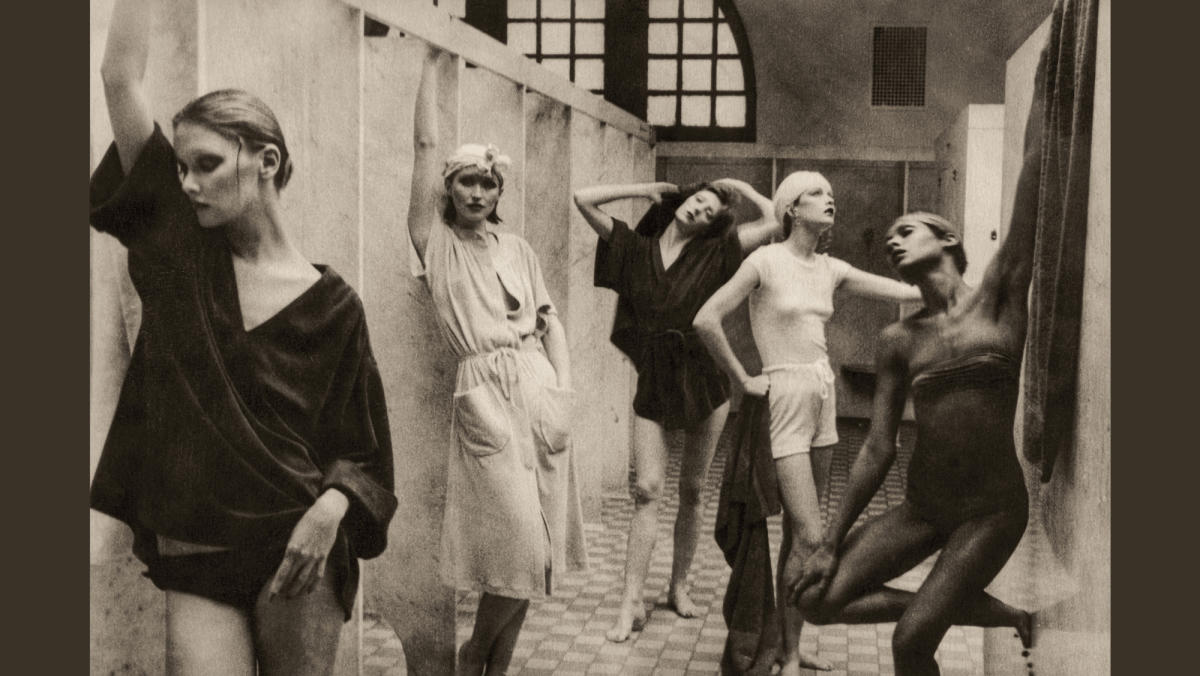
American photographer Deborah Turbeville’s work has intrigued and captivated audiences for decades. Her brooding, almost surreal fashion photography landed her a job at Harper Bazaar in the 1970s and has since been celebrated for her evocative, dreamlike imagery. Five decades later, and commemorating the tenth anniversary of her death, her latest book Deborah Turbeville: Photocollage shines a spotlight on the area of work that makes her an iconic artistic powerhouse – her photo collages.
Unlike her contemporaries in fashion photography, Turbeville approached her craft with a deliberate sense of playfulness. She used techniques such as xeroxing, cutting, scraping, pinning prints together, and even writing in the margins to create narrative sequences that transcend the confines of single, glossy images. Her work occupies a liminal space between art and commerce, challenging traditional notions of fashion photography.
• Check out the 50 best photographers ever including icons such as Henri Cartier Bresson, Diane Arbus and Helmut Newton.
This collection of 180 images is the result of extensive research from the Deborah Turbeville archive. The carefully curated publication showcases a diverse range of commercial and personal projects, with many previously unpublished images. It features insightful texts contributed by Vince Aletti, Anna Tellgren, and Felix Hoffmann, offering readers a deeper understanding of how Turbeville redefined fashion photography on her own terms. Her work, in contrast to the stereotypes assigned by male photographers, presents a more nuanced and authentic portrayal of femininity rather than the highly sexualized images we are so used to seeing.
Born in Boston, Massachusetts in 1934, Deborah Turbeville sadly passed away in 2013 leaving an indelible mark on the world of fashion photography. Her work graced the pages of renowned publications such as Vogue, Harper’s Bazaar, Nova, and The New York Times.
Nathalie Herschdorfer, Director of Photo Elysee-Museum of Photography in Lausanne, Switzerland, has played a crucial role in the creation of this remarkable book. Known for her books Coming into Fashion, Afterwards: Contemporary Photography Confronting the Past, and Body: The Photography Book, Herschdorfer’s insightful introduction delves into the professional and personal life of Turbeville, highlighting her successes and celebrating her contribution to photography.
Deborah Turbeville: Photocollage is an essential book for any coffee table with modern relevance to those with a passion for fashion photography and the female gaze. It invites readers to explore the artistic innovation and timeless allure of Turbeville’s work, cementing her place as a visionary photographer who transcended boundaries and challenged conventions. As we embrace her legacy, we can appreciate her enduring influence on the art of photography and the ever-evolving landscape of fashion. Copies will be available from published Thames & Hudson from October 12 in the UK, and in November in the US, for £55/$75/AU$110.
Check out the best film cameras – retro classics that have been a mainstay in the analog world
As we enter Autumn across the northern half of the planet, gardeners are weighing up whether the lawn could use one more trim before winter. The patch of grass in the garden has tried to be wild all summer, but has been kept in check by the mechanical grazer. But what’s wrong with some long grass? Why do we care about the maintenance of our lawns so much?
The trend was started by rich aristocrats in eighteenth century England and France, who used a tamed lawn to indicate how wealthy they were. (Back then it had to be clipped by hand, making it a very expensive enterprise.)1 This association with wealth has been passed down to the modern day. Like a gold watch and a fancy car, a well-kept lawn serves as a status symbol to your neighbors.
As this painting by James Mason shows, a well-maintained and manicured lawn has been a status symbol in certain aristocratic societies in Europe and the Americas.
But why did the rich aristocrats do it in the first place? Why were they proud that they could conquer nature? And why are we embarrassed to let our gardens become overgrown and unruly? Even with the modern move towards “rewilding” our gardens, we still feel the need to tell our friends that we’re planting native plants, or feeding pollinators, so the “wild” garden still has use and value. We’re still in charge, even when we magnanimously relinquish some part of our control.
The urge to bring order to nature is deeper than a transient social pressure. Instead, it’s a set of behaviors with deep evolutionary roots: a way of life that’s been selected for in our evolution over the course of thousands — or even millions — of years.
Our story starts somewhere in Sub-Saharan Africa between 2 and 3 million years ago. One evolutionary scenario suggests the emergence of the genus Homo was dependent on the increased foraging benefits created by fires.2 According to the “pyrophilic primate” hypothesis proposed by a team of anthropologists at the University of Utah, our very ancient ancestors may have intentionally begun moving burning or smoldering wood from naturally occurring fires to unburnt areas in order to increase the amount of foraging area they had access to after a fire.2 In doing so, our distant ancestors may have forever modified the ecosystem in East Africa, benefitting some species at the loss of others. Our existence today would imply this strategy of landscape manipulation was a winning one for early members of our genus. The populations who regularly exerted some change on the landscape through burning regimes possessed a key advantage over those who didn’t. Over time, it seems likely that any genes involved in the behavior linked to starting fires in the landscape would be selected for.
Potential evidence for larger landscape scale fire management dates back to 100,000 to 200,000 years ago,3 with one study finding evidence from 400,000 years ago.4 These dates correlate with the accepted date for our own species’ appearance on the scene roughly 2-300,000 years ago.5 Perhaps this distinct behavior is a key characteristic that led to our emergence as a unique species, and could even explain why humans were able to reach much higher densities in ecosystems that could not sustain similar levels of less-meddling Neanderthals.6
Wolves and Aurochs once roamed much of Eurasia. Now, their domesticated relatives (dogs and cows) are commonplace parts of human-constructed urban and agricultural environments. Photo by krebsmaus07, CC BY 2.0, via Wikimedia Commons
We know that behavioral traits are something that can be selected for in a short period of time. Take, for instance, our domestic animals. Dogs are our oldest companions, but it’s probably safe to assume that 20,000 years ago their ancestors were no different from modern wolves in their behavior. Over that time period they have lost fear of being near humans, evolved stricter social hierarchies,7 and even learned how to read our emotions.8 Likewise, our modern friendly, peaceful cows are descended from the fierce aurochs, beasts that Julius Caesar warned “spare neither man nor wild beast which they have espied.”9 Selection by humans has led to complete changes in behavior which are seemingly intrinsic to modern domestic animals.
Seeing as humans can cause these behavioral shifts so easily in other mammals, why not in ourselves? In fact, there is evidence that our species has gone through exactly this shift in a process known as self-domestication.10 We are less aggressive and more cooperative than our ancestors,11 and since our split from the lineage containing Neanderthals, hundreds of genes shown to be involved in facial and cranial development have accumulated regulatory mutations.10 Many of these same genes have also been under selection in our domestic animals.10
So if we have evidence that some behavioral traits in humans have been selected for in our unique evolution, I suggest we add one in particular to the potential list. That behavior is the intrinsic need to exert some level of control over our environments. Whether it was our original homeland in East Africa, the forests of North America, the jungles of the Amazon or the savannahs of Australia, wherever humans arrived, those groups of people who actively modified their ecosystems were at an advantage to those who didn’t. From eradicating the predators that might kill our children, to burning scrub to force grass to grow and attract prey, to nurturing and planting fruit trees, those peoples that affected change on their landscape were safer and had more calories, and so would have passed on their genes more often. In the same way that a golden retriever has the urge to swim and bring things back to their owner, modern humans may have been bred to want to manage wild places.
Animals modifying their immediate environment for their own benefit is not a novel idea. Known as niche construction,12 it can be seen in behaviors such as termites building mounds and birds making nests. But the difference between humans and these other species is that we are completely plastic in how we create niches for ourselves. Rather than our niche construction behavior being specific like a beaver making a dam, instead in humans it is simply an innate desire to “improve” the world around us in any way we can to ensure the survival of ourselves and our descendants. Homo sapiens is an obligate ecosystem architect, and in any ecosystem this behavior will inevitably lead to an environment specific strategy that ensures a population’s survival.
Just as termites and birds build structures like mounds and nests as an evolutionary behaviors, our own species’ tendency to build and modify the environments around us may be a deep-seated one. L:Termite mound Treysam, CC BY-SA 4.0, via Wikimedia Commons. C: A Black-headed weaver building his nest. Photo by Charles J. Sharp , CC BY-SA 4.0, via Wikimedia Commons. R: Yerba Buena Shoal Fill. Public Domain.
The evidence can be seen in the myriad of ways humans have adapted to environments around the world. Despite the popular view of non-Western tribal people living in harmony with nature before the arrival of modern farming, we now know that people living in every corner of the planet were modifying the landscape to fit their needs long before Europeans expanded their culture around the globe. When the British first landed on Australia’s east coast, they were amazed to find a verdant grassland perfect for rearing sheep.13 It turns out that it was a completely man-made landscape, created by Aboriginal Australians regularly burning the landscape in a controlled manner to increase kangaroo numbers, with the method even being dubbed “fire-stick farming.”13 Likewise the rich open forest landscape teeming with wild game, fruits, and meadows that greeted early American colonists was in fact created by Native Americans’ agricultural clearing and burning.14 Even evidence from the Amazon rainforest suggests that instead of being a pristine untouched wilderness, large swaths are instead overgrown orchards.15 For millennia before Old World diseases and harsh colonial policies wiped most of them out, indigenous groups managed forests to promote useful trees over other wild trees,15 and improved the fertility of soil with charcoal and organic matter.16
The advent of farming in the Middle East 10,000 years ago, often thought of as a pivotal change in how humans interacted with and shaped their environments, could instead be a continuation of an ancient pattern of behavior stretching back 300,000 years or more. The common image of this change depicts passive hunter gatherers following herds of animals around the grasslands of the Levant, when suddenly someone had a eureka moment and decided that instead of being helpless subjects of their environments, they would take control and grow the food they need from the seeds of grasses (i.e., grains). In reality the grassland they lived in probably existed in part due to their intentional burning, and genetic evidence suggests that humans started influencing the evolution of wheat and barley 30,000 and 20,000 years ago respectively,17 predating the agricultural revolution by 10-20,000 years. So rather than farming being a complete change in how humans behave, instead it could be viewed simply as an intensification of one of our natural behaviors.
The transition from wild grasses (R) to cultivated wheat and barley (L) began thousands of years before the traditionally marked start of the agricultural revolution. Photo by/Copyright of Richard Humphrey licensed for reuse under the Creative Commons Licence 2.0.
Jump forward now to the modern day. We are all too familiar with the ongoing crises affecting biodiversity and the climate. However, by simply blaming corporations, capitalism, and the worst excesses of the modern economy, we are giving ourselves scapegoats instead of addressing the deeper roots of why we keep damaging the planet. This harm is not the consequence of a particular culture or form of social organization; instead, it is a manifestation of behavior rooted in the deepest level of what makes us human. We need to accept that it is in our nature to want to control nature, and in doing so we can begin to recognize where this behavior is no longer in our best interest, but also direct it to where it’s needed. Every year our knowledge of how ecosystems function deepens — and our technical capacity to reshape ecosystems grows.
Human ecosystem management has already kept a number of species from going extinct. For example, a large proportion of Europe’s bird species are considered farmland birds,18 meaning they are evolved for open grassland or forest edge environments (i.e., savannah). In the past interglacial period, this habitat was created by Europe’s elephants, rhinos and other large herbivores which are now extinct,19 most likely due to human action.20 Yet these open landscape species survive. In a perhaps ironic twist, these birds are now largely reliant on ecosystem-meddling Homo sapiens for their existence, dwelling in habitat that is largely created by traditional human farming activities, which prevent closed canopy forest from taking over. In the absence of megaherbivores like elephants being reintroduced any time soon, we need to recognize our function as keystone species in these environments.
European farmland birds like the Grey Partridge (Perdix Perdix) rely now on human-controlled landscapes to serve as their habitats. Photo by Kostikidis Georgios, CC BY-SA 4.0, via Wikimedia Commons
Of course, direct human intervention is not always required to ensure the thriving of a species. Instead, sometimes the best thing is not to interfere but instead intentionally step back and let nature figure it out. In the 01960s, when the deadly rinderpest virus was finally eradicated from cattle in East Africa, the numbers of wildebeest in the Serengeti started to increase dramatically. There were calls by wildlife experts to start culling and managing the herd, but they were ignored by the park ecologists who figured nature knew best.21 Once the herd reached around 1.3 million animals it stabilized and changed the landscape in a way that benefitted many more animals. Increased grazing led to fire suppression which meant more trees grew, providing more food for elephants, whose numbers then increased. The difference between the savannahs of Africa and the grasslands of Europe may lie in their ecological history: the Serengeti retained its full suite of megafauna and other species, so was able to fully recover on its own, whereas Europe has lost most of its large animals — leaving humans as both culprit and last line of defense for ecological degradation.
The continued presence of megafauna like wildebeest in the Serengeti in East Africa has allowed that ecosystem to maintain itself with less direct human involvement. Photo by Daniel Rosengren, CC BY 4.0, via Wikimedia Commons.
So through our actions we have reached our present predicament, where we can see that we are needed to help certain ecosystems, and yet some are better off without us. Our deeply ingrained unease at leaving nature unmanaged means that as long as we are around we will want to interfere with our environment. But just as we’re learning to overcome other ingrained behaviors like wanting to overindulge in sugary foods, we can also learn to tame this behavior. The key will be knowing where to show restraint, and where our input has value. The megafaunal extinctions caused by our ancestors at the end of the Pleistocene led to a simplification of the complexity of ecosystems22 outside of Africa and South East Asia, and this simplification can make ecosystems less resilient.23 But it turns out we can actually restore ecological functions using proxies for extinct species, one example being Pablo Escobar’s escaped hippos in Colombia filling the long empty niche of the extinct llama Hemiauchenia paradoxa.24 The prospect of de-extinction further promises that we will be able to restore extinct ecological functions and even potentially prevent runaway climate change by keeping permafrost intact in Siberia using mammoth-elephant hybrids.25
But even if the prospect of de-extinction doesn’t pan out, we could begin taking the very long view and starting the evolutionary processes that will reap ecological rewards for our descendants thousands of years in the future. If we can’t bring back the woolly mammoth, then instead we could introduce Asian elephants to parts of temperate Eurasia or North America which are warm enough for them to survive and thrive, but also have access to colder environments. Over time as some adventurous herds head further north following summer growth, natural selection will take the lead, and hairy elephants will start to reappear in the Arctic. Like our ancient ancestors in the Levant 30,000 years ago beginning a process that would lead to the agricultural revolution 20,000 years later, we can start putting the building blocks of future ecosystems in place now so that our descendants will live on a planet with fully functioning resilient ecosystems everywhere. Our innate desire to control nature has led us to where we are today, both the good parts and the bad. Recognizing this behavior means we can show restraint in the Serengetis of the world, and direct our efforts toward rebuilding the damaged parts.
References
1. Jenkins, V. (1994). The lawn: A history of an American obsession. Smithsonian Institution.
2. Parker, C. H., Keefe, E. R., Herzog, N. M., O’connell, J. F., & Hawkes, K. (2016). The pyrophilic primate hypothesis. Evolutionary Anthropology: Issues, News, and Reviews, 25(2), 54-63.
3. Gowlett, J. A. (2016). The discovery of fire by humans: a long and convoluted process. Philosophical Transactions of the Royal Society B: Biological Sciences, 371(1696), 20150164.
4. Bird, M. I., & Cali, J. A. (1998). A million-year record of fire in sub-Saharan Africa. Nature, 394(6695), 767-769.
5. Vidal, C. M., Lane, C. S., Asrat, A., Barfod, D. N., Mark, D. F., Tomlinson, E. L., … & Oppenheimer, C. (2022). Age of the oldest known Homo sapiens from eastern Africa. Nature, 601(7894), 579-583.
6. Mellars, P., & French, J. C. (2011). Tenfold population increase in western europe at the neandertal–to–modern human transition. Science, 333(6042), 623-627.
7. Wynne, C. D. (2021). The indispensable dog. Frontiers in Psychology, 12, 656529.
8. Albuquerque, N., Guo, K., Wilkinson, A., Savalli, C., Otta, E., & Mills, D. (2016). Dogs recognize dog and human emotions. Biology letters, 12(1), 20150883.
9. C. Julius Caesar. Caesar’s Gallic War. Translator. W. A. McDevitte. Translator. W. S. Bohn. 1st Edition. New York. Harper & Brothers. 1869. Harper’s New Classical Library.
10. Zanella, M., Vitriolo, A., Andirko, A., Martins, P. T., Sturm, S., O’Rourke, T., … & Testa, G. (2019). Dosage analysis of the 7q11. 23 Williams region identifies BAZ1B as a major human gene patterning the modern human face and underlying self-domestication. Science advances, 5(12), eaaw7908.
11. Wrangham, R. (2019). The goodness paradox: how evolution made us both more and less violent. Profile Books.
12. Odling-Smee, F. J., Laland, K. N., & Feldman, M. W. (1996). Niche construction. The American Naturalist, 147(4), 641-648.
13. Jones, R. (2012). Fire-stick farming. Fire Ecology, 8, 3-8.
14. Denevan, W. M. (1992). The pristine myth: the landscape of the Americas in 1492. Annals of the Association of American Geographers, 82(3), 369-385.
15. Levis, C., Souza, P. F. D., Schietti, J., Emilio, T., Pinto, J. L. P. D. V., Clement, C. R., & Costa, F. R. (2012). Historical human footprint on modern tree species composition in the Purus-Madeira interfluve, central Amazonia. PloS one, 7(11), e48559.
16. Palace, M. W., McMichael, C. N. H., Braswell, B. H., Hagen, S. C., Bush, M. B., Neves, E., … & Frolking, S. (2017). Ancient Amazonian populations left lasting impacts on forest structure. Ecosphere, 8(12), e02035.
17. Allaby, R. G., Stevens, C., Lucas, L., Maeda, O., & Fuller, D. Q. (2017). Geographic mosaics and changing rates of cereal domestication. Philosophical Transactions of the Royal Society B: Biological Sciences, 372(1735), 20160429.
18. https://pecbms.info/
19. Sandom, C. J., Ejrnæs, R., Hansen, M. D., & Svenning, J. C. (2014). High herbivore density associated with vegetation diversity in interglacial ecosystems. Proceedings of the National Academy of Sciences, 111(11), 4162-4167.
20. Andermann, T., Faurby, S., Turvey, S. T., Antonelli, A., & Silvestro, D. (2020). The past and future human impact on mammalian diversity. Science advances, 6(36), eabb2313.
21. Carroll, S. B. (2016). The Serengeti rules: the quest to discover how life works and why it matters. Princeton University Press.
22. Galetti, M., Moleón, M., Jordano, P., Pires, M. M., Guimaraes Jr, P. R., Pape, T., … & Svenning, J. C. (2018). Ecological and evolutionary legacy of megafauna extinctions. Biological Reviews, 93(2), 845-862.
23. Fricke, E. C., Ordonez, A., Rogers, H. S., & Svenning, J. C. (2022). The effects of defaunation on plants’ capacity to track climate change. Science, 375(6577), 210-214.
24. Lundgren, E. J., Ramp, D., Rowan, J., Middleton, O., Schowanek, S. D., Sanisidro, O., … & Wallach, A. D. (2020). Introduced herbivores restore Late Pleistocene ecological functions. Proceedings of the National Academy of Sciences, 117(14), 7871-7878.
25. Mann, P. (2018) Can Bringing Back Mammoths Help Stop Climate Change? Smithsonian Magazine
The sensation of vertigo, or acrophobia, is a widely shared fear, yet you don’t need an extreme aversion to heights to feel uneasy when peering down from a towering structure. The sudden weakness in the knees, the unsettling urge to lose balance, and the dizzying feeling are all familiar reactions for most of us when confronted with significant heights. On the other hand, some individuals possess an unwavering composure, remaining completely unfazed by towering precipices.
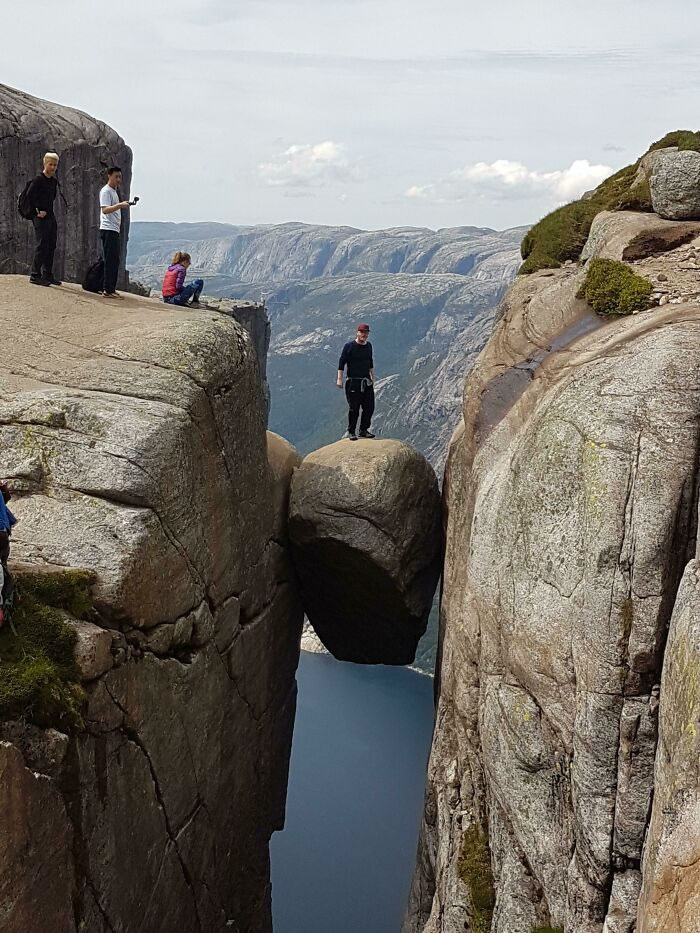
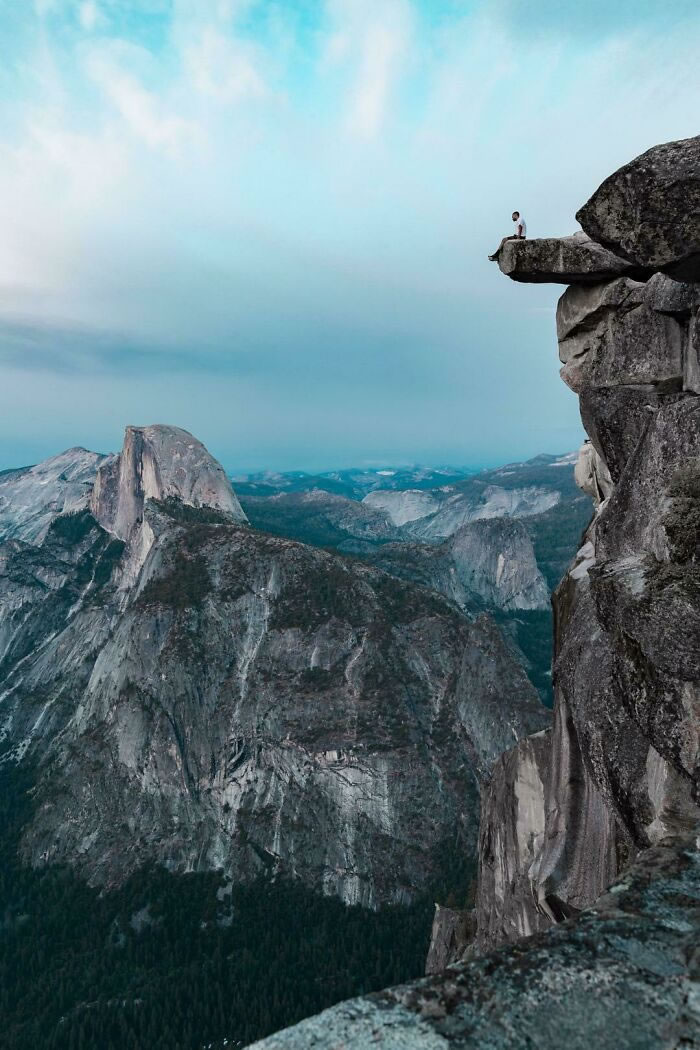
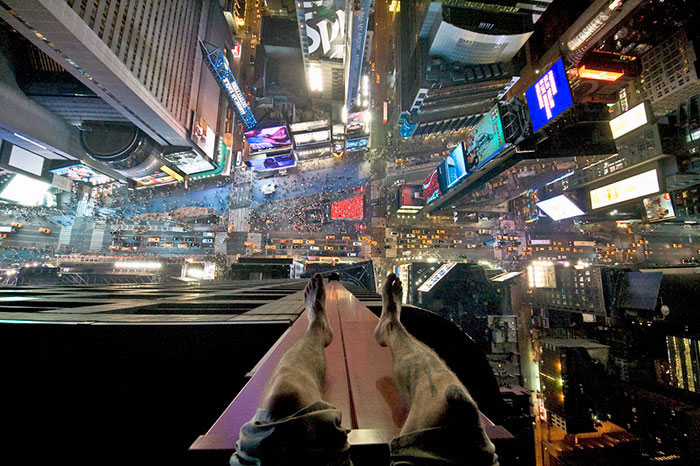
A simple way to gauge your response is to explore the images below, depicting steep hillsides, rooftop perimeters, and daring individuals ascending bridges and other towering edifices. As you scroll, you might find yourself questioning your own equilibrium, even though you are firmly planted on stable ground. These images can evoke a sense of imbalance and unease, stirring feelings that transcend acrophobia, reminding us of the profound impact heights can have on the human psyche, regardless of one’s fear level.
Scroll down and enjoy yourself. All photos are linked and lead to the sources from which they were taken. Please feel free to explore further works of these photographers on their collections or their personal sites.
#1 If My SO Suggested This Photo Idea, I’d Rather Be Single
Image source: angela_nikolau
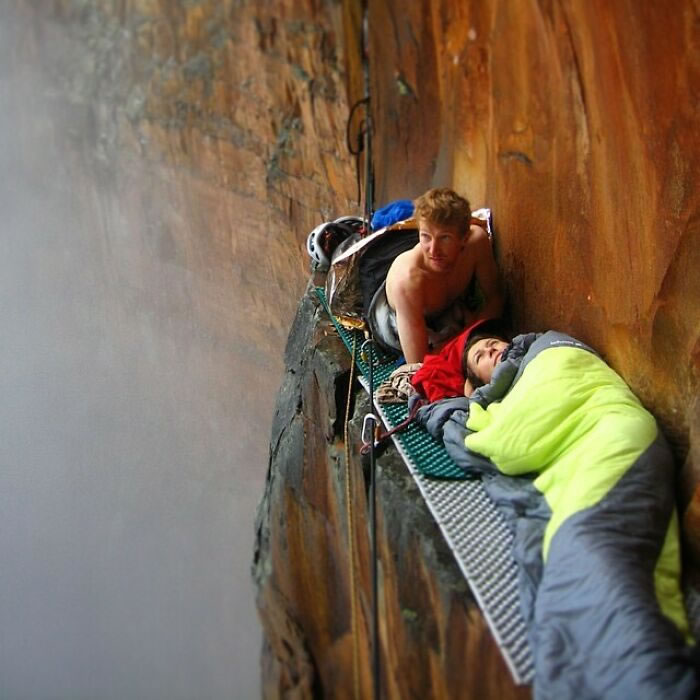
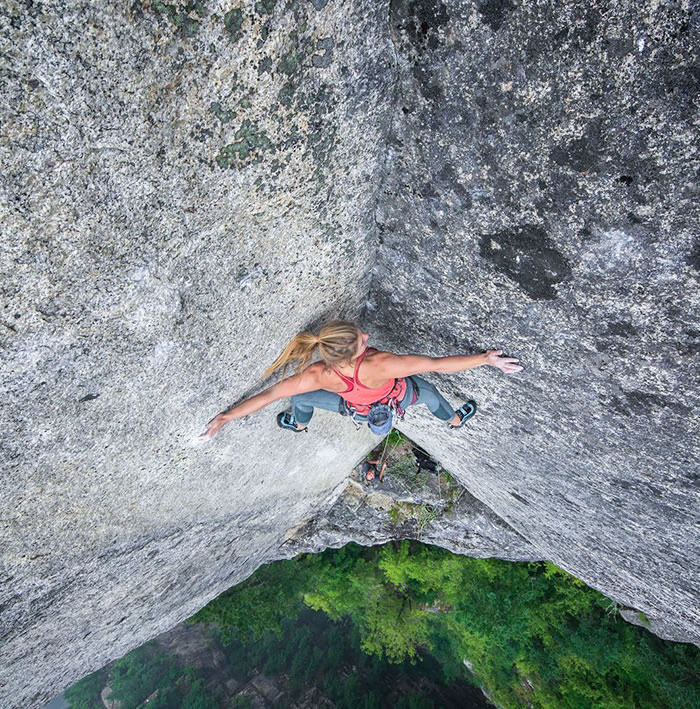
#2 Getting Up On The Wrong Side Of The Bed Is Not An Option
Image source: arnaudpetit_climb
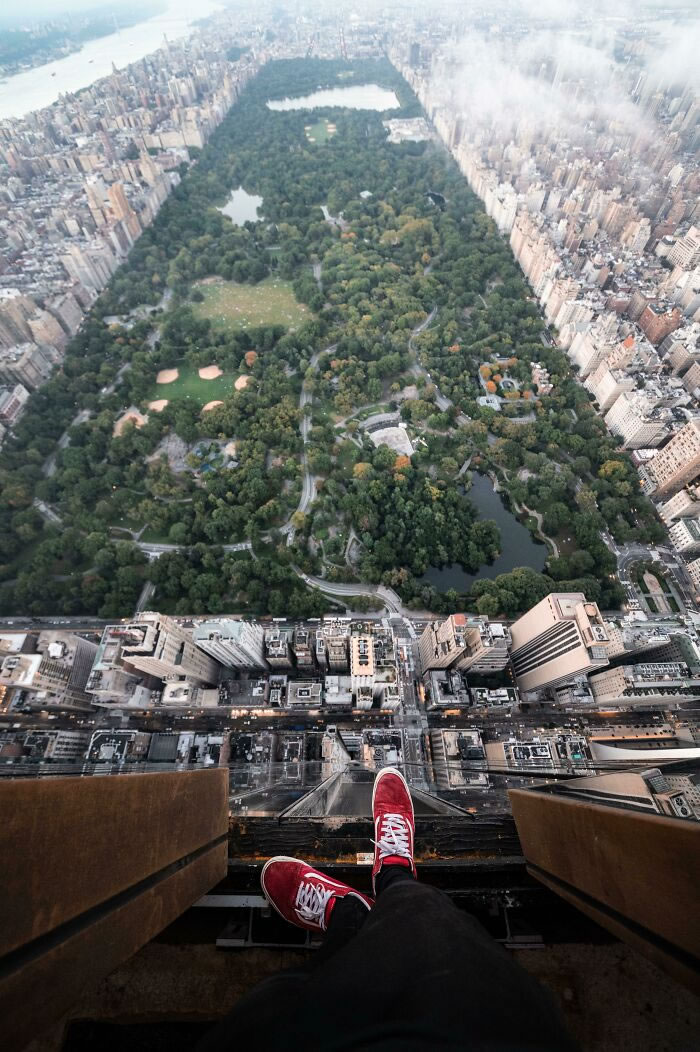
#3 On The Edge 1400 Feet Above Central Park
Image source: Driftershoots
#4 A Moment I’ll Never Forget. Sometimes The Timing Is Perfect And All The Elements Line Up For You. This Was One Of Those Times
Image source: shortstache
#5 As A Person Who Is Afraid Of Heights I’m Not Sure If This Would Make It Easier Or More Difficult To Do Your Business In This Toilet
Image source: hernandezsilva.com.mx
#6 Say Cheese
Image source: My_Shitty_Alter_Ego
#7 Sunbathing On A Roof, What Could Go Wrong?
Image source: angela_nikolau
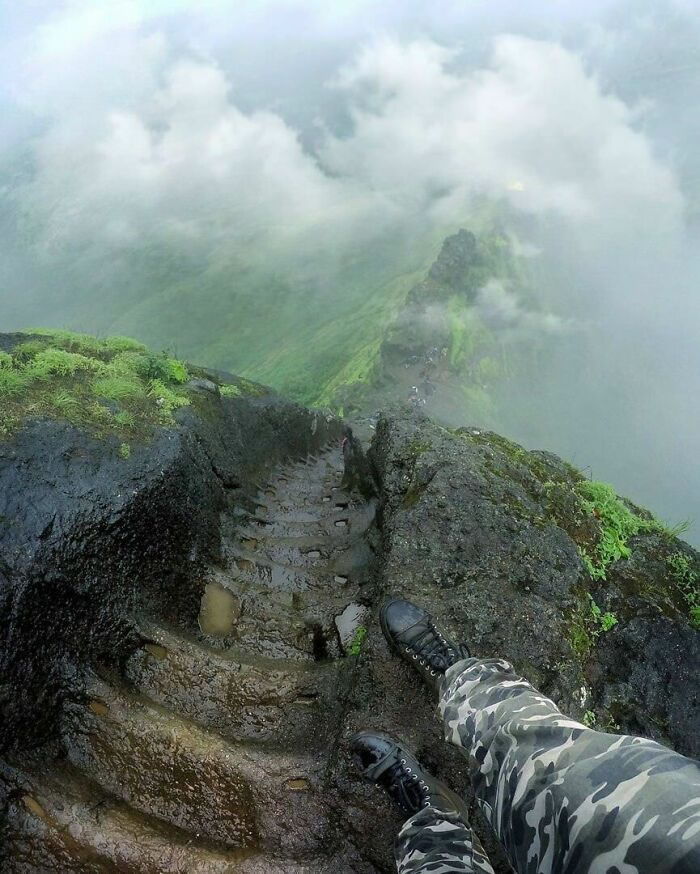
#8 Harihar Fort – A Moist, Steep Staircase In India
Image source: Discover India
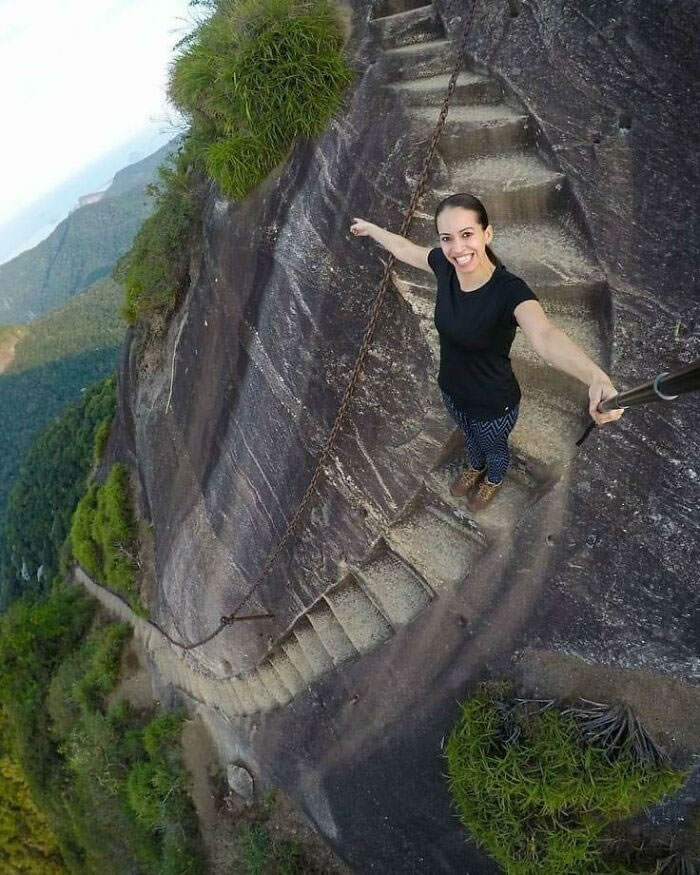
#9 On Top Of The Stairs In Pico Tijuca, Brazil
Image source: 4reddityo
#10 Strong Performance
Image source: dailaojeda
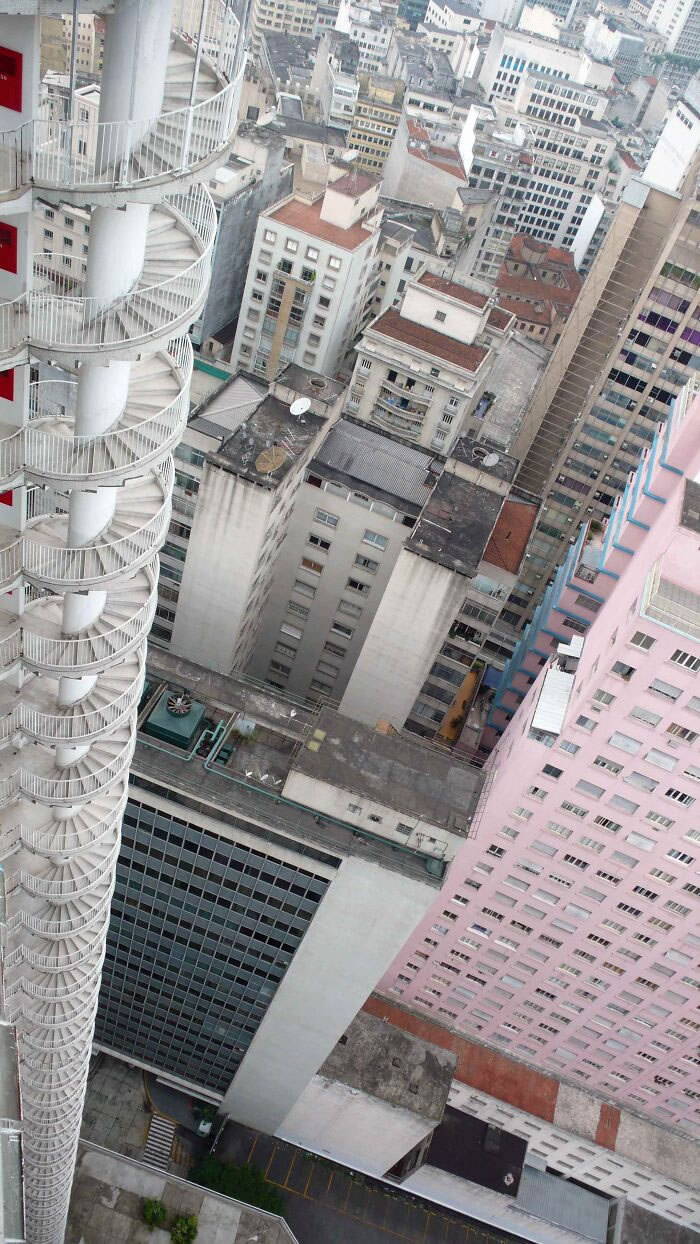
#11 In Brazil, There’s An Apartment Building With A 40-Store Spiral Staircase Attached To The Outside Meant As A Fire Escape. What Scares You More? Fire Or Falling?
Image source: malgoya
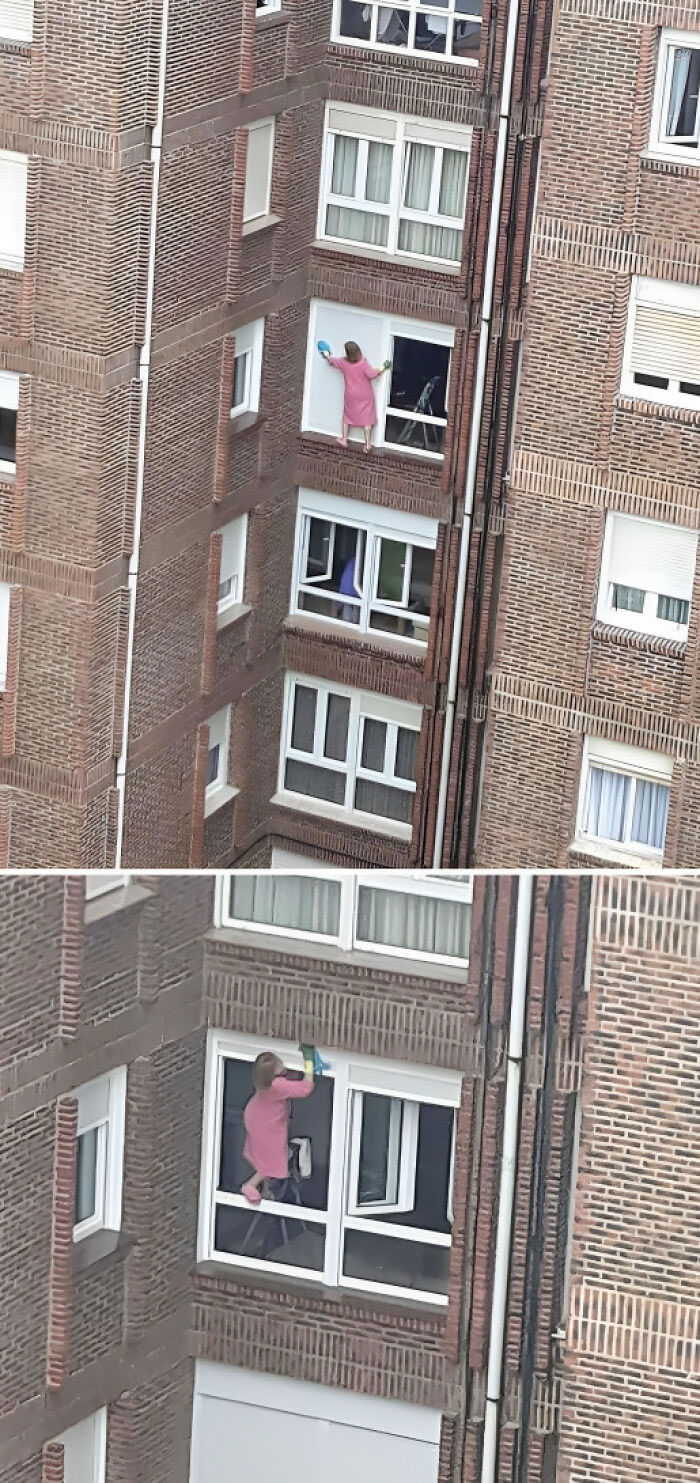
#12 Cleaning The Blinds
Image source: Manuel Ruiz
#13 Me Facing My Immense Fear Of Heights 103 Floors Up On The Willis Tower In Chicago! I Did It
Image source: manwilaugh
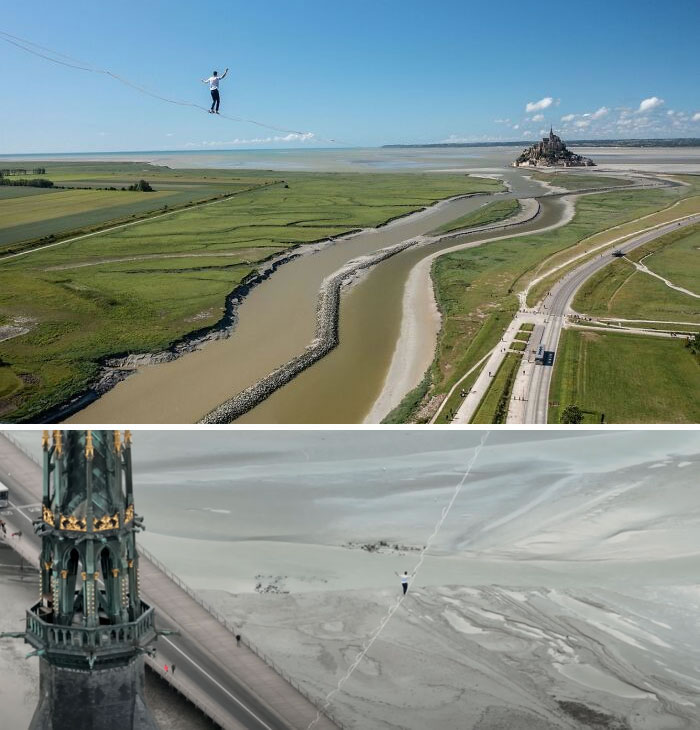
#14 1.4-Mile Highline Walk
Image source: Insta360
#15 Victory Over Fear Of Heights, 1000m
Image source: MuffeJones
#16 Conquered My Fear Of Heights
Image source: demhagul
#17 I Love Roof-Topping Photos. Does Anyone Have Any Good Ones?
Image source: bbeelzebubb
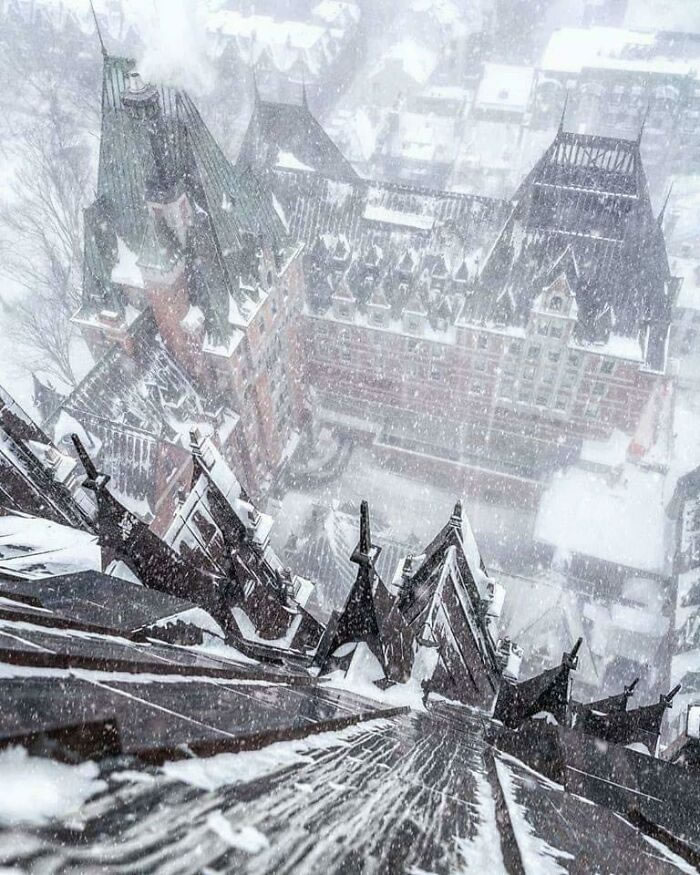
#18 Château Frontenac, Quebec City
Image source: reddit.com
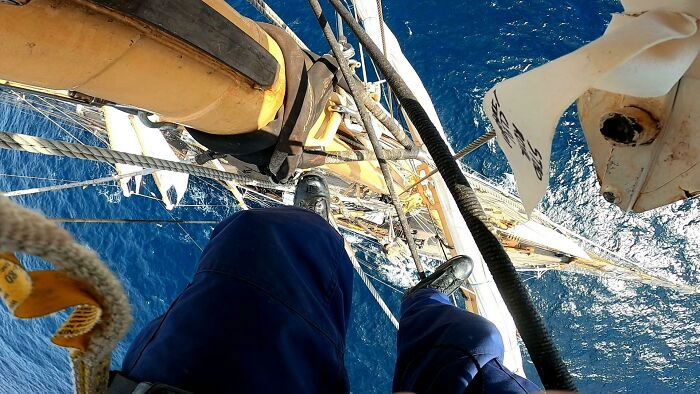
#19 Hanging Out About ~130 Feet Up Above Deck On A Tall Ship
Image source: fender8421
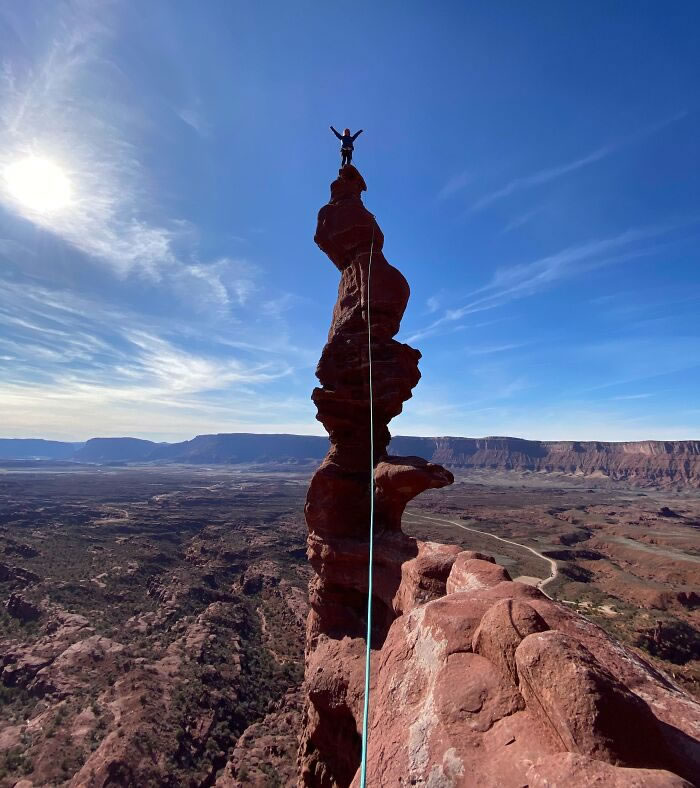
#20 Ancient Arts – First Outdoor Climb, First Multi-Pitch Climb, First Climb On Ropes (I Do Indoor Bouldering)
Image source: reddit.com
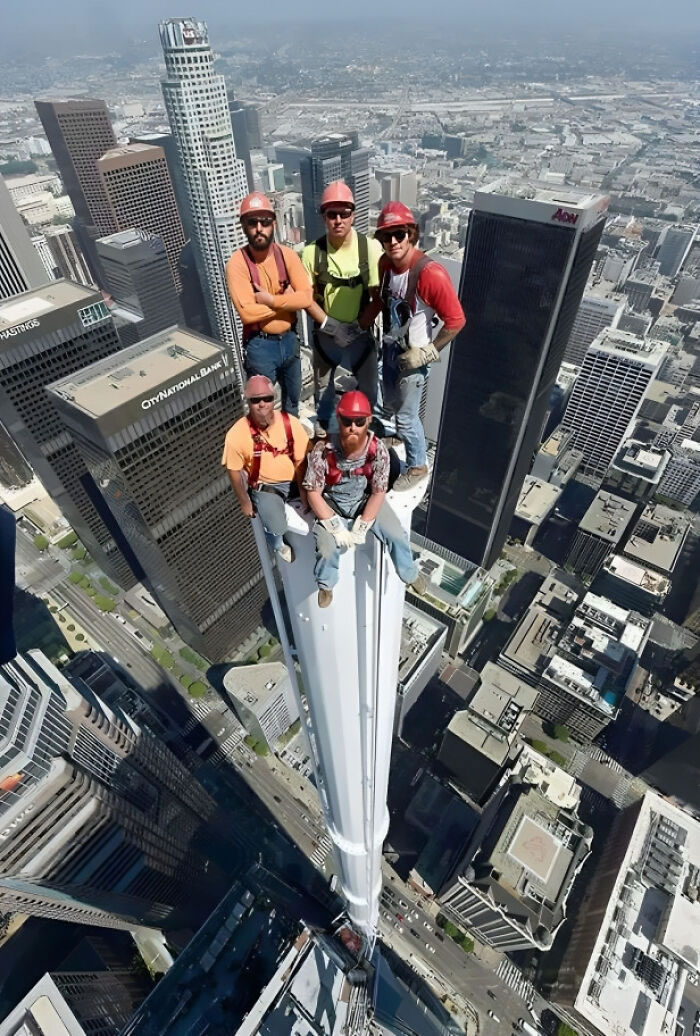
#21 Fixing An AC Compressor On A Level 28 Ledge
Image source: torosalmon
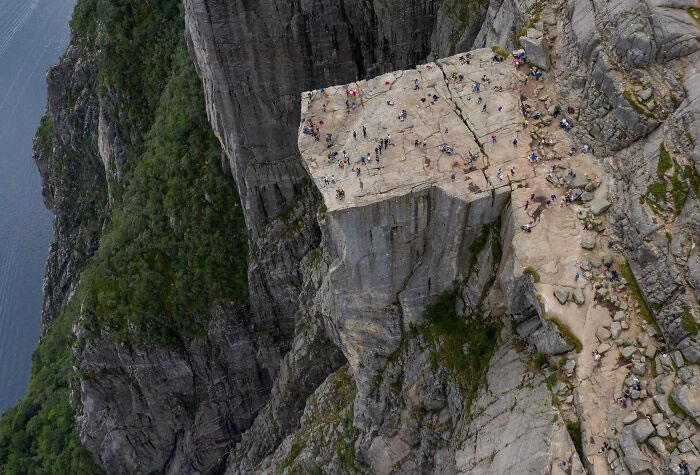
#22 Pulpit Rock From Above With A Growing Crack. Not A Safety Rail In Sight
Image source: AndreVonDrei
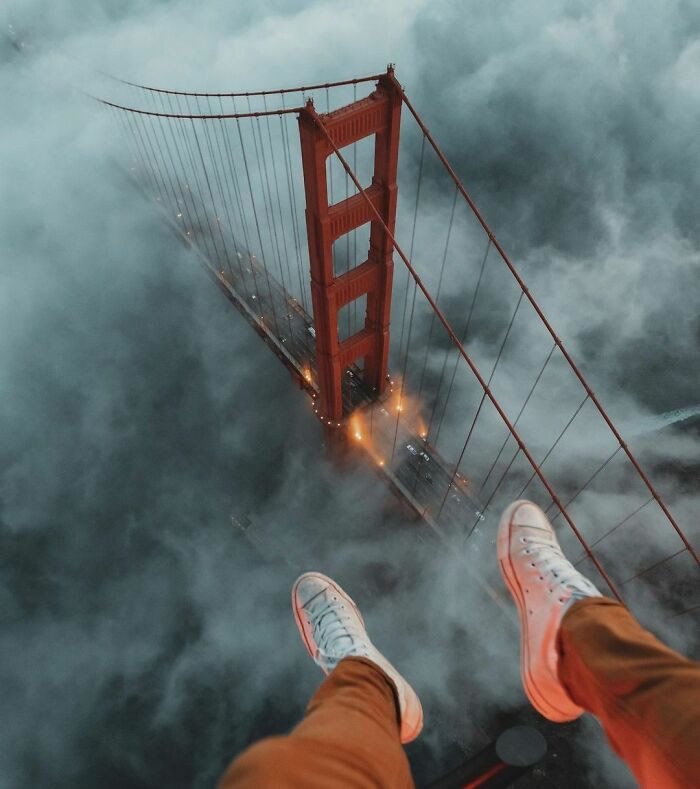
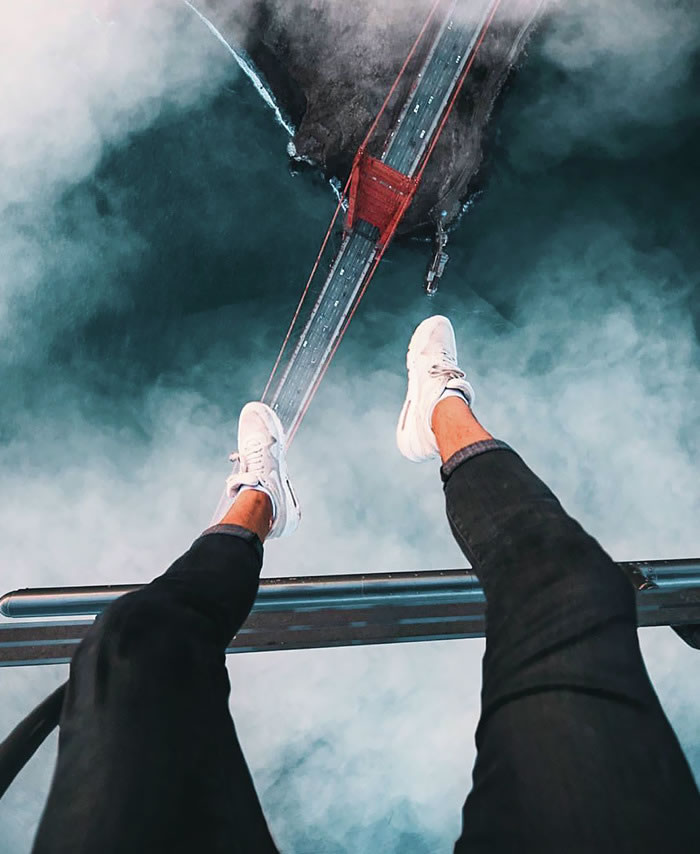
#23 Hanging Out 3,000 Feet Above The Golden Gate Bridge
Image source: jacob
#24 Risky Shot
Image source: yaro_pancenko
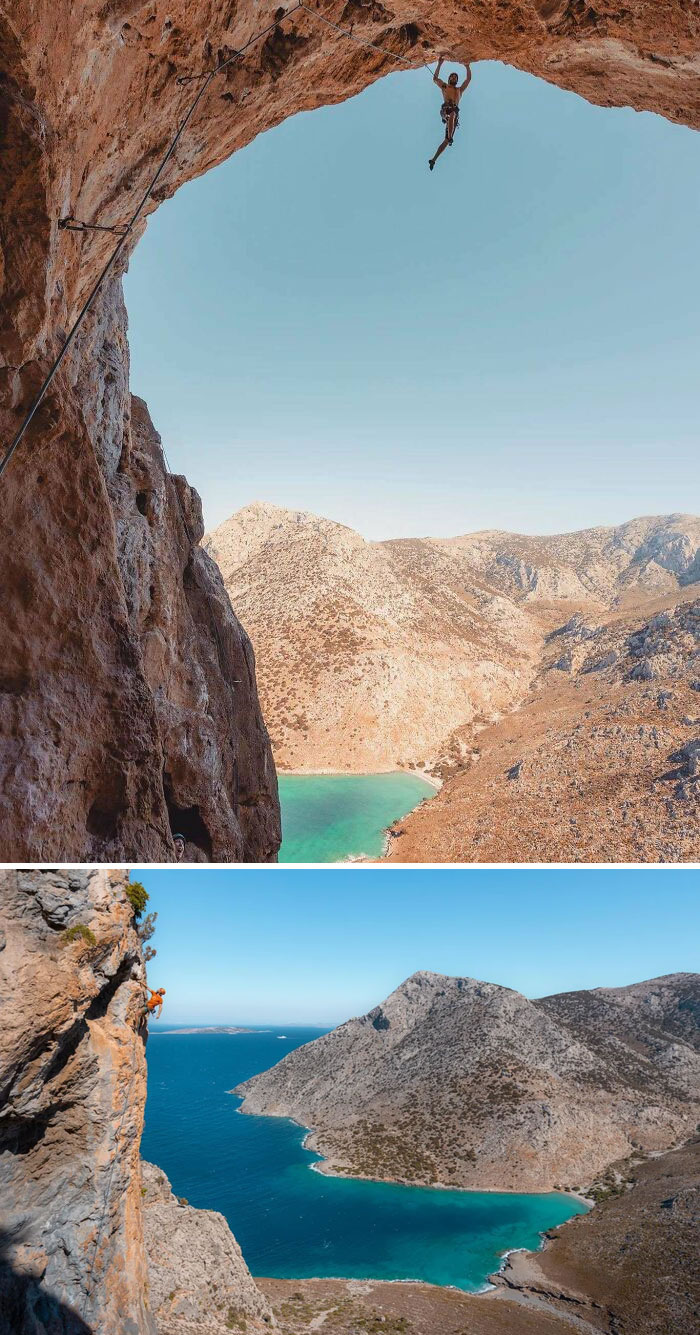
#25 Exploring Some Of The Newer Crags On Kalymnos, Still Got The Goods After All These Years Of Development
WILTON, N.Y. — Wilton Wildlife Preserve is hosting a photography contest and show and is currently seeking entries.
The Preserve is looking for photographers who enjoy taking pictures of nature or of people enjoying nature. The photography show’s intent is to “highlight the beauty and the mission of Wilton Wildlife Preserve & Park.” All work should be original and have been taken at the Wilton Wildlife Preserve & Park. This year the selected photographs will be displayed virtually, through a virtual Photography Gallery.
The entry deadline is Nov. 1, and up to four entries will be accepted per person. There will be prizes awarded for the following categories; Best in Show, Best Nature in Winter, Best featuring Conservation, Best featuring Education, Best featuring Recreation, Best Nature in Autumn, Best Animal Shot, Best Karner blue butterfly, and Best under-13. Entries should be submitted via email to [email protected] with the following information: attached photograph files saved as jpeg, name, address, phone number, email, title of each submission, age if under 13.
For more information, contact Wilton Wildlife’s office at 518-450-0321 or via email at [email protected]. For up-to-date trail conditions or program information, visit the website at www.wiltonpreserve.org.
Birds at the Merced, California National Wildlife Refuge Credit: Linda Gast/Sierra Sun Times
October 8, 2023 – The U.S. Fish and Wildlife Service encourages you to celebrate nature during National Wildlife Refuge Week, October 8-14, 2023. This special time is a chance to boost your health and enjoy the outdoors while experiencing the nation’s premier wildlife conservation network, the National Wildlife Refuge System. Founded in 1903, the system provides nature nearby to millions of Americans while conserving vital habitat for wildlife.
“National wildlife refuges are places that are so important to community health and the economy because they provide places where both wildlife and people can recharge and find respite. They are American treasures,” said Service Director Martha Williams. “National Wildlife Refuge Week is a great time for Americans to join us in celebrating and protecting the wonders of nature that can be found at a nearby .”
Increasing access to public lands and waters is a central component of President Biden’s America the Beautiful initiative. National wildlife refuges provide habitat for thousands of species and access recreation, from wildlife watching, photography, fishing, hunting and walking in nature.
National Wildlife Refuge Week occurs yearly during the second full week of October. This year’s celebrations will kick off October 7 with Urban Wildlife Conservation Day. Admission is free October 8 at national wildlife refuges that normally charge an entrance fee. Nearly 500 national wildlife refuges and wetland management districts offer free admission year-round.
For the third year in a row, the Service will partner with the Public Lands Alliance to host over 40 free walking events at wildlife refuges across the country in celebration of Refuge Week. Register for a free event near you or walk virtually for all of America’s Wildlife Refuges.
“Every year, Refuge Week ‘Walk for the Wild’ events attract more families and friends to discover and appreciate the wonder of nature at their doorsteps and grow awareness and support for national wildlife refuges,” said Dan Puskar, president and CEO of the Public Lands Alliance. “Through our unique partnership with wildlife refuges and more than 45 refuge Friends groups, ‘Walk for the Wild’ helps thousands experience nature and enrich their lives.
There is a national wildlife refuge within an hour’s drive of most major metropolitan areas. More than 100 urban refuges and dozens of urban partnerships and migratory bird treaty cities are part of the Service’s Urban Wildlife Conservation Program, which seeks to connect the 80 percent of Americans who live in and near cities with vital access to nature. These programs work with communities to understand needs, clear barriers to participation, advance urban conservation, and strengthen communities by improving access to green space, environmental education and outdoor recreation.
The Refuge System is an unparalleled wildlife conservation network of 568 national wildlife refuges and 38 wetland management districts. The Refuge System offers many healthful outdoor activities including fishing, wildlife viewing and wildlife photography while providing vital habitat for thousands of wildlife species, including many that would not likely have survived in the wild had it not been for refuge-led habitat restoration efforts. Whooping cranes, American crocodiles, California condors, manatees, sea turtles and American bald eagles are just some of the iconic species whose recovery has been bolstered by national wildlife refuges.
Refuge-led conservation efforts at places like Rocky Mountain Arsenal Refuge near Denver have generated a resurgence of wildlife viewing opportunities, supporting such iconic species as bald eagles, bison and black-footed ferrets within view of the city skyline. Tidal marsh restorations in San Francisco Bay and Willapa Bay in Washington provide new feeding and rearing areas for salmon and migratory birds, while also benefitting local communities through reduced flood risk, improved water quality and increased access to recreational trails.
National wildlife refuges contribute $3.2 billion per year into local economies and support more than 41,000 jobs, according to the Service’s report Banking on Nature. Visits to refuges have doubled in the last 10 years, reaching 67 million visits in 2022. National wildlife refuges also make life better by conserving wildlife, protecting against erosion and flooding and purifying our air and water.
Learn more about this year’s celebration, including virtual and in-person events by visiting: https://fws.gov/events. Source: USFWS