20 Incredible Winning Photos Of The Wildlife Photographer Of The Year 2023

[ad_1]

Here are the incredible winning photos of the Wildlife Photographer Of The Year 2023. In a stunning victory, a captivating photograph capturing a golden horseshoe crab emerged triumphant among nearly 50,000 entries in the prestigious Wildlife Photographer of the Year competition hosted by the Natural History Museum. Renowned French underwater photographer and marine biologist, Laurent Ballesta, skillfully captured this mesmerizing moment in the Philippines, showcasing the tri-spine horseshoe crab accompanied by a trio of golden trevallies.

This ancient species, safeguarded by its robust shell, holds a remarkable lineage dating back 100 million years but faces imminent threats due to habitat destruction and overfishing. Ballesta embarked on a journey to the protected waters off Pangatalan Island in the Philippines, meticulously documenting these majestic creatures. His dedication and artistry were duly rewarded with this coveted competition win. Notably, this victory marks Ballesta’s second Photographer of the Year title, a rare feat in the competition’s 59-year history, underscoring his exceptional talent and commitment to capturing the natural world’s beauty.

Entries for next year’s Wildlife Photographer of the Year competition, the 60th edition of the renowned photo contest, will open on October 16, 2023. The competition will feature a new special prize and some important rules changes. The full details are available on the Natural History Museum’s website. Entries close on December 7, 2023.

Scroll down and inspire yourself. You can check their website for more information.

You can find more info about Wildlife Photographer of the year:

#1 Wildlife Photographer of the Year Winner: “The ancient mariner” by Laurent Ballesta

Wildlife Photographer Of The Year 2023 Winners

A tri-spine horseshoe crab moves slowly over the mud. Its golden protective carapace hides 12 appendages. Above the horseshoe crab, a trio of juvenile golden trevallies are poised to dart down for edible morsels plowed up by its passage. Laurent Ballesta went looking for horseshoe crabs in the protected waters of Pangatalan Island in the Philippines. Marine biologist and photographer Laurent Ballesta has dedicated his life to exploring the oceans and revealing their wonder through art. He has led a series of major expeditions, all involving scientific mysteries and diving challenges, all resulting in unprecedented images. The tri-spine horseshoe crab has survived for more than 100 million years but now faces habitat destruction and overfishing for food and for its blood, used in the development of vaccines. But, in the protected waters off Pangatalan Island, there is hope for its survival.

#2 Young Wildlife Photographer of the Year Winner: “Owls road house” by Carmel Bechler

Wildlife Photographer Of The Year 2023 Winners

Carmel Bechler discovered several barn owls in an abandoned concrete building near a busy road. Returning to where he had spotted a barn owl the previous year, Carmel and his father used the family car as a hide. He made the most of the natural light and used long exposure times to capture the light trails of passing traffic. Israel has the densest barn owl population in the world. A national project has provided nesting boxes near agricultural fields, encouraging owls to nest near farmland. Because the owls hunt rodents that eat seeds and crops, this arrangement has reduced the use of pesticides on farms.

#3 Winner, Behaviour: Mammals – “Whales making waves” by Bertie Gregory

Wildlife Photographer Of The Year 2023 Winners

#4 Winner, Photojournalist Story Award – “The unprotected” by Karine Aigner

Wildlife Photographer Of The Year 2023 Winners

#5 Winner, Animals in their Environment – “Life on the edge” by Amit Eshel

Wildlife Photographer Of The Year 2023 Winners

#6 Winner, Wetlands – “The dead river” by Joan de la Malla

Wildlife Photographer Of The Year 2023 Winners

#7 Winner, 10 Years and Under – “The wall of wonder” by Vihaan Talya Vikas

Wildlife Photographer Of The Year 2023 Winners

#8 Winner, Rising Star Portfolio Award – “Alpine exposure” by Luca Melcarne

Wildlife Photographer Of The Year 2023 Winners

#9 Winner, 11-14 Years – “Out of the blue” by Ekaterina Bee

Wildlife Photographer Of The Year 2023 Winners

#10 Winner, Photojournalism – “The tourism bulldozer” by Fernando Constantino Martínez Belmar

Wildlife Photographer Of The Year 2023 Winners

#11 Winner, Behaviour: Invertebrates – “Lights fantastic” by Sriram Murali

Wildlife Photographer Of The Year 2023 Winners

#12 Winner, Behaviour: Amphibians and Reptiles – “The tadpole banquet” by Juan Jesús Gonzalez Ahumada

Wildlife Photographer Of The Year 2023 Winners

#13 Winner, Oceans: The Bigger Picture – “Last gasp” by Lennart Verheuvel

Wildlife Photographer Of The Year 2023 Winners

#14 Winner, Underwater – “Hippo nursery” by Mike Korostelev

Wildlife Photographer Of The Year 2023 Winners

#15 Winner, Behaviour: Birds – “Silence for the snake show” by Hadrien Lalagüe

Wildlife Photographer Of The Year 2023 Winners

#16 Winner, Urban Wildlife – “Birds of the midnight sun” by Knut-Sverre Horn

Wildlife Photographer Of The Year 2023 Winners

#17 Winner, Plants and Fungi – “Last breath of autumn” by Agorastos Papatsanis

Wildlife Photographer Of The Year 2023 Winners

#18 Winner, Animal Portraits – “Face of the forest” by Vishnu Gopal

Wildlife Photographer Of The Year 2023 Winners

#19 Winner, Natural Artistry – “The art of courtship” by Rachel Bigsby

Wildlife Photographer Of The Year 2023 Winners

#20 Highly Commended, Animal Portraits – “Snow bison” by Max Waugh

Wildlife Photographer Of The Year 2023 Winners


Related Articles:

[ad_2]

PHOTOS: Roots in the Garden at Longview Arboretum and Nature Center | Galleries

[ad_1]

The Longview Arboretum and Nature Center’s Roots in the Gardens fall concert series continued Thursday with performer The Purple Hulls.

The series continues Oct. 19 with Covie the Band and Dagnabbit on Oct. 26.

Gates open at 5 p.m. with music beginning at 6 p.m. Concert attendees are encouraged to bring their own lawn chairs, blankets, food and drinks.

The weekly concert series is a fundraiser for the arboretum. 

Tickets are $10 for adults, $5 for children ages 7 to 12 and free for children 6 and younger and are available online or at the gate on the day of the concert.

In the event of inclement weather, the concerts will be moved inside the warehouse at the arboretum at 706 W. Cotton St.

For tickets and information, go to www.longviewarboretum.org/ .

[ad_2]

Digging into emotion: a tour of 212 Photography Istanbul – photo essay | Photography

[ad_1]

The art festival 212 Photography Istanbul defiantly breaks away from Turkey’s increasingly authoritarian politics and polarised society. In its sixth year, it is an outward-looking festival keen to project its young, vibrant and international character.

The programme is ambitious, with exhibitions and events that cross from the Asian to the European sides of the city. It takes visitors on a tour of a lesser-known but vibrant and burgeoning Istanbul. Exhibition spaces include a disused gasworks, a 15th-century cannonball factory, a Roman Catholic church and an old brewery. There is a playfulness in the curation: Annelie Vandendael’s photographs of swimmers float on water.

Putting on a festival of photography in Turkey is no mean feat. The organisers had to negotiate a fine balance between knowing the limits of what could be shown and keeping their integrity while trying all that they might to push the boundaries. One public installation by the artist Özgür Ballı using augmented reality was repeatedly moved by the police because it was in a square where protesters gather.

Mashallah with extra cheese, 2021, by Mous Lamrabat
Louis the clown, 2021, by Mous Lamrabat

  • Mashallah with extra cheese, 2021, and Louis the clown, 2021, by Mous Lamrabat.

One artist smashing boundaries and subverting stereotypes is Mous Lamrabat. He has created his own utopian world in the portrait series Mousganistan. This is a joyful place where Lamrabat plays with symbols of western capitalism and his Moroccan heritage to create thought-provoking images that are deceptively simple and full of humour. His eye for colour pops off the wall and the compositions always surprise.

Organic Superhero, 2019, Mous Lamrabat
Black Out That Bad Energy, 2021, by Mous Lamrabat

  • Organic Superhero, 2019, and Black Out That Bad Energy, 2021, by Mous Lamrabat.

He says his favourite way to work is to create images on the spot and be surprised by the outcome. At a family gathering of 30 people, he decided to photograph each relative using just the props around him. His nephew wanted to do something with a plant and Mous wanted to make him a superhero. That spontaneous energy exudes from his images, but they are at the same time effortlessly cool.

Danielle Van Zadelhoff’s painterly portraits

Daniëlle van Zadelhoff uses the language of baroque painting to present enigmatic portraits of people whose gaze is often longing or tragic. There is something uncomfortable and uncanny about these subjects who are disconnected with time and place. She says she recognises that people who are suffering are often alone and she wants her photographs to communicate that desire for contact. Her models are all people who have experienced something life-changing, but theirs are not stories that Van Zadelhoff wants to share. Instead, she uses lighting and composition to draw the viewer in and make them reflect on their own experiences.

David, 2015, by Éva Szombat

Another artist digging into human emotion is Éva Szombat, although she is exploring the realm of happiness, in all its guises. She has a photographic eye for the surreal and a taste for kitsch. Her still lives and portraits are often tongue in cheek and they always pop and fizz with colour. In her series Practitioners she finds people who devote themselves to the pursuit of happiness, be it through their pets, hobbies or relationships.

The star sign Gemini in Éva Szombat and Fanny Papay’s Surrealogy

A game of quick-fire association is played out in Surrealogy, made in collaboration with Fanny Papay, depicting the 12 signs of the zodiac. After all, astrology in all its mystery and pretence is a place where people go to look for happiness.

Made in Dublin by Eamonn Doyle, Niall Sweeney, David Donohoe and Kevin Barry

  • Made in Dublin by Eamonn Doyle, Niall Sweeney, David Donohoe and Kevin Barry. Photograph by Cihangir Karatas/212 Photography Istanbul

Made in Dublin may feel out of character with the rest of the festival but there is no theme to the programme, so it comes as a welcome opportunity to experience this extraordinary, symphonic portrait of a city. The piece has been lauded by Martin Parr as the best of street photography. Being immersed in a flow of images, projected across nine screens, with sound and words is gripping, hypnotic and at times jarring, just as the experience of walking through an urban environment can be when sounds, thoughts, memories collide with the shifting world around you. It is a masterful piece of collaboration with photography by Eamonn Doyle, design by Niall Sweeney and a soundtrack by David Donohoe that includes the words and voice of Kevin Barry.

Photographs by Tine Poppe with plant installation by Yunus Karma

The festival includes a large show of artists using AI to create images, but it was the next-door exhibition focusing on botany that made me question what was real. Where the Wild Roses Grow imagines a time before humanity had the power to destroy its environment. Images of oversized flowers and suffocating forests compete with installations of living plants to create a space that is reminiscent of John Wyndham’s The Day of the Triffids.

Gilded lilies by Tine Poppe

Tine Poppe’s majestic portraits of flowers have something of the memento mori about them. She photographs cut flowers in a studio against printed backdrops of landscapes in crisis. They are strange, unreal looking images that highlight the climate crisis by looking at the environmental cost of growing flowers in industrial-scale greenhouses and transporting them long distances.

[ad_2]

Prime Day camera deal still live: Save $500 on one of the best mirrorless cameras — Nikon Z7 II now $2496.95

[ad_1]

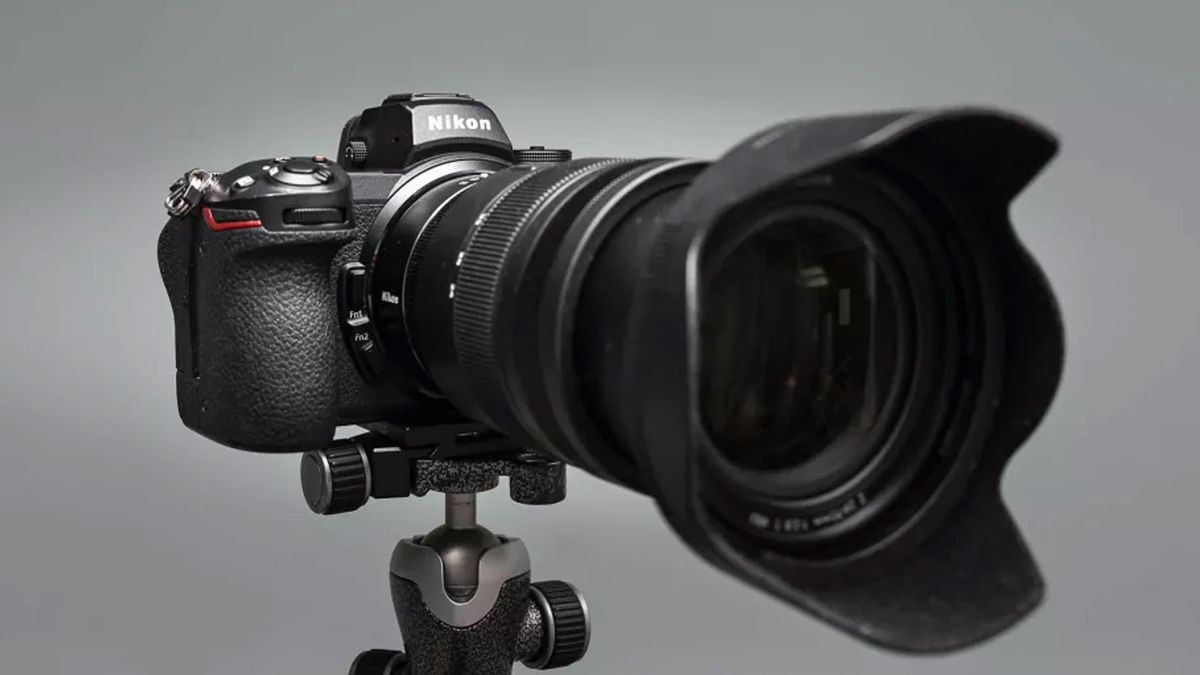
If you’re an astrophotographer looking for a great deal on one of the best cameras this Prime Day, then you’re in luck, as Amazon has slashed a whopping $500 off the price of the Nikon Z7 II — making it now just $2496.95. That’s a 17% saving which, doesn’t sound like a huge amount, but $500 is actually quite a big saving, especially for a camera of this caliber.

When we reviewed the Nikon Z7 II last year, we found that it was especially adept at astrophotography and low-light shooting, but is overall outstanding at every style of photography. It has an incredibly wide ISO range from 64-25,600 which jumps to 32-102,400 when expanded.

[ad_2]

Photography: Real And Imagined At The NGV A Huge And Dazzling Exhibition That Reexamines Our Thinking

[ad_1]

(MENAFN- The Conversation) Photography is almost 200 years old and Photography: Real and Imagined at the National Gallery of Victoria (NGV) can be interpreted as an attempt to make sense of its history.

A huge and dazzling exhibition containing 311 photographs, the basic thesis of this exhibition is that some photographs record an actuality, others are purely a product of the photographer’s imagination, while many are a mixture of the two.

The parameters of the exhibition are determined, in part, by the holdings of the NGV collection and, in part, by the perspective adopted by the curator, the erudite and long-serving senior curator of photography at the NGV, Susan Van Wyk.

Mercifully, the curator has not opted for a linear chronological approach from daguerreotypes to digital, although both are included in the exhibition, but has devised 21 diverse thematic categories, for example light, environment, death, conflict, work, play and consumption.

Australian artists, international context

The categories have porous boundaries. Even with the assistance of the 420-page book catalogue, it is difficult to determine why Michael Riley’s profoundly moving photograph of a dead galah shown against the cracked earth belongs to the environment theme instead of death; why Rosemary Laing’s Welcome to Australia image of a detention camp belongs to movement, instead of being in community, conflict or narrative.

Installation view of Photography: Real & Imagined on display at The Ian Potter Centre: NGV Australia from October 13 2023 – February 4 2024. Photo: Lillie Thompson.

I felt that there was a perceived need to somehow organise the material, and the broad thematic structure allows the viewer to develop some sort of mega-narrative for the show.

There is also evident a desire to create an international context within which to display the work of Australian photographers.

It is indeed a very rich cross-section of Australian photographers assembled in this exhibition. This is not an Anglo-American construct of the history of photography; Australian photographers are presented together with New Zealanders and their Asian contemporaries.

Installation view of Photography: Real & Imagined on display at The Ian Potter Centre: NGV Australia from October 13 2023 – February 4 2024. Photo: Lillie Thompson.

Although the NGV boasts of having the first curatorial department of photography in any gallery in Australia, in the department’s 55-year history there remain serious lacunae in the collection.

For example, Russian constructivist photographers, including Aleksandr Rodchenko, who, as far as I am aware, in the NGV collection is represented by a single small booklet , but looms large in any account of the history of photography as presented by the British, European and American museums. Eastern European photographers are also generally underrepresented.

Read more: Friday essay: 10 photography exhibitions that defined Australia

Key moments, and surprises

This exhibition combines the iconic with the new and the unexpected.

The expected key moments in the history of photography are generally all present with the roll-call of names including Dora Maar, Man Ray, André Kertész, Henri Cartier-Bresson, Dorothea Lange, Eadweard Muybridge, Bill Brandt, Lee Miller and László Moholy-Nagy.

They are all included in the exhibition and are represented through their iconic pieces.

Henri Cartier Bresson, Juvisy, France 1938; printed 1990s. Gelatin silver photograph 29.1 x 43.9 cm (image). National Gallery of Victoria, Melbourne. Purchased NGV Foundation, 2015. © Henri Cartier-Bresson / Magnum Photos. Photo: Nicholas Umek / NGV.

Henri Cartier Bresson’s Juvisy (1938), colloquially known as Sunday on the banks of the Marne, is an intentionally subversive image by this left-wing radical photographer.

This image, made at the height of the Great Depression, shows a victory by France’s popular left-wing government that legislated in 1936 the entitlement for French workers to have two weeks of paid vacation. Here the working class is enjoying a picnic at Juvisy, just to the south of Paris.

Dorothea Lange, Towards Los Angeles, California 1936; printed c. 1975. Gelatin silver photograph 39.6 x 39.1 cm (image); 40.8 x 50.5 cm (sheet). National Gallery of Victoria, Melbourne. Purchased, 1975 © Library of Congress, FSA Collection. Photo: Predrag Cancar / NGV.

At about the same time, Dorothea Lange’s Towards Los Angeles, California (1936) contrasts the anguish of the unemployed trekking in search of work and a billboard advertising the comforts of train travel. An aphorism ascribed to her sums us much of her work:

Man Ray’s Kiki with African mask (1926) is one of the most famous photographs in the world, also known as Noire et blanche (Black and White). The surrealist artist juxtaposes the elongated face of his Muse and mistress, Kiki (Alice Prin), with her eyes closed with that of a black African ceremonial mask.

Man Ray, Kiki with African mask, 1926. Gelatin silver photograph 21.1 x 27.6 cm (image); 22.1 x 28.5 cm (sheet). National Gallery of Victoria, Melbourne. Purchased through The Art Foundation of Victoria with the assistance of Miss Flora MacDonald Anderson and Mrs Ethel Elizabeth Ogilvy Lumsden, Founder Benefactors, 1983. © MAN RAY TRUST / ADAGP, Paris. Licensed by Copyright Agency, Australia. Photo: Helen Oliver-Skuse / NGV.

The photograph was controversial when it was first published and continues to be controversial to the present day.

There are also numerous modern classics in the exhibition, including Pat Brassington’s Rosa (2014), Polly Borlan’s Untitled (2018), from MORPH series 2018 and Robyn Stacey’s Nothing to see here (2019), that can all be viewed as edging into the realm of the uncanny. Beyond the façade of the familiar, we are invited to enter an unexpected world.

Installation view of Polly Borland’s Untitled 2018 from MORPH series 2018 on display in Photography: Real & Imagined at The Ian Potter Centre: NGV Australia from October 13 2023 – February 4 2024. Photo: Lillie Thompson. Reinterpreting our world

Photography’s reputation of creating a trustworthy facsimile of the real had long been eroded, even before the creation of digital software. There is an old adage,“paintings sometimes deceive, but photographs always lie” – precisely because there was a perception that they could not lie.

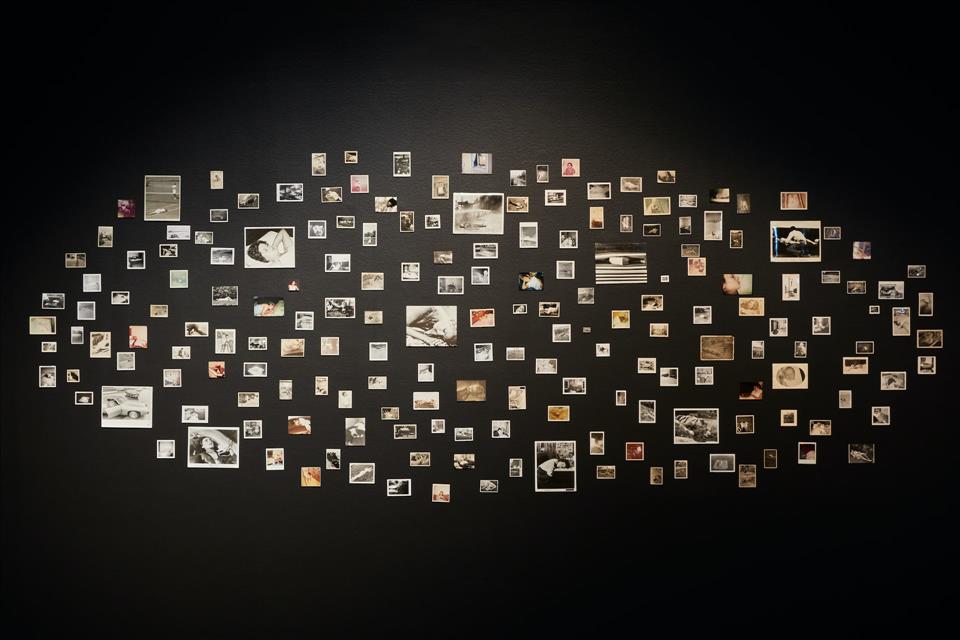
One of the most intriguing works in the exhibition is by the New Zealand-born photographer Patrick Pound, titled Pictures of people who look dead, but (probably) aren’t (2011–14). It is a sprawling installation of mainly found photographs where the audience is invited to create a life and death narrative.

Photography: Real and Imagined reexamines our thinking about the art of photography and explores photography’s ability to recreate and reinterpret our world.

Photography: Real and Imagined is at the Ian Potter Centre, National Gallery of Victoria, Melbourne, until February 4 2024.

Read more: Can a photograph change the world?

The Conversation

MENAFN12102023000199003603ID1107234959


Legal Disclaimer:
MENAFN provides the information “as is” without warranty of any kind. We do not accept any responsibility or liability for the accuracy, content, images, videos, licenses, completeness, legality, or reliability of the information contained in this article. If you have any complaints or copyright issues related to this article, kindly contact the provider above.

[ad_2]

The 2023 Wildlife Photographer of the Year winners

[ad_1]

The annual Wildlife Photographer of the Year awards, hosted by the Natural History Museum of London, is a hotly contested event. And 2023 was no different, with the judges having 49,957 images to narrow down to a handful of adult and junior winners.

One of the most loved nature photography competitions on the calendar, this year an alien-like creature of the sea, a fantasy fungi scene and the brutality of orca teamwork were among the highlights that took out prestigious wins across the diverse categories. It also saw history made, with overall winner, France’s Laurent Ballesta, picking up his second Grand Title, the first double in the competition’s 59 years.

‘The ancient mariner’, Laurent Ballesta (France) – Grand Title winner

'The ancient mariner,' Laurent Ballesta (France) – Grand Title winner. Nikon D5 + 13mm f2.8 lens; 1/25 at f22; ISO 800; Seacam housing; 2x Seacam strobes
‘The ancient mariner,’ Laurent Ballesta (France) – Grand Title winner. Nikon D5 + 13mm f2.8 lens; 1/25 at f22; ISO 800; Seacam housing; 2x Seacam strobes

Laurent Ballesta/2023 Wildlife Photographer of the Year

This year’s top prize went to Laurent Ballesta of France, whose image of a tri-spine horseshoe crab (Tachypleus tridentatus) with a trio of trevally trailing behind captured a rare, candid glimpse into in the mysterious life of one of nature’s most remarkable animals. Ballesta also made history as the first photographer in the competition’s history to twin the Grand Title twice, claiming it in 2021 with a shot of camouflage groupers shooting out of a cloud of eggs.

The horseshoe crab has been on the planet for more than 300 million years, but its numbers are drastically declining thanks to environmental changes, overfishing and their huge value to medicine. The unique blood of the crab contains the protein limulus amebocyte lysate (LAL), which is used by pharmaceutical companies to test products for bacterial substances. Since scientists discovered this unique clotting ability in the blue blood of the horseshoe crab in the 1960s, they’ve been subject to mass bleeding. In 2021, five companies along the East Coast of the US drained the blood from more than 700,000 horseshoe crabs. While the process, which involves piercing the animal through the heart and draining up to half their blood over the course of around eight minutes, isn’t necessarily fatal, many are then sold off to be killed for food or bait.

As such, these incredible ancient crabs – which are more closely related to spiders and scorpions than their crustacean namesakes – are rarely captured in natural environments engaging in natural behaviors. In this case, in the protected waters around Pangatalan Island, Palawan in the Philippines.

‘Last breath of autumn’, Agorastos Papatsanis (Greece) – Plants and Fungi winner

'Last breath of autumn', Agorastos Papatsanis (Greece) – Plants and Fungi winner. Nikon D810 + 105mm f2.8 lens; 1/40 at f36; ISO 500; Godox flash + trigger; Leofoto mini tripod
‘Last breath of autumn’, Agorastos Papatsanis (Greece) – Plants and Fungi winner. Nikon D810 + 105mm f2.8 lens; 1/40 at f36; ISO 500; Godox flash + trigger; Leofoto mini tripod

Agorastos Papatsanis/2023 Wildlife Photographer of the Year

Fungi has been a big winner in nature photography contests in recent times, and it again takes the top prize in the Plants and Fungi category. Agorastos Papatsanis of Greece snapped this fantasy-like image of a forest Parasol mushroom in the rain releasing its spores.

While mushrooms can seem sedentary and not exactly lifelike, their networks are a hive of activity, above and below ground. Here, Papatsanis captured a mushroom cap releasing millions of spores, a vital part of the fungi’s life cycle. Much like plants and seeds, fungi like this rely on these spores to be carried away – in this case, on the breeze – to spread and begin new growth. This process, however, is incredibly rare to catch sight of.

It’s no surprise that one judge described his evocative, wondrous photo, taken at Mount Olympus, as a “fairytale scene.”

‘Whales making waves’, Bertie Gregory UK – Behaviour: Mammals winner

'Whales making waves', Bertie Gregory (UK) – Behaviour: Mammals winner. DJI Mavic 2 Pro + Hasselblad L1D-20c + 28mm f2.8 lens; 1/120 at f4; ISO 100
‘Whales making waves’, Bertie Gregory (UK) – Behaviour: Mammals winner. DJI Mavic 2 Pro + Hasselblad L1D-20c + 28mm f2.8 lens; 1/120 at f4; ISO 100

Bertie Gregory/2023 Wildlife Photographer of the Year

Less fairytail and more nightmare – for the Weddell seal, at least – this dramatic scene captured by the UK’s Bertie Gregory shows how cleverly orcas work together to create water disturbance in an effort to tip a tasty snack off a chunk of ice. Orcas are known for their brutal teamwork, often employing this wave-making tactic to wash hapless penguins into the water, where they stand little chance against the accomplished hunters.

Gregory spent hours in freezing Antarctic waters on a two-month expedition to get that one perfect shot, before snapping this incredible image via drone. It not only offers a rare look at this unique animal behavior, but shows how technology in capturing wildlife images has evolved. We can only hope the seal had the moves once in the water to evade its hungry predators.

“We spent every waking minute on the roof of the boat, scanning,” he said of the work it took to capture this moment.

‘The tadpole banquet’, Juan Jesús González Ahumada (Spain) – Behaviour: Amphibians and Reptiles winner

'The tadpole banquet', Juan Jesús Gonzalez Ahumada (Spain) – Behaviour: Amphibians and Reptiles winner. Canon EOS R6 + 100mm f2.8 lens; 1/80 at f5.6; ISO 320; ring flash
‘The tadpole banquet’, Juan Jesús Gonzalez Ahumada (Spain) – Behaviour: Amphibians and Reptiles winner. Canon EOS R6 + 100mm f2.8 lens; 1/80 at f5.6; ISO 320; ring flash

Juan Jesús Gonzalez Ahumada/2023 Wildlife Photographer of the Year

In what at first looks like a work of abstract art, this startling image captured by Juan Jesús González Ahumada shows toad tadpoles in a feeding frenzy on the carcass of a fledgling sparrow in Ojén, southern Spain. The bird, which drowned after launching itself prematurely from a nearby nest, is a special treat for the growing tadpoles. While they normally subsist on a steady diet of algae, vegetation and tiny invertebrates, they become more carnivorous as they grow, hoarding the resources before moving onto their life stage as toads.

Check out some other highlights from the competition in our gallery.

Source: Natural History Museum


[ad_2]

Ending soon: Snap up the Canon EOS R8 while it’s $340 off on the Prime Day

[ad_1]

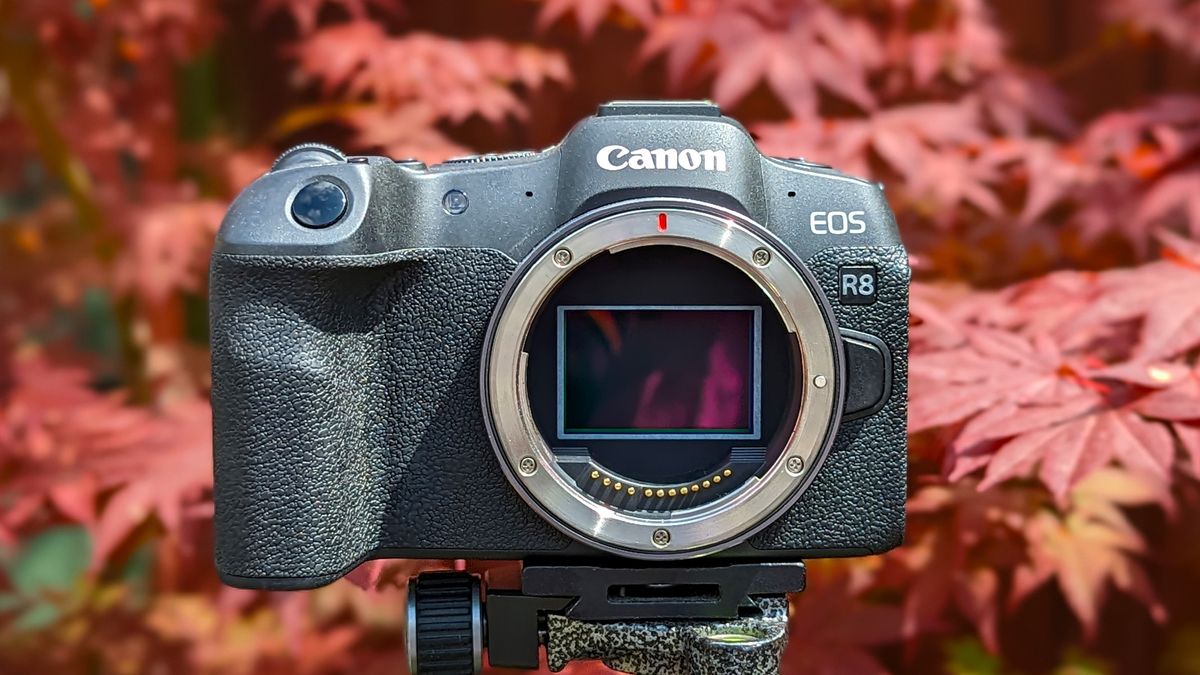
This Prime Day, you can snap up the Canon EOS R8 camera with a massive $340 discount. The discount means it is comfortably the lowest price we’ve ever seen it on Amazon and we like that a lot as the camera features in our best cameras for astrophotography guide. 

Save an enormous $340 (technically $339.80) and get Amazon’s lowest-ever price on the Canon EOS R8 full-frame mirrorless camera. 

[ad_2]

Google’s Pixel 8 Pro camera is the new mobile photography champ

[ad_1]

Let’s not kid ourselves: The most exciting thing about the Google Pixel 8 Pro (and 8, for that matter) is the camera, and because of Google’s commanding position when it comes to computational photography, anyone interested in the state-of-the-art will be paying extra attention to this smartphone’s yearly upgrade. My entire life is essentially a tug-of-war between my desire to take great photos and my desire to carry as little equipment as possible, so I’m particularly interested in what’s new camera-wise.

All the megapixels

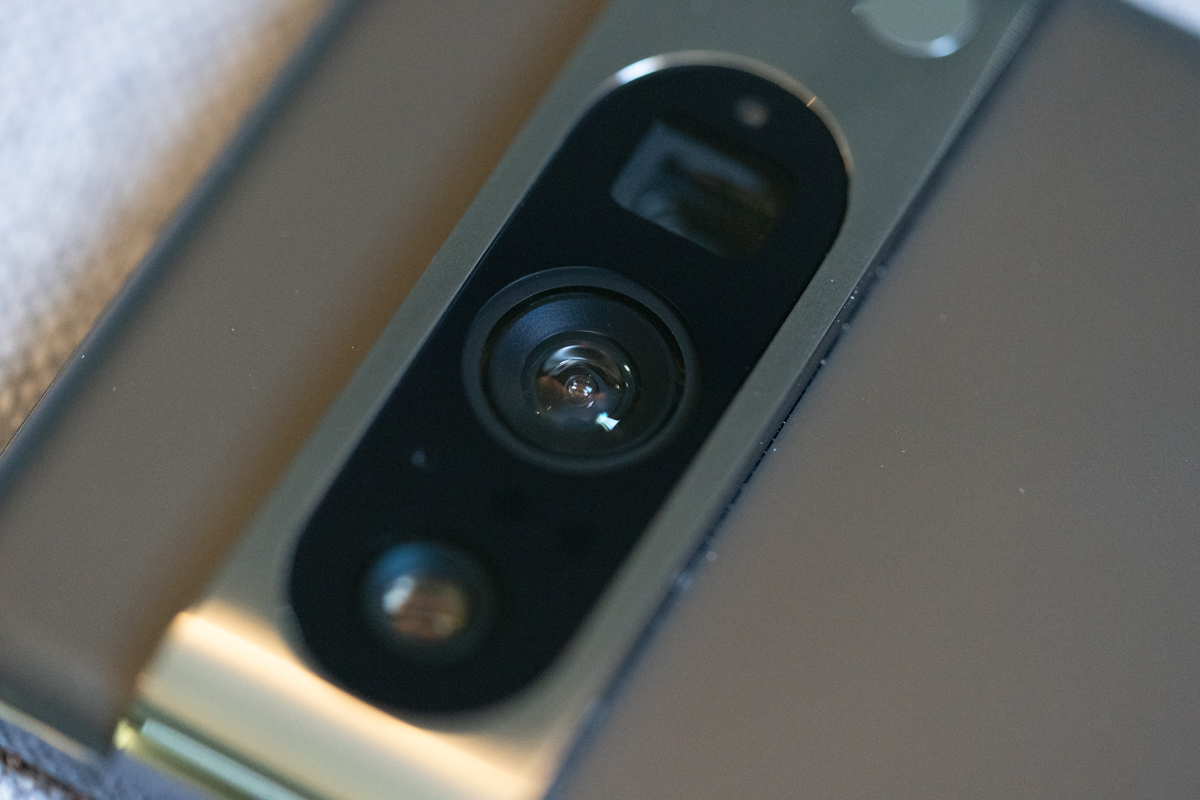
Google made a big deal at the launch event for the Pixel 8 about the improved camera modules in the phones. The 8 Pro gets improvements across the board, with the ultrawide jumping from 12 megapixels to 48 megapixels; that joins a 50 megapixel main sensor, and a 48 megapixel sensor for the 5x optical zoom, too.

By default, Google will use all those megapixels to run some computer magic and generate a 12.5 megapixel final image that won’t eat up all your storage and that provides some excellent benefits in terms of color rendering, noise and more at the expense of detail. You can also opt to turn on high megapixel mode, however, and capture at the full resolution of the sensor — handy if you’re looking to print or crop the image, for instance.

Full 50 megapixel JPEG capture from Pixel 8 Pro

Full 50 megapixel JPEG capture from Pixel 8 Pro. Image Credits: Darrell Etherington

Crop of a 50 megapixel Pixel 8 photo of a mushroom on a log

Crop of a 50 megapixel image for detail. Image Credits: Darrell Etherington

The nice thing about these options is that there are a lot of options, depending on your needs: You can capture in JPEG with standard settings for social and friends/family sharing, and Google will do the heavy lifting to get you a great result. Or you can capture in high megapixel mode, with JPEGs, for flexibility when it comes to cropping and sharing. Or you can go whole hog, capture in RAW+JPEG mode, and high megapixel, and get eminently editable RAW files for manipulation in Lightroom or your favorite editing software, along with a JPEG ready to share complete with Google’s image magic applied.

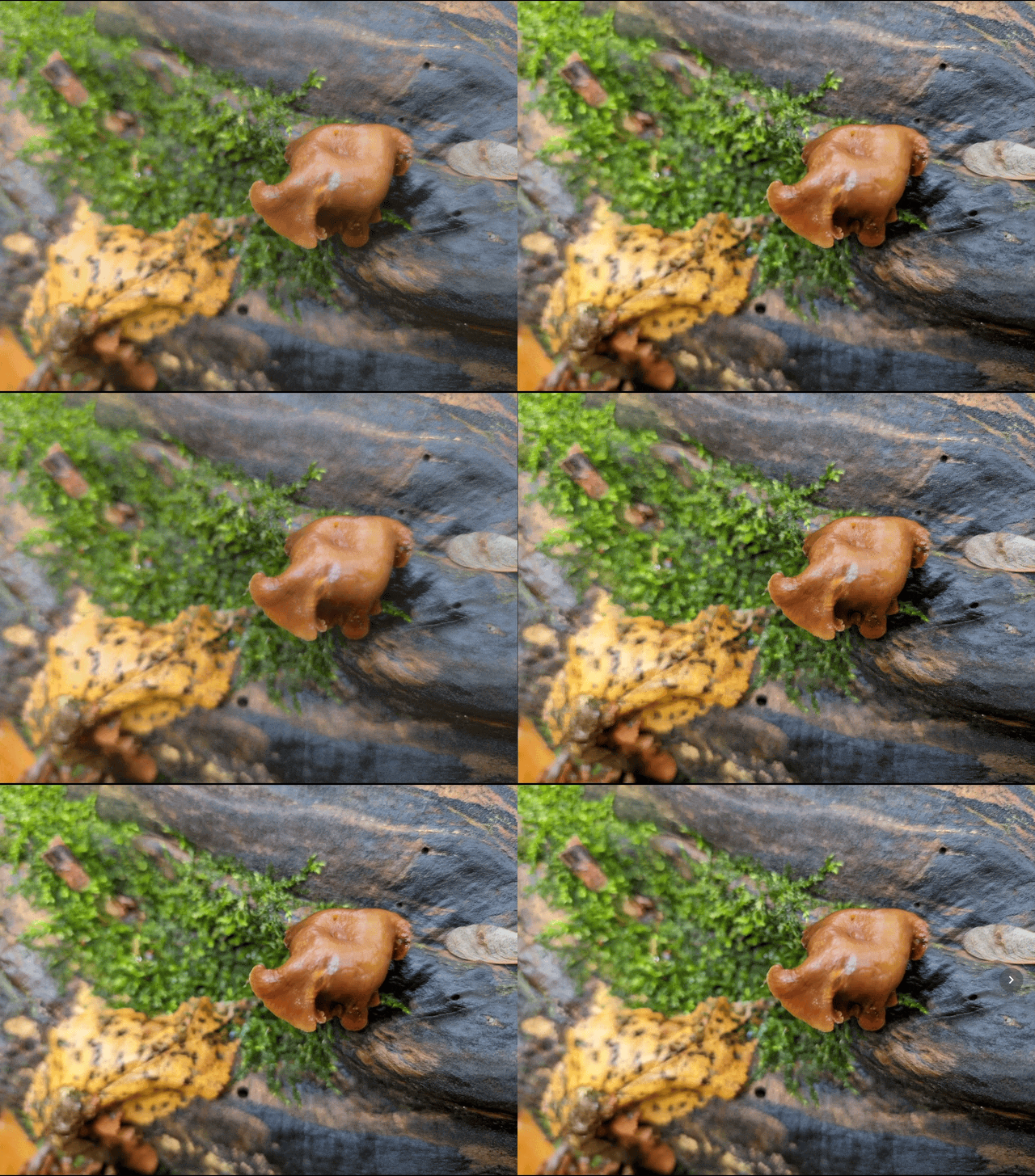
A comparison of Google's Pixel 8 RAW vs. JPEG formats

RAW (softer, less vibrant) versus JPEG from the Pixel 8 Pro camera. Image Credits: Darrell Etherington

The 5x zoom is also excellent in high-resolution mode, and provides ample detail and crisp rendering when shooting in JPEG with Google’s autocorrection applied. Having all that detail available with that range is a huge advantage when it comes to pocket photography, and means you have one less reason to carry around a dedicated camera body with a long-range optical zoom lens.

The improved resolution on the ultrawide likewise makes these photos more usable, but in my testing it’s still probably the weakest of the cameras. It does produce some interesting results when it comes to macro (more on that below) thanks to the better resolution and improved autofocus, however.

Google Pixel 8 Pro ultrawide camera sample

Google Pixel 8 Pro ultrawide camera sample. Image Credits: Darrell Etherington

How Pro can you go?

Exclusive to the Pixel 8 Pro are the new “Pro” settings, which subsequent testing has shown appears to be largely a software locking decision by Google. Regardless of why the 8 Pro is the only one to get the Pro settings, it’s worth considering whether they’ll actually be useful to you and your workflow, given what they offer.

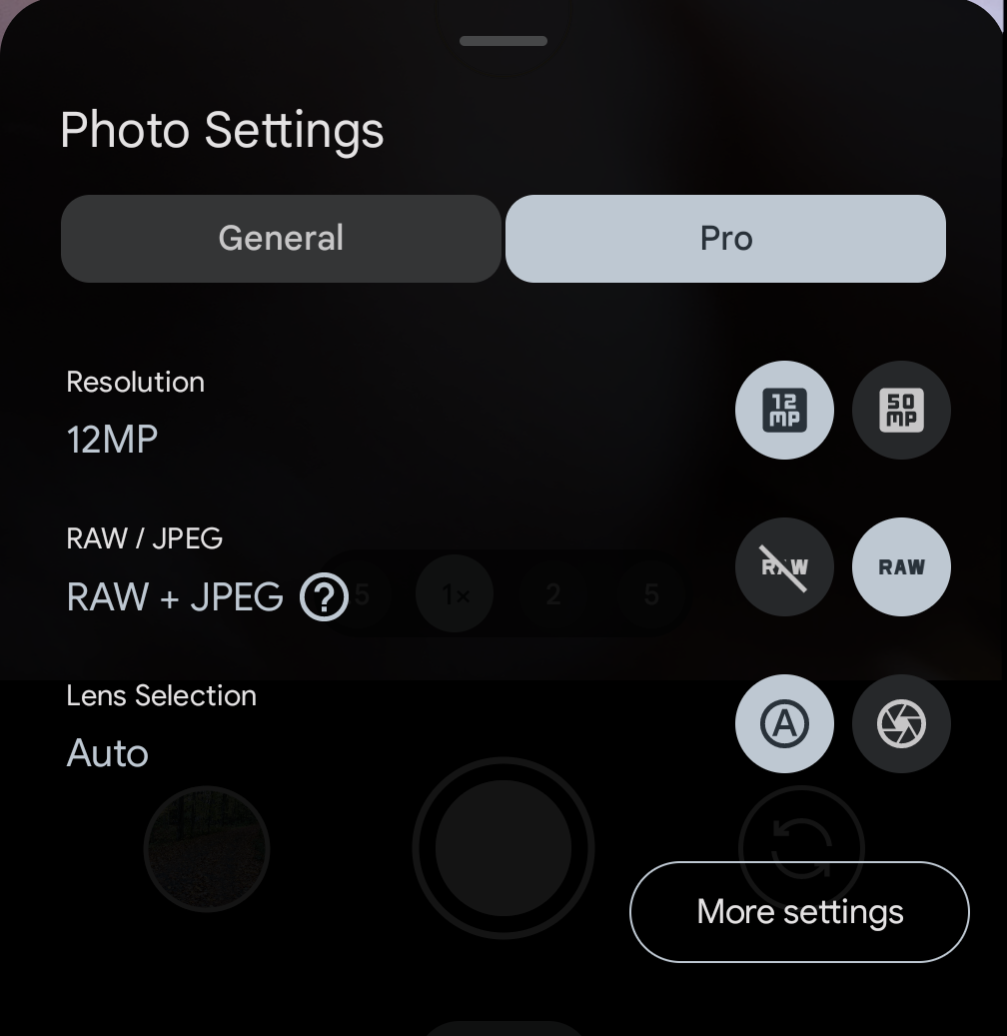
Basically, they let you tweak the resolution from 12 MP to full 50 MP, allow you to select to shoot in RAW+JPEG and let you manually choose between the three hardware lenses, rather than leaving it up to Google to pick based on lighting conditions, scene, etc.

Google Pixel 8 Pro camera settings screen

Google Pixel 8 Pro camera settings screen. Image Credits: Darrell Etherington

That’s not much, but they are clutch settings if you actually do want to make the most of the pictures you’re taking in editing software, so it’s understandable that Google appends the “Pro” moniker here. In my use, the lens selection setting generated the most potential confusion, since it led to the camera app crashing (seemingly resolved in an update distributed earlier in the day on the same day the review embargo lifted) but also meant you might make a poor choice and get a worse quality overall image by overriding Google’s software smarts.

These settings, especially couched as they are in a secondary tab in the general settings menu in the camera app, are actually quite useful, however, and seem arbitrarily limited to the Pro model. I understand it as a differentiator, but hopefully Google relents and rolls these out to non-pro Pixel 8 devices at the very least in the future.

Macromania

Google was big on touting the enhanced macro capabilities of the Pixel 8 Pro, made possible in part by the better resolution and autofocus of the new ultrawide camera. In practice, I found that macro mode could indeed produce some truly outstanding results — with the caveat that it’s still not quite as foolproof as using the main camera, for example.

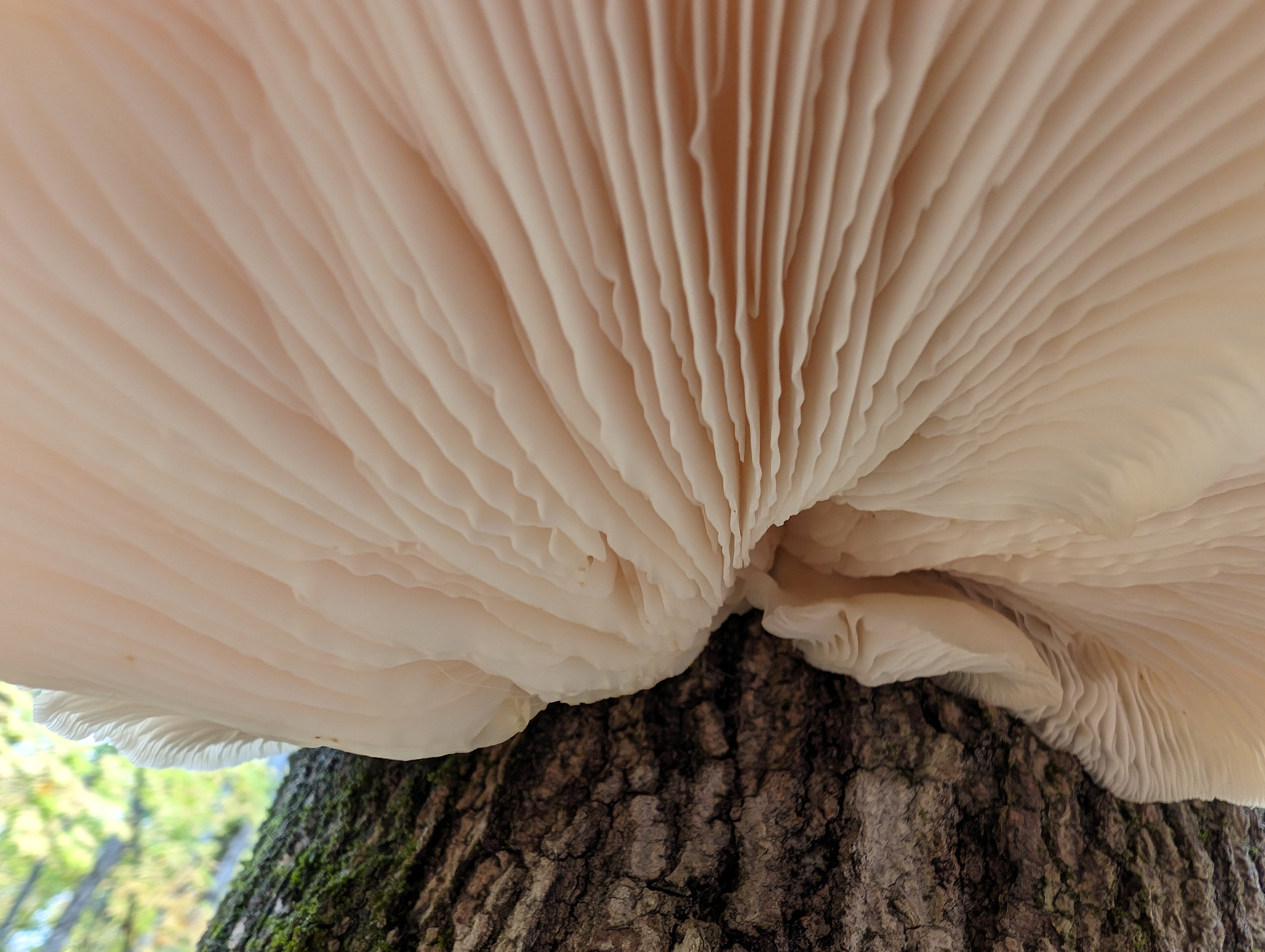
Macro shot of the underside of a mushroom from the Google Pixel 8 Pro

Macro shot of the underside of a mushroom from the Google Pixel 8 Pro. Image Credits: Darrell Etherington

Mostly, the challenge comes in trying to capture macro shots handheld outdoors when there’s anything working against you — wind, for instance, or anything less than full, direct sunlight. Google’s computational photography does an admirable job of correcting for shake, but in my experience it was still hard to completely avoid some kind of blurring in the final image, especially when trying to get incredibly close to the subject. Plus, it’s hard to nail the target of the focus with high specificity, too.

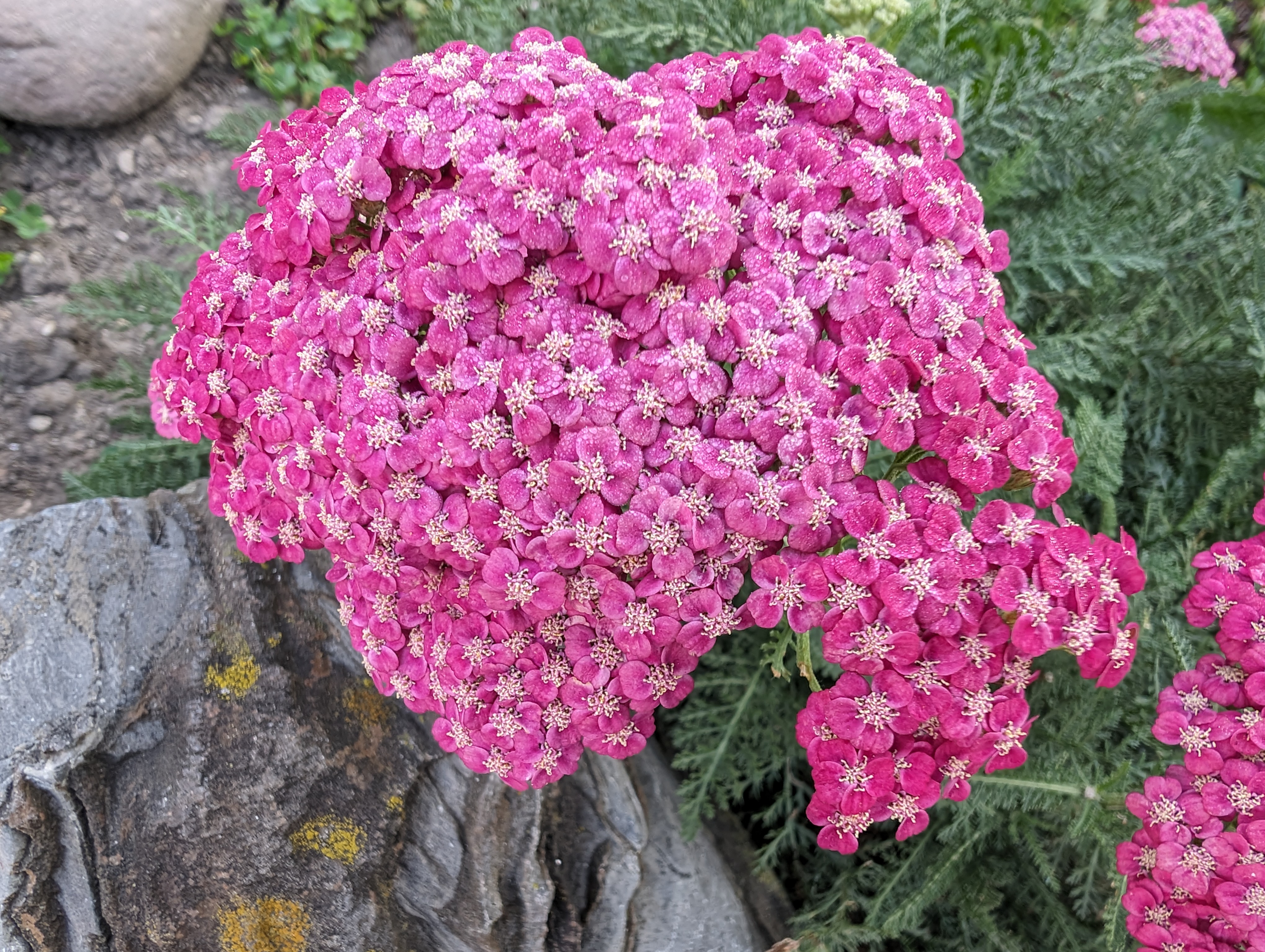
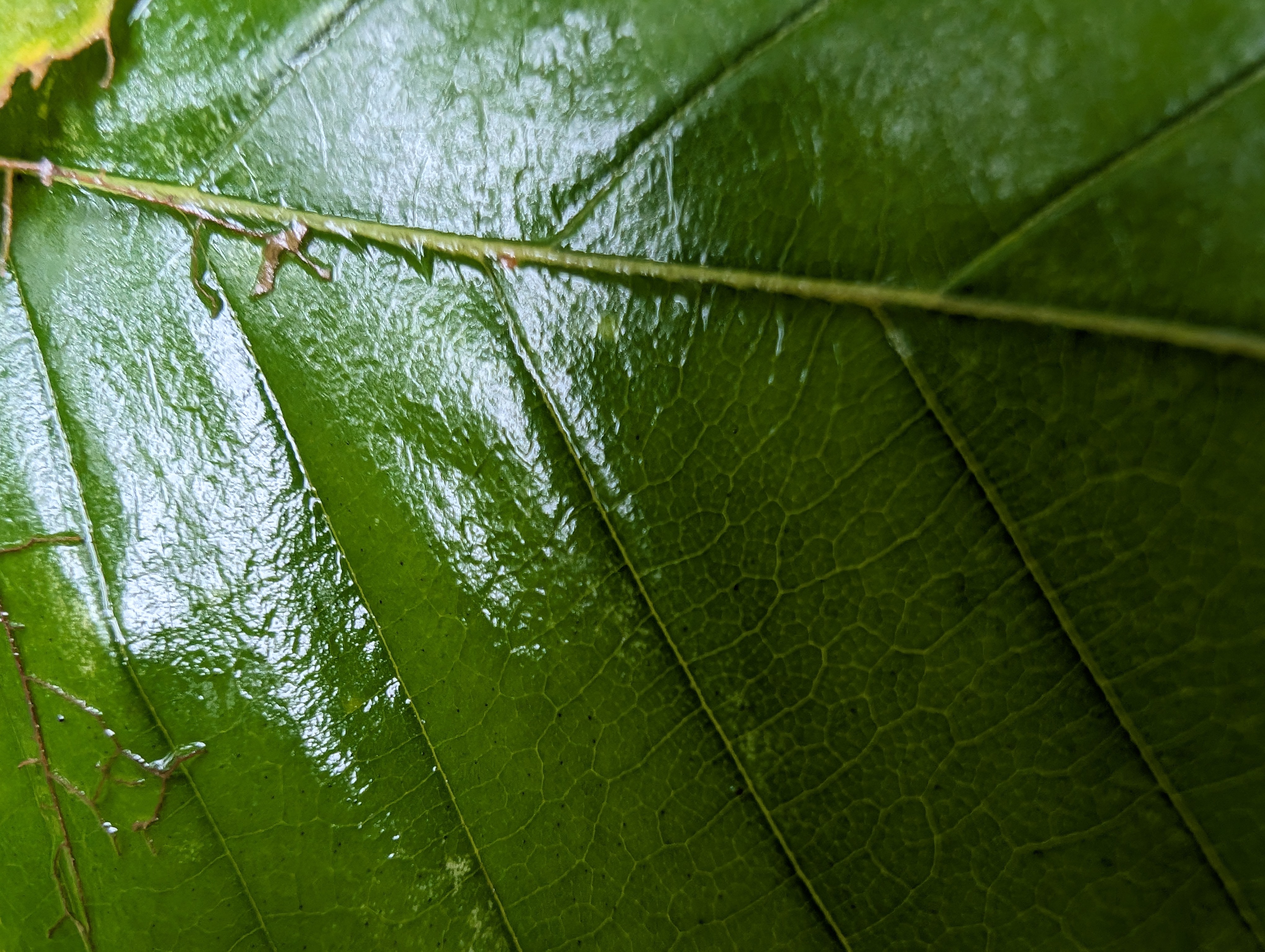
Macro shot of a leaf from the Google Pixel 8 Pro

Macro shot of a leaf from the Google Pixel 8 Pro. Image Credits: Darrell Etherington

That said, the resulting macro pictures are still quite stunning, and perfectly suitable for social/digital use — and much improved from earlier generations.

Bottom line

Google gets major props for delivering a camera system that works out of the box to a standard few of its peers can even attempt to live up to. The front selfie camera works astoundingly well, and the color rendering, sharpening, portrait mode blur, dynamic range and just about everything else lends a special quality to these photos that can’t really be matched by other smartphone camera systems out there. Does it still fall down when compared to a dedicated, interchangeable lens (or even fancy fixed lens) camera? Of course, but the distinction is increasingly academic for anyone not taking photos for print or professional purposes. If your number one priority when buying a smartphone is camera, the Pixel 8 Pro simply can’t be beat.

[ad_2]

Nature apps can be helpful, but don’t expect your smartphone to always get it right

[ad_1]

To identify plants in the wild, I’ve been using Seek by iNaturalist for several years. And, because I know plants fairly well, I can tell when this app doesn’t get it right.

For example, we planted a bur oak in our front yard, and Seek identified it as a different type of oak. I knew better. But Seek almost had me fooled when it identified a fern in my front yard growing beneath some Norway spruces as the New York fern, an Illinois endangered species.

After some initial excitement, I posted a photo of that fern to a botany group and was politely scolded that this was nothing more than a common ostrich fern. I have plenty of ostrich ferns in my backyard, but these in the front were much smaller.

Another botanist reminded me that the environment in which a plant grows can make a difference in its size and appearance. To give Seek a break, I do realize that identifying ferns in the wild — even with a magnifying glass — can sometimes be difficult.

Also, iNaturalist is a wonderful way to interact with other nature lovers and learn more about plants, insects and other critters.

But I found a better plant ID app called Picture This. It immediately recognized that the front yard plant was an ostrich fern. Picture This also identified a lady fern growing in the yard near a little homemade pond.

I also learned that what I thought was an American plum just planted this year is really a pin cherry.

The moral of this app story is that when in nature, do not expect your smartphone to get it right all the time. These apps should only be used as part of the learning process.

By talking with botanists and doing online research with sources I respect, I’ve learned the ostrich fern can be mistaken for a New York fern. But I’m not convinced that so-called plum is a cherry, even if Picture This says so, though it’s possible the nursery selling this plant misidentified it. I need to do more research.

There are also apps, including Merlin, to identify birds by both song and plumage. But beware, especially if you’re a beginning birder.

An Aug. 23 article in the National Audubon Society magazine said, “Merlin is magical, but it still makes mistakes.” I agree. Advanced birders might immediately recognize the mistakes, but unfortunately beginning birders don’t, and some have inaccurately been reporting birds based on what their app says.

One Merlin user and birder from southern Illinois said, “We know Merlin isn’t perfect, and the software tells you to confirm with a visual sighting, but the last couple days Merlin says there are pheasant cuckoos, rufous-breasted spinetails and pavonine cuckoos in the woods. I had to look them up. The first two live no further north than approximately Mexico’s Yucatán Peninsula, and the last one is almost exclusively in Brazil. I’m going to be pretty surprised if I get a visual sighting of any of them.”

Other Merlin users have had great experiences. For example, one Merlin user and birder said, “I picked up the sound of American pipit on my Merlin app last week, and finally had a chance to photograph a small flock in the monastery cemetery this morning. It’s a new species for our campus list.”

A birder from Chicago’s southern suburbs was told by his Merlin app that a yellow-rumped warbler was singing in his yard. “I’d not seen or heard them previously,” he said. But after viewing the app, he saw these “little birds bouncing around the tree branches and even eating off poison ivy berries in the back part of my yard where the old pond used to be.”

Lake County News-Sun

Twice-weekly

News updates from Lake County delivered every Monday and Wednesday

They were definitely yellow-rumped warblers, and it’s cool he discovered them in his yard.

The technology gurus are working to improve these apps, and there are various settings to improve accuracy.

But there is a lesson to be learned from these nature app anecdotes. Technology can enhance your knowledge of nature, but it should be used in conjunction with the tried-and-true method of learning from others, or while you’re in the field. 

I love using Picture This, but I’m not just going to run around collecting a list of plant names based on what the app is telling me.

Nature apps are tools, and you’ve got to know the right way to use them. Walking in a preserve outdoors should include more time looking with your eyes, and hearing with your ears, and less time turning on a smartphone.

I hope our natural areas don’t fill up with humans holding up their phones to see what may be out there, instead of exploring on their own and using their own five senses. Yes, certain plants emit an identifiable fragrance. I wonder if there’s an app for that.

Sheryl DeVore has worked as a full-time and freelance reporter, editor and photographer for the Chicago Tribune and its subsidiaries. She’s the author of several books on nature and the environment. Send story ideas and thoughts to [email protected].

[ad_2]

What are different types of clouds and how do they form?

[ad_1]

Clouds are such a regular part of daily life in most places on the planet that it’s quite easy to forget about them — unless they’re about to rain on you or ruin your perfectly planned astrophotography shot!

But clouds are crucially linked to temperature regulation on Earth, reflecting some of the sun’s energy to keep us cool and trapping some to keep us warm, according to NASA.

[ad_2]